
AR-15 Buying Guide: What to Know Before You Buy Your First AR-15
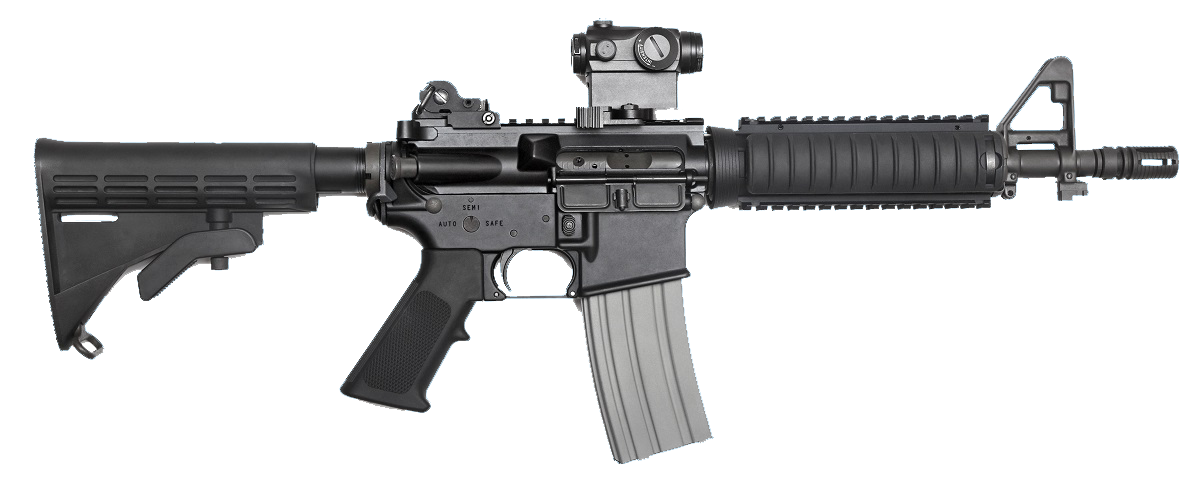
If you are researching your first AR-15, the amount of information online can feel overwhelming fast. There are endless choices in barrel length, optics, calibers, furniture, accessories, and upgrade parts. The good news is that most buyers do not need the most expensive setup to get a reliable, accurate, and versatile rifle.
The best first step is to focus on what actually matters: intended use, caliber, barrel length, reliability, and a few core accessories. Once you understand those basics, shopping for an AR-15 becomes much easier and a lot less confusing.
At Raven Rock Armory, we recommend starting with a simple question: What do you want your AR-15 to do? A rifle for range use, home defense, predator control, training, or general all-around use may look similar, but the best setup for each can be different.
What is an AR-15?
An AR-15 is a semiautomatic rifle platform built around a lightweight, modular design. The platform has become one of the most common centerfire rifle formats in the United States because it is easy to customize, easy to maintain, and available in a wide range of configurations.
For most buyers, the biggest advantage of the AR-15 is flexibility. You can keep it simple with iron sights and a sling, or build it out with optics, lights, upgraded triggers, rails, and caliber-specific accessories over time.
Is an AR-15 good for beginners?
Yes, for many shooters, an AR-15 is one of the easiest rifles to learn on. The platform is popular with new owners because it offers manageable recoil, wide parts availability, straightforward controls, and the ability to start with a basic rifle and upgrade later.
A beginner does not need an overbuilt rifle loaded with extras. In most cases, a dependable AR-15 with a quality magazine, a practical optic or backup sights, and a simple sling is a better place to start than a highly customized setup. Training, safe handling, and time on the range matter more than loading a rifle with accessories on day one.
What caliber should you choose for a first AR-15?
For most first-time buyers, 5.56 NATO / .223 Remington is the most practical place to start. It is the most common AR-15 chambering, offers broad ammo availability, manageable recoil, and the widest range of compatible parts and magazines.
That matters because a first rifle should be easy to feed, easy to maintain, and easy to support with accessories. Once you are comfortable with the platform, you can always explore other AR-compatible calibers later depending on your needs.
What is the best barrel length for an AR-15?
For a general-purpose rifle, a 16-inch barrel is the most common starting point. It gives buyers a strong balance of handling, velocity, and overall practicality while remaining one of the most popular legal configurations for a standard rifle setup.
If you are trying to keep things simple, a 16-inch AR-15 is usually the easiest answer. It works well for range use, training, and general-purpose shooting, while still leaving plenty of room for future optic and accessory choices.
What parts matter most on an AR-15?
Not every feature on a spec sheet matters equally. Buyers tend to get the best results when they focus first on the foundation of the rifle instead of cosmetic upgrades.
The most important parts to pay attention to are:
- Barrel quality
- Bolt carrier group
- Chambering
- Gas system
- Trigger feel
- Handguard style
- Reliability with standard magazines and ammunition
A dependable rifle built around quality core components will usually serve a buyer better than a rifle chosen only for appearance or add-ons.
What accessories should you buy first for an AR-15?
One of the most common AR-15 research questions is not just which rifle to buy, but which accessories actually matter first. The smartest approach is to start with the basics and add more only after you know how the rifle will be used.
For most buyers, the best first AR-15 accessories are:
- Quality magazines
- An optic or reliable backup sights
- A sling
- A cleaning kit
- A safe storage solution
- Extra ammunition for training
That approach keeps the rifle practical, avoids unnecessary spending, and helps new owners focus on the items they are most likely to use right away.
Red Dot, LPVO, or scope: what optic is best for an AR-15?
This is one of the biggest AR-15 buying questions online because the best optic depends on how the rifle will be used. A red dot is often recommended for speed and close-range versatility, while an LPVO gives buyers more flexibility across varying distances.
If your goal is a practical first setup, a red dot is often the easiest place to begin. It keeps the rifle simple, fast, and user-friendly. If you expect more distance or want one optic that covers a wider range of use, an LPVO can be a strong option.
Can you customize an AR-15 later?
Yes, and that is one of the main reasons the AR-15 remains so popular. The platform is built around modularity, which means buyers can change furniture, optics, handguards, triggers, charging handles, and many other components over time.
That said, it is usually better to buy a reliable rifle first and upgrade only after you have real range time behind it. A simple, dependable rifle with a few essentials usually outperforms a complicated setup chosen only from marketing claims.
What should you look for before buying an AR-15?
Before buying, focus on these practical questions:
- What will the rifle mainly be used for?
- Is 5.56 / .223 the right starting caliber?
- Do you want a simple 16-inch general-purpose rifle?
- Are you budgeting for magazines, optics, ammo, and cleaning gear too?
- Are you buying a complete rifle or planning a build?
- Are you prepared to follow all federal, state, and local laws?
Answering those questions first will help narrow your choices and make the buying process much easier.
AR-15 lower receivers, uppers, and parts: what should buyers know?
The AR-15 platform is often discussed in terms of uppers, lowers, and parts kits, and understanding those terms helps buyers shop more confidently.
Some buyers are shopping for a complete rifle, while others are searching for a stripped lower, complete upper, bolt carrier group, charging handle, trigger, or lower parts kit. Clear product categories and buyer-friendly descriptions help shoppers quickly find the exact AR-15 part they are researching.
Is an AR-15 legal to buy?
Legality depends on federal, state, and local law, as well as the exact configuration of the rifle or part. Firearm transfers through dealers involve federal paperwork and background-check procedures, and certain configurations or NFA-regulated items can involve additional rules.
Because laws can change and vary by location, buyers should always confirm the current rules that apply in their jurisdiction before making a purchase.
Final thoughts: what is the best first AR-15 setup?
For many buyers, the best first AR-15 is a simple, reliable 16-inch rifle in 5.56 NATO / .223, paired with a few essentials:
- Quality magazines
- A practical optic or sights
- Ammunition for training
- A sling
- A cleaning kit
That setup keeps the learning curve manageable, leaves room for upgrades later, and covers the needs of a wide range of shooters.
If you are researching AR-15 rifles, uppers, lowers, magazines, optics, or cleaning gear, Raven Rock Armory can help you compare options and find a setup that fits your intended use.
FAQ Section
What does AR stand for in AR-15?
AR stands for ArmaLite Rifle, named after the company that developed the design.
Is 5.56 a good caliber for a first AR-15?
For most first-time buyers, yes. It is the most common AR-15 chambering and offers broad parts and ammo compatibility.
What barrel length is best for a first AR-15?
A 16-inch barrel is the most common general-purpose choice because it balances handling, performance, and overall practicality.
What should I buy first with an AR-15?
Start with magazines, an optic or sights, a sling, ammo, and a cleaning kit.
Can I upgrade my AR-15 later?
Yes. The AR-15 platform is widely known for modularity and aftermarket support.
Explore Popular Articles
How to Choose the Right AR-15 Magazine: 10-Round, 20-Round, 30-Round, Polymer, or Steel?
If you are shopping for AR-15 magazines, one of the first things you will notice is how many options...
Best AR-15 Accessories for New Owners: What to Buy First and What Can Wait
If you just bought your first AR-15, it is easy to get overwhelmed by the number of accessories on t...
AR-15 Upper vs Lower: What’s the Difference and Which Parts Do You Need?
If you are shopping for AR-15 parts, one of the most common questions is the difference between the...
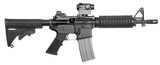
AR-15 Buying Guide: What to Know Before You Buy Your First AR-15
If you are researching your first AR-15, the amount of information online can feel overwhelming fast...