
Raven Rock Armory
Air Pistols for Target Shooting, Training & Recreational Use
Shop air pistols from leading manufacturers at Raven Rock Armory. Compare CO2, pneumatic, PCP, spring-powered, pellet, and BB pistols by caliber, power system, magazine or loading design, sights, optic provisions, grip style, barrel configuration, overall dimensions, weight, finish, and factory specifications for target shooting, training, competition, and recreational use.
Learn more about air pistol types, calibers, power systems & accessories
Air pistols use compressed air, CO2, springs, pistons, or other manufacturer-designed systems rather than conventional firearm cartridges. They are available for recreational target shooting, supervised training, formal competition, collecting, and other sporting applications. Air pistols vary substantially in caliber, power source, loading system, grip design, sights, construction, dimensions, and manufacturer specifications.
Air Pistols
Modern air pistols range from compact recreational BB pistols to precision pellet pistols and sophisticated pre-charged pneumatic competition platforms. Buyers should compare the exact product specifications and intended application.
Choosing an Air Pistol
- Power System: Compare CO2, PCP, pneumatic, spring-piston, gas-piston, and other manufacturer-specific operating systems.
- Projectile Type: Verify whether the pistol uses pellets, BBs, or another manufacturer-approved airgun projectile.
- Caliber: Compare .177, .22, and other available airgun calibers.
- Sights: Review fixed, adjustable, fiber-optic, target, and optics-ready configurations.
- Intended Use: Consider target shooting, competition, training, recreational use, or collecting.
CO2 Air Pistols
CO2-powered air pistols use manufacturer-approved carbon-dioxide cartridges or cylinders. Cartridge size, placement, capacity, operating temperature, magazine design, and maintenance vary by model.
PCP Air Pistols
Pre-charged pneumatic air pistols use a high-pressure air reservoir filled within the manufacturer's specified pressure range. PCP pistols may be designed for recreational, target, or formal competition use.
Pneumatic Air Pistols
Pneumatic pistols use compressed air generated or stored through a manufacturer-designed system. Single-stroke and other pneumatic arrangements are available.
Single-Stroke Pneumatic Pistols
Selected target air pistols use a single-stroke pneumatic system intended to provide a consistent air charge for each shot according to the manufacturer's design.
Spring-Piston Air Pistols
Spring-piston pistols use stored mechanical spring energy within the operating system. Designs vary from recreational models to specialty target products.
Gas-Piston Air Pistols
Some air pistols use a sealed gas-piston or gas-ram system in place of a conventional spring. Manufacturer terminology and construction vary.
.177-Caliber Air Pistols
.177 caliber is widely used in recreational, target, training, and competition air pistols and is available in both pellet and certain BB configurations.
.22-Caliber Air Pistols
.22 caliber air pistols are available from selected manufacturers, particularly in PCP, pneumatic, and sporting configurations.
Other Air Pistol Calibers
Selected manufacturers offer air pistols in additional calibers. Use only projectiles specifically approved for the exact model.
Pellet Pistols
Pellet pistols are designed for compatible airgun pellets and may use rifled barrels, single-shot loading systems, rotary magazines, or other manufacturer-specific feed designs.
BB Pistols
BB pistols are commonly offered for recreational target use and may use magazines, reservoirs, internal feed systems, or other manufacturer-designed loading arrangements.
Pellet & BB Combination Pistols
Some air pistols are specifically designed to accept more than one projectile type. Compatibility should be confirmed from the manufacturer's instructions rather than assumed from caliber alone.
Steel BBs
Steel BBs should be used only in air pistols specifically designed and marked for compatible BB ammunition.
Diabolo Pellets
Diabolo pellets are available in several airgun calibers, weights, shapes, and materials for compatible pellet pistols.
Lead-Free Pellets
Lead-free airgun pellets are available for compatible pistols and may differ in weight and performance from conventional lead projectiles.
Air Pistol Magazines
Repeating air pistols may use detachable magazines, rotary magazines, stick magazines, cylinders, clips, or other manufacturer-specific feed systems.
Single-Shot Air Pistols
Many precision target, pneumatic, and specialty air pistols use a single-projectile loading system.
Multi-Shot Air Pistols
CO2 and PCP pistols may provide multi-shot capability using compatible manufacturer magazines or cylinders.
Magazine Capacity
Capacity depends on projectile type, caliber, magazine geometry, pistol design, and manufacturer.
Air Pistol Barrels
Barrel length, rifling, material, finish, profile, and attachment method vary by air pistol design.
Rifled Air Pistol Barrels
Pellet pistols commonly use rifled barrels designed for compatible airgun projectiles.
Smoothbore Air Pistol Barrels
Certain BB or recreational air pistols may use smoothbore barrels. The exact projectile compatibility should be checked before use.
Replica-Style Air Pistols
Some air pistols replicate the external styling, controls, or dimensions of conventional handgun designs while using a distinct airgun operating system.
Training-Style Air Pistols
Replica and training-oriented air pistols may be used in suitable supervised environments for familiarization with grip shape, sights, controls, or target shooting.
Target Air Pistols
Target-oriented air pistols may emphasize precision barrels, adjustable sights, refined triggers, specialized grips, and consistent power systems.
Competition Air Pistols
Formal competition air pistols may be built around specific caliber, energy, dimension, trigger, grip, and sight requirements established by a governing discipline.
Recreational Air Pistols
Recreational models generally emphasize practical controls, accessible ammunition, durable construction, and straightforward target use.
Air Pistol Grips
Grip design can include polymer panels, rubberized surfaces, textured frames, wood target grips, adjustable components, or other manufacturer-specific features.
Target Grips
Precision air pistols may use anatomically shaped or adjustable target grips intended for formal shooting disciplines.
Ambidextrous Grips
Selected models use symmetrical or adaptable grip designs suitable for a wider range of shooters.
Grip Size & Fit
Grip circumference, angle, texture, palm support, and trigger reach vary by product and can influence overall fit.
Air Pistol Sights
Air pistols may include fixed sights, adjustable sights, fiber-optic elements, target sights, or optic mounting provisions.
Fixed Sights
Fixed front and rear sights are common on recreational and replica-style air pistols.
Adjustable Sights
Target and sporting models may provide manufacturer-defined windage, elevation, or other sight adjustments.
Fiber-Optic Sights
Fiber-optic elements are found on selected recreational and sporting air pistols.
Optics-Ready Air Pistols
Certain air pistols include rails, dovetails, mounting plates, or other factory interfaces for compatible optics.
Red-Dot Sights
Compatible red-dot optics may be used on air pistols equipped with an appropriate manufacturer-approved mounting interface.
Accessory Rails
Selected pistols provide Picatinny-style or proprietary rails for compatible sporting accessories.
Air Pistol Triggers
Trigger pull, travel, stage configuration, shape, reset, and adjustment capability vary widely across recreational and target air pistols.
Single-Stage Triggers
Many recreational air pistols use straightforward single-stage trigger systems.
Two-Stage Triggers
Precision target pistols often use two-stage trigger systems with manufacturer-defined adjustment ranges.
Adjustable Triggers
Certain competition and target pistols provide adjustments within manufacturer-specified limits. Follow the owner's manual for any permitted changes.
Manual Safeties
Air pistols may use lever, button, trigger-area, sliding, or other manufacturer-specific safety mechanisms.
Automatic Safety Systems
Selected models automatically engage a safety during portions of their normal operating cycle. Exact operation varies by design.
Blowback Air Pistols
Some CO2 air pistols incorporate manufacturer-designed slide movement intended to mimic aspects of conventional handgun operation. This feature can affect gas consumption and overall design.
Non-Blowback Air Pistols
Non-blowback models generally do not use gas to cycle a moving slide and may have different operating characteristics.
CO2 Cartridge Sizes
CO2 air pistols may use different manufacturer-approved cartridge sizes. Use only the exact cartridge type specified for the pistol.
CO2 Temperature Sensitivity
Environmental temperature can affect CO2 pressure and airgun performance. Follow manufacturer operating and storage limits.
PCP Air Reservoirs
PCP pistols use high-pressure reservoirs with manufacturer-defined pressure ratings, fittings, fill procedures, and inspection requirements.
PCP Fill Equipment
Filling equipment must match the air pistol's pressure rating and manufacturer-specified fill interface.
Fill Probes & Fittings
Fill probes, quick-connect fittings, and threaded adapters are not universally interchangeable. Verify the exact model before purchasing accessories.
Pressure Gauges
Some PCP pistols include integrated pressure gauges. Manufacturer pressure limits should never be exceeded.
Velocity Ratings
Air pistol velocity figures may be measured using particular pellet or BB weights, materials, environmental conditions, or test methods. Published figures from different manufacturers may not be directly comparable.
Energy Ratings
Some manufacturers publish muzzle-energy specifications. Actual performance depends on the exact projectile, pistol, operating condition, and measurement method.
Air Pistol Accuracy
Practical accuracy depends on barrel quality, sights, grip fit, projectile compatibility, power consistency, environmental conditions, maintenance, and shooter technique.
Air Pistol Ammunition
Use only pellets, BBs, or other airgun projectiles specifically approved for the exact caliber and pistol.
Pellet Weight
Pellet weights vary within each caliber. Appropriate choices depend on the pistol's manufacturer specifications and intended sporting use.
Projectile Storage
Airgun pellets and BBs should be kept dry, clean, protected from contamination, and away from children.
Air Pistol Maintenance
Maintenance requirements depend on the pistol's power system, seals, barrel, magazine, sights, grip, and internal design. Follow the owner's manual for the exact model.
Seal Maintenance
CO2 and pneumatic pistols can use seals and valves that require manufacturer-approved care and lubricants.
Barrel Cleaning
Barrel maintenance should use equipment appropriate for the airgun caliber and manufacturer recommendations.
Magazine Maintenance
Magazines, clips, rotary cylinders, and feed components should be inspected and maintained according to manufacturer instructions.
Battery-Powered Accessories
Electronic sights or accessories should be maintained and stored according to their individual manufacturer instructions.
Air Pistol Storage
Air pistols should be stored securely, unloaded, and protected from unauthorized access, children, excessive moisture, and other damaging conditions.
CO2 Storage
CO2 cartridges and cylinders should be stored within manufacturer temperature and safety limits.
Compressed-Air Storage
PCP cylinders and related filling equipment should be protected from impact, excessive heat, corrosion, and pressures beyond their rated limits.
Air Pistol Cases
Hard and soft cases are available in different sizes for air pistols, optics, magazines, CO2 cartridges, and accessories.
Air Pistols Are Not Toys
Air pistols can cause serious injury or death. They should be handled responsibly and stored securely according to manufacturer safety guidance.
Eye Protection
Appropriate eye protection is important during airgun use, especially around hard surfaces where projectile ricochet may be a concern.
Suitable Shooting Locations
Air pistols should be used only in lawful locations suitable for target shooting and consistent with range rules, property rules, and local ordinances.
Indoor Airgun Use
Indoor use requires an appropriate range environment and compliance with local laws, facility rules, and manufacturer safety recommendations.
Training & Supervision
Youth and new shooters should receive appropriate supervision and instruction before using any air pistol.
Local Airgun Laws
Cities and municipalities may regulate airgun discharge, possession, transportation, or use even when air pistols are otherwise lawful under broader state law.
State Restrictions
State laws may regulate airguns, purchaser age, possession, transport, shipping, or use differently from conventional firearms.
Age Requirements
Minimum purchase, possession, or use ages may vary by jurisdiction, retailer policy, and product type.
Shipping Restrictions
Shipping eligibility can depend on destination law, carrier policy, product design, CO2 components, and age requirements.
Transporting Air Pistols
Transportation rules vary by jurisdiction. Review applicable local and destination requirements before transporting an air pistol.
Air Travel
Airline and transportation authorities may impose specific rules on air pistols, CO2 cartridges, compressed-air cylinders, batteries, and related equipment.
Competition Rules
Formal air-pistol disciplines may specify caliber, dimensions, trigger weight, grip design, sights, projectile type, clothing, and other equipment standards.
Replica Airgun Identification
Replica-style air pistols can closely resemble conventional firearms. They should be stored, transported, and handled responsibly and in accordance with applicable law.
Manufacturer Manuals
The owner's manual should be used as the primary reference for loading, unloading, CO2 installation, filling, ammunition, maintenance, storage, safety controls, and approved accessories.
Compare Exact Model, SKU & UPC
Air pistols with similar names may differ by caliber, projectile type, CO2 or pneumatic system, velocity rating, magazine capacity, barrel, grip, trigger, sights, optic interface, blowback design, dimensions, weight, finish, included accessories, and distributor package. Verify the exact manufacturer model number, SKU, UPC, and current specifications.
Always Verify Current Restrictions
Airgun laws, age requirements, shipping restrictions, discharge rules, transportation requirements, prohibited locations, and local ordinances vary by jurisdiction and can change. Verify current requirements for the exact product and destination.
Always Verify Manufacturer Specifications
Air pistol caliber, projectile compatibility, power system, velocity, energy, magazine capacity, barrel, grip, trigger, sights, optics provisions, dimensions, pressure requirements, CO2 cartridge type, weight, maintenance, and included accessories vary by manufacturer and model. Always review the current manufacturer's specifications for the exact air pistol being considered.
Filter By
Products List
-
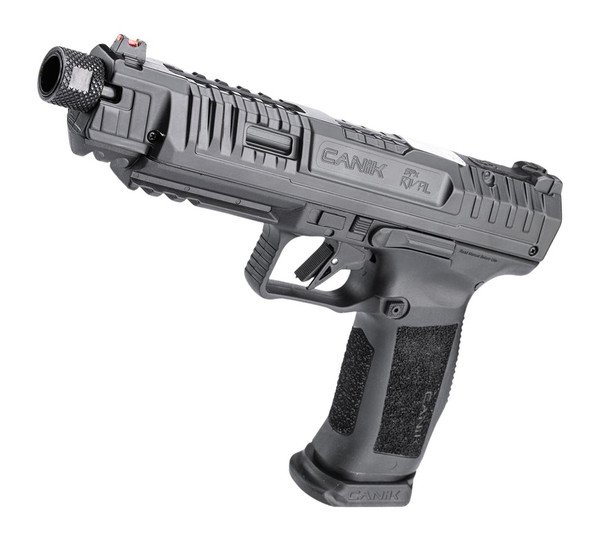
Soft Air Rival SFX Canik Air Gun 1.50 Caliber Matte Black
SOFT AIR USA (CHIAPPA)OUR PRICE: $225.99SOFTAIR 126770 RIVAL SFX CANIK 1.50 .50 MAT BLACK The Soft Air USA Rival SFX Canik air gun is a precision-designed air gun ideal for target practice, training, and recreational shooting. Its sleek... -
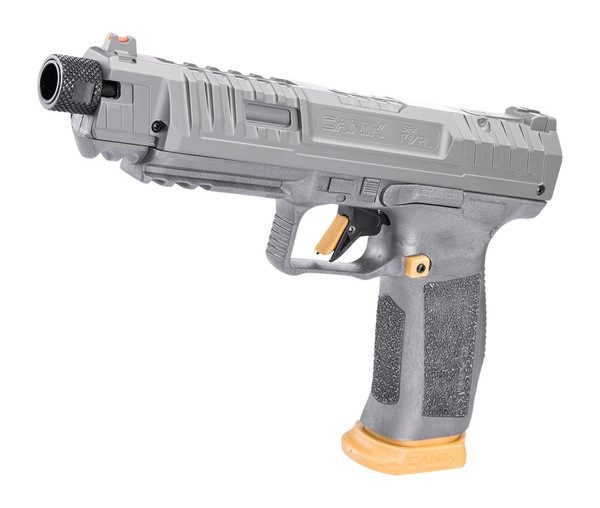
Soft Air Rival SFX Canik Air Gun .50 Caliber Gold and Grey
SOFT AIR USA (CHIAPPA)OUR PRICE: $225.99SOFTAIR 126771 RIVAL SFX CANIK 1.50 .50 GOLD/GREY The Soft Air USA Rival SFX Canik air gun is designed for enthusiasts seeking realistic training and recreational shooting. With a sleek gold and... -
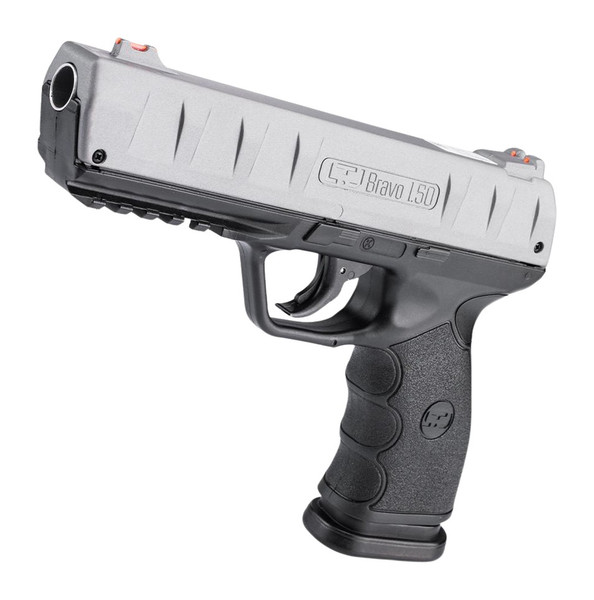
Soft Air Chiappa Bravo 1.50 CO2 Air Gun .50 Caliber Grey and Black
SOFT AIR USA (CHIAPPA)OUR PRICE: $225.99SOFTAIR 126766 BRAVO 1.50 CO2 .50 GREY/BLACK The Softair USA Chiappa Bravo 1.50 is a precision CO2-powered air gun designed for target shooting and recreational use. With its realistic design and... -

Soft Air Chiappa Bravo 1.50 CO2 Air Gun .50 Caliber Black and Orange
SOFT AIR USA (CHIAPPA)OUR PRICE: $225.99SOFTAIR 126768 BRAVO 1.50 CO2 .50 ORG/BLACK The Softair USA Chiappa Bravo 1.50 is a high-performance CO2-powered air gun designed for recreational shooting and training purposes. With its realistic... -
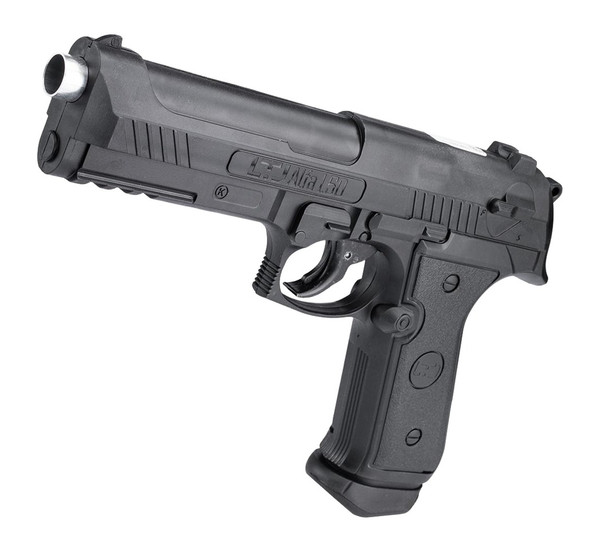
Soft Air Alfa 1.50 CO2 Air Gun in Black
SOFT AIR USA (CHIAPPA)OUR PRICE: $181.99SOFTAIR 126765 ALFA 1.50 CO2 .50 BLACK The Softair Alfa 1.50 CO2 air gun is designed for recreational shooting and target practice, offering reliable performance with a sleek black finish. This air... -

Soft Air Chiappa Alfa 1.50 CO2 Air Gun with Orange Finish
SOFT AIR USA (CHIAPPA)OUR PRICE: $181.99SOFTAIR 126769 ALFA 1.50 CO2 .50 ORANGE The Soft Air USA Chiappa Alfa 1.50 CO2 air gun is designed for air gun enthusiasts and target shooters seeking a reliable and visually striking air weapon... -

RWS UMA Beretta M9A3 Air Gun Pistol
RWSOUR PRICE: $150.99UMA 2253024 BERETTA M9A3 AIR PISTOL The RWS UMA Beretta M9A3 Air Pistol is a high-quality replica designed for training, target practice, and recreational shooting. Crafted with attention to detail,... -

Daisy 2240 CO2 Air Pistol .22 Caliber Bolt-Action Single Shot
DaisyOUR PRICE: $80.99Daisy 2240 2240 Black Polymer CO2 22 Cal, Single Shot Bolt Action The Daisy 2240 CO2 air pistol is a reliable and accurate airgun designed for target practice, plinking, and small pest control... -
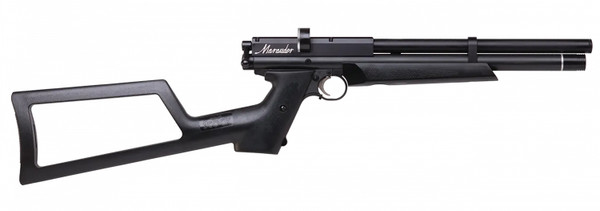
Benjamin Marauder Pellet Pistol .22 Caliber with 8-Round Rotary Magazine
BenjaminOUR PRICE: $498.99Benjamin Marauder Pistol Kit PCP 22 Pellet 8rd Black Shrouded Barrel, Black Synthetic Stock The Benjamin Marauder pellet pistol offers exceptional accuracy and reliability in a compact design,... -

Sig Sauer Airguns P320 Spectre Compact 177 Air Pistol
Sig Sauer AirgunsOUR PRICE: $110.99SIG AIRP320SC177BLK P320 SPCTRE COMP 177 The Sig Sauer Airguns P320 Spectre Compact 177 is a high-performance air pistol designed for precision shooting and training. With its compact size and...
