
Raven Rock Armory
Semi-Automatic Shotguns for Hunting, Sporting & Range Use
Shop semi-automatic shotguns from leading manufacturers at Raven Rock Armory. Compare hunting, sporting, competition, field, and general-purpose shotguns by gauge, chamber length, barrel length, operating system, capacity, stock material, choke system, sights, optics provisions, finish, weight, and factory configuration.
Learn more about semi-auto shotguns, gauges, actions & features
Semi-automatic shotguns automatically cycle the action after each shot while requiring a separate trigger press for every subsequent shot. Modern semi-auto shotguns are available for upland hunting, waterfowl, turkey hunting, clay-target sports, competition, recreational shooting, and other lawful sporting applications. Operating system, gauge, chamber length, barrel configuration, capacity, stock design, sights, and choke compatibility vary by manufacturer and model.
Choosing a Semi-Automatic Shotgun
- Gauge: Compare 12 gauge, 20 gauge, 28 gauge, .410 bore, and other available chamberings.
- Intended Use: Consider upland hunting, waterfowl, turkey, sporting clays, trap, skeet, competition, or recreational range use.
- Operating System: Compare gas-operated, inertia-operated, and other manufacturer-specific cycling systems.
- Barrel & Chokes: Review barrel length, rib design, choke system, chamber length, and manufacturer ammunition compatibility.
- Fit: Evaluate length of pull, drop, cast, stock material, recoil pad, balance, and overall weight.
12 Gauge Semi-Auto Shotguns
12 gauge is one of the most common semi-automatic shotgun gauges and is available across hunting, sporting, competition, and general-purpose configurations.
20 Gauge Semi-Auto Shotguns
20 gauge semi-auto shotguns are popular for upland hunting, target shooting, and shooters who prefer a lighter firearm or different recoil characteristics than many 12 gauge models.
28 Gauge Semi-Auto Shotguns
28 gauge models are available from selected manufacturers and are popular in upland and clay-target applications. Exact ammunition, choke, and chamber specifications should be verified.
.410 Bore Semi-Auto Shotguns
Semi-automatic .410 bore shotguns are offered by selected manufacturers for sporting, recreational, and hunting applications where appropriate and lawful.
Gas-Operated Shotguns
Gas-operated semi-auto shotguns use part of the propellant gas to cycle the firearm's action. Gas-system design, piston arrangement, maintenance, and ammunition requirements vary by manufacturer.
Inertia-Operated Shotguns
Inertia-operated shotguns use firearm movement and internal mechanical components to cycle the action according to their manufacturer-designed system.
Other Semi-Auto Operating Systems
Some manufacturers use proprietary or modified operating systems. Owners should follow the exact owner's manual for maintenance, ammunition recommendations, and normal operation.
Hunting Semi-Auto Shotguns
Hunting-oriented shotguns may emphasize moderate weight, weather resistance, practical barrel lengths, camouflage finishes, sling provisions, interchangeable chokes, and compatibility with hunting-oriented ammunition.
Upland Shotguns
Upland-oriented semi-auto shotguns often prioritize balance, relatively light weight, quick handling, and barrels suited to field use.
Waterfowl Shotguns
Waterfowl models may use synthetic stocks, camouflage or weather-resistant finishes, larger controls, and chamber configurations suited to manufacturer-approved waterfowl loads.
Turkey Shotguns
Turkey-oriented semi-auto shotguns may include shorter barrels, specialized choke systems, camouflage finishes, fiber-optic sights, or optic mounting provisions.
Sporting Clays Shotguns
Sporting-oriented semi-auto shotguns may use longer barrels, ventilated ribs, adjustable stock components, extended choke tubes, and other features intended for clay-target sports.
Trap & Skeet Shotguns
Semi-auto shotguns can be used in trap, skeet, and other clay-target disciplines when their configuration meets the rules of the particular range or competition.
Competition Shotguns
Competition-oriented models may include enlarged controls, specialized sights, extended magazine components where lawful, optimized stocks, or other manufacturer-specific sporting features.
Shotgun Chamber Length
Chamber length is a critical specification. Common 12 gauge chamber lengths include 2 3/4-inch, 3-inch, and selected 3 1/2-inch configurations. Use only shotshell lengths approved for the exact shotgun.
2 3/4-Inch Chambers
Many sporting and target shotguns are designed around conventional 2 3/4-inch shotshells, although exact ammunition compatibility depends on the chamber marking and manufacturer.
3-Inch Chambers
Three-inch chambers are common on modern hunting and general-purpose semi-auto shotguns.
3 1/2-Inch Chambers
Selected 12 gauge hunting shotguns are chambered for compatible 3 1/2-inch shells. Use only shell lengths specifically approved for the firearm.
Shotgun Barrel Length
Barrel length influences handling, balance, overall dimensions, sight radius, swing characteristics, and intended sporting use.
Field Barrels
Field-oriented barrel lengths vary by gauge and hunting application. Manufacturers offer configurations designed for upland, waterfowl, turkey, and other uses.
Sporting Barrels
Clay-target shotguns often use longer barrels intended to provide particular balance and swing characteristics.
Vent-Rib Barrels
Ventilated ribs are common on hunting and sporting shotguns and provide a sighting plane above the barrel.
Barrel Finish
Shotgun barrels may use bluing, matte coatings, Cerakote, camouflage finishes, stainless components, or other protective treatments.
Shotgun Chokes
Chokes influence the distribution of a shotshell pattern. Modern semi-auto shotguns may use fixed chokes or interchangeable choke tubes depending on the barrel.
Interchangeable Choke Tubes
Choke-tube systems are manufacturer- and barrel-specific. A choke tube should only be used when its threading, gauge, material, and ammunition rating match the firearm manufacturer's specifications.
Fixed Chokes
Some shotgun barrels have a fixed choke constriction rather than a removable tube system.
Flush Choke Tubes
Flush-fit chokes generally sit approximately even with the muzzle and are available in various constrictions depending on the manufacturer's choke system.
Extended Choke Tubes
Extended chokes project beyond the muzzle and may provide visible markings or easier removal. Compatibility must be verified for the exact barrel.
Turkey Chokes
Turkey-oriented choke tubes use manufacturer-specific constrictions and ammunition ratings. Confirm compatibility with the exact shotgun and shotshell.
Steel-Shot Compatibility
Choke and barrel compatibility with steel or other non-lead shot varies. Always verify the firearm and choke manufacturer's ratings before using a particular ammunition type.
Magazine Tubes
Semi-auto shotguns commonly use tubular magazines located beneath the barrel. Capacity depends on gauge, shell length, magazine dimensions, and factory configuration.
Shotgun Capacity
Capacity varies by shotgun model, shell length, magazine configuration, installed limiter or plug, and jurisdiction.
Magazine Plugs
Hunting regulations may limit shotgun capacity and require a magazine plug or other restriction. Verify current requirements for the specific hunting activity.
Stock Materials
Semi-auto shotgun stocks may be manufactured from walnut, hardwood, laminate, polymer, composite, or other materials.
Wood-Stock Shotguns
Walnut and other wood stocks provide traditional styling and are common on sporting, upland, and premium hunting shotguns.
Synthetic-Stock Shotguns
Synthetic stocks can provide weather resistance and reduced maintenance for field and waterfowl use.
Camouflage Shotguns
Hunting models may use camouflage patterns on the stock, receiver, barrel, or complete firearm. Pattern availability varies by manufacturer and model.
Adjustable Stocks
Some sporting and competition shotguns include adjustable combs, spacers, buttplates, shims, or other fit-adjustment components.
Length of Pull
Length of pull is measured from the trigger to the rear of the stock and is an important factor in shotgun fit.
Drop & Cast
Stock drop and cast influence how the shooter's eye aligns with the rib or sights. Some models include shim kits or adjustable components.
Recoil Pads
Many semi-auto shotguns use rubber, gel, or other recoil-pad materials. Design and effectiveness vary by manufacturer.
Shotgun Weight
Overall weight influences carry comfort, balance, swing, and perceived recoil. Barrel length, receiver material, stock, magazine system, and accessories all contribute.
Lightweight Field Shotguns
Lighter shotguns can be convenient for extended field carry but may feel different in recoil and swing compared with heavier sporting models.
Sporting Shotgun Weight
Clay-target shotguns may intentionally use additional weight or longer barrels to produce particular balance and swing characteristics.
Recoil Characteristics
Perceived recoil depends on gauge, shotshell load, firearm weight, operating system, stock fit, recoil pad, and individual shooter factors.
Shotgun Sights
Semi-auto shotguns may use front beads, mid-beads, fiber-optic sights, rifle-style sights, ghost-ring sights, or optic mounting provisions depending on their intended use.
Bead Sights
A front bead is common on field and sporting shotguns and may be paired with a ventilated rib.
Mid-Beads
Some sporting shotguns include a smaller mid-bead along the rib as an additional visual reference.
Fiber-Optic Sights
Fiber-optic front sights are common on turkey, hunting, and competition-oriented semi-auto shotguns.
Rifle-Style Sights
Some slug-oriented or specialty shotgun barrels use front and rear rifle-style sights.
Optics-Ready Shotguns
Certain hunting and competition models provide receiver rails, drilled-and-tapped receivers, or factory optic cuts for compatible red-dot sights or scopes.
Red-Dot Sights
Red-dot optics may be used on compatible turkey, sporting, competition, or other shotgun configurations where appropriate.
Shotgun Scope Mounts
Slug-oriented or specialty shotguns may provide scope bases or receiver mounting provisions. Verify mount and optic compatibility with the exact firearm.
Controls
Semi-auto shotgun controls may include a charging handle, bolt release, carrier release, safety, shell stop, and other manufacturer-specific components.
Charging Handles
Charging-handle size, shape, location, and attachment vary by firearm. Competition and hunting models may use enlarged controls.
Bolt Releases
Bolt-release controls differ in size, shape, location, and operating procedure among semi-auto shotgun platforms.
Safety Controls
Semi-auto shotguns may use cross-bolt, tang, trigger-guard, or other manufacturer-specific safety arrangements.
Oversized Controls
Some hunting and competition shotguns include enlarged charging handles or bolt-release controls for easier access with gloves or during sporting use.
Loading Ports
Loading-port dimensions and carrier geometry vary among semi-auto shotgun designs. Owners should follow normal manufacturer procedures and avoid unauthorized alterations.
Ammunition Compatibility
Use only shotshells of the correct gauge and a shell length approved for the exact chamber. Never assume visually similar shells are interchangeable.
Target Loads
Target loads are commonly used for clay sports and recreational shooting. Reliable cycling can vary by firearm and ammunition.
Field Loads
Field ammunition is available in numerous shot sizes, velocities, payloads, and materials. Match ammunition to the lawful sporting application and firearm specifications.
Waterfowl Loads
Waterfowl ammunition may use steel or other approved non-lead shot. Confirm barrel and choke compatibility before use.
Turkey Loads
Turkey shotshells are available in multiple shot materials and payload configurations. Verify shell length, choke rating, and firearm compatibility.
Slug Compatibility
Some semi-auto shotguns are compatible with manufacturer-approved slug ammunition. Barrel type, sights, choke configuration, and ammunition recommendations should be checked.
Break-In Recommendations
Some manufacturers provide specific initial-use or ammunition recommendations for new semi-auto shotguns. Follow the owner's manual rather than assuming a universal break-in procedure.
Cleaning Semi-Auto Shotguns
Follow manufacturer instructions for unloading, disassembly, bore cleaning, chamber cleaning, action maintenance, gas-system or inertia-system maintenance, lubrication, inspection, and reassembly.
Gas-System Cleaning
Gas-operated shotguns may require periodic cleaning of pistons, gas cylinders, ports, seals, or related components according to the manufacturer's schedule.
Inertia-System Maintenance
Inertia-operated shotguns use different internal components and maintenance procedures from gas-operated designs. Follow the exact owner's manual.
Chamber & Bore Maintenance
Shotgun bores and chambers should be cleaned using equipment appropriate for the firearm's gauge, barrel finish, and choke system.
Choke-Tube Maintenance
Removable choke tubes should be inspected, cleaned, and maintained according to the barrel and choke manufacturer's instructions.
Stock & Finish Care
Wood, synthetic, camouflage, Cerakote, blued, and other finishes require different cleaning and storage practices.
Shotgun Storage
Shotguns should be stored securely according to applicable law, household circumstances, manufacturer guidance, and responsible firearm-storage practices.
Shotgun Cases
Soft and hard cases are available for sporting and hunting shotguns. Interior dimensions should account for barrel length, extended choke tubes, optics, and installed accessories.
Gun Safes
Long-gun safes and secure storage systems provide controlled access and organized firearm storage.
Transporting Shotguns
Firearm transportation laws vary by jurisdiction and destination. Review applicable requirements for firearms, ammunition, vehicles, and cases before travel.
Hunting Regulations
Hunting rules may regulate gauge, ammunition type, shot material, magazine capacity, barrel configuration, season, and species. Verify current requirements for the specific hunt.
Magazine-Capacity Rules for Hunting
Certain hunting activities may restrict the number of shells a shotgun can hold. Follow current federal, state, and local hunting regulations where applicable.
FFL Transfer Requirements
Semi-automatic shotguns purchased online generally must be transferred through a federally licensed firearms dealer when required by applicable law. Buyer eligibility and transfer procedures depend on the transaction and jurisdiction.
State & Local Restrictions
Shotgun configuration, magazine capacity, features, transfers, hunting use, and possession may be regulated differently across jurisdictions. Buyers should verify current applicable requirements before ordering.
Compare Exact Model, SKU & UPC
Semi-auto shotguns with similar names may differ by gauge, chamber length, barrel length, choke system, stock, operating system, capacity, sights, finish, included choke tubes, accessories, and distributor configuration. Verify the exact manufacturer model number, SKU, UPC, and current specifications.
Always Verify Manufacturer Specifications
Semi-automatic shotgun gauge, chamber length, barrel length, operating system, capacity, stock dimensions, choke compatibility, sights, optic provisions, weight, finish, included equipment, ammunition requirements, and legal configuration vary by manufacturer and model. Always review the current manufacturer's specifications for the exact shotgun being considered.
Filter By
Products List
-
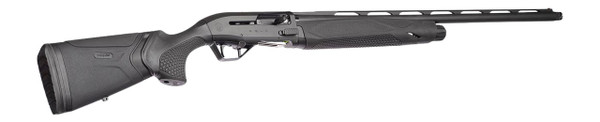
Beretta A400 Solo KO 12 Gauge Semi-Auto Shotgun 28" Steelium Barrel 3" 2+1 Black
Beretta USAOUR PRICE: $1,449.00The Beretta A400 Solo KO is a versatile 12-gauge semi-automatic shotgun built for waterfowl, upland hunting, sporting clays, and demanding field use. Its 3-inch chamber and 2+1 capacity accommodate a... -

Beretta A400 Solo KO 12 Gauge Semi-Auto Shotgun 30" Steelium Barrel 3" 2+1 Black
Beretta USAOUR PRICE: $1,449.00The Beretta A400 Solo KO is a versatile 12-gauge semi-automatic shotgun designed for waterfowl, upland hunting, sporting clays, and demanding field use. Its 3-inch chamber and 2+1 capacity... -

Beretta A400 Solo KO 12 Gauge Semi-Auto Shotgun 26" Steelium Barrel 3" 2+1 Realtree Max-7
Beretta USAOUR PRICE: $1,549.00Beretta A400 Solo KO 12 Gauge Semi-Auto Shotgun 26" Steelium Barrel 3" 2+1 Realtree Max-7 The Beretta A400 Solo KO is a versatile 12-gauge semi-automatic hunting shotgun designed for waterfowl,... -

Beretta A400 Solo KO 12 Gauge Semi-Auto Shotgun 28" Steelium Barrel 3" 2+1 Realtree Max-7
Beretta USAOUR PRICE: $1,549.00Beretta A400 Solo KO 12 Gauge Semi-Auto Shotgun 28" Steelium Barrel 3" 2+1 Realtree Max-7 The Beretta A400 Solo KO is a versatile 12-gauge semi-automatic hunting shotgun designed for waterfowl,... -

Beretta A400 Solo KO 12 Gauge 30-Inch Semi-Auto Shotgun 3-Inch Chamber 2+1 Realtree Max-7
Beretta USAOUR PRICE: $1,549.00The Beretta A400 Solo KO is a 12-gauge semi-automatic shotgun configured with a 30-inch barrel, 3-inch chamber and 2+1 capacity. Its field-oriented design combines reliable operation with a Realtree... -

Browning Maxus II Stalker 12 Gauge Semi-Auto Shotgun with 49.25 Inch Length and Synthetic Stock
BrowningOUR PRICE: $1,619.99$1,839.99MAXUS II STALKER 12/28 3" 3 INVECTOR PLUS FLUSH CHOKES The Browning Maxus II Stalker is a versatile 12 gauge semi-automatic shotgun designed for reliable performance in hunting and sporting... -

Retay USA B-Racelegpbr-28 Ace-R 20 Gauge 28-Inch Shotgun
RETAY USAOUR PRICE: $1,153.99RETAY B-RACELEGPBR-28 ACE-R 20G 28" **40TH ANNV The Retay USA B-Racelegpbr-28 Ace-R is a 20 gauge shotgun designed for versatile shooting applications, featuring a 28-inch barrel. This firearm is... -

Citadel Boss25 12 Gauge Tactical Semi-Auto Shotgun / Adjustable Stock / Muzzle Brake
CitadelOUR PRICE: $457.99Citadel CBOSS2512-AZ Boss25 12 Gauge 3" 5+1 18.75" Threaded Barrel, Arizona Flag Steel Receiver w/Picatinny Rail, Adj Comb Synthetic Butt Stock, Picatinny Rail Forend, Polymer Grip The Citadel Boss25... -
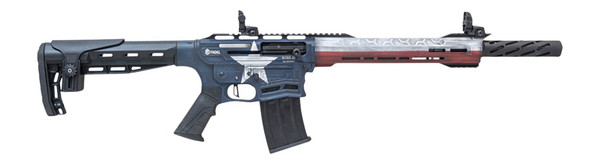
Citadel Boss25 Texas Flag 12 Gauge Tactical Semi-Auto Shotgun
CitadelOUR PRICE: $457.99Citadel CBOSS2512-TEX Boss25 12 Gauge 3" 5+1 18.75" Threaded Barrel, Texas Flag Steel Receiver w/Picatinny Rail, Adj Comb Synthetic Butt Stock, Picatinny Rail Forend, Polymer Grip The Citadel Boss25... -

ATI Alpha Maxx Gen 3 /.410 Bore AR Shotgun Pistol 8.75" Barrel
ATIOUR PRICE: $621.99ATI Alpha Maxx Gen 3 /.410 Bore AR Shotgun Pistol 8.75" Barrel The ATI Alpha Maxx Gen 3 is a compact AR-style shotgun pistol chambered in .410 Bore, combining modern tactical styling with the... -

MAC Judgement Day 1014 Tactical 12 Gauge Semi-Auto Shotgun with 18.5-Inch Barrel and Picatinny Rail
MACOUR PRICE: $733.99The MAC Judgement Day 1014 Tactical shotgun is designed for reliability and precision in tactical and hunting applications. Built with a semi-automatic action and a durable steel barrel, this firearm... -

Mossberg 940 Pro Waterfowl 12 Gauge Semi-Auto Shotgun with Realtree Legacy Finish
MossbergOUR PRICE: $1,061.99The Mossberg 940 Pro Waterfowl is a versatile semi-automatic shotgun optimized for waterfowl hunting. Featuring a 28-inch vent rib barrel and a 12 gauge chamber, this firearm provides reliable... -

RETAY 12-Gauge Semi Auto Shotgun / 28-Inch Bronze Barrel
RETAY USAOUR PRICE: $1,153.99RETAY 12-Gauge Shotgun / 28-Inch Bronze Finish The RETAY ACEBRBL-28 is a Semi Auto 12-gauge shotgun featuring a 28-inch barrel with a distinctive bronze finish. Designed for reliable performance,... -

RETAY 20-Gauge Semi Auto Shotgun / 28-inch Bronze Barrel
RETAY USAOUR PRICE: $1,153.99RETAY 20-Gauge Semi Auto Shotgun with 28-inch Bronze Finish The RETAY B-ACEBRBL28 is a 20-gauge shotgun featuring a 28-inch barrel finished in a distinctive bronze tone. Constructed for durability... -

Browning Maxus II Hunter 12 Gauge Semi-Auto Shotgun / Adjustable Shim Stock and 28-Inch Vent Rib Barrel
BrowningOUR PRICE: $1,619.99Browning Maxus II Hunter Full Size 12 Gauge Semi-Auto 3" 4+1 28" Matte Blued Vent Rib Barrel, Matte Black Aluminum Receiver, Adj Shim Grade I Turkish Walnut Wood Stock The Browning Maxus II Hunter is... -
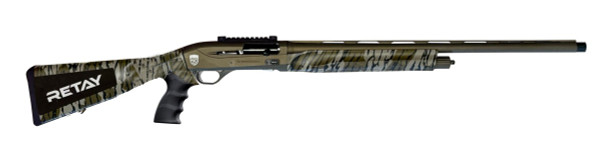
Retay USA Gamekeeper 12 Gauge 22-Inch Shotgun
RETAY USAOUR PRICE: $934.99Retay USA Gamekeeper 12 Gauge 22-Inch Shotgun The Retay USA Gamekeeper is a versatile 12 gauge shotgun designed for hunting and sporting purposes. It features a 22-inch barrel, providing a balanced... -

Mossberg Aftershock 990 SPX 12 Gauge Semi-Auto Shotgun with 14.75 Inch Barrel
MossbergOUR PRICE: $1,172.99Mossberg 83012 990 Aftershock SPX Semi-Auto 3" 5+1 14.75" OD Green Cerakote Integrated Heat Shield Barrel & Drilled & Tapped Receiver, Black Polymer Grip The Mossberg Aftershock SPX 990 SPX is a... -
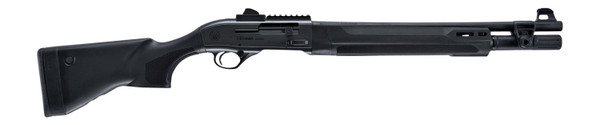
Beretta USA A300 Ultima Patrol 20-Gauge Semi-Auto Shotgun
Beretta USAOUR PRICE: $1,265.99Beretta USA J32CT21 A300 Ultima Patrol 20 Gauge Semi-Auto 3" 7+1 19.10" Black Barrel, Black Cerakote Aluminum Receiver w/Picatinny Rail, Fixed Black Synthetic Stock The Beretta USA A300 Ultima Patrol... -

RETAY USA C-ACEBRBL-28 ACE 28 Gauge 28-inch Bronze Shotgun Barrel
RETAY USAOUR PRICE: $1,153.99RETAY USA C-ACEBRBL-28 ACE 28 Gauge 28-inch Bronze Shotgun Barrel The RETAY C-ACEBRBL-28 is a 28-inch shotgun barrel designed for use with 28 gauge shotguns. Made with a bronze finish, this barrel... -

Beretta USA A300 Ultima Patrol 20-Gauge Semi-Auto Shotgun
Beretta USAOUR PRICE: $1,265.99$1,299.00Beretta USA J32CG21 A300 Ultima Patrol 20 Gauge Semi-Auto 3" 7+1 19.10" Aluminum Receiver w/Picatinny Rail, Fixed Synthetic Stock The Beretta USA A300 Ultima Patrol is a semi-automatic shotgun... -
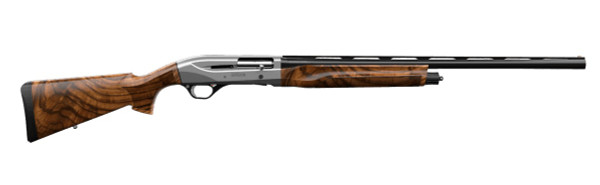
Retay USA Gordion 12 Gauge Semi-Auto Shotgun with 26-Inch Vent Rib Barrel
RETAY USAOUR PRICE: $850.99Retay USA GORGRYCON26 Gordion Upland 12 Gauge Semi-Auto 3" 4+1 26" Black Vent Rib Barrel, Gray Con Aluminum Alloy Receiver, Adj Shim Walnut Stock The Retay USA Gordion semi-automatic shotgun is... -
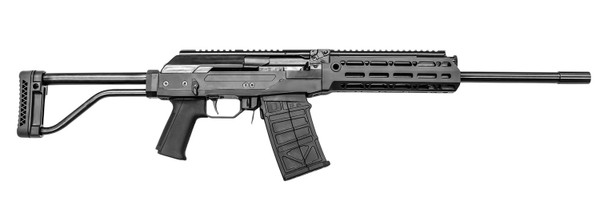
JTS Shotgun M12AK-LWH 12 Gauge Semi-Auto with Skeletonized Stock
JTS SHOTGUN (XISICO USA)OUR PRICE: $432.99JTS Shotgun M12AK 12 Gauge Semi-Auto 3" 5rd 18.70" Picatinny Rail Receiver, Skeletonized Black Synthetic Stock The JTS M12AK-LWH is a versatile semi-automatic shotgun designed for reliable... -

Pointer Field Tek 12 Gauge Shotgun with 24-Inch Barrel and Camouflage Finish
PointerOUR PRICE: $503.99Pointer Field Tek FT12 12 Gauge Semi-Auto 3" 5+1 24" OD Green Cerakote Vent Rib Barrel, OD Green Cerakote Aluminum Drilled & Tapped Receiver, Fixed Mossy Oak Bottomland Synthetic Stock, The Pointer... -

Iver Johnson Arms MF20 20-Gauge Semi-Auto Shotgun
Iver Johnson ArmsOUR PRICE: $504.99Iver Johnson Arms MF20 MF20 20 Gauge Semi-Auto 3" 5+1 20" Black Oxide Steel Barrel, Black Aluminum Receiver w/Picatinny Rail, Black Adj Cheekrest Polymer Stock, Picatinny Rail Forend, Polymer... -

Beretta USA A400 Xtreme Plus 12 Gauge Semi-Auto Shotgun with 30-Inch Barrel and Mossy Oak Shadow Grass Finish
Beretta USAOUR PRICE: $2,149.00BER J42XL10 A400 XTREME 12 30 MOOB The Beretta USA A400 Xtreme Plus is a high-performance semi-automatic shotgun designed for versatile shooting in demanding environments. It features... -

Beretta USA A400 Xtreme Plus 12 Gauge Semi-Auto Shotgun with 26-Inch Steelium Plus Barrel and Natural Camouflage Stock
Beretta USAOUR PRICE: $2,149.00BER J42XL16 A400 XTREME 12 26 MOOB The Beretta USA A400 Xtreme Plus is a high-performance semi-automatic shotgun designed for demanding hunting and shooting scenarios. Equipped with... -

Beretta USA A400 Xtreme Plus 12 Gauge Semi-Auto Shotgun with Mossy Oak Shadow Grass Finish
Beretta USAOUR PRICE: $2,149.00BER J42XL18 A400 XTREME 12 28 MOOB The Beretta USA A400 Xtreme Plus is a high-performance semi-automatic shotgun designed for versatile hunting and tactical use. It features Beretta's... -

Beretta USA A400 Xtreme Plus 12 Gauge Semi-Auto Shotgun with 28-Inch Steelium Plus Barrel and Mossy Oak Shadow Grass Finish
Beretta USAOUR PRICE: $2,149.00BER J42XL18L A400 XTREME 12 28 MOOB The Beretta USA A400 Xtreme Plus is a high-performance semi-automatic shotgun designed for demanding hunting and shooting environments. Featuring... -

Beretta USA A400 Xtreme Plus 12 Gauge Semi-Auto Shotgun with Mossy Oak Shadow Grass Camouflage
Beretta USAOUR PRICE: $2,149.00Beretta Xtreme Plus 12 Gauge Semi-Auto Shotgun "3.50" 2+1 30" Overall Mossy Oak Original Shadow Grass Steelium Plus Vent Rib Barrel, Kick-Off Mossy Oak Original Shadow Grass Synthetic Stock, Right... -

Beretta A400 Xtreme Plus Semi-Auto 12 Gauge Shotgun with Camouflage Stock
Beretta USAOUR PRICE: $2,149.00Beretta A400 Xtreme Plus Semi-Auto 12 Gauge 3.50" 2+1 26" Overall Mossy Oak Original Shadow Grass Steelium Plus Vent Rib Barrel, Kick-Off Mossy Oak Original Shadow Grass Synthetic Stock, Right Hand... -

Beretta USA A400 Xtreme Plus 12 Gauge Semi-Auto Shotgun with Mossy Oak Original Shadow Grass Finish
Beretta USAOUR PRICE: $2,149.00Beretta USA J42XW18 A400 Xtreme Plus 12 Gauge 3.50" 2+1 28" Overall Mossy Oak Original Shadow Grass Steelium Plus Vent Rib Barrel, Kick-Off Mossy Oak Original Shadow Grass Synthetic Stock, Right... -

Beretta USA A400 Xtreme Plus 12 Gauge Semi-Auto Shotgun with Mossy Oak Shadow Grass Finish
Beretta USAOUR PRICE: $2,149.00Beretta USA J42XW18L A400 Xtreme Plus 12 Gauge 3.50" 2+1 28" Overall Mossy Oak Original Shadow Grass Steelium Plus Vent Rib Barrel, Kick-Off Mossy Oak Original Shadow Grass Synthetic Stock, Left... -

Beretta USA A400 Xtreme Plus 20 Gauge Semi-Auto Shotgun with 28-Inch Steelium Plus Vent Rib Barrel and Mossy Oak Original Shadow Grass Finish
Beretta USAOUR PRICE: $2,149.00Beretta USA J42XW28 A400 Xtreme Plus 20 Gauge 3.50" 2+1 28" Overall Mossy Oak Original Shadow Grass Steelium Plus Vent Rib Barrel, Kick-Off Mossy Oak Original Shadow Grass Synthetic Stock, Right... -

Beretta USA J32CTC11 A300 Ultima Patrol 12-Gauge Semi-Auto Shotgun
Beretta USAOUR PRICE: $1,719.99BER J32CTC11 A300 ULTIMA PATROL 12 19.1 BLK The Beretta USA J32CTC11 A300 Ultima Patrol is a versatile and reliable semi-automatic shotgun designed for tactical and hunting applications. Built on... -

Beretta USA J32CTC511 A300 Ultima Patrol 12-Gauge Semi-Auto Shotgun
Beretta USAOUR PRICE: $1,719.99BER J32CTC511 A300 ULTIMA PATROL 12 19.1 BLK The Beretta USA J32CTC511 A300 Ultima Patrol is a reliable and versatile semi-automatic shotgun designed for tactical use. Built on the proven A300... -
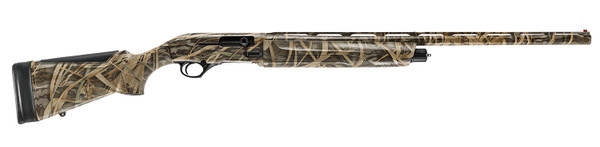
Beretta USA J32OSG28 A300 Ultima Kick-Off 20 Gauge Semi-Auto Shotgun
Beretta USAOUR PRICE: $1,077.99Beretta USA J32OSG28 A300 Ultima KO 20 Gauge Semi-Auto 3" 3+1 28" Overall Mossy Oak Shadow Grass Vent Rib Barrel, Aluminum Drilled & Tapped Receiver, Kick-Off Mossy Oak Shadow Grass Synthetic... -

Langdon Tactical Tech Semi-Auto Beretta 1301 Patrol Shotgun
LANGDON TACTICAL TECHOUR PRICE: $2,698.99Langdon Tactical Tech Semi-Auto Beretta 1301 Patrol Shotgun The Langdon Tactical Tech Beretta 1301 Patrol Shotgun is a high-performance semi-automatic shotgun designed specifically for tactical and... -
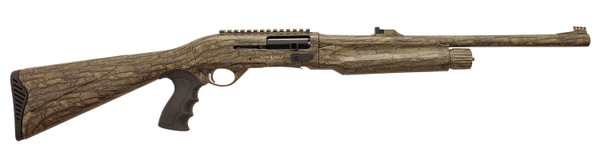
Silver Eagle Arms Alpha A2 12-Gauge Semi-Auto Shotgun with 18.5 Inch Barrel
Silver Eagle ArmsOUR PRICE: $527.99Silver Eagle Arms A21218BLC Alpha 2 12 Gauge Semi-Auto 3" 4+1 18.50" Steel Barrel Fixed Camo Synthetic Stock The Silver Eagle Arms Alpha A2 is a versatile and reliable semi-automatic shotgun... -

Silver Eagle Arms Alpha 2 12 Gauge Semi-Auto Shotgun with 18.5-inch Barrel
Silver Eagle ArmsOUR PRICE: $608.99Silver Eagle Arms A21218BLC-PKG Alpha 2 12 Gauge Semi-Auto 3" 4+1 18.50" Steel Barrel Fixed Camo Synthetic Stock, Konus Scope The Silver Eagle Arms Alpha 2 is a versatile and reliable semi-automatic... -

Beretta USA J42CJ18 A400 Xcel Sporting 12 Gauge Semi-Auto Shotgun with 28-inch Steelium Vent Rib Barrel
Beretta USAOUR PRICE: $2,399.00Beretta USA J42CJ18 A400 Xcel Sporting 12 Gauge Semi-Auto 3" 2+1 28" Aquatech Shield Gray Coating Steelium Vent Rib Barrel, Aquatech Shield Gray Coating Receiver, Fixed Walnut Stock The Beretta USA...
