
Raven Rock Armory
Lever-Action Rifles for Hunting, Range & Sporting Use
Shop lever-action rifles from leading firearm manufacturers at Raven Rock Armory. Compare classic and modern lever guns by chambering, barrel length, magazine capacity, stock material, receiver construction, sights, optics compatibility, muzzle configuration, finish, weight, and factory specifications for hunting, recreational shooting, collecting, and other lawful sporting applications.
Learn more about lever-action rifles, calibers, magazines & features
Lever-action rifles combine manual lever operation with a wide variety of traditional and modern sporting configurations. They are popular for hunting, recreational shooting, collecting, ranch and field use, competition, and general sporting applications. Modern models range from classic wood-stocked rifles to optics-ready platforms equipped with rails, synthetic furniture, threaded barrels, and other contemporary features.
Lever-Action Rifles
A lever-action rifle uses a manually operated lever to cycle the firearm's action. The lever interacts with the bolt, locking system, hammer, carrier, magazine, and other internal components according to the specific design. Operating procedures and safety systems vary by manufacturer.
Choosing a Lever-Action Rifle
- Intended Use: Consider hunting, recreational shooting, collecting, competition, field use, or general sporting applications.
- Chambering: Compare ammunition availability, recoil, intended use, rifle weight, magazine capacity, and manufacturer recommendations.
- Barrel Length: Barrel length affects overall dimensions, balance, weight, sight radius, and cartridge performance.
- Sights & Optics: Compare traditional iron sights, aperture sights, receiver rails, scout rails, or other optic mounting provisions.
- Stock & Furniture: Choose among traditional wood, laminate, synthetic, modern modular, and manufacturer-specific configurations.
Traditional Lever-Action Rifles
Traditional lever guns commonly use wood stocks and forearms, exposed hammers, tubular magazines, open iron sights, and classic receiver profiles.
Modern Lever-Action Rifles
Modern lever rifles may combine traditional actions with synthetic stocks, M-LOK handguards, Picatinny rails, adjustable sights, optics-ready receivers, threaded barrels, enhanced controls, or other contemporary features.
Centerfire Lever-Action Rifles
Centerfire lever rifles are available in numerous cartridges, including traditional revolver cartridges, hunting cartridges, and manufacturer-specific chamberings.
Rimfire Lever-Action Rifles
Rimfire lever rifles are commonly offered in .22 LR, .22 WMR, and other rimfire chamberings depending on manufacturer. They are popular for recreational shooting, training, and lawful small-game hunting.
.22 LR Lever-Action Rifles
.22 LR lever rifles provide traditional handling with relatively mild recoil and are widely used for recreational shooting and general rimfire applications.
.22 WMR Lever-Action Rifles
.22 Winchester Magnum Rimfire is available in selected lever-action platforms and provides another rimfire option for sporting use.
.357 Magnum Lever Rifles
Lever-action rifles chambered in .357 Magnum are widely available. Some models may also be compatible with specific .38 Special ammunition, but compatibility should always be verified from the firearm manufacturer.
.44 Magnum Lever Rifles
.44 Magnum lever guns are available in hunting, recreational, and traditional sporting configurations. Barrel length, capacity, stock, and receiver design vary between models.
.45 Colt Lever Rifles
.45 Colt is frequently found in traditional-style lever rifles, including models inspired by historical sporting designs.
.30-30 Winchester Rifles
.30-30 Winchester remains one of the best-known traditional lever-rifle chamberings and continues to be offered in hunting and sporting rifle configurations.
.45-70 Government Rifles
.45-70 Government is commonly offered in larger lever-action rifles intended for hunting and general sporting use. Rifle weight, ammunition, stock design, and recoil characteristics should be considered.
Other Lever-Action Chamberings
Manufacturers produce lever rifles in additional cartridges. Always verify the chamber marking, magazine requirements, and ammunition compatibility for the exact firearm.
Pistol-Caliber Lever Rifles
Lever rifles chambered in traditional handgun cartridges are popular for recreational shooting, collecting, competition, and certain hunting applications where permitted.
Rifle-Caliber Lever Actions
Larger lever-action platforms may use cartridges traditionally associated with hunting rifles. Receiver size, action design, magazine system, and rifle weight can differ substantially from pistol-caliber lever guns.
Tubular Magazines
Many lever-action rifles store cartridges in a tubular magazine positioned beneath the barrel. Capacity depends on cartridge length, barrel length, magazine-tube length, and manufacturer configuration.
Detachable-Magazine Lever Rifles
Some lever-action designs use detachable magazines rather than traditional tubular magazines. Magazine compatibility is specific to the rifle and chambering.
Internal Box Magazines
Certain lever rifles use internal box-style magazines designed for particular cartridge families.
Magazine Capacity
Capacity varies by cartridge, magazine type, barrel and tube length, model configuration, and jurisdiction.
Side Loading Gates
Many centerfire lever-action rifles use a receiver-mounted loading gate for loading cartridges into the tubular magazine.
Front-Loading Magazine Tubes
Some lever rifles provide access to the tubular magazine through a removable or movable inner magazine tube rather than a receiver loading gate.
Lever Loops
Lever loops vary in size, shape, material, and geometry. Standard, large-loop, and manufacturer-specific designs are available.
Large-Loop Lever Actions
Large-loop levers provide additional space within the lever loop. Exact dimensions and ergonomic benefits vary by shooter and firearm.
Standard Lever Loops
Traditional lever loops generally maintain a compact profile and are common across classic sporting rifle designs.
Exposed Hammers
Many lever-action rifles use an external hammer. Hammer positions, safeties, rebounding mechanisms, transfer bars, and operating procedures vary by manufacturer.
Hammer Extensions
Some rifles or optic configurations may use manufacturer-approved hammer extensions to provide improved access to the hammer spur. Compatibility should be verified for the exact rifle.
Safety Systems
Lever rifles may use cross-bolt safeties, tang safeties, transfer bars, hammer blocks, rebounding hammers, or other systems depending on manufacturer and model.
Cross-Bolt Safeties
Some modern lever rifles include receiver-mounted cross-bolt safety controls.
Tang Safeties
Certain lever-action models use a safety located on the upper rear portion of the receiver or tang.
Receiver Construction
Receivers may be constructed from carbon steel, stainless steel, alloy, brass-colored materials, or other manufacturer-specified materials.
Steel Receivers
Steel receiver construction is common across many traditional and modern lever-action rifle families.
Stainless Steel Rifles
Stainless components are available on selected field and hunting rifles and may provide improved resistance to corrosion compared with some untreated carbon-steel surfaces.
Brass-Style Receivers
Certain traditional lever rifles feature brass or brass-colored receiver construction for a distinctive classic appearance. Exact materials should be confirmed from manufacturer specifications.
Barrel Length
Lever-action barrel lengths range from compact carbine configurations to longer sporting and hunting rifles. Barrel length affects weight, balance, capacity, sight radius, and overall dimensions.
Carbine-Length Lever Rifles
Compact lever-action carbines use shorter barrels and generally provide reduced overall length compared with longer sporting configurations.
Long-Barrel Lever Rifles
Longer barrels may increase sight radius and magazine-tube length while also increasing overall weight and dimensions.
Octagonal Barrels
Certain traditional-style lever rifles use octagonal barrel profiles inspired by historical sporting firearms.
Round Barrels
Round barrel profiles are common on both modern and traditional lever-action rifles.
Threaded Barrels
Some contemporary lever rifles include factory-threaded muzzles. Thread pitch and accessory compatibility should be verified for the exact caliber and model.
Muzzle Devices
Modern rifles may include thread protectors, brakes, or other manufacturer-installed muzzle components depending on configuration.
Wood Stocks
Walnut, hardwood, and laminate stocks remain common on traditional lever rifles. Wood grain, color, figure, and finish can vary.
Synthetic Stocks
Polymer and composite stocks are available on selected modern lever-action rifles and can provide reduced maintenance and resistance to environmental exposure.
Laminate Stocks
Laminated wood stocks use bonded layers of wood and are available in traditional and contemporary color patterns.
Modern Modular Furniture
Some current-production lever guns use aluminum handguards, accessory rails, adjustable rear furniture, or other modular components.
Traditional Forends
Wood or synthetic forearms provide the forward gripping surface on many traditional lever guns.
M-LOK Handguards
Selected modern lever-action rifles use M-LOK-compatible handguards for mounting compatible sporting accessories.
Picatinny Rails
Picatinny rails may be included on the receiver, handguard, or other factory mounting surfaces depending on the rifle.
Traditional Iron Sights
Lever-action rifles commonly use a front blade or bead paired with an open rear sight.
Buckhorn Sights
Buckhorn and semi-buckhorn rear sights are associated with many traditional lever-rifle configurations.
Aperture Sights
Receiver-mounted or tang-mounted aperture sights are available on selected lever-action rifles and aftermarket configurations.
Fiber-Optic Sights
Some contemporary lever rifles use fiber-optic sight elements to improve visibility under suitable lighting conditions.
Optics-Ready Lever Rifles
Modern rifles may include receiver rails, drilled-and-tapped receivers, scout rails, or other mounting provisions for scopes and red-dot sights.
Receiver-Mounted Scopes
Certain lever-action receiver designs allow conventional scope mounting directly above the action.
Scout-Style Optic Mounts
Some lever rifles provide forward-mounted rails suitable for compatible long-eye-relief optics or red-dot sights.
Red-Dot Sights
Red-dot optics can be used on lever rifles equipped with a compatible mounting interface.
Rifle Scopes
Hunting scopes can be paired with compatible lever rifles when the receiver and ejection design provide appropriate mounting options.
Ejection Design
Lever-action rifles may eject from the side, top, or another location depending on action design. Ejection pattern can influence optic-mounting options.
Trigger Systems
Trigger pull weight, shape, travel, and internal design vary by manufacturer. Any adjustments should follow manufacturer guidance.
Lever-Action Ergonomics
Stock shape, lever-loop size, receiver dimensions, trigger reach, balance, sight placement, and overall weight influence how a lever rifle fits an individual shooter.
Length of Pull
Length of pull varies between compact carbines and full-size rifles and should be considered when evaluating overall fit.
Rifle Weight
Weight depends on barrel length, receiver material, stock, handguard, magazine, sights, optic, and installed accessories.
Lightweight Lever Rifles
Lightweight rifles can be easier to carry in the field but may provide different recoil and balance characteristics than heavier models.
Heavy-Barrel & Large-Caliber Rifles
Large-frame lever guns or rifles chambered for larger cartridges may weigh substantially more than compact pistol-caliber or rimfire models.
Recoil
Perceived recoil depends on cartridge, ammunition, rifle weight, stock fit, recoil pad, muzzle device, and individual shooter factors.
Recoil Pads
Some lever rifles include rubber or synthetic recoil pads. Construction, thickness, and shape vary by model.
Hunting Lever Rifles
Lever-action rifles are available in chamberings suitable for various lawful hunting applications. Hunters should verify current species, season, cartridge, magazine, and firearm requirements.
Brush & Woods Rifles
Compact lever rifles are often selected by hunters who value relatively short overall dimensions and traditional handling in wooded or field environments.
Range & Recreational Rifles
Pistol-caliber and rimfire lever guns are popular for recreational shooting because of their traditional operation and broad selection of available configurations.
Cowboy-Action-Style Rifles
Traditional lever rifles are used in several historical and competition-oriented shooting disciplines. Competition rules may specify allowable models, calibers, features, and configurations.
Collectible Lever Rifles
Lever-action rifles have a long history in American sporting firearms and remain popular among collectors. Current-production replicas, commemorative models, historical patterns, and premium finishes may appeal to different collectors.
Classic vs. Modern Lever Guns
Classic configurations emphasize traditional materials and styling, while modern lever rifles may incorporate accessory rails, synthetic furniture, optics mounting, threaded muzzles, and updated controls.
Ammunition Compatibility
Use only ammunition specifically approved for the exact firearm. Cartridges that share bullet diameters or similar names are not automatically interchangeable.
Cartridge Shape & Tubular Magazines
Ammunition recommendations can depend on magazine design and firearm configuration. Follow the manufacturer's guidance for approved cartridge types and projectile configurations.
+P & Higher-Pressure Ammunition
Higher-pressure ammunition should only be used when specifically approved by the manufacturer for the exact rifle and chambering.
Cleaning a Lever-Action Rifle
Follow the manufacturer's owner's manual for unloading, bore cleaning, action maintenance, lubrication, inspection, and reassembly.
Action Maintenance
Lever-action mechanisms include multiple moving and locking components that should be inspected and maintained according to manufacturer recommendations.
Lever & Pivot Maintenance
Lever pivots, locking surfaces, carrier components, bolts, and other moving parts should receive only the cleaning and lubrication recommended by the manufacturer.
Magazine-Tube Maintenance
Tubular magazine components should be kept clean and inspected according to firearm-manufacturer guidance.
Wood Furniture Care
Avoid exposing wood stocks and forearms to excessive moisture, aggressive solvents, or prolonged heat. Follow finish-specific care recommendations when available.
Corrosion Prevention
Steel, stainless, wood, alloy, and coated surfaces still benefit from appropriate cleaning, dry storage, and routine inspection.
Lever-Rifle Storage
Lever-action rifles should be stored securely according to applicable law, household circumstances, manufacturer guidance, and responsible firearm-storage practices.
Rifle Cases
Soft and hard rifle cases are available in different lengths and configurations. Account for optics, muzzle devices, large-loop levers, and installed accessories.
Gun Safes
Long-gun safes and other secure storage systems provide controlled firearm access and organized storage.
Transporting Lever-Action Rifles
Transportation laws vary by jurisdiction and destination. Review applicable firearm, ammunition, vehicle, and case requirements before travel.
Hunting Regulations
Hunting laws may regulate firearm type, cartridge, magazine capacity, season, species, and other factors. Verify current rules before hunting.
FFL Transfer Requirements
Lever-action rifles purchased online generally must be transferred through a federally licensed firearms dealer when required by applicable law. Buyer eligibility and transfer procedures depend on the transaction and jurisdiction.
State & Local Restrictions
Firearm, magazine, hunting, transfer, and possession requirements vary by jurisdiction and may change over time. Buyers should verify current applicable rules before ordering.
Compare Exact Model, SKU & UPC
Lever-action rifles with similar names may differ by chambering, barrel length, magazine capacity, receiver material, stock, sights, optic rail, muzzle threading, finish, included accessories, or distributor configuration. Verify the exact manufacturer model number, SKU, UPC, and specifications.
Always Verify Manufacturer Specifications
Lever-action rifle chambering, barrel length, capacity, magazine system, receiver construction, stock, sights, optics compatibility, trigger, muzzle configuration, weight, finish, included equipment, ammunition requirements, and legal configuration vary by manufacturer and model. Always review the current manufacturer's specifications for the exact rifle being considered.
Filter By
Products List
-

Savage Revel Tactical 22 LR 18-Inch Lever-Action Rifle w/ MDT Adjustable Comb Stock
SavageOUR PRICE: $626.99Savage Arms 46040 Revel Tactical 22 LR 12+1 18" Black Threaded Barrel, Black Receiver w/Picatinny Rail, M-LOK Handguard, Black MDT Adj Comb Polymer Stock The Savage Revel Tactical is a .22 LR... -

Savage Revel Tactical Lever-Action Rifle 22 WMR 18-Inch Black MDT Adjustable Comb Stock
SavageOUR PRICE: $635.99Savage Arms 46140 Revel Tactical 22 WMR 9+1 18" Black Threaded Barrel, Black Receiver w/Picatinny Rail, M-LOK Handguard, Black MDT Adj Comb Polymer Stock The Savage Revel Tactical is a lever-action... -

Savage Revel Tactical Lever-Action Rifle 17 HMR 18-Inch Black
SavageOUR PRICE: $635.99Savage Arms 46240 Revel Tactical 17 HMR 9+1 18" Black Threaded Barrel, Black Receiver w/Picatinny Rail, M-LOK Handguard, Black MDT Adj Comb Polymer Stock The Savage Revel Tactical is a modern... -

Rossi R92 Triple Black .44 Magnum Lever-Action Rifle / 16.5-Inch Threaded Barrel
RossiOUR PRICE: $1,280.99Rossi 44 Mag 8+1 16.50" Black Cerakote Alloy Steel Threaded Barrel & Drilled & Tapped Receiver, Black Fixed Wood Stock The Rossi R92 Triple Black is a versatile and durable lever-action rifle... -
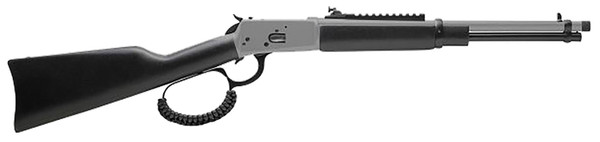
Rossi R92 44 Magiber Lever-Action Rifle / 16.5-inch Threaded Barrel / Black Cerakote Finish
RossiOUR PRICE: $938.99ROSSI R92 Bolt Action Rifle 44 MAG 16.5 8R The Rossi R92 44 Mag lever-action rifle is designed for durability and performance in all weather conditions, making it an excellent choice for hunting,... -

Derya RAN.18.45 Lever-Action Rifle with 18-Inch Threaded Barrel and Steel Receiver
DERYA FIREARMSOUR PRICE: $876.99The Derya RAN is a lever-action rifle chambered in 45 Long Colt, designed for reliable performance and modern firearm enthusiasts. Featuring an 18-inch threaded barrel, steel receiver, and a black... -

DERYA RAN Lever-Action Rifle in 45 Long Colt with 20-Inch Threaded Barrel and Walnut Stock
DERYA FIREARMSOUR PRICE: $712.99The DERYA RAN is a lever-action rifle chambered in 45 Long Colt, designed for reliable performance and classic styling. Featuring a durable steel receiver and a 20-inch threaded barrel, this rifle... -
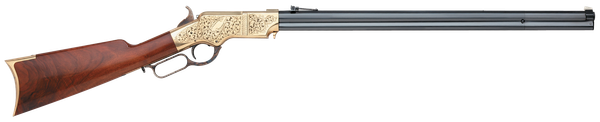
Taylors and Company 1860 Henry Lever Action Rifle in 45 Colt with Walnut Stock and Octagon Barrel
Taylors and CompanyOUR PRICE: $2,022.99The Taylor’s & Company 1860 Henry Brass Engraved .45 Colt combines the unmistakable profile of the historic Henry lever-action rifle with an ornate engraved brass receiver and classic walnut stock... -
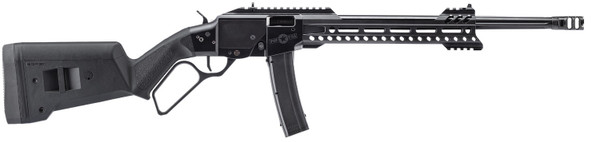
Patriot Ordnance Factory Tombstone 9mm Luger Lever-Action Rifle
Patriot Ordnance FactoryOUR PRICE: $1,236.99Patriot Ordnance Factory 02543 Tombstone 9mm Luger 20+1 16.50" Black Fluted Threaded Barrel, Black Aluminum Receiver w/Picatinny Rail, M-LOK Handguard, Magpul SGA Black Synthetic Stock The Patriot... -

Italian Firearms Group Pedersoli 1874 Sharps Cavalry .45-70
ITALIAN FIREARMS GROUPOUR PRICE: $2,133.99PEDERSOLI 010S775457 1874 SHARPS CAVALRY 45/70 The Italian Firearms Group Pedersoli 1874 Sharps Cavalry in .45-70 caliber is a historically inspired lever-action rifle designed for enthusiasts and... -

Italian Firearms Group Pedersoli 1874 Q Down Under .45-70 Rifle
ITALIAN FIREARMS GROUPOUR PRICE: $2,977.99PEDERSOLI 010S789457 1874 Q DOWN UNDER 45/70 The Italian Firearms Group Pedersoli 1874 Q Down Under in .45-70 caliber is a high-quality lever-action rifle designed for enthusiasts who appreciate... -
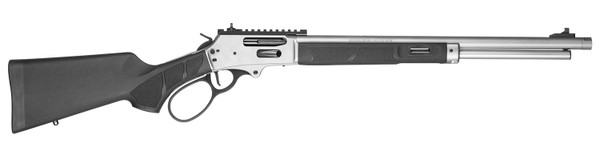
Smith & Wesson Model 1854 Lever-Action Rifle 30-30 Win 20-Inch Threaded Barrel Stainless Steel Receiver M-LOK Forend
Smith and WessonOUR PRICE: $1,299.00Smith & Wesson 14205 1854 30-30 Win 6+1 20" Stainless Threaded Barrel, Stainless Steel Receiver s/Picatinny Rail, M-LOK Forend, Black Fixed Synthetic Stock The Smith & Wesson Model 1854 lever-action... -
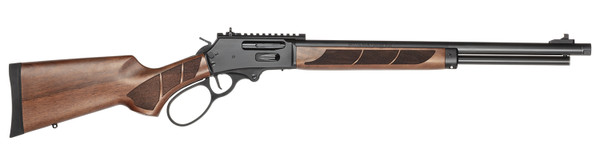
Smith & Wesson M1854 Lever Action Rifle 30-30 Win 20-Inch Threaded Barrel Stainless Steel Receiver Walnut Stock
Smith and WessonOUR PRICE: $1,399.00Smith & Wesson 14385 1854 30-30 Win 6+1 20" Black Armornite Threaded Barrel, Black Armornite Stainless Steel Receiver w/Picatinny Rail, Walnut Fixed Stock The Smith & Wesson M1854 is a reliable... -

Henry Spirit of the Corps 45-70 Lever-Action Rifle with Brass Receiver and 22-Inch Octagon Barrel
HenryOUR PRICE: $2,021.99Henry H010BGMC Spirit Of The Corps 45-70 Gov 4+1 22" Black Octagon Barrel, Nickel Engraved w/24K Gold Inlay Brass Drilled & Tapped Receiver, American Walnut Straight Stock Henry Spirit of the Corps... -
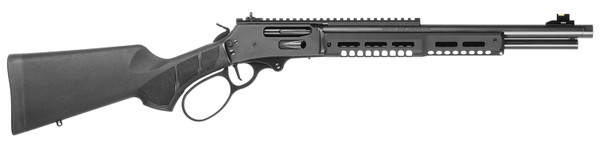
Smith & Wesson S&W 1854 Lever-Action Rifle 30-30 Win 16.5-inch Threaded Barrel 5+1 Capacity
Smith and WessonOUR PRICE: $1,399.00Smith & Wesson 14454 1854 Stealth Hunter 30-30 Win 5+1 16.50" Black Armornite Threaded Barrel, Black Anodized Stainless Steel Receiver w/Picatinny Rail, M-LOK Forend, Black Synthetic Fixed Stock The... -
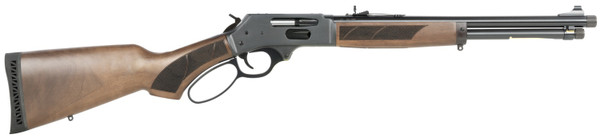
Henry Protector Carbine 30-30 Win Lever Action Rifle with 16.5-inch Threaded Barrel
HenryOUR PRICE: $1,075.99Henry H009PGR3030 Protector Carbine 30-30 Win 4+1 16.50" Blued Threaded Barrel, Blued Steel Drilled & Tapped Receiver, American Walnut Fixed w/Pistol Grip Stock The Henry Protector Carbine is a... -
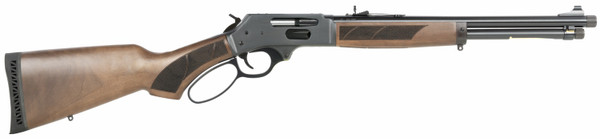
Henry H010PGR4570 Protector Carbine .45-70 Government Lever Action Rifle
HenryOUR PRICE: $1,075.99Henry H010PGR4570 Protector Carbine 45-70 Gov 4+1 16.50" Blued Threaded Barrel, Blued Steel Drilled & Tapped Receiver, American Walnut Fixed w/Pistol Grip Stock The Henry H010PGR4570 Protector... -
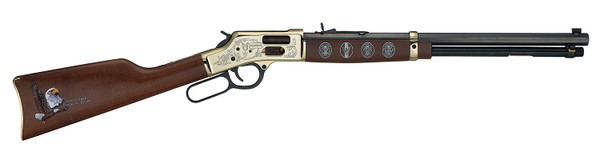
Henry H006GES2 Eagle Scout Centennial Tribute Lever Action Rifle 44 Special 20-inch Octagon Barrel
HenryOUR PRICE: $1,508.99Henry H006GES2 Eagle Scout Centennial Tribute 2nd Edition 44 Special/44 Mag 10+1 20" Blued Octagon Barrel, Polished Brass w/Nickel Plating Drilled & Tapped Receiver, American Walnut Straight... -
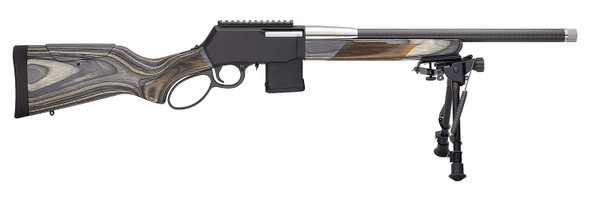
Henry H023-223XCF SPD Predator .223 Rem/5.56 NATO Lever Action Rifle with 18-inch Threaded Barrel and Adjustable Match Trigger
HenryOUR PRICE: $2,082.99Henry H023-223XCF SPD Predator 223 Rem/5.56 NATO 10+1 18" Carbon Fiber Threaded Barrel, Black Anodized Drilled & Tapped Receiver, Harris S-LM Bipod Forend, Adj Cheek Riser w/Pistol Grip Laminate... -
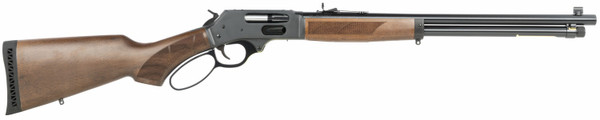
Henry Provider Rifle 20-Inch 360 Buckhammer 6-Round Lever-Action
HenryOUR PRICE: $1,020.99Henry H009PG360 Provider 360 Buckhammer 6+1 20" Blued Round Barrel, Blued Steel Drilled & Tapped Receiver, American Walnut Fixed w/Pistol Grip Stock The Henry Provider rifle features a 20-inch round... -

Henry Provider Rifle 38-55 Winchester 20-Inch Lever Action
HenryOUR PRICE: $1,020.99Henry H009PG3855 Provider 38-55 Win 6+1 20" Blued Round Barrel, Blued Steel Drilled & Tapped Receiver, American Walnut Fixed w/Pistol Grip Stock The Henry Provider rifle features a 20-inch round... -
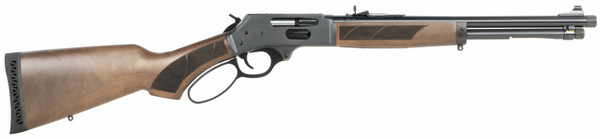
Henry Protector Carbine 16.5-inch Threaded Barrel 360 Buckhammer
HenryOUR PRICE: $1,075.99Henry H009PGR360 Protector Carbine 360 Buckhammer 4+1 16.50" Blued Threaded Barrel, Blued Steel Drilled & Tapped Receiver, American Walnut Fixed w/Pistol Grip Stock The Henry Protector Carbine... -

Henry Provider Rifle 45-70 Government 20-Inch Lever Action
HenryOUR PRICE: $1,020.99Henry H010PG4570 Provider 45-70 Gov 6+1 20" Blued Round Barrel, Blued Steel Drilled & Tapped Receiver, American Walnut Fixed w/Pistol Grip Stock The Henry Provider rifle features a durable round... -
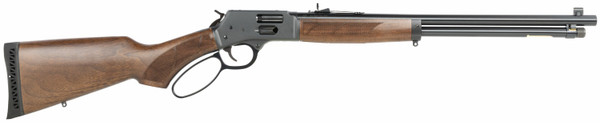
Henry Provider Rifle 44 Magnum 10-Round 20-Inch Lever Action
HenryOUR PRICE: $1,020.99Henry H012PG44M Provider 44 Mag/44 Special 10+1 20" Blued Round Barrel, Blued Steel Drilled & Tapped Receiver, American Walnut Fixed w/Pistol Grip Stock The Henry Provider Rifle in 44 Magnum offers a... -
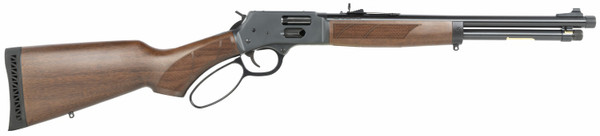
Henry Protector Carbine .44 Magnum and .44 Special Lever-Action Rifle
HenryOUR PRICE: $1,075.99Henry H012PGR44M Protector Carbine 44 Special 44 Mag 7+1 16.50" Blued Threaded Barrel, Blued Steel Drilled & Tapped Receiver, American Walnut Fixed w/Pistol Grip Stock The Henry Protector Carbine... -
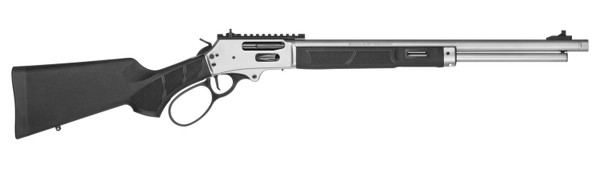
Smith & Wesson Model 1854 Lever-Action Rifle 20-Inch 360 Buckhammer
Smith and WessonOUR PRICE: $1,299.00Smith & Wesson 14206 1854 360 Buckhammer 6+1 20" Stainless Steel Threaded Barrel & Receiver w/Picatinny Rail, M-LOK Handguard, Black Fixed Synthetic Stock The Smith & Wesson Model 1854 is a... -

Taylors and Company 1860 Henry Lever Action Rifle 45 Colt 13-Round
Taylors and CompanyOUR PRICE: $1,866.99Taylors & Company 550285 1860 Henry Henry Full Size 45 Colt (Long Colt) 13+1 24.25" Blued Octagon Barrel, Brass Receiver, Walnut Fixed Stock, Right Hand The Taylors and Company 1860 Henry lever... -

Winchester Model 94 Short Rifle 30-30 Win Lever Action Rifle 20 Inch Satin Walnut
Winchester GunsOUR PRICE: $1,244.99The Winchester Model 94 Short Rifle brings timeless lever-action character to a practical, field-ready design. Chambered in 30-30 Winchester, this full-size rifle pairs classic handling with a...
