
Raven Rock Armory
Break-Action Handguns & Single-Shot Pistols
Shop break-action handguns and single-shot pistols at Raven Rock Armory. Compare rimfire and centerfire models by chambering, barrel length, frame construction, sights, grip design, trigger system, finish, overall dimensions, weight, optic provisions, and manufacturer configuration for target shooting, hunting, field use, collecting, and other lawful applications.
Learn more about break-action handguns, chamberings & configurations
Break-action handguns use a hinged action that opens to expose the chamber or chambers for loading, unloading, and inspection. Depending on the model, these firearms may be designed as single-shot pistols, multi-barrel handguns, hunting pistols, target firearms, or specialty platforms. Exact action design, chambering, sights, trigger system, and safety features vary by manufacturer.
Break-Action Handguns
A break-action firearm uses a hinged barrel or barrel assembly that pivots away from the breech when unlocked. This provides direct access to the chamber. The latch, hinge, extractor, ejector, hammer, and safety system depend on the individual firearm design.
Choosing a Break-Action Handgun
- Intended Use: Consider recreational target shooting, hunting, field use, collecting, training, or other lawful applications.
- Chambering: Compare ammunition availability, recoil, firearm size, and manufacturer-approved cartridges.
- Barrel Length: Longer barrels generally increase overall dimensions and sight radius, while shorter barrels provide a more compact package.
- Sights: Compare fixed sights, adjustable sights, scope bases, rails, or other factory optic provisions.
- Ergonomics: Grip shape, firearm weight, balance, trigger reach, and control placement can influence comfort and handling.
Single-Shot Pistols
Single-shot pistols contain one chamber and are manually loaded between shots. Their relatively simple design is commonly used in target, hunting, field, and specialty handgun configurations.
Multi-Barrel Break Actions
Some break-action handguns use two or more barrels. Firing sequence, barrel selection, extraction, and safety operation are specific to the firearm and should be understood from the owner's manual.
Hunting Handguns
Hunting-oriented break-action pistols may use longer barrels, larger centerfire chamberings, adjustable sights, scope mounts, or heavier frames. Hunters should verify current firearm and cartridge regulations for the location and game being pursued.
Target Pistols
Target-oriented models may emphasize longer sight radius, adjustable sights, ergonomic grips, refined triggers, or optic mounting provisions.
Rimfire Break-Action Pistols
Rimfire models may be chambered in .22 LR, .22 WMR, or other cartridges depending on the manufacturer. They may be suitable for recreational target shooting and other lawful applications.
Centerfire Break-Action Pistols
Centerfire models are offered in numerous chamberings ranging from traditional handgun cartridges to some rifle cartridges depending on the firearm platform.
.22 LR Single-Shot Pistols
.22 LR single-shot pistols generally provide relatively low recoil and can be useful for target shooting, recreational range use, and introductory marksmanship.
.22 WMR Pistols
.22 Winchester Magnum Rimfire provides another rimfire option in compatible break-action platforms. Use only ammunition specifically approved for the firearm.
Centerfire Handgun Cartridges
Depending on manufacturer and model, break-action pistols may be offered in cartridges commonly associated with revolvers or semi-automatic handguns.
Rifle-Cartridge Pistols
Certain specialty single-shot handgun platforms have been produced in centerfire rifle cartridges. These firearms can differ substantially from typical defensive handguns in size, recoil, barrel length, weight, and intended use.
Interchangeable-Barrel Platforms
Some break-action handgun systems have historically supported compatible interchangeable barrels or caliber configurations. Compatibility must be verified using the exact frame, barrel, model, and manufacturer specifications.
Barrel Length
Break-action handgun barrels can range from compact designs to relatively long specialty hunting or target configurations. Barrel length influences overall size, sight radius, balance, and cartridge performance.
Heavy Barrels
Target and hunting pistols may use heavier barrel profiles that add firearm weight and change balance compared with lightweight configurations.
Fluted Barrels
Certain models may use fluted barrel profiles. Fluting can alter appearance, weight, and surface area depending on the design.
Threaded Barrels
Some modern break-action pistols may use threaded muzzles. Thread pitch, shoulder dimensions, factory configuration, and accessory compatibility should be verified for the exact firearm.
Break-Action Hinges
The hinge or pivot joins the barrel assembly to the frame and allows the action to open. It should be maintained and inspected according to manufacturer recommendations.
Locking Systems
When closed, break-action firearms use a locking mechanism to secure the barrel assembly to the frame. Locking surfaces, lugs, bolts, and release controls differ by model.
Barrel Release Controls
The action may open through a lever, latch, button, or another manufacturer-specific control. Owners should follow the firearm manual for the correct procedure.
Extractors
Extractors lift fired cases or cartridges partially from the chamber when the action is opened, allowing them to be removed.
Ejectors
Certain break-action firearms use spring-powered ejectors that can automatically move fired cases farther from the chamber when the firearm is opened. Exact operation varies.
External Hammers
Many break-action handguns use exposed hammers that may require manual cocking. Hammer positions, safety systems, and operating procedures vary by firearm.
Internal Hammer Systems
Some designs use enclosed firing components without a conventional exposed hammer. The manufacturer's owner's manual should be used to understand operation.
Single-Action Triggers
A number of break-action pistols use single-action trigger systems. Trigger weight, travel, and hammer operation vary significantly between platforms.
Trigger Characteristics
Trigger pull weight, shape, reach, break, and overtravel can differ among hunting, target, compact, and general-purpose break-action handguns.
Manual Safeties
Some models use external safety levers, while others rely on different internal or hammer-related safety systems. Mechanical safeties never replace responsible firearm handling.
Transfer-Bar Safety Systems
Certain hammer-fired designs use transfer bars or related internal systems. Exact function should be understood from the firearm manufacturer's instructions.
Frame Materials
Frames may use steel, stainless steel, aluminum alloy, polymer components, or combinations of materials depending on the firearm.
Steel Frames
Steel construction can provide substantial strength and may also increase overall firearm weight compared with some alloy designs.
Stainless Steel
Stainless components can provide increased corrosion resistance, though stainless firearms still require proper cleaning, lubrication, and storage.
Alloy Frames
Aluminum or other alloys may be used to reduce firearm weight. Other structural components can still use steel or different materials.
Grip Materials
Grips may be constructed from wood, laminate, polymer, rubber, synthetic materials, or other materials depending on the handgun.
Wood Grips
Wood grips provide traditional styling and are available in different contours, textures, finishes, and dimensions.
Rubber & Synthetic Grips
Rubberized or synthetic grips may provide additional texture, weather resistance, or cushioning depending on design.
Grip Shape
Hunting and target pistols may use relatively large or ergonomically shaped grips, while compact models generally use smaller grips to reduce overall dimensions.
Firearm Weight
Break-action handgun weight varies substantially by frame material, barrel profile, chambering, barrel length, optics, and other accessories.
Balance
Longer or heavier barrels can shift firearm balance forward. Grip construction, frame weight, optics, and accessories can also affect overall handling.
Recoil
Perceived recoil depends on cartridge, ammunition load, firearm weight, grip shape, barrel configuration, and individual shooter factors.
Iron Sights
Break-action pistols may use fixed or adjustable iron sights depending on their intended application.
Adjustable Sights
Hunting and target models may include windage- and elevation- adjustable rear sights for use with compatible ammunition.
Fiber-Optic Sights
Some modern models may incorporate fiber-optic elements for increased sight visibility under appropriate lighting.
Optics-Ready Handguns
Certain specialty pistols include rails, drilled-and-tapped receivers, or factory optic bases for compatible scopes or red-dot sights.
Handgun Scopes
Hunting and specialty handguns may use optics specifically designed for longer eye relief. Verify mounting-system and optic compatibility with the firearm manufacturer.
Red-Dot Sights
Compatible red-dot sights may be used on models equipped with the appropriate factory or aftermarket mounting interface.
Optic Mounting Rails
Factory rails may use Picatinny, Weaver-style, or proprietary interfaces. Confirm the exact rail and ring or mount compatibility.
Finish Options
Break-action handguns may be offered with blued, stainless, matte, polished, Cerakote, anodized, case-colored, or other manufacturer-specific finishes.
Corrosion Resistance
Base material, surface finish, environmental exposure, moisture, perspiration, cleaning, and storage all influence corrosion resistance.
Ammunition Compatibility
Use only the exact ammunition approved for the firearm by the manufacturer. Similar cartridge names or dimensions do not make cartridges interchangeable.
Chamber Markings
The barrel or firearm normally identifies the chambering. Product listings and manufacturer documentation should also be checked before selecting ammunition.
+P & Higher-Pressure Ammunition
Higher-pressure ammunition should be used only if specifically authorized by the manufacturer for the exact firearm and chambering.
Shotshell & Combination Chamberings
Some specialty break-action handguns may be designed for particular shotshell or combination-cartridge configurations. Use only ammunition specifically identified as compatible by the manufacturer.
Cleaning Break-Action Pistols
Follow the owner's manual when cleaning the bore, chamber, breech face, extractor or ejector, hinge, locking surfaces, frame, grip, sights, and exterior finish.
Hinge Maintenance
Hinge and pivot areas should be inspected and lubricated only as recommended by the firearm manufacturer.
Locking-Surface Inspection
The firearm should close and lock according to the manufacturer's design. Suspected looseness, damage, or improper lockup should be evaluated by qualified personnel.
Extractor & Ejector Inspection
Extractor and ejector components should be kept clean and inspected for damage or abnormal operation according to manufacturer guidance.
Cleaning Optics & Mounts
If optics are installed, follow the optic manufacturer's instructions for lens cleaning, battery maintenance, mount inspection, and storage.
Firearm Storage
Break-action handguns should be stored securely in accordance with applicable law, household circumstances, manufacturer instructions, and responsible firearm-storage practices.
Gun Cases
Cases can help protect firearms from impacts, dust, and handling during storage or transport. Ensure the case fits the full handgun configuration, including mounted optics when applicable.
Handgun Safes
Secure handgun safes and security containers are available in different sizes and locking systems for controlled firearm storage.
Transporting Break-Action Handguns
Transportation requirements vary by jurisdiction and destination. Appropriate cases, secure storage methods, and current applicable laws should be reviewed before travel.
Hunting Regulations
Handgun hunting rules vary by state, season, species, cartridge, barrel length, and other factors. Always verify current regulations for the specific hunt.
Legal Classification
Firearm classification depends on the exact factory configuration and applicable law. Do not determine legal status solely from appearance, barrel shape, grip style, or product nickname.
FFL Transfer Requirements
Break-action handguns purchased online generally must be transferred through a federally licensed firearms dealer when required by applicable law. Eligibility and transfer requirements depend on the buyer, firearm, transaction, and jurisdiction.
State & Local Restrictions
Handgun, ammunition, transfer, hunting, and possession restrictions vary by state and locality and may change over time. Buyers should verify applicable requirements before ordering.
Compare Exact Model, SKU & UPC
Similar break-action handguns can differ by chambering, barrel length, frame, grip, sights, optic rail, finish, trigger, included components, or distributor package. Verify the exact manufacturer model number, SKU, UPC, and current specifications.
Always Verify Manufacturer Specifications
Chambering, barrel length, action design, frame construction, trigger system, sights, optic compatibility, grip, weight, finish, ammunition requirements, included accessories, and legal configuration vary by manufacturer and model. Always review the current manufacturer's specifications for the exact firearm being considered.
Filter By
Products List
-

CVA Scout XP Break Open Action Pistol in .223 Rem / Graphite Black Finish / 11.5-inch Threaded Barrel
CVAOUR PRICE: $534.99The CVA Scout XP Pistol in .223 Remington offers a compact and balanced firearm designed for precision and maneuverability. Built with a modern Scout design, it features a break-open action and a... -

CVA Scout XP Break Open Action Pistol in 300 Blackout with Graphite Black Finish
CVAOUR PRICE: $534.99The CVA Scout XP Pistol is a compact, balanced firearm designed for modern shooting needs. Featuring a 11.5-inch threaded, fluted barrel and a break-open action, this pistol offers reliable... -
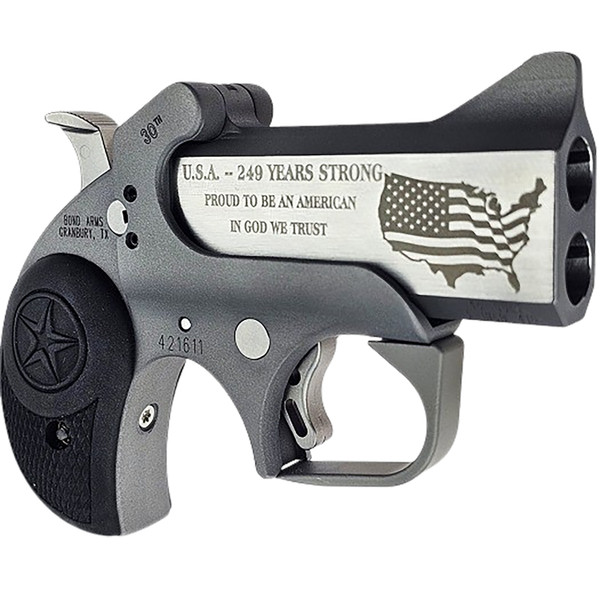
Bond Arms 30th Anniversary BA30TH-45LC/410 .45 Long Colt/.410 Gauge Double Barrel Handgun
Bond ArmsOUR PRICE: $272.99Bond Arms BA30TH-45LC/410 30th Anniversary 45 Colt (Long Colt)/410 Gauge 2 Shot 3" Engraved Matte Stainless Steel Barrel & Rough Matte Stainless Steel Frame, Black Rubber Grips The Bond Arms 30th... -
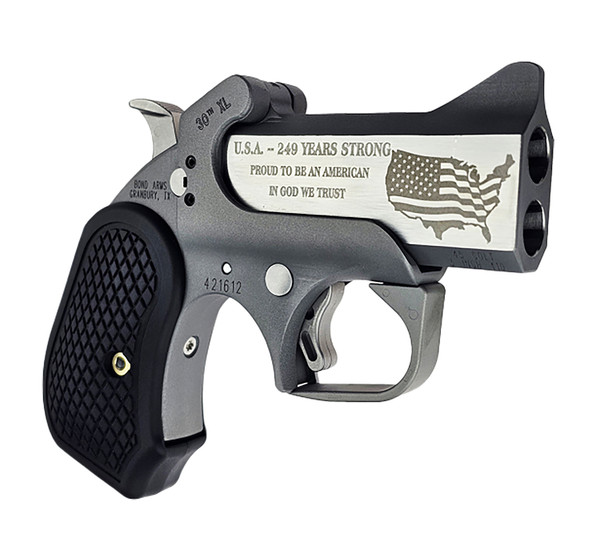
Bond Arms 30th XL .45 Long Colt/.410 Double Barrel Handgun with 3-inch Barrel
Bond ArmsOUR PRICE: $305.99Bond Arms BA30THXL-45LC/410 30th Anniversary XL 45 Colt (Long Colt)/410 Gauge 2 Shot 3" Engraved Matte Stainless Steel Barrel & Rough Matte Stainless Steel Frame, Black Extended B6 Resin Grips The... -

Bond Arms 30th Anniversary BA30THVET-45LC/410 .45 Long Colt / .410 Shotgun Double Barrel Pistol
Bond ArmsOUR PRICE: $433.99Bond Arms BA30THVET-45LC/410 30th Vet 45 Colt (Long Colt)/410 Gauge 2 Shot 4.25" Engraved Rough Matte Stainless Steel Barrel & Frame, Black Rubber Grip The Bond Arms 30th Anniversary... -
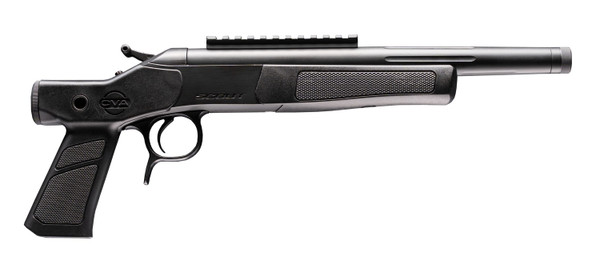
CVA Scout XP Break Action Pistol 350 Legend Stainless Steel Black
CVAOUR PRICE: $534.99CVA Scout XP Pistol 350 Legend Stainless Steel Black The CVA CP804 Scout XP Pistol is a reliable firearm designed for precision and durability, featuring a stainless steel barrel and a black finish... -
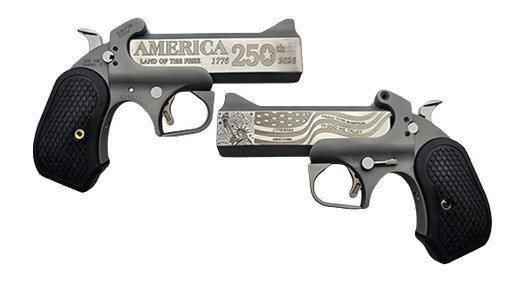
Bond Arms America 250th LTD .45/.410 Double Barrel Pistol
Bond ArmsOUR PRICE: $479.99BOND BA250TH-45/410 AMERICA 250TH LTD 4.25" The Bond Arms America 250th LTD is a commemorative double barrel pistol designed to celebrate the 250th anniversary of America. It features a 4.25-inch... -
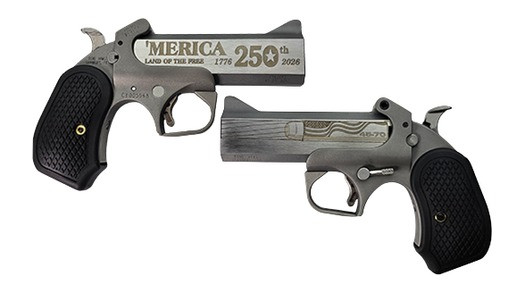
Bond Arms BACY-250TH-45-70 America 250th Cyclops Revolver
Bond ArmsOUR PRICE: $574.99BOND BACY-250TH-45-70 AMERICA 250TH CYCLOPS 4.25 The Bond Arms BACY-250TH-45-70 Cyclops is a commemorative revolver celebrating the 250th anniversary of America. This firearm features a 4.25-inch...
