
Raven Rock Armory
AR-15 Rifles, Modern Sporting Rifles & AR Platforms
Shop AR-15 rifles and modern sporting rifles from leading manufacturers at Raven Rock Armory. Compare complete AR platforms by caliber, barrel length, gas system, handguard, stock, trigger, sights, optic compatibility, muzzle device, magazine configuration, finish, weight, and factory specifications for range, competition, hunting, training, and other lawful sporting applications.
Learn more about AR-15 rifles, calibers, barrels & configurations
AR-15 rifles are modular semi-automatic firearms available in a broad range of calibers, barrel lengths, handguard designs, gas systems, stocks, triggers, sights, finishes, and factory configurations. Individual models can be optimized for recreational shooting, competition, hunting, training, or other lawful sporting uses.
AR-15 Rifles
The AR-15 platform is known for modular construction and broad component compatibility. Complete rifles are offered by many manufacturers, but dimensions, materials, operating components, specifications, and compatibility can vary substantially between models.
Choosing an AR-15 Rifle
- Caliber: Compare chambering, ammunition availability, recoil, magazine compatibility, and intended application.
- Barrel: Review barrel length, profile, twist rate, material, finish, muzzle threading, and chamber specification.
- Gas System: Compare manufacturer-listed gas-system length and operating configuration.
- Handguard: Consider length, attachment interface, weight, accessory space, and overall ergonomics.
- Factory Configuration: Verify the stock, trigger, sights, muzzle device, magazine, receiver set, furniture, and included accessories.
5.56 NATO AR-15 Rifles
5.56 NATO is one of the most common AR-platform chamberings and is widely available across general-purpose, lightweight, competition, training, and optics-ready rifle configurations.
.223 Remington AR-15 Rifles
Some AR-pattern rifles are specifically chambered for .223 Remington. Cartridge compatibility should always be determined by the exact chamber marking and firearm manufacturer's instructions.
.223 Wylde Chambers
Some manufacturers offer .223 Wylde chamber configurations. Buyers should rely on the manufacturer's stated ammunition compatibility and barrel specifications for the exact rifle.
.300 Blackout AR Rifles
.300 AAC Blackout is available in numerous AR-platform configurations. Barrel length, gas system, ammunition type, magazine compatibility, and factory setup vary between models.
6mm ARC AR Rifles
6mm ARC is offered in selected AR-platform rifles oriented toward sporting, hunting, and precision applications. Bolt, barrel, magazine, and ammunition compatibility are specific to the chambering.
6.5 Grendel AR Rifles
6.5 Grendel rifles are offered by select manufacturers and may use platform-specific bolts and magazines in addition to the appropriate barrel and chamber.
.350 Legend AR Rifles
.350 Legend is available in some AR-pattern rifles and may be selected for sporting or hunting applications where lawful. Magazine and barrel specifications should be verified by model.
.450 Bushmaster AR Rifles
.450 Bushmaster is a larger-bore AR-platform chambering available in selected hunting and sporting rifles. Firearm weight, magazine configuration, barrel length, and recoil characteristics vary.
Other AR-15 Chamberings
AR-pattern rifles are available in additional chamberings depending on manufacturer and platform configuration. Not every cartridge uses the same bolt, magazine, barrel extension, or operating setup.
Barrel Length
Barrel length affects overall dimensions, weight, balance, ammunition performance, handguard selection, gas-system configuration, and legal classification.
16-Inch AR-15 Rifles
Sixteen-inch barrels are common on factory AR-15 rifles because they provide a relatively compact general-purpose configuration while meeting federal rifle barrel-length requirements without relying on a permanently attached muzzle device.
Longer AR Barrels
Eighteen-, twenty-, and longer-barrel AR-platform rifles are available for competition, varmint, hunting, precision, and other sporting applications.
Barrel Profiles
Common profiles include lightweight, government-style, medium, heavy, fluted, competition, and manufacturer-specific shapes. Barrel profile affects weight distribution and handling.
Barrel Materials
AR barrels may use chrome-moly steel, stainless steel, or other manufacturer-specified alloys. Material alone does not determine performance or expected service life.
Barrel Finishes
Manufacturers may use nitriding, phosphate, chrome lining, stainless construction, or other barrel treatments and finishes. Review the exact barrel specifications for each rifle.
Twist Rate
Twist rate describes how quickly the rifling rotates inside the barrel and is generally expressed as one rotation over a specified number of inches. Different bullet weights and designs may interact differently with various twist rates.
Gas-Operated AR Rifles
Most conventional AR-15 rifles use a gas-operated system. Component dimensions and gas-system length vary according to barrel and manufacturer configuration.
Direct-Impingement-Style Systems
Many AR-pattern rifles use the conventional gas-tube and carrier-key arrangement commonly associated with the platform. Component specifications vary by manufacturer.
Piston-Driven AR Rifles
Some manufacturers offer piston-operated AR-style rifles. Components may differ substantially from conventional AR gas systems, so compatibility should be verified before purchasing replacement parts.
Gas-System Length
Common manufacturer descriptions include pistol, carbine, mid-length, intermediate, and rifle-length systems. The exact configuration is determined by the barrel and manufacturer design.
Adjustable Gas Systems
Certain factory rifles include adjustable gas components. Owners should follow the firearm manufacturer's instructions for any adjustment or maintenance.
AR-15 Receivers
AR-platform rifles use an upper and lower receiver assembly. Materials, manufacturing methods, dimensions, coatings, controls, and compatibility can vary.
Forged Receivers
Forged aluminum receivers are common across AR-15 rifles and may use different machining, finishing, and component configurations depending on manufacturer.
Billet Receivers
Billet receivers are machined from solid material and may include styling, controls, dimensions, or features that differ from traditional forged receiver designs.
Ambidextrous AR Rifles
Some rifles incorporate ambidextrous or mirrored controls for the safety selector, magazine release, bolt catch, or other functions. Exact control layout varies by manufacturer.
Handguards
Modern AR rifles commonly use free-floating aluminum handguards, although polymer, two-piece, and other designs remain available. Length and mounting interface affect accessory placement.
Free-Float Handguards
A free-floating handguard is designed to avoid direct contact with most of the barrel along its length. Exact mounting and barrel-nut systems differ between manufacturers.
M-LOK Handguards
M-LOK-compatible handguards provide standardized accessory slots along selected surfaces. Rail sections and other compatible accessories can be mounted where the handguard design permits.
Picatinny Rails
Picatinny rail sections are widely used for optics, sights, lights, bipods, and other compatible accessories. Verify placement and accessory compatibility for the rifle.
AR-15 Stocks
Factory rifles may include fixed or adjustable stocks. Stock configuration affects length of pull, weight, storage dimensions, and shooting ergonomics.
Adjustable Stocks
Adjustable stocks provide multiple length positions on compatible receiver extensions. Adjustment range and design differ by stock manufacturer.
Fixed Stocks
Fixed stocks provide a non-collapsing rear configuration and may use different receiver-extension or buffer-system components from some adjustable-stock configurations.
Pistol Grips
AR-15 pistol grips are offered in different angles, textures, widths, storage configurations, and ergonomic shapes.
Triggers
Factory AR triggers differ in pull weight, shape, travel, reset, and construction. Some rifles include single-stage systems while others use two-stage or manufacturer-specific designs.
Single-Stage Triggers
Single-stage triggers generally provide one primary movement toward the break. Characteristics vary by manufacturer and model.
Two-Stage Triggers
Two-stage triggers provide an initial stage followed by a distinct second stage before the break. They are common on some precision and competition-oriented rifles.
Charging Handles
Charging handles vary in latch size, width, shape, material, and ambidextrous operation. Compatibility can depend on upper-receiver design.
Bolt Carrier Groups
Bolt carrier groups may differ in bolt material, carrier profile, coating, finish, testing, caliber compatibility, and manufacturer-specific construction.
Forward Assist
Many conventional AR upper receivers include a forward-assist assembly, while some manufacturers offer slick-side or simplified receiver configurations without one.
Ejection Port Covers
Many AR rifles include a spring-loaded ejection-port cover designed to help shield the action when closed. Receiver configurations vary.
Muzzle Devices
Factory rifles may include flash hiders, muzzle brakes, compensators, thread protectors, or other manufacturer-installed muzzle devices.
Flash Hiders
Flash-hider configurations vary in dimensions, mounting method, thread pitch, and manufacturer design.
Muzzle Brakes
Muzzle brakes are designed to redirect propellant gases and may change recoil characteristics, muzzle movement, sound, and blast.
Compensators
Compensators are designed to influence muzzle movement by directing gases through manufacturer-specific port configurations.
Threaded Muzzles
Many AR barrels are factory threaded. Thread pitch depends on caliber and barrel specification, so accessory compatibility should always be verified.
Optics-Ready AR Rifles
Many modern AR-15 rifles use flat-top upper receivers with rail space for compatible red dots, prism optics, LPVOs, scopes, or iron sights.
Red-Dot Sights
Red-dot sights are commonly used on AR-platform rifles for range, competition, training, and other sporting applications. Mounting height and rail compatibility should be considered.
LPVO Scopes
Low-power variable optics are frequently paired with AR rifles and provide variable magnification within the optic's stated range. Appropriate rings or mounts are required.
Prism Optics
Prism sights use an optical prism system and are available with fixed or limited magnification depending on the model.
Backup Iron Sights
Some rifles include factory iron sights while others are sold without sights. Folding or fixed backup sights may be added when compatible with the rail and gas-block configuration.
Accessory Compatibility
AR-platform rifles support a wide range of compatible optics, sights, slings, bipods, lights, grips, rail accessories, and other sporting equipment. Fit should always be verified for the exact rifle and mounting interface.
Sling Mounts
Stocks and handguards may provide QD sockets, sling loops, M-LOK mounting points, or other manufacturer-specific attachment options.
AR Magazines
Magazine compatibility depends on caliber, lower receiver, cartridge dimensions, magazine design, and manufacturer configuration. Not every AR-pattern cartridge uses a standard 5.56-style magazine.
Magazine Capacity
Factory magazine capacity varies by model, cartridge, manufacturer, distributor package, and jurisdiction.
Overall Weight
Rifle weight depends on barrel profile, handguard, receiver construction, stock, optic, sights, muzzle device, and installed accessories.
Lightweight AR Rifles
Lightweight rifles may use slimmer barrels, reduced-mass handguards, minimalist stocks, or other components intended to reduce overall weight.
Precision-Oriented AR Rifles
Precision-focused configurations may use longer or heavier barrels, upgraded triggers, adjustable stocks, free-float handguards, and optics-oriented receiver setups.
Competition AR Rifles
Competition rifles may incorporate specialized triggers, muzzle devices, handguards, stocks, grips, controls, or sighting systems. Configuration requirements depend on the shooting discipline.
Hunting AR Rifles
AR-platform rifles are available in several chamberings used for lawful hunting. Cartridge, magazine, firearm-feature, and season requirements vary by jurisdiction and game species.
AR-15 vs. AR-10-Style Platforms
AR-15 and larger AR-style rifle families can look similar but use different receiver dimensions, cartridges, bolts, magazines, and other components. Parts should not be assumed interchangeable.
Cleaning an AR-15 Rifle
Follow the firearm manufacturer's instructions for unloading, field stripping, cleaning, inspection, lubrication, and reassembly. Procedures and maintenance intervals vary by model.
Bore & Chamber Maintenance
Cleaning products, brushes, patches, and other equipment should be compatible with the firearm's caliber, barrel material, and finish.
Bolt Carrier Maintenance
The bolt and carrier assembly should be cleaned, inspected, and lubricated according to manufacturer guidance.
Gas-System Maintenance
Gas-system components should be inspected according to the firearm manufacturer's maintenance schedule. Owners should avoid unauthorized modifications that could affect safe operation.
Magazine Maintenance
Magazines should be kept clean and inspected for damaged bodies, feed lips, followers, springs, and other components.
Ammunition Compatibility
Use only ammunition specifically approved for the exact firearm chambering. Cartridge markings that appear similar do not by themselves establish compatibility.
5.56 NATO & .223 Remington
Chamber specifications matter when evaluating 5.56 NATO and .223 Remington ammunition. Follow the firearm manufacturer's stated ammunition compatibility for the exact barrel and chamber.
Reloaded & Specialty Ammunition
Manufacturer policies regarding reloaded, remanufactured, steel-case, specialty, or higher-pressure ammunition vary. Review the owner's manual and warranty requirements.
AR-15 Rifle Storage
Rifles should be stored securely according to applicable law, household circumstances, manufacturer instructions, and responsible firearm-storage practices.
Rifle Cases
Hard and soft rifle cases are available for storage and transport. Internal dimensions should account for optics, muzzle devices, magazines, grips, and other installed accessories.
Gun Safes
Long-gun safes and secure storage systems are available in various sizes, locking configurations, and interior layouts for controlled firearm storage.
Transporting an AR-15 Rifle
Firearm transportation laws vary by jurisdiction and destination. Secure cases, vehicle storage, ammunition, and local requirements should be reviewed before travel.
Legal Configuration
Barrel length, stock configuration, overall firearm configuration, state restrictions, magazine limits, and other features can affect legal requirements. Buyers should verify current applicable law for the exact firearm.
State & Local Restrictions
Some jurisdictions regulate certain semi-automatic rifle features, magazine capacities, configurations, transfers, or possession. Restrictions can change over time and should be verified before ordering.
FFL Transfer Requirements
AR-15 rifles purchased online generally must be transferred through a federally licensed firearms dealer when required by applicable law. Buyer eligibility and transfer requirements depend on the transaction and jurisdiction.
Factory Rifle vs. Individual Components
Complete factory rifles are sold as assembled firearms under a manufacturer's specific model configuration. Parts and components listed elsewhere may have different compatibility, regulatory, or installation considerations.
Manufacturer Variations
AR-15 rifles that appear similar can differ significantly in barrel, chamber, gas system, bolt carrier group, trigger, receiver, handguard, stock, muzzle device, sights, finish, and included accessories.
Compare Exact Model, SKU & UPC
Verify the manufacturer's model number, SKU, UPC, caliber, barrel length, twist rate, gas system, handguard, stock, trigger, magazine, sights, muzzle device, finish, and included equipment before ordering.
Always Verify Manufacturer Specifications
AR-15 rifle chambering, barrel length, twist rate, gas system, receiver construction, trigger, stock, handguard, sights, magazine capacity, muzzle configuration, accessory compatibility, weight, finish, included equipment, and legal configuration vary by manufacturer and model. Always review the current manufacturer's specifications for the exact rifle being considered.
Filter By
Products List
-
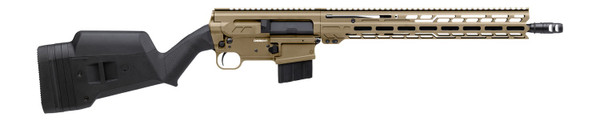
CMMG DISSENT BR4 338 ARC 16.1-Inch Semi-Automatic Rifle, Coy
CMMGOUR PRICE: $1,915.99CMMG 34A670FCT Dissent BR4 338 ARC 10+1 16.10" Black Nitride Threaded Barrel, Coyote Tan Cerakote Aluminum Receiver w/Picatinny Rail, M-LOK Handguard, Magpul SGA 870 Black Synthetic Stock CMMG... -

CMMG DISSENT BR4 338 ARC 16.1-Inch Semi-Automatic Rifle
CMMGOUR PRICE: $1,915.99CMMG 34A670FAB Dissent BR4 338 ARC 10+1 16.10" Black Nitride Threaded Barrel, Black Armor Cerakote Aluminum Receiver w/Picatinny Rail, M-LOK Handguard, Magpul SGA 870 Black Synthetic Stock CMMG... -

Ruger PC Carbine 9mm Luger 16.12-Inch Semi-Automatic Rifle with Fixed Stock, 10+1 Capacity
RugerOUR PRICE: $840.99Ruger 19126 PC Carbine *State Compliant 9mm Luger 10+1 16.12" Fluted Barrel, Type III Hard Coat Anodized Aluminum Alloy Receiver, Fixed Magpul MOE Stock, M-Lok Accessory Slots, Optics Ready Ruger PC... -

Q BOOMBOX 8.6 Blackout 16-Inch Semi-Auto AR Rifle
Q LLCOUR PRICE: $4,500.00The Q LLC BOOMBOX-86-16IN-RIFLE is a centerfire tactical rifle chambered in 8.6 Blackout. Designed for customers seeking a semi-automatic rifle configuration, this model combines the Boombox 8.6... -

Shark Coast Tactical Anime 15 Centerfire Tactical Rifle / 16-Inch Barrel / Magpul Collapsible Stock
SHARK COAST TACTICALOUR PRICE: $992.99Shark Coast Tactical Anime-15 5.56 NATO 30+1 16" Black Nitride Threaded Barrel, Bronze Cerakote Aluminum Receiver w/Picatinny Rail, M-LOK Handguard, Magpul Collapsible Black Polymer Stock The Shark... -
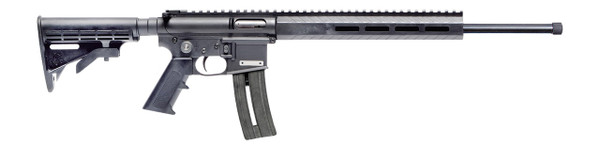
Mountain Billy Gun Lab GOAT15 Helium .22 LR Rifle / 16-Inch Threaded Barrel / Adjustable Stock
MOUNTAIN BILLY GUN LABOUR PRICE: $473.99Mountain Billy Gun Lab MBGL-GOAT15-TB-1 Goat-15 Helium 22 LR 1rd 16" Black Threaded Barrel, Black Polymer Receiver w/Picatinny Rail, M-LOK Handguard, Black Adj 7 Position Polymer Buttstock The... -
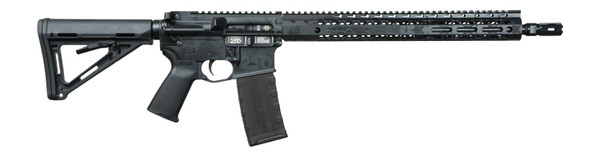
Black Rain Ordnance Spec15 250th Anniversary Blackout American Flag 5.56 NATO 16-Inch Rifle 30-Round
Black RainOUR PRICE: $1,581.99This limited-edition semi-automatic rifle is built on the Black Rain Ordnance Spec15 platform and chambered in .223 Remington and 5.56 NATO. It features a 16-inch barrel, direct-impingement operating... -

Black Rain Ordnance Spec15 250th Anniversary We The People 5.56 NATO 16-Inch Rifle 30-Round
Black RainOUR PRICE: $1,581.99This limited-edition semi-automatic rifle is built on the Black Rain Ordnance Spec15 platform and chambered in 5.56 NATO. It features a 16-inch barrel, aluminum receiver, adjustable Magpul stock, and... -

Black Rain Ordnance Spec15 250th Anniversary Betsy Ross 5.56 NATO 16-Inch Rifle 30-Round
Black RainOUR PRICE: $1,581.99This commemorative semi-automatic rifle is built on the Black Rain Ordnance Spec15 AR-15 platform and chambered in 5.56 NATO. It features a 16-inch barrel, adjustable Magpul stock, and an extended... -
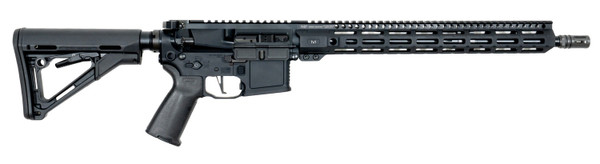
Redfield 5.56 NATO Centerfire AR Tactical Rifle / Ambidextrous / 16-Inch Barrel
REDFIELDOUR PRICE: $1,673.99San Tan Tactical STT15-R-556-16 STT-15 5.56 NATO 16" Black Anodized Aluminum Receiver w/Picatinny Rail, M-LOK Handguard, Black Polymer Mil-Spec 6 Position Buffer Tube, Black Magpul Grip,... -

Shark Coast Tactical Kraken AR Bundle / 16-inch 5.56 NATO Rifle / Accessories
SHARK COAST TACTICALOUR PRICE: $1,114.99Shark Coast Tactical SCC06995KRAKEN Kraken Bundle 5.56 NATO 30+1 16" Black Nitride Threaded Barrel, Aluminum Receiver w/Picatinny Rail, M-LOK Handguard, Magpul Collapsible Polymer Stock, Magpul MOE... -

ArmaLite M-15 Tactical V2 5.56 NATO 30+1 16-Inch AR Rifle
ArmaLiteOUR PRICE: $1,113.99ArmaLite M-15 Tactical V2 5.56 NATO 30+1 16-Inch Rifle The ArmaLite M15TAC16V2 M-15 Tactical V2 is a 5.56 NATO semi-automatic rifle designed for range training, sporting use, and general-purpose... -
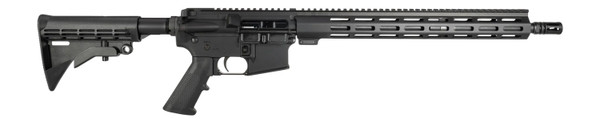
One Horse OH-15 Complete Rifle in 5.56 NATO / 16-Inch Threaded Barrel
One Horse LLCOUR PRICE: $559.99One Horse LLC OH-15 5.56 NATO 30+1 16" Black Threaded Barrel, Black Receiver w/Picatinny Rail, M-LOK Handguard, One Horse M4 6 Position Black Polymer Stock, Black A2 Grip The One Horse LLC OH-OG01... -

Horizon Firearms Vandal Dedicated Marksman Rifle in 6.5 Creedmoor / 18-Inch Spiral Fluted Barrel
Horizon FirearmsOUR PRICE: $2,999.00Horizon Firearms HRF-VAD-65CM-18R Vandal DM 6.5 Creedmoor 18" Black Chrome Spiral Fluted Threaded Barrel, Black Chrome Receiver w/Picatinny Rail, ARCA Rail, Black Anodized XLR Element 4.0 Aluminum... -

Horizon Firearms Vandal DM Centerfire Tactical Rifle 300 Winchester Magnum 22 inch
Horizon FirearmsOUR PRICE: $2,999.00Horizon Firearms HRF-VAD-300W-22R Vandal DM 300 Win 22" Black Chrome Spiral Fluted Threaded Barrel, Black Chrome Receiver w/Picatinny Rail, ARCA Rail, Black Anodized XLR Element 4.0 Aluminum Stock,... -

Primary Weapons MK2-M2R-308-16 Tactical Rifle / 16-Inch Barrel
Primary WeaponsOUR PRICE: $2,499.95PWS MK2-M2R-308-16 MK2 MOD2 308 16" The Primary Weapons MK2-M2R-308-16 is a centerfire tactical rifle designed for precision and durability. It features a 16-inch barrel optimized for accuracy and... -

Diamondback 5.56 NATO Rifle / Flat Dark Earth Cerakote Barrel / Magpul MOE Stock
DiamondbackOUR PRICE: $804.99Diamondback DB175AK223 DB15 Sports South Exclusive 5.56 NATO 30+1 16" Flat Dark Earth Cerakote Threaded Barrel, Black Cerakote Aluminum Receiver w/Picatinny Rail, M-LOK Handguard, Magpul MOE Flat... -
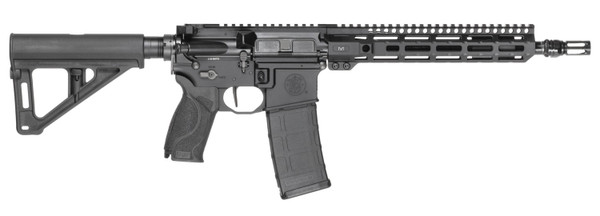
Smith & Wesson M&P15 Axe Pistol 5.56 NATO with 11.5-inch Threaded Barrel and Magpul BTR Brace
Smith & WessonOUR PRICE: $1,379.00Smith & Wesson 14603 M&P 15 Axe Pistol 5.56 NATO 30+1 11.50" Black Armornite Threaded Barrel, Black Hardcoat Anodize Aluminum Receiver w/Picatinny Rail, M-LOK Handguard, Black Polymer Magpul BTR... -

Mountain Billy Gun Lab GOAT15 Helium Hicap .22 LR Rimfire Rifle with 16-Inch Threaded Barrel
MOUNTAIN BILLY GUN LABOUR PRICE: $480.99The Mountain Billy Gun Lab GOAT15 Helium Hicap is a compact and lightweight rimfire rifle designed for versatile shooting and outdoor adventures. Made in the USA, this semi-automatic rifle features a... -

Sig Sauer M400 Forge 5.56 NATO Semi-Auto Rifle with 16-inch Barrel and Magpul MOE Stock
Sig SauerOUR PRICE: $1,093.99Sig Sauer RM400556N16BFORGECA M400 Forge *CA Compliant 5.56 NATO 10+1 16" Black Anodized Alloy Receiver w/Picatinny Rail, M-LOK Handguard, Magpul MOE Black Polymer Stock, Shark Fin Grip, Sig ROMEO... -

Rise Armament Watchman XR 22 ARC Semi-Auto Rifle with 18-inch Fluted Barrel and Magpul PRS Lite Stock
Rise ArmamentOUR PRICE: $1,899.00RISE WM22ARC-BRN-18 WATCHMAN XR 22ARC 18" The Rise Armament Watchman XR in 22 ARC is engineered for extended-range shooting and precision performance. Its design makes it suitable for varmint,... -
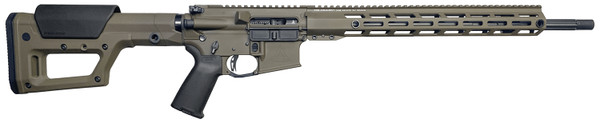
Rise Armament Watchman XR 6mm ARC Tactical Rifle with 18-Inch Fluted Barrel and Magpul PRS Lite Stock
Rise ArmamentOUR PRICE: $1,899.00RISE WM6ARC-BRN-18 WATCHMAN XR 6ARC 18" The Rise Armament Watchman XR in 6mm ARC is engineered for precision and extended-range performance, making it an excellent choice for varmint hunting,... -
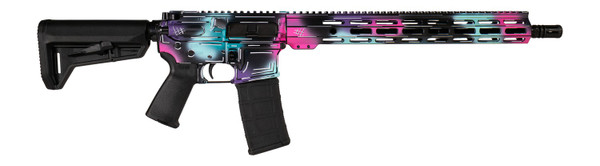
Shark Coast Tactical Anime-15 Semi-Auto Rifle 5.56 NATO 16-inch Barrel Black Finish
SHARK COAST TACTICALOUR PRICE: $992.99Shark Coast Tactical SCC101938DISB Anime-15 5.56 NATO 30+1 16" Black Nitride Threaded Barrel, Disco Cerakote Aluminum Receiver w/Picatinny Rail, M-LOK Handguard, Magpul Collapsible Black Polymer... -
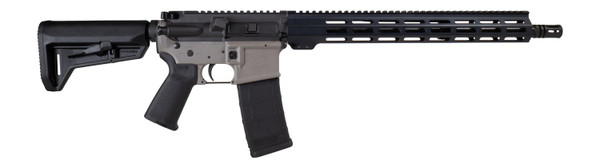
Shark Coast Tactical Maxim AR Rifle 5.56 NATO 16-Inch Threaded Barrel Black Magpul Collapsible Stock
SHARK COAST TACTICALOUR PRICE: $907.99Shark Coast Tactical 300-039-1000-00 Maxim 5.56 NATO 30+1 16" Black Nitride Threaded Barrel, Aluminum Receiver w/Picatinny Rail, M-LOK Handguard, Magpul Collapsible Black Polymer Stock, Magpul MOE... -

Shark Coast Tactical Anime-15 Semi-Auto Rifle / 16-inch Threaded Barrel / Magpul Collapsible Stock
SHARK COAST TACTICALOUR PRICE: $941.99Shark Coast Tactical Anime-15 5.56 NATO 30+1 16" Black Nitride Threaded Barrel, Flat Dark Earth Cerakote Aluminum Receiver w/Picatinny Rail, M-LOK Handguard, Magpul Collapsible Stock The Shark Coast... -
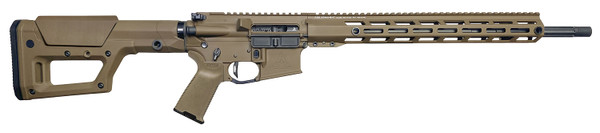
Rise Armament Watchman XR 22 ARC Semi-Auto AR Rifle / 18-Inch Fluted Barrel / Magpul PRS Lite Stock
Rise ArmamentOUR PRICE: $1,899.99The Rise Armament Watchman XR in 22 ARC is a precision-built semi-automatic rifle designed for extended-range shooting, hunting, and competitive shooting scenarios. Featuring a 416R stainless steel... -
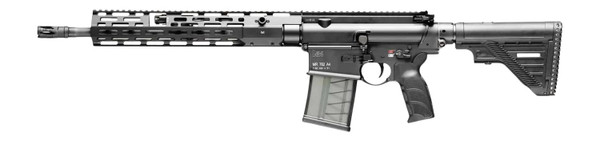
HK MR762 A4 Semi-Auto Rifle 7.62x51mm / 16.5-inch Barrel / Ambidextrous Controls
HKOUR PRICE: $4,539.00HK 81001056 MR762 7.62x51mm 10+1 16.50" Black Barrel, Black Receiver w/Picatinny Rail, M-LOK Handguard, Black Polymer Stock, Black Polymer Grip, Ambidextrous Controls The HK MR762 A4 is a versatile... -
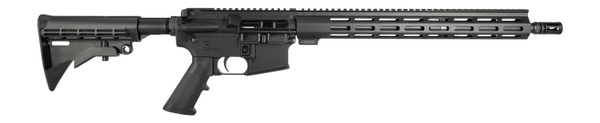
One Horse OH-15 .300 Blackout 16" M-LOK Semi-Auto Rifle
One Horse LLCOUR PRICE: $559.99The One Horse OH-15 is a versatile AR-15 style rifle chambered in .300 AAC Blackout, built to deliver dependable performance for hunting, recreational shooting, home defense, and tactical... -
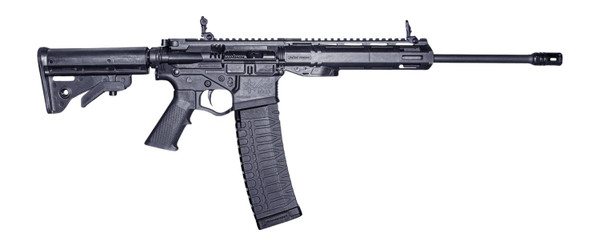
ATI Alpha Maxx AR-15 / 5.56 NATO Tactical Rifle / 16-Inch Barrel / M-LOK Handguard
ATIOUR PRICE: $416.99ATI Alpha Maxx 5.56 NATO 60+1 16" M-LOK Handguard ATI MM4 Black Polymer Stock The ATI Alpha Maxx GAX5569ML60 is a versatile and reliable tactical rifle chambered in 5.56 NATO, designed for both... -

Shark Coast Tactical Anime 15 Black Cherry 5.56 NATO Semi-Auto Rifle with 16-Inch Threaded Barrel / Magpul Collapsible Stock
SHARK COAST TACTICALOUR PRICE: $992.99Shark Coast Tactical Anime-15 5.56 NATO 30+1 16" Black Nitride Threaded Barrel, Black Cherry Cerakote Aluminum Receiver w/Picatinny Rail, M-LOK Handguard, Magpul Collapsible Stock The Shark Coast... -
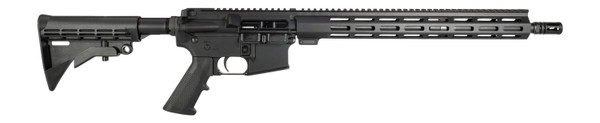
One Horse OH-15 Complete AR-15 Rifle 5.56 NATO 16-Inch Threaded Barrel Black M-LOK Rail
One Horse LLCOUR PRICE: $559.99One Horse LLC OH-15 Carbine Length 5.56 NATO 30+1 16" Black Threaded Barrel, Black Receiver w/Picatinny Rail, M-LOK Handguard, One Horse M4 6 Position Black Polymer Stock, Black A2 Grip, A2 Flash... -
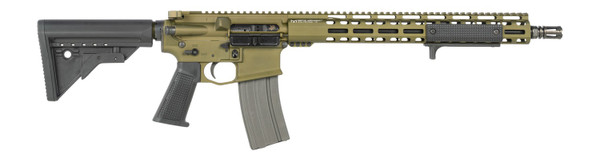
Griffin Armament 16.1-inch .223 Wylde Centerfire AR Tactical Rifle
GRIFFIN ARMAMENTOUR PRICE: $1,446.99The Griffin rifle combines precision engineering with versatile performance, making it an excellent choice for tactical and recreational shooters. Built on a fully ambidextrous lower receiver using... -
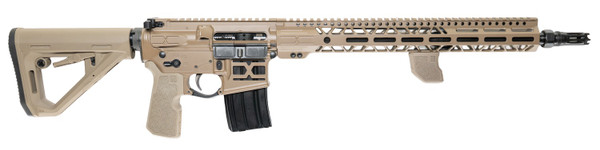
CNC Firearms Faxon FF15 6mm ARC 16-Inch FDE AR Tactical Rifle
CNC FIREARMSOUR PRICE: $1,499.99The CNC Firearms CNCFXN6 Faxon FF15 is a high-performance tactical rifle designed for precision shooters and firearm enthusiasts. Built with quality materials and modern engineering, this rifle... -

Diamondback DB15 AR Rifle 5.56 NATO 16-inch Barrel / Cerakote Finish / Magpul Accessories
DiamondbackOUR PRICE: $928.99The Diamondback DB15 features a striking combination of a gold Cerakote barrel and a green Cerakote receiver with gold plated accents, delivering both durability and style. Designed for tactical and... -

Larue Tactical Semi-Auto AR-15 Rifle in 5.56 NATO / 16-inch Stealth Barrel / M-LOK Handguard
LARUE TACTICALOUR PRICE: $1,849.99Larue Tactical LT15 MLOK 5.56 10+1 16" Stealth Barrel Black Right Hand The Larue Tactical LT-15-556-16-MLOK-LC is a versatile and reliable AR-15 rifle designed for both tactical and recreational... -

Barrett M107A1 Fluted 50 BMG Semi-Auto Rifle with 20-Inch Barrel and Black Finish
BarrettOUR PRICE: $14,186.00Barrett 20183 M107A1 50 BMG 10+1 20" Fluted Barrel, Picatinny Rail Receiver, M-LOK Handguard, QD BiPod Forend, Black Polymer Grip Barrett M107A1 Fluted 50 BMG Semi-Auto Rifle The Barrett M107A1 is a... -
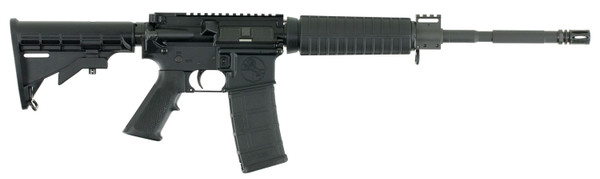
ArmaLite DEF15 Defender 5.56 NATO AR-15 Rifle with 16-Inch Chrome-Lined Barrel and Collapsible Stock
ArmaLiteOUR PRICE: $1,104.00ArmaLite DEF15 M-15 Defensive Sporting Rifle 223 Rem/5.56 NATO 30+1 16" Chrome Moly Vanadium Barrel, Black Hard Coat Anodized Receiver, Black Synthetic 6 Position Collapsible Stock, Black Polymer... -
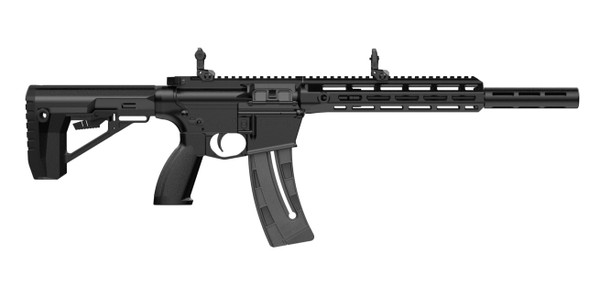
Retay USA 22 LR Semi-Auto Rifle with M-LOK Handguard and Threaded Barrel
RETAY USAOUR PRICE: $323.99Retay USA RA1522BLKPOLYMLOK10 22 LR Semi-Auto Rifle The Retay USA RA1522BLKPOLYMLOK10 is a centerfire tactical rifle chambered in 22 LR, featuring an 18-inch threaded barrel and a black chrome finish... -
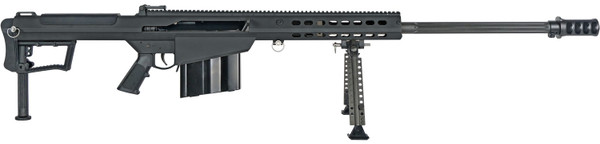
Barrett M107A1 .50 BMG Semi-Auto Rifle 29 Inch Fluted Barrel Black
BarrettOUR PRICE: $14,186.00Barrett M107A1 .50 BMG Semi-Auto Rifle 29 Inch Fluted Barrel Black The Barrett M107A1 is a semi-auto rifle chambered in .50 BMG and built for shooters who want a heavy-duty long-range platform with... -
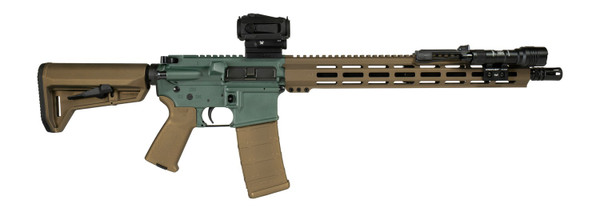
SHARK COAST GOBLIN AR Bundle with 5.56 NATO, 16-Inch Barrel, Collapsible Stock
SHARK COAST TACTICALOUR PRICE: $1,114.99SHARK COAST GOBLIN AR Semi-Auto Rifle Bundle with 16-Inch Threaded Barrel The SHARK COAST GOBLIN AR Bundle features a versatile semi-automatic firearm chambered in 5.56 NATO with a 16-inch threaded...
