
Raven Rock Armory
Firearm Vaults, Security Vaults & Secure Storage
Shop firearm vaults, handgun vaults, security vaults, locking storage systems, vehicle vaults, under-bed storage, and secure firearm containers at Raven Rock Armory. Compare capacity, construction, lock type, access method, mounting options, interior dimensions, organization, portability, and manufacturer security features for home, vehicle, office, travel, and controlled-access firearm storage.
Learn more about firearm vaults, secure storage & access systems
Firearm vaults provide locking storage designed to help control access to firearms, valuables, magazines, documents, and related equipment. Vault configurations range from compact handgun containers to larger vehicle, under-bed, cabinet, drawer, and multi-firearm systems. Construction, locking mechanisms, mounting methods, capacity, and security features vary widely by model.
Firearm Vaults
Firearm vaults are generally constructed from steel or other rigid materials and use locking doors, drawers, lids, or compartments to secure compatible firearms and equipment. Some designs prioritize fast authorized access, while others emphasize larger capacity or fixed installation.
Handgun Vaults
Handgun vaults provide compact storage for pistols, revolvers, magazines, and small valuables. Designs may be intended for bedside, desk, vehicle, drawer, shelf, or other accessible storage locations.
Choosing a Firearm Vault
- Capacity: Compare usable interior dimensions with the actual firearm and accessories being stored.
- Lock Type: Review electronic, biometric, mechanical, keyed, combination, and other access systems.
- Mounting: Determine whether the vault is intended to be bolted, cabled, secured inside a vehicle, installed in furniture, or used as a portable container.
- Construction: Compare the manufacturer's specifications for body material, door construction, hinges, locking components, and reinforcement.
- Access: Consider how the container opens and whether the location provides sufficient clearance for normal operation.
Quick-Access Vaults
Quick-access vaults are intended to provide relatively fast access to an authorized user while maintaining a locked enclosure when closed. Access methods can include electronic keypads, push buttons, biometric readers, RFID systems, mechanical combinations, or other manufacturer-specific designs.
Biometric Vaults
Biometric vaults commonly use fingerprint readers as one method of authorized access. Sensor type, number of stored fingerprints, battery requirements, backup access, and programming procedures vary by model.
Electronic Keypad Vaults
Electronic keypad models allow access through a programmed code. Features may include multiple user codes, illuminated buttons, audible feedback, silent modes, lockout periods, battery warnings, or emergency backup access.
Mechanical Vault Locks
Mechanical lock systems can include push-button combinations, rotating dials, keyed mechanisms, or other non-electronic designs. These generally do not depend on batteries for normal operation.
RFID Access
Some vaults use compatible RFID tags, cards, wristbands, or other electronic credentials. Enrollment, backup access, battery requirements, and supported credentials vary by manufacturer.
Backup Keys
Electronic and biometric vaults may include backup keys for emergency access. Backup keys should be stored securely and separately from the vault where unauthorized users cannot easily obtain them.
Under-Bed Vaults
Under-bed vaults use low-profile dimensions intended for storage beneath compatible beds or furniture. Designs may use sliding drawers, hinged lids, electronic locks, or mechanical systems. Measure available clearance before choosing a model.
Drawer-Style Vaults
Drawer vaults use sliding storage compartments and may be designed for furniture, vehicles, under-bed installations, offices, or other applications. Drawer travel and surrounding clearance should be considered before installation.
Vehicle Vaults
Vehicle vaults provide secured storage within compatible trucks, SUVs, cars, or other vehicles. Designs may install inside consoles, cargo areas, beneath seats, behind seats, or in model-specific compartments.
Console Vaults
Console vaults are generally designed around specific vehicle center consoles. Confirm vehicle year, make, model, trim, and console configuration before ordering.
Under-Seat Vehicle Vaults
Under-seat systems may use drawers, locking boxes, or other enclosures installed beneath compatible seats. Seat movement, electrical wiring, vents, brackets, airbags, and floor contours can affect installation.
Truck & SUV Vaults
Larger vehicle vaults may use cargo-area drawers or compartments intended for firearms, tools, hunting gear, emergency equipment, or other valuables. Vehicle compatibility and cargo-space dimensions should be verified carefully.
Portable Security Vaults
Portable vaults may include handles, security cables, compact dimensions, or mounting provisions. Portability can be useful for travel or temporary storage, but security characteristics vary substantially by design.
Security Cables
Some compact vaults can be secured using steel cables around a compatible fixed object. Cable thickness, attachment points, anchor strength, and container construction affect the overall system.
Bolting Down a Vault
Fixed vaults may include mounting holes for securing the enclosure to a floor, wall, shelf, furniture surface, or vehicle structure. Use hardware and mounting methods appropriate for the installation surface and follow manufacturer instructions.
Steel Construction
Many firearm vaults use steel body and door components. Steel thickness, reinforcement, folds, welds, hinges, lock protection, and door design differ between products.
Vault Doors
Doors may use hinged, sliding, drop-down, or drawer-style configurations. Opening direction and required clearance should be considered when selecting an installation location.
Locking Bolts & Latches
Vault locking mechanisms may use bolts, latches, tabs, hooks, or other components to secure the door or drawer. Manufacturer specifications should be used when comparing designs.
Anti-Pry Construction
Some vaults incorporate recessed doors, reinforced edges, internal hinges, anti-pry tabs, or other features. The presence of these features does not by itself establish a particular burglary rating.
Security Ratings
Certain vaults may reference laboratory testing, security classifications, or manufacturer performance claims. When a specific certification is important, verify that it applies to the exact model being considered.
Fire Protection
Some large vault products may include fire-resistant construction, but many compact firearm vaults do not. Never assume fire protection unless the manufacturer provides a specific fire rating or test specification.
Interior Padding
Interior foam, carpeting, rubberized surfaces, or padded liners can help reduce direct contact between firearms and hard metal surfaces. Interior materials should be kept clean and dry.
Interior Lighting
Some electronic vaults include interior lighting that activates when the container opens. Lighting can make stored items easier to locate in low-light conditions.
Interior Organization
Vault interiors may include shelves, foam liners, firearm racks, magazine holders, trays, dividers, or other organizational features.
Firearm Capacity
Advertised capacity can differ from actual usable capacity when firearms have optics, weapon lights, extended magazines, large grips, suppressors, or other accessories.
Vault Dimensions
Compare both exterior and interior dimensions. Wall thickness, doors, drawer mechanisms, padding, shelves, and locking components can reduce the usable interior space.
Measuring Firearm Fit
Measure the actual configured firearm, including mounted optics, magazines, lights, threaded barrels, or other accessories, and compare those dimensions with the vault's usable interior space.
Long-Gun Vaults
Some vault systems are designed for rifles and shotguns rather than only handguns. Long-gun capacity depends heavily on firearm length, stock configuration, mounted optics, and interior layout.
Magazine & Accessory Storage
Vaults may provide additional room for magazines, ammunition, optics, suppressors, tools, or other equipment. Heavy accessories can significantly increase the total load.
Moisture & Humidity
Closed metal containers can trap humidity. Follow firearm and vault manufacturer recommendations for moisture management and consider compatible desiccants or other humidity-control products when appropriate.
Battery Maintenance
Electronic locking systems may rely on replaceable or rechargeable batteries. Understand battery type, replacement procedure, low-power warnings, and backup-access methods before relying on the vault.
Testing Authorized Access
Follow manufacturer instructions when programming codes, fingerprints, RFID credentials, or other access methods. Verify normal and backup access before putting the vault into routine use.
Children & Unauthorized Users
Storage selection should account for children, visitors, household members, theft risk, and other unauthorized-access concerns. Choose a system appropriate for the environment and applicable requirements.
Home Installation
Vault placement can affect accessibility, concealment, anchoring, humidity, floor loading, and how easily the container could be moved.
Office & Workplace Storage
Compact vaults may also be used for valuables, documents, keys, or other controlled-access items. Workplace policies and applicable requirements should be considered before installation.
Vehicle Environment
Vehicle interiors can experience substantial temperature changes, vibration, moisture, and theft risk. Consider those conditions when storing firearms, electronics, batteries, or other equipment in a vehicle-mounted vault.
Inspecting a Firearm Vault
Periodically inspect locks, hinges, latches, bolts, cables, mounting hardware, keypad components, biometric sensors, batteries, drawer slides, and interior surfaces for wear or damage.
Vault Maintenance
Follow the manufacturer's maintenance recommendations for locking systems, batteries, hinges, drawer slides, finishes, fasteners, cables, and other components.
Vaults vs. Safes
The terms vault and safe are used differently across the industry. Product names alone do not establish construction strength, fire protection, burglary resistance, or certification. Compare the actual manufacturer specifications for each product.
Vaults vs. Lock Boxes
Compact lock boxes and larger firearm vaults can serve similar storage purposes but may differ substantially in construction, mounting, capacity, locking systems, and security features.
Vaults vs. Gun Cases
Gun cases primarily emphasize firearm transport and physical protection, while vaults generally emphasize controlled access and secured storage. Individual products may combine features from both categories.
Always Verify Manufacturer Specifications
Vault construction, lock systems, dimensions, firearm capacity, security ratings, mounting methods, electronic features, power requirements, interior layout, and intended applications vary by manufacturer and model. Always review the current manufacturer's specifications for the exact vault being considered.
Filter By
Products List
-
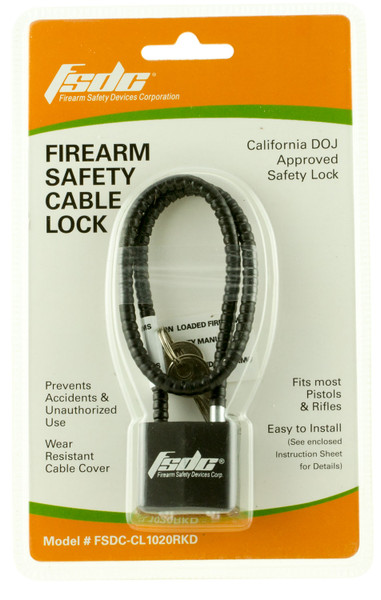
FSDC 15" Keyed Cable Gun Lock for Handguns, Rifles & Shotguns
FSDCOUR PRICE: $4.99The FSDC 15-Inch Keyed Cable Gun Lock provides a simple and effective method for securing firearms during storage or transport. Designed for use with handguns, rifles, and shotguns, this durable... -

Battenfeld Lockdown Wireless Hygrometer Model 1116792
BattenfeldOUR PRICE: $36.99LOCKDOWN 1116792 WIRELESS HYGROMETER The Battenfeld Lockdown Wireless Hygrometer Model 1116792 is a reliable device designed to monitor humidity levels wirelessly. It provides accurate readings to... -

Bulldog Digital Pistol Vault – Keypad & Key Entry Handgun Safe
BulldogOUR PRICE: $88.99Keep a handgun stored securely and close at hand with the Bulldog Digital Pistol Vault. Made for convenient firearm storage at home or on the go, this compact handgun safe holds one pistol and fits... -

Bulldog Car Vault Handgun Safe – Key Entry Vehicle Gun Safe
BulldogOUR PRICE: $51.99Keep a handgun securely stored on the road with the Bulldog Car Vault Handgun Safe, a compact vehicle gun safe built for responsible firearm storage. Heavy-duty powder-coated steel creates a durable...
