
Raven Rock Armory
Hunting Blinds
Shop hunting blinds for deer, turkey, waterfowl, predator, and other hunting applications, including ground blinds, pop-up blinds, concealment systems, and related blind accessories.
Learn more about choosing hunting blinds
Hunting blinds provide concealment, shelter, and a controlled shooting position in the field. The right blind depends on the species being hunted, terrain, weather, number of hunters, portability needs, visibility, and the amount of interior space required.
Choosing a Hunting Blind Type
- Ground Blinds: Enclosed or semi-enclosed blinds designed for concealment at ground level during deer, turkey, predator, and other hunting applications.
- Pop-Up Blinds: Portable fabric blinds designed for faster setup, easier transport, and flexible placement in different hunting locations.
- Waterfowl Blinds: Layout, panel, pit-style, and other concealment systems designed for marsh, field, shoreline, and waterfowl hunting environments.
- Permanent & Semi-Permanent Blinds: Larger, more rigid designs intended for longer-term placement, repeated use, or locations with vehicle access.
- Blind Accessories: Chairs, stakes, tie-downs, covers, camouflage material, shooting supports, storage systems, and other products used to improve comfort, stability, concealment, or organization.
Size, Visibility & Shooting Position
Consider how many hunters will use the blind, whether firearms or archery equipment will be used, the required shooting-window height, and whether the blind needs room for chairs, tripods, shooting rests, packs, or other gear.
Weather Resistance & Portability
Fabric type, frame construction, wind resistance, waterproofing, window design, noise level, packed size, carrying weight, and setup time can all affect how practical a blind is for a particular hunting style. Mobile hunters may favor lighter blinds, while longer-duration setups can support larger and more weather-resistant designs.
Concealment & Field Setup
Camouflage pattern, silhouette, scent control, background cover, sun direction, wind, access routes, and shooting lanes should all be considered when placing a blind. Proper placement can help the blind blend naturally into the surrounding environment.
Filter By
Products List
-

Muddy HB2 Insulated Hot Box Blind
MuddyOUR PRICE: $243.99MUDDY MUD-HB2INS-MO-OBS HOT BOX BLIND MOBU Walkers Game Ear Muddy Mud-HB2 Insulated Hot Box Blind MOBU The Walkers Game Ear Muddy Mud-HB2 Insulated Hot Box Blind MOBU is designed to provide hunters... -

Muddy Mud-Ground Blind Mobile Unit
MuddyOUR PRICE: $217.99MUDDY MUD-VS360-MOBUC VS360 GRND BLIND MOBU Walkers Game Ear Muddy Mud-VS360 Ground Blind Mobile UnitThe Walkers Game Ear Muddy Mud-VS360 Ground Blind Mobile Unit is a versatile and portable... -
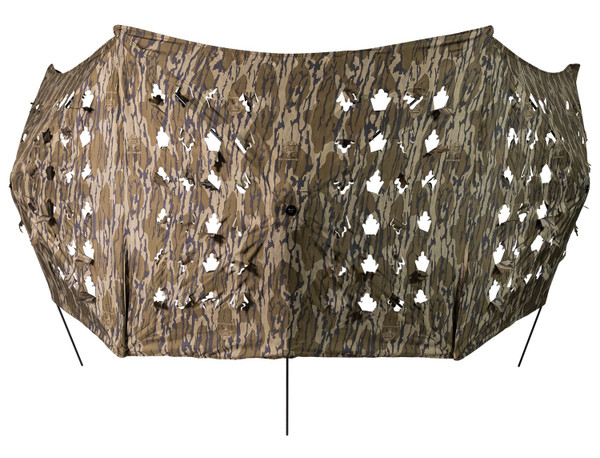
Ameristep Throwdown Blind Mobile
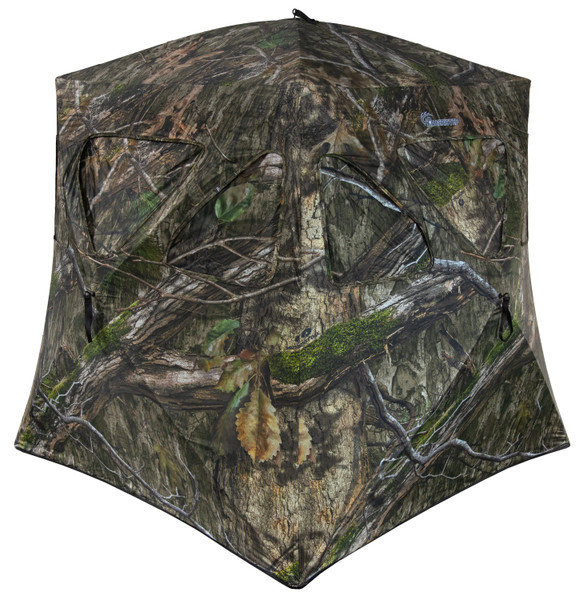
Walkers Game EarOUR PRICE: $41.99AMERISTEP THROWDOWN BLIND - MOBIL Ameristep AMS-AMEBL0300 Throwdown Blind is a versatile and portable hunting blind designed for mobility and quick setup. Constructed with durable materials, this... -
-

Allen Burlap 12ft x 54in Mossy Oak Break-Up Country Camouflage
AllenOUR PRICE: $19.99Allen 25315 Mossy Oak Break-Up Country 12'x54" Burlap The Allen Burlap Model 25315 provides a versatile concealment solution for hunters. Constructed from non-glare, weather-resistant fabric, this... -
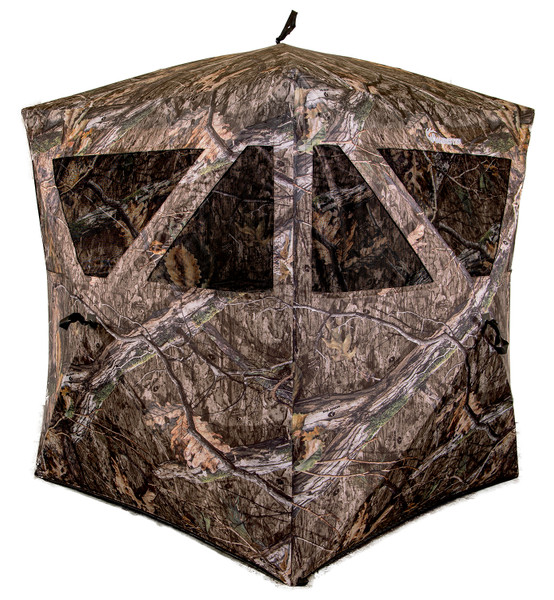
Walkers Game Ear Caretaker Mossy Oak Country DNA Ground Blind 55 x 55 inches
Walkers Game EarOUR PRICE: $149.99Walker's null Care Taker Ground Blind Mossy Oak Country DNA 300 Durashell Plus 55"L x 55"W The Walkers Game Ear Caretaker Ground Blind in Mossy Oak Country DNA provides hunters with a durable and... -

Allen 25327 12x56 3D Leafy Omnitex Binoculars
AllenOUR PRICE: $30.99ALLEN 25327 3D LEAFY OMNITEX 12X56 MO BU COUNTRY Experience clear and detailed viewing with the Allen 25327 12x56 3D Leafy Omnitex binoculars. Designed for outdoor enthusiasts and bird watchers,... -

Allen 25324 3D Leafy Omnitex 12x56 Binoculars
AllenOUR PRICE: $30.99ALLEN 25324 3D LEAFY OMNITEX 12X56 MO BRUSH WINTR The Allen 25324 3D Leafy Omnitex binoculars feature a 12x56 magnification, providing clear and detailed views for outdoor enthusiasts and hunters... -

Allen 25329 3D Leafy Omnitex 12-Month Shadow Green Blind
AllenOUR PRICE: $25.99ALLEN 25329 3D LEAFY OMNITEX 12 MO SHDW GRSS BL The Allen 25329 3D Leafy Omnitex blind features a realistic leafy pattern designed for effective concealment. Constructed with durable materials, it... -
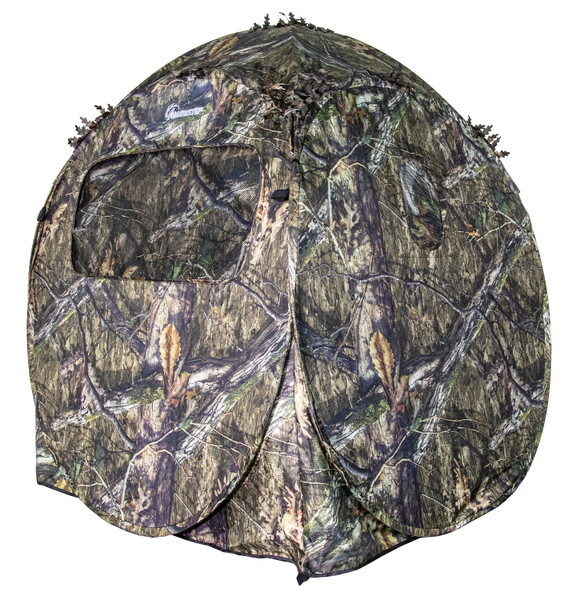
Walkers Game Ear AmeriStep Doghouse Extreme 60x60x66 Outdoor Shelter
Walkers Game EarOUR PRICE: $121.99AMERISTEP AMS-AMEBL1005X DOGHOUSE EXTRME 60X60X66 The Walkers Game Ear AmeriStep Doghouse Extreme provides a durable and spacious outdoor shelter measuring 60 inches by 60 inches with a height of 66... -

Hunters Specialties HS GBTAPE No-Mar Gun and Bow Tape
Hunters SpecialtiesOUR PRICE: $8.99Protect your favorite hunting and archery equipment with Hunters Specialties HS GBTAPE No-Mar Gun and Bow Tape. Designed to help prevent marks and scratches during use, this clear protective tape... -

Muddy Mud-Carnage Diecut 58x58 Outdoor Decal
MuddyOUR PRICE: $228.99Give your outdoor setup a bold, rugged look with the Walkers Game Ear Muddy Mud-Carnage Diecut 58x58 Outdoor Decal. Featuring striking Muddy Mud and Carnage graphics, this oversized decal brings... -
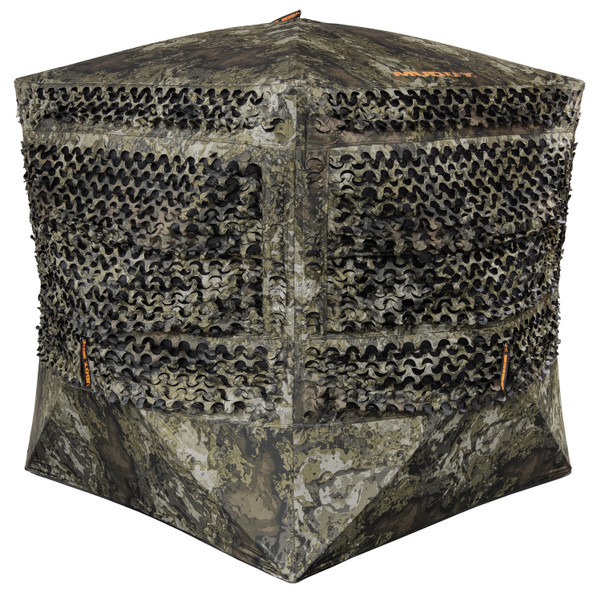
Muddy Carnage Diecut Tapestry 58x58 Inches
MuddyOUR PRICE: $228.99Bring bold wilderness character to your décor with the Muddy Carnage Diecut Tapestry, a striking 58 x 58-inch accent made for outdoor enthusiasts. Its distinctive diecut silhouette and vivid imagery... -

Muddy Infinity Evo Max Ground Blind Mossy Oak Bottomland 65 x 65
MuddyOUR PRICE: $228.99Make room for a more comfortable, concealed hunt with the Muddy Infinity Evo Max Ground Blind in Mossy Oak Bottomland. Measuring 65 x 65 inches, this spacious three-person hunting blind gives you... -
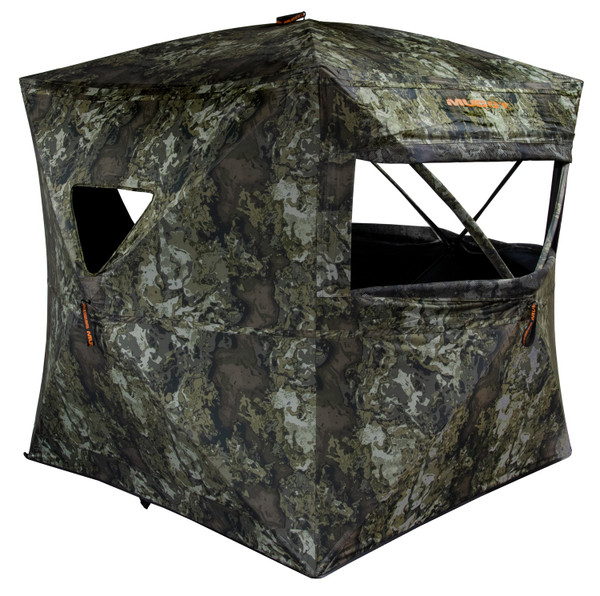
Muddy Infinity Evo Max Ground Blind Veil Canyon Grey 65 x 65
MuddyOUR PRICE: $228.99Make room for a more comfortable hunt with the Muddy Infinity Evo Max Ground Blind in Veil Canyon Grey. Its generous 65 x 65-inch footprint provides practical space for up to three hunters, helping... -

Muddy Infinity 3 Person Ground Blind Mossy Oak Bottomland
MuddyOUR PRICE: $183.99Bring practical concealment and comfortable space to your next hunt with the Muddy Infinity 3 Person Ground Blind in Mossy Oak Bottomland. Designed for hunters who value dependable coverage and a... -

Muddy Infinity 3 Person Ground Blind Veil Canyon Grey
MuddyOUR PRICE: $183.99Take your hunting setup into the field with the Muddy Infinity 3 Person Ground Blind in Veil Canyon Grey. Designed to provide practical concealment and dependable coverage, this portable hunting... -

Walkers Game Ear PrevUE Evo Max 58x58 Camouflage Hearing Protection
Walkers Game EarOUR PRICE: $183.99Stay focused on the outdoors with Walkers Game Ear PrevUE Evo Max 58x58 Camouflage Hearing Protection. Designed for hunters, shooting enthusiasts, and outdoor adventurers, this practical hearing... -

Muddy Prevue EVO 53x53 Blind Spot Viewer
MuddyOUR PRICE: $168.99Bring a clearer view of your surroundings to the field with the Muddy Prevue EVO 53x53 Blind Spot Viewer. Designed for hunters and outdoor enthusiasts, this practical viewing solution offers a... -

Walkers Game Ear AmeriStep Caretaker Mag 75x75x66 Foam Ear Plugs Reusable Hearing Protection
Walkers Game EarOUR PRICE: $128.99Protect your hearing on the range, in the field, and during outdoor adventures with Walkers Game Ear AmeriStep Caretaker Mag foam ear plugs. Designed for shooting, hunting, and recreation, these...
