
Raven Rock Armory
Utility Cases, Protective Cases & Equipment Storage
Shop utility cases, protective equipment cases, hard-shell cases, storage cases, organizer cases, and portable gear containers at Raven Rock Armory. Compare internal dimensions, shell construction, foam configuration, latches, seals, handles, locking provisions, compartment layouts, and environmental protection for optics, electronics, tools, range gear, outdoor equipment, and other valuable accessories.
Learn more about utility cases, protective storage & equipment organization
Utility cases provide portable protection and organization for optics, electronics, tools, firearm accessories, range equipment, outdoor gear, communication devices, cameras, batteries, and other valuable equipment. Designs range from lightweight organizer cases to rigid weather-resistant protective cases with customizable foam.
Hard Utility Cases
Hard utility cases use rigid outer shells designed to provide structure and impact protection. Materials may include molded polymer, composite construction, aluminum, or other rigid materials. Interior configurations can include foam, dividers, trays, or open storage space.
Protective Equipment Cases
Protective cases are commonly used for sensitive or valuable equipment such as optics, rangefinders, cameras, electronics, night-vision devices, communication equipment, tools, and accessories. Protection varies by shell construction, interior padding, sealing system, and closure design.
Choosing a Utility Case
- Internal Dimensions: Measure the complete equipment configuration and allow room for padding or dividers.
- Protection Level: Consider impact protection, weather resistance, dust resistance, and the expected transport environment.
- Interior: Compare foam, padded dividers, trays, organizers, or open storage based on the equipment being carried.
- Portability: Evaluate handles, wheels, overall dimensions, and loaded weight.
- Security: Check for padlock holes, integrated locking points, or other compatible security features when needed.
Foam-Lined Utility Cases
Foam-lined cases can cushion equipment and help limit movement during transport. Interior foam may be solid, layered, convoluted, pre-scored, pick-and-pluck, or custom cut depending on the case.
Pick-and-Pluck Foam
Pick-and-pluck foam is divided into removable sections that can be shaped around equipment. Planning the layout before removing foam can help maintain adequate padding around each item.
Custom-Cut Foam
Custom-cut foam can provide fitted storage for optics, electronics, tools, suppressors, magazines, batteries, or other accessories. Exact equipment dimensions should be confirmed before creating a permanent layout.
Padded Divider Systems
Adjustable padded dividers allow the interior of a case to be reorganized as equipment changes. Dividers may attach with hook-and-loop material or other modular systems.
Organizer Cases
Organizer cases may include trays, removable bins, compartments, dividers, mesh pockets, elastic loops, or molded storage areas for smaller parts and accessories.
Optics Storage
Utility cases can be used for scopes, binoculars, spotting scopes, red-dot sights, rangefinders, and other optics. Interior padding should prevent equipment from contacting hard surfaces or other items during transport.
Electronic Equipment Storage
Electronics such as radios, GPS units, cameras, thermal devices, night-vision equipment, chargers, and batteries can benefit from structured organization and protection from impact or debris.
Tool Storage
Utility cases can organize firearm maintenance tools, torque drivers, punches, cleaning equipment, gunsmithing accessories, and general tools. Heavy or sharp items should be secured so they do not damage nearby equipment.
Range Gear Storage
Protective cases can organize hearing protection, eye protection, chronographs, spotting equipment, shot timers, magazines, loaders, cleaning equipment, and other range accessories.
Small Parts Storage
Cases with trays or compartment systems can organize screws, mounting hardware, batteries, adapters, spare parts, tools, and other small components that can otherwise be difficult to track.
Magazine Storage
Some utility cases can store firearm magazines using foam cutouts, dividers, trays, or open compartments. Confirm internal dimensions when storing extended or unusually shaped magazines.
Suppressor & Accessory Storage
Protective cases may be configured for compatible suppressors, muzzle devices, mounts, adapters, cleaning tools, and related accessories. Allow space between hard components to reduce contact during transport.
Battery Storage
Electronics cases may include space for spare batteries, chargers, cables, and power accessories. Batteries should be stored according to the battery manufacturer's instructions and protected from unintended electrical contact.
Weather-Resistant Utility Cases
Some cases include gasketed lids, sealed shells, covered latches, or other construction intended to reduce exposure to moisture, dust, or debris. Environmental protection varies by product.
Waterproof vs. Water-Resistant
Water-resistant construction does not automatically mean a case is waterproof. Verify the manufacturer's stated rating or test standard when protection from heavy rain, immersion, or other water exposure is important.
Dust Protection
Sealed protective cases may help reduce exposure to dust and debris. Actual performance depends on the shell, gasket, latch pressure, hinge construction, and manufacturer specifications.
Pressure Equalization Valves
Certain sealed cases include pressure-equalization valves that help balance internal and external air pressure during altitude or environmental changes.
Case Latches
Utility cases may use snap latches, lever latches, push-button latches, sliding locks, or other closure systems. Latch design can influence ease of opening and how tightly the lid seals.
Lockable Utility Cases
Some cases provide padlock holes or integrated locking features. Locking provisions vary significantly and should not automatically be considered equivalent to a dedicated safe or high-security storage container.
Case Handles
Handles may be molded, folding, rubberized, reinforced, or retractable. Handle construction should be considered together with the expected loaded weight of the case.
Rolling Utility Cases
Larger cases may include wheels and telescoping handles to make heavy equipment easier to transport. Wheel size, axle construction, balance, and loaded weight can affect mobility.
Stackable Cases
Some utility cases use molded feet, lid recesses, or interlocking surfaces designed to improve stacking. Stability depends on case dimensions, surface conditions, and load distribution.
Case Shell Materials
Protective cases may use polypropylene, ABS, composite materials, aluminum, or other shell constructions. Materials differ in weight, rigidity, impact resistance, temperature tolerance, and cost.
Impact Protection
Rigid shells, interior foam, reinforced corners, and secure closures can help protect equipment from routine bumps or impacts. Exact protective capability should be evaluated using the manufacturer's specifications.
Interior Dimensions
Exterior case dimensions do not indicate the exact usable interior space. Compare length, width, depth, lid clearance, foam thickness, and internal hardware when determining equipment fit.
Exterior Dimensions
Exterior dimensions matter when cases must fit inside vehicle compartments, cabinets, lockers, shelving, luggage areas, or other limited spaces.
Loaded Case Weight
Tools, optics, electronics, ammunition, batteries, and metal accessories can make a case significantly heavier once loaded. Consider handles, wheels, and lifting requirements when choosing case size.
Travel & Transport
Utility cases may be useful for vehicle, air, field, or general equipment transport. When traveling commercially, verify the current requirements of the carrier for the specific equipment being transported.
Vehicle Storage
Cases stored in vehicles can experience high temperatures, moisture, vibration, impact, and theft risk. Consider the requirements of the equipment stored inside and follow applicable manufacturer guidance.
Outdoor & Field Use
Field cases may prioritize weather resistance, durability, carry handles, portability, visibility, or compact size depending on the equipment and environment.
Long-Term Equipment Storage
Long-term storage needs vary by equipment type. Optics, electronics, batteries, tools, and metal components may require different humidity, temperature, or maintenance considerations.
Moisture Control
Some users place compatible desiccants or humidity-control products inside sealed cases. Follow the instructions for both the stored equipment and any moisture-control product being used.
Cleaning Utility Cases
Keep shells, foam, trays, gaskets, latches, and interior surfaces clean and dry. Follow the case manufacturer's instructions for cleaning solvents, water exposure, and gasket maintenance.
Inspecting a Protective Case
Periodically inspect hinges, latches, handles, wheels, locking points, foam, seals, pressure valves, shell surfaces, and hardware for cracks, wear, deformation, or other damage.
Replacing Foam & Organizers
Some cases support replacement foam, padded dividers, lid organizers, trays, or other accessories. Verify that replacement components are designed for the exact case model.
Utility Cases vs. Gun Cases
Utility cases are general-purpose equipment containers and may be suitable for many types of gear. A case should not automatically be assumed to be designed specifically for firearms simply because its dimensions allow a firearm to fit.
Utility Cases vs. Safes
Protective utility cases are primarily intended for organization, transport, and physical protection. Unless specifically designed and rated otherwise, they should not be considered equivalent to a dedicated safe, vault, or security container.
Always Verify Manufacturer Specifications
Case dimensions, shell materials, foam configuration, environmental protection, water resistance, dust protection, locking provisions, load capacity, travel suitability, and compatible accessories vary by manufacturer and model. Always review the current manufacturer's specifications for the exact utility case being considered.
Filter By
Products List
-

NANUK T20 Top-Loading Protective Case Black – Empty
NANUK (PLASTICASE INC)OUR PRICE: $99.95The NANUK T20 is a compact top-loading protective case designed to store and transport handguns, ammunition, optics, electronics, camera equipment, tools, and other sensitive gear. Its deep vertical... -

NANUK Trail 10 Waterproof Outdoor Gear Case / Black
NANUK (PLASTICASE INC)OUR PRICE: $119.95The NANUK Trail 10 is a compact waterproof outdoor gear case designed to protect and organize essential equipment during camping, fishing, hunting, overlanding, boating, and rugged travel. Its deep... -

NANUK T30 Top-Loading Waterproof Protective Case / Black
NANUK (PLASTICASE INC)OUR PRICE: $119.95The NANUK T30 is a top-loading waterproof protective case designed to organize and transport handguns, ammunition, optics, electronics, camera equipment, tools, and other sensitive gear. Its deep... -

NANUK Trail 15 IP67 Waterproof Outdoor Gear Case Black
NANUK (PLASTICASE INC)OUR PRICE: $149.95The NANUK Trail 15 is a rugged waterproof gear case designed to protect and organize outdoor equipment during hunting, fishing, camping, boating, overlanding, and demanding travel. Its deep... -

NANUK Trail 35 IP67 Waterproof Outdoor Gear Case Black
NANUK (PLASTICASE INC)OUR PRICE: $229.95The NANUK Trail 35 is a large waterproof outdoor gear case designed to protect and organize equipment during hunting, fishing, camping, boating, overlanding, and demanding travel. Its spacious... -

NANUK Trail 35 IP67 Waterproof Outdoor Gear Case – Desert Tan
NANUK (PLASTICASE INC)OUR PRICE: $229.95The NANUK Trail 35 is a large waterproof outdoor gear case designed to protect and organize equipment during hunting, fishing, camping, boating, overlanding, and demanding travel. Its spacious 38... -
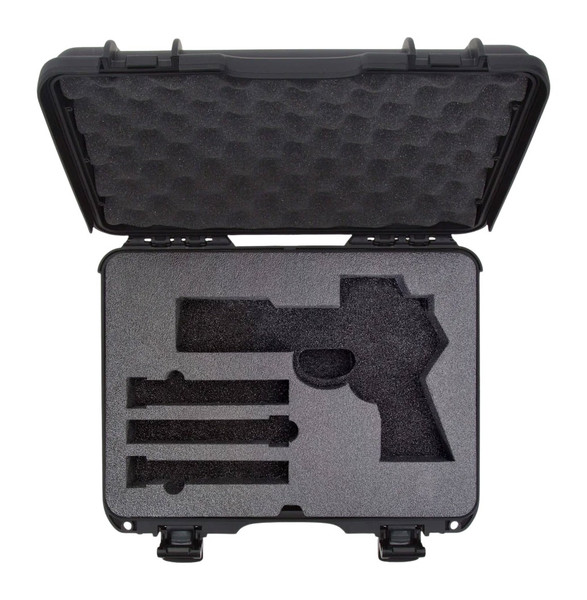
NANUK 910 Pistol Optic Ready Case Black / Custom Foam
NANUK (PLASTICASE INC)OUR PRICE: $99.95The NANUK 910 Pistol Optic Ready Case is a compact hard-sided handgun case designed to protect and transport one compatible classic-style or Glock pistol equipped with a mounted optic. Its... -

NANUK 910 Pistol Optic Ready Case Graphite / Custom Foam
NANUK (PLASTICASE INC)OUR PRICE: $99.95The NANUK 910 Pistol Optic Ready Case is a compact hard-sided handgun case designed to protect and transport one compatible classic-style or Glock pistol equipped with a mounted optic. Its... -
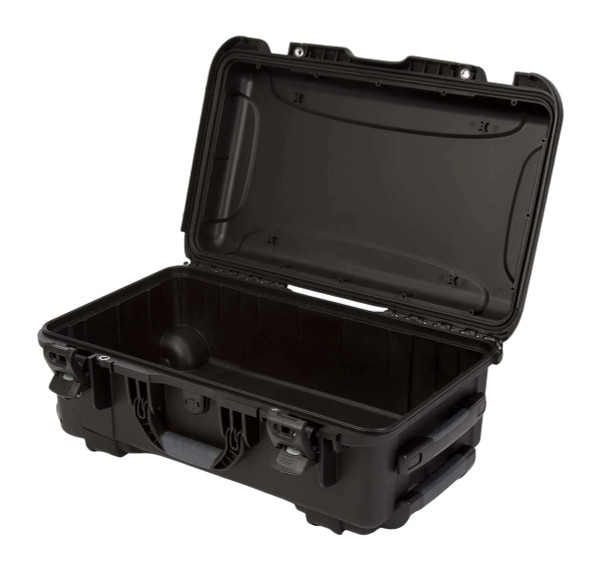
NANUK 935 Wheeled Waterproof Protective Case Black
NANUK (PLASTICASE INC)OUR PRICE: $219.95The NANUK 935 is a wheeled waterproof protective case designed to organize, protect, and transport firearms, optics, electronics, camera equipment, tools, medical supplies, and other sensitive gear... -
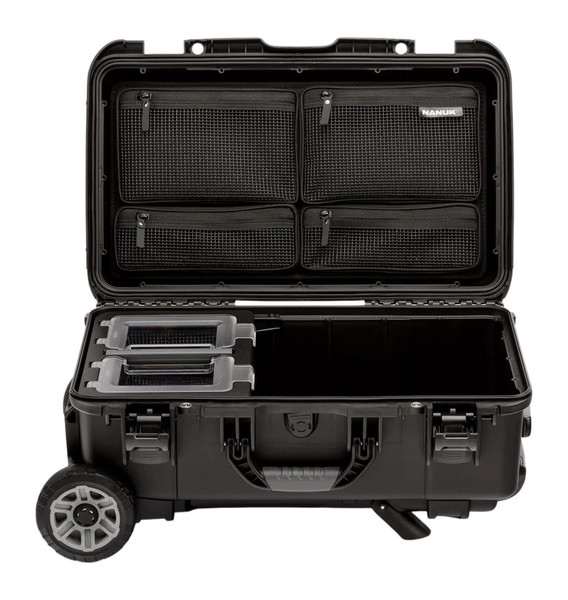
NANUK Trail 30 Wheeled IP67 Waterproof Outdoor Gear Case / Black
NANUK (PLASTICASE INC)OUR PRICE: $299.95The NANUK Trail 30 is a wheeled waterproof outdoor gear case designed to protect, organize, and transport equipment for hunting, fishing, camping, boating, overlanding, and rugged travel. Its 28... -

MTM Smoke Chronograph Watch Case
MTMOUR PRICE: $12.99MTM Xero Chronograph Case Smoke The MTM Xero Chronograph Case is built to protect and transport your compatible Garmin Xero chronograph with a compact, durable storage solution. Finished in smoke,... -
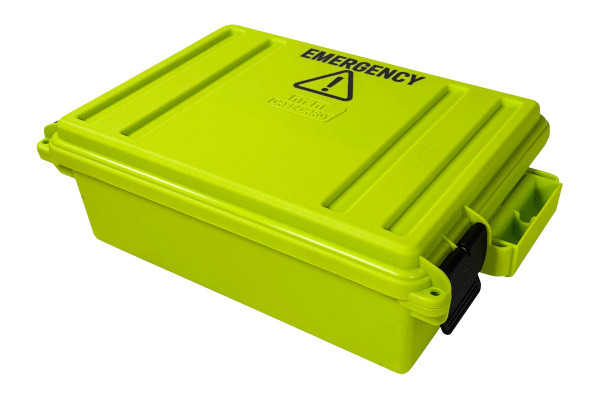
MTM Emergency Box 3 Yellow Green, Model EB3, Compact Storage Container
MTMOUR PRICE: $20.99MTM Emergency Box 3 in Yellow Green The MTM EB3 Emergency Box 3 is a durable, compact storage container designed for versatile use. Constructed with high-quality materials, this emergency box... -
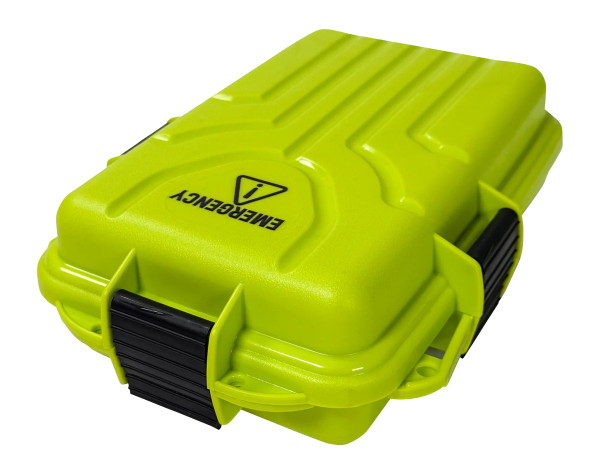
MTM Emergency Box 1 Yellow Green Storage Container
MTMOUR PRICE: $14.99MTM EB1 EMERGENCY BOX 1 YLLW GRN The MTM EB1 Emergency Box is a compact and durable storage solution designed for quick access during emergencies. Its bright yellow-green color... -

MTM Emergency Box 2 Yellow Green Storage Container
MTMOUR PRICE: $15.99MTM EB2 EMERGENCY BOX 2 YLLW GRN The MTM EB2 Emergency Box 2 is a compact storage solution designed for organizing and protecting essential items. Its bright yellow-green color... -

MTM PRK Pistol Range Kit Clear Red
MTMOUR PRICE: $39.99MTM PRK PISTOL RANGE KIT CLEAR RED The MTM PRK Pistol Range Kit in clear red is designed for safe and organized pistol shooting practice. This kit includes essential accessories to...
