
Raven Rock Armory
Tactical Pants, Hunting Pants & Outdoor Field Pants
Shop tactical pants, hunting pants, cargo pants, field pants, range pants, work pants, and outdoor bottoms at Raven Rock Armory. Compare fit, fabric, pocket layout, stretch, reinforcement, weather resistance, camouflage patterns, knee construction, belt-loop compatibility, and mobility for range, hunting, outdoor, training, work, and everyday use.
Learn more about tactical pants, hunting pants & outdoor field apparel
Tactical, hunting, field, and outdoor pants are designed around combinations of mobility, durability, storage, weather protection, reinforcement, and comfort. The right pair depends on fit, fabric, pocket layout, temperature, activity level, terrain, footwear, and the belts or other equipment worn with them.
Tactical Pants
Tactical pants may use reinforced fabrics, cargo pockets, articulated knees, stretch panels, gusseted construction, multiple utility pockets, reinforced belt loops, and abrasion-resistant materials for range, training, work, and field applications.
Hunting Pants
Hunting pants may emphasize camouflage, quiet fabrics, insulation, moisture management, weather resistance, brush protection, stretch, ventilation, and compatibility with boots or base layers.
Choosing Pants
- Fit: Compare waist, inseam, rise, seat, thigh, and leg measurements using the manufacturer's sizing chart.
- Fabric: Consider cotton, polyester, nylon, ripstop, stretch blends, softshell materials, or insulated construction.
- Pockets: Compare cargo, hand, rear, magazine, utility, tool, and zippered storage.
- Mobility: Look for stretch panels, articulated knees, gussets, or other construction intended to improve movement.
- Weather: Consider ventilation, insulation, water resistance, wind resistance, and drying characteristics.
Cargo Pants
Cargo pants use additional leg pockets for carrying tools, magazines, gloves, notebooks, personal items, or other equipment. Pocket size, closure style, placement, and internal organization vary by design.
Field Pants
Field pants generally emphasize durable construction and mobility for outdoor, training, work, hunting, or other active environments. Reinforced knees, seat panels, cargo storage, and abrasion-resistant fabrics are common features.
Range Pants
Range-oriented pants may prioritize comfortable movement, secure pockets, reinforced belt loops, and compatibility with holsters, magazine pouches, gun belts, and other equipment.
Work Pants
Work-oriented pants may use heavier fabrics, reinforced knees, tool pockets, utility loops, abrasion-resistant construction, or other durability features.
Lightweight Pants
Lightweight tactical and outdoor pants can improve airflow and comfort in warm conditions while reducing bulk during hiking, training, travel, range use, or field activities.
Cold-Weather Pants
Cold-weather pants may use fleece linings, synthetic insulation, wind-resistant shells, softshell materials, or room for insulating base layers.
Softshell Pants
Softshell pants commonly combine stretch, wind resistance, breathability, and some resistance to light moisture. Exact weather performance depends on the fabric and treatment.
Rain Pants
Rain pants use waterproof or water-resistant construction intended to reduce moisture penetration. Membranes, coatings, seam sealing, ventilation, and side zippers vary by model.
Waterproof vs. Water-Resistant
Water-resistant materials may handle light precipitation but should not automatically be treated as waterproof. Review the manufacturer's stated performance for the exact garment.
Wind Resistance
Denser fabrics, laminates, membranes, and insulated constructions can reduce wind penetration and improve comfort in exposed conditions.
Breathability
Breathable fabrics and ventilation features help manage heat and moisture during active use. Performance varies with fabric, humidity, temperature, and activity level.
Ventilation Zippers
Some hunting and technical pants include thigh or leg ventilation openings to increase airflow during periods of higher activity.
Stretch Fabric
Stretch materials can improve movement while kneeling, climbing, hiking, bending, or changing shooting positions.
Gusseted Crotch
Gusseted construction adds fabric between major seams to improve mobility and reduce stress during wide or dynamic movement.
Articulated Knees
Pre-shaped knee construction follows the natural bend of the leg and can improve comfort while kneeling, crouching, or moving.
Reinforced Knees
High-wear knee areas may use additional fabric layers or heavier materials to increase abrasion resistance.
Knee Pad Compatibility
Some tactical pants include internal or external pockets for compatible knee pads. Pad size and attachment systems vary by manufacturer.
Reinforced Seat
Reinforced seat areas can increase durability where pants experience frequent contact with rough surfaces or equipment.
Ripstop Pants
Ripstop fabrics use reinforced woven patterns intended to help limit the spread of small tears. Material weight and fiber content vary between products.
Nylon Pants
Nylon is commonly used in lightweight field and outdoor apparel because it can provide good abrasion resistance, low weight, and relatively fast drying.
Polyester Pants
Polyester can provide durability, moisture management, and quick drying and is frequently used in performance and outdoor apparel.
Cotton Pants
Cotton provides comfort and a traditional feel but may retain more moisture and dry more slowly than many synthetic fabrics.
Blended Fabrics
Cotton-polyester, nylon-spandex, and other blends combine different properties such as comfort, durability, stretch, drying time, and abrasion resistance.
Cargo Pocket Layout
Cargo pockets may be large or low-profile and can include flaps, hook-and-loop closures, zippers, snaps, elastic organizers, or internal dividers.
Magazine Pockets
Some tactical pants include pockets sized for certain magazines or similarly shaped equipment. Exact fit depends on magazine size, orientation, pocket dimensions, and garment size.
Knife & Tool Pockets
Reinforced utility pockets may be designed for folding knives, lights, multitools, pens, or other small equipment.
Zippered Pockets
Zippered pockets can help secure keys, wallets, phones, and other personal items during active movement.
Low-Profile Pockets
Low-profile storage reduces external bulk compared with traditional cargo pockets and may be preferred for casual or concealed applications.
Belt Loops
Belt-loop width, spacing, reinforcement, and placement affect compatibility with gun belts, duty belts, holster mounts, and ordinary clothing belts.
Gun Belt Compatibility
Verify that belt loops can accommodate the width and thickness of the intended belt. Holster hardware may also require clearance around nearby loops.
Holster Compatibility
Pocket placement, belt loops, waistband height, and garment fit can influence the positioning of IWB and OWB holsters.
Knee & Thigh Mobility
Pocket contents and restrictive fabrics can affect mobility when kneeling or crouching. Avoid overloading pockets in areas that need to flex frequently.
Boot Compatibility
Leg opening size, cuff adjustment, inseam length, and fabric bulk can affect how pants fit over or inside hiking, hunting, tactical, or work boots.
Adjustable Cuffs
Drawcords, hook-and-loop tabs, elastic, snaps, and other cuff systems can help adjust the lower leg around boots.
Boot Hooks
Some hunting pants include hooks that attach to compatible boot laces to help reduce pant-leg movement or debris entry.
Camouflage Pants
Hunting pants are available in numerous camouflage patterns and earth tones designed for different environments and seasons.
Blaze Orange Apparel
Some hunting garments incorporate high-visibility colors. Applicable hunter-orange requirements vary by location and season.
Quiet Hunting Fabrics
Brushed or specially constructed fabrics may reduce noise caused by movement or contact with vegetation.
Brush Protection
Upland and field pants may use heavier fabrics or reinforcement to resist wear from brush, branches, thorns, and rough terrain.
Insect Protection
Certain outdoor garments may include factory-applied insect-repellent treatments. Follow the manufacturer's care and service-life information when present.
Sun Protection
Full-length pants provide physical coverage from direct sunlight. Some performance garments may also carry manufacturer-stated UPF ratings.
Base Layers Under Pants
Thermal or moisture-managing base layers may be worn beneath compatible pants for cold-weather activity. Garment fit should allow layering without excessive restriction.
Plate Carrier & Belt Compatibility
Pants worn with plate carriers and tactical belts should provide enough mobility while keeping belt-mounted equipment accessible.
Backpack Hip-Belt Compatibility
Bulky waistband pockets, belt hardware, or cargo placement may interact with backpack hip belts during extended hiking or hunting.
Pants Sizing
Apparel sizing is not standardized. Compare waist, inseam, rise, seat, thigh, and other available measurements with the manufacturer's sizing chart.
Waist Adjustments
Some tactical and outdoor pants include elastic panels, hook-and-loop tabs, internal drawcords, or other systems that provide limited waist adjustment.
Inseam Length
Correct inseam helps prevent excessive bunching or overly short leg coverage and affects how the pants interact with footwear.
Regular vs. Athletic Fit
Athletic fits may provide a closer cut through the seat and legs, while regular or relaxed fits generally provide additional room. Terminology varies by brand.
Washing Tactical & Outdoor Pants
Follow the manufacturer's care label. Technical coatings, stretch materials, waterproof membranes, camouflage treatments, and specialty fabrics may require specific washing methods.
Drying Pants
Excessive heat can affect synthetic fibers, stretch materials, coatings, waterproof membranes, elastic, and garment fit.
Restoring Water Repellency
Some technical pants use durable water-repellent treatments that may require manufacturer-approved cleaning or retreatment over time.
Inspecting Pants
Check seams, zippers, buttons, snaps, pockets, knees, seat, belt loops, cuffs, stretch panels, and fabric for excessive wear or damage.
Always Verify Manufacturer Specifications
Pant sizing, fabric, pocket layout, stretch, reinforcement, weather resistance, camouflage, knee-pad compatibility, belt-loop dimensions, and care requirements vary by manufacturer and model. Always review the current manufacturer's specifications for the exact apparel being considered.
Filter By
Products List
-

Leupold Storm Warden Rain Pants Ash Green Small
LeupoldOUR PRICE: $274.99LEU 187503 STORM WARDEN RAIN PANT ASH GREEN S The Leupold Storm Warden Rain Pants in ash green offer reliable waterproof protection for outdoor activities. Designed for durability and comfort,... -
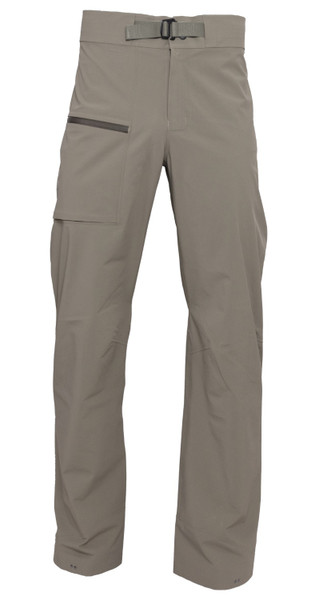
Leupold Storm Warden Rain Pant Ash Green Medium
LeupoldOUR PRICE: $274.99LEU 187504 STORM WARDEN RAIN PANT ASH GREEN M The Leupold Storm Warden Rain Pant in Ash Green offers reliable protection against rain and wet conditions. Designed for outdoor enthusiasts, this rain... -

Leupold Storm Warden Rain Pant Ash Green Large
LeupoldOUR PRICE: $274.99LEU 187505 STORM WARDEN RAIN PANT ASH GREEN L The Leupold Storm Warden Rain Pant in ash green offers reliable weather protection with a durable and lightweight design. Designed for outdoor... -

Leupold Storm Warden Rain Pant Ash Green XL
LeupoldOUR PRICE: $274.99LEU 187506 STORM WARDEN RAIN PANT ASH GREEN XL The Leupold Storm Warden Rain Pant in ash green offers reliable waterproof protection for outdoor activities. Designed to keep you dry in wet... -

Leupold Storm Warden Rain Pant Ash Green XXL
LeupoldOUR PRICE: $274.99LEU 187507 STORM WARDEN RAIN PANT ASH GREEN XXL The Leupold Storm Warden Rain Pant in ash green offers reliable protection against wet weather conditions. Designed for outdoor enthusiasts, this... -
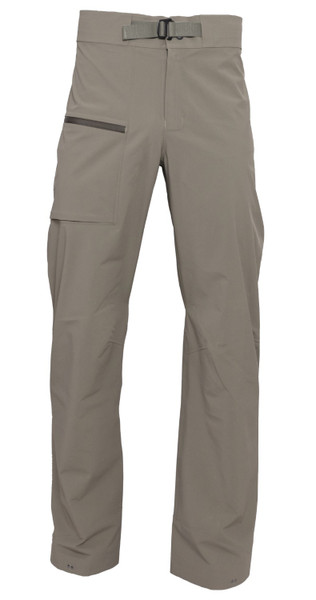
Leupold Storm Warden Rain Pants Ash Green XXXL
LeupoldOUR PRICE: $274.99LEU 187508 STORM WARDEN RAIN PANT ASH GREEN XXXL The Leupold Storm Warden Rain Pants in ash green are designed to provide reliable waterproof protection in challenging weather conditions...
