
Raven Rock Armory
Single Shot Shotguns for Hunting, Training & Sporting Use
Shop single shot shotguns from leading firearm manufacturers at Raven Rock Armory. Compare break-action hunting, field, youth, training, turkey, and recreational shotguns by gauge, chamber length, barrel length, stock dimensions, choke system, sights, trigger, hammer design, finish, weight, and factory specifications.
Learn more about single shot shotguns, gauges, barrels & configurations
Single shot shotguns are manually loaded firearms designed to hold one shotshell at a time. Most use a break-action design that opens at the breech for loading, unloading, and inspection. These simple sporting firearms are available for hunting, recreational shooting, supervised training, youth applications, collecting, and other lawful uses.
Single Shot Shotguns
A single shot shotgun does not use a repeating magazine system. After firing, the action must be manually opened and the firearm reloaded according to the manufacturer's design.
Break-Action Shotguns
Most single shot shotguns use a hinged barrel that pivots away from the receiver when the action is unlocked. This provides direct access to the chamber and allows straightforward inspection and cleaning.
Choosing a Single Shot Shotgun
- Gauge: Compare 12 gauge, 20 gauge, .410 bore, and other available chamberings.
- Intended Use: Consider hunting, recreational shooting, supervised training, youth use, collecting, or field applications.
- Barrel: Review barrel length, chamber length, choke configuration, sights, finish, and manufacturer specifications.
- Stock Fit: Compare length of pull, comb height, grip style, overall length, recoil pad, and firearm weight.
- Action & Controls: Verify hammer style, action release, safety system, extractor or ejector design, and trigger configuration.
12 Gauge Single Shot Shotguns
12 gauge single shot shotguns are available in hunting, recreational, field, turkey, and traditional sporting configurations. Barrel length, chamber size, stock design, and overall weight vary by model.
20 Gauge Single Shot Shotguns
20 gauge models can provide a lighter overall firearm than many comparable 12 gauge shotguns and are widely available for hunting, training, and recreational applications.
.410 Bore Single Shot Shotguns
.410 bore single shots are common in compact, youth, recreational, and small-game hunting configurations where lawful.
Other Gauges
Single shot shotgun platforms may be manufactured in additional gauges or specialty chamberings. Always verify the exact chamber marking and manufacturer specifications.
Hunting Single Shot Shotguns
Hunting models may emphasize lightweight construction, practical barrel lengths, durable stocks, weather-resistant finishes, sling provisions, interchangeable chokes, or specialized sighting systems.
Upland Hunting Shotguns
Lightweight single shot shotguns can be suitable for lawful upland hunting where a simple field firearm is preferred.
Small-Game Shotguns
Smaller gauges and .410 bore configurations are commonly used for lawful small-game applications when appropriate for the species and local regulations.
Turkey Single Shot Shotguns
Turkey-oriented single shots may include camouflage finishes, shorter barrels, fiber-optic sights, specialized choke systems, or optic mounting provisions.
Youth Single Shot Shotguns
Youth models may use shorter stocks, reduced length of pull, lighter weight, and smaller overall dimensions. Proper supervision, appropriate firearm fit, and safe handling instruction remain essential.
Training Shotguns
Single shot shotguns are often selected for supervised introductory instruction because they load one shell at a time and provide a visibly accessible chamber when the action is open.
Compact Shotguns
Some single shot shotguns use shorter stocks or compact overall dimensions while retaining manufacturer-compliant barrel and firearm configurations.
Traditional Single Shot Shotguns
Traditional models may use wood stocks, exposed hammers, blued barrels, fixed chokes, and straightforward break-action mechanisms.
Modern Single Shot Shotguns
Modern models may incorporate synthetic stocks, camouflage or coated finishes, interchangeable choke tubes, optic rails, fiber-optic sights, and other contemporary features.
Shotgun Chamber Length
Chamber length determines the maximum shell length approved for the firearm. Always use shotshells that match the exact gauge and chamber specification.
2 3/4-Inch Chambers
2 3/4-inch shells are widely used across hunting, recreational, and target shotgun applications. Compatibility depends on the firearm's chamber marking.
3-Inch Chambers
Three-inch chambers are common on many modern hunting-oriented single shot shotguns.
3 1/2-Inch Chambers
Selected 12 gauge single shot shotguns may be chambered for manufacturer-approved 3 1/2-inch ammunition. Verify the exact model before use.
Barrel Length
Barrel length affects overall dimensions, weight, balance, sight radius, swing characteristics, and intended sporting application.
Field Barrels
General hunting and field models are available with various barrel lengths depending on gauge, intended application, and manufacturer.
Turkey Barrels
Turkey-focused single shots may use relatively compact barrels with compatible choke systems and high-visibility sights.
Smoothbore Barrels
Most single shot shotguns use smoothbore barrels with either fixed or interchangeable choke systems.
Rifled Barrels
Selected single shot shotgun platforms may use rifled barrels intended for manufacturer-approved slug ammunition. Verify the exact firearm and ammunition compatibility.
Vent-Rib Barrels
Some single shot field or sporting configurations include a ventilated rib above the barrel.
Plain Barrels
Traditional single shots often use plain barrels without a raised rib, typically paired with a front bead or other simple sight.
Shotgun Chokes
Choke determines the constriction near the muzzle and influences shotshell pattern distribution. Configuration may be fixed or interchangeable.
Fixed Chokes
Traditional single shot barrels frequently use fixed choke constrictions such as manufacturer-specified cylinder, modified, full, or other configurations.
Interchangeable Choke Tubes
Many modern single shots accept removable choke tubes. Choke threading, gauge, dimensions, and ammunition ratings must match the exact firearm.
Extended Chokes
Extended choke tubes may project beyond the muzzle and can include visible markings or textured surfaces for easier identification.
Turkey Chokes
Specialized turkey chokes are available for compatible shotguns. Confirm barrel, choke, gauge, shell, and shot-material compatibility before use.
Steel-Shot Compatibility
Barrel and choke compatibility with steel and other non-lead shot varies by firearm. Always verify manufacturer ratings.
Break-Action Hinges
The hinge or pivot allows the barrel assembly to rotate away from the receiver. Hinge geometry and bearing surfaces vary by model.
Locking Systems
Single shot break actions use manufacturer-designed locking lugs, bolts, blocks, or other systems to secure the barrel when closed.
Action Release Controls
The action may unlock through a lever, button, latch, or other manufacturer-specific control.
Extractors
Extractors lift a shell or fired case from the chamber when the action opens, allowing manual removal.
Ejectors
Some single shot shotguns use ejectors that move a fired shell farther from the chamber when the action is opened. Exact operation varies by firearm.
Exposed Hammers
Many traditional single shot shotguns use an external hammer. Hammer position, cocking procedure, safety system, and operation vary by model.
Hammerless Designs
Some modern designs use enclosed firing components rather than a conventional exposed hammer.
Transfer-Bar Safety Systems
Certain hammer-fired models incorporate transfer bars or other internal safety mechanisms. Exact function should be confirmed from the owner's manual.
Manual Safeties
Some single shot shotguns include cross-bolt, lever, trigger, or other manually operated safety controls.
Automatic Safeties
Selected break-action designs may automatically place the firearm's safety into a manufacturer-defined position when the action opens.
Trigger Systems
Trigger pull weight, shape, travel, break, and internal design vary by shotgun.
Receiver Construction
Receivers may be constructed from steel, alloy, polymer-supported assemblies, or other manufacturer-specified materials depending on model.
Steel Receivers
Steel receiver construction is common on many traditional and modern single shot shotgun platforms.
Lightweight Receivers
Some compact or youth-oriented shotguns use materials or receiver designs intended to reduce total firearm weight.
Stock Materials
Stocks may use walnut, hardwood, laminate, polymer, composite, or other materials.
Wood Stocks
Wood-stocked single shots provide traditional appearance. Grain, color, checkering, finish, and stock dimensions vary.
Synthetic Stocks
Polymer and composite stocks are common on modern field and youth shotguns and can provide reduced maintenance.
Camouflage Stocks
Hunting models may use camouflage patterns on the stock, forearm, barrel, receiver, or complete firearm.
Stock Fit
Stock dimensions influence firearm fit and include length of pull, comb height, drop, grip shape, and buttpad configuration.
Length of Pull
Length of pull is measured from the trigger to the rear of the stock. Youth and compact models commonly use shorter dimensions than full-size shotguns.
Recoil Pads
Some single shot shotguns use rubber or synthetic recoil pads. Thickness, shape, and firmness vary by model.
Hard Buttplates
Traditional or lightweight firearms may use hard buttplates rather than padded recoil surfaces.
Shotgun Weight
Single shot shotguns can be relatively light because they do not require a repeating magazine or multi-barrel action. Weight still varies considerably by gauge, barrel, receiver, and stock.
Lightweight Field Shotguns
Lower firearm weight can make a shotgun easier to carry in the field, while also affecting balance and perceived recoil.
Recoil Characteristics
Perceived recoil depends on gauge, shotshell load, firearm weight, stock fit, recoil pad, shooting position, and individual shooter factors.
Front Bead Sights
A simple front bead is common on traditional single shot field shotguns.
Fiber-Optic Sights
Some hunting and turkey models use fiber-optic front or front-and- rear sight systems for increased visibility under suitable lighting.
Rifle-Style Sights
Slug-oriented models may include adjustable front and rear rifle-style sights.
Optics-Ready Single Shot Shotguns
Selected models provide factory rails, drilled-and-tapped mounting points, or other optic interfaces.
Red-Dot Sights
Compatible red-dot sights may be used on turkey, slug, and other specialized shotgun configurations equipped with an appropriate mounting interface.
Scope-Ready Slug Shotguns
Certain rifled-barrel or slug-oriented single shot shotguns provide scope mounting provisions. Verify base, ring, optic, and ammunition compatibility.
Shotshell Compatibility
Use only ammunition of the exact gauge and approved shell length marked for the firearm.
Target Loads
Target shotshells are available for recreational clay shooting and other sporting applications in several gauges and payloads.
Field Loads
Field ammunition is offered in multiple shot sizes, velocities, shot materials, and payloads appropriate to different lawful applications.
Upland Loads
Upland shotshells should be selected according to gauge, chamber, choke, lawful game species, and manufacturer recommendations.
Turkey Loads
Turkey ammunition varies by shell length, shot material, shot size, payload, and velocity. Verify choke and firearm compatibility.
Non-Lead Shot
Steel, bismuth, tungsten-based, and other non-lead shot materials may have specific barrel and choke requirements.
Slug Ammunition
Some single shot shotguns are designed for compatible slug ammunition. Verify whether the barrel is smoothbore or rifled and follow manufacturer ammunition guidance.
Cleaning a Single Shot Shotgun
Follow manufacturer instructions for unloading, opening the action, bore and chamber cleaning, hinge maintenance, extractor or ejector cleaning, lubrication, inspection, and storage.
Hinge Maintenance
Hinge and pivot surfaces should be kept clean and maintained only with products recommended by the firearm manufacturer.
Locking-Surface Inspection
The action should close and lock according to the manufacturer's design. Suspected looseness, damage, or improper lockup should be evaluated by qualified personnel.
Extractor & Ejector Maintenance
Extractor and ejector components should remain clean and free from damage or excessive fouling.
Choke-Tube Maintenance
Removable chokes should be cleaned and maintained according to the firearm and choke manufacturer's instructions.
Bore & Chamber Cleaning
Use brushes, patches, rods, and solvents appropriate for the shotgun's gauge, barrel material, finish, and choke system.
Wood Stock Care
Wood stocks should be protected from excessive moisture, heat, and aggressive solvents. Follow manufacturer recommendations for the exact finish.
Corrosion Prevention
Metal surfaces should be kept clean and dry and protected according to manufacturer guidance, particularly after exposure to rain, snow, mud, salt, or other environmental conditions.
Shotgun Storage
Single shot shotguns should be stored securely according to applicable law, household circumstances, manufacturer guidance, and responsible firearm-storage practices.
Shotgun Cases
Hard and soft shotgun cases are available in numerous dimensions. Account for barrel length, sights, optics, extended choke tubes, and other installed equipment.
Breakdown Storage
Some break-action shotguns can be separated into major assemblies for compatible fitted cases or compact storage according to manufacturer instructions.
Gun Safes
Long-gun safes and secure storage systems provide controlled access and organized storage for sporting firearms.
Transporting Single Shot Shotguns
Transportation requirements vary by jurisdiction and destination. Review applicable firearm, ammunition, vehicle, and case laws before travel.
Hunting Regulations
Hunting laws may specify gauge, shell length, shot material, ammunition type, season, species, and other firearm requirements. Verify current regulations for the specific hunt.
Youth Hunting Requirements
Youth hunting programs may have age, supervision, education, licensing, firearm, and ammunition requirements that vary by jurisdiction.
FFL Transfer Requirements
Single shot shotguns purchased online generally must be transferred through a federally licensed firearms dealer when required by applicable law. Buyer eligibility and transfer procedures depend on the transaction and jurisdiction.
State & Local Restrictions
Firearm, ammunition, hunting, transfer, transportation, and possession requirements vary by jurisdiction and may change over time. Buyers should verify current applicable requirements before ordering.
Compare Exact Model, SKU & UPC
Single shot shotguns with similar names may differ by gauge, chamber length, barrel length, choke configuration, stock dimensions, hammer design, sights, optic provisions, extractor or ejector, finish, weight, included accessories, and distributor package. Verify the exact manufacturer model number, SKU, UPC, and current specifications.
Always Verify Manufacturer Specifications
Single shot shotgun gauge, chamber length, barrel length, choke system, stock dimensions, hammer or striker design, trigger, safety, extractor or ejector, sights, optics compatibility, weight, finish, ammunition requirements, included equipment, and legal configuration vary by manufacturer and model. Always review the current manufacturer's specifications for the exact shotgun being considered.
Filter By
Products List
-

Silver Eagle Arms TR Lever410 Lever Action Shotgun in 410 Gauge
Silver Eagle ArmsOUR PRICE: $705.99Silver Eagle Arms LEVER410 Lever 410 Gauge Lever 2.50" 5+1 20" Black Steel Barrel, Brass Receiver, Fixed Walnut Stock The Silver Eagle Arms TR Lever410 is a modern lever-action shotgun chambered in... -

Century Centurion Survivor Shotgun 410
CenturyOUR PRICE: $131.99CIA SG8877-N CENTURION SURVIVOR SHOTGUN 410 The Century Centurion Survivor Shotgun 410 is a compact and reliable firearm designed for versatile use. This shotgun features a durable construction... -

JTS Shotgun Lonestike 410 26-Inch Wood
JTS SHOTGUN (XISICO USA)OUR PRICE: $193.99JTS LONESTRIKE 410 26" WOOD The JTS Shotgun Lonestike 410 with a 26-inch wooden stock offers a reliable and classic design suitable for hunting and sport shooting. This firearm combines durability... -

JTS Shotgun Lonestike 20 Gauge with 26-Inch Camouflage Barrel
JTS SHOTGUN (XISICO USA)OUR PRICE: $204.99JTS J020SSAC026 LONESTRIKE 20G 26" CAMO Experience reliable performance with the JTS Lonestike 20 Gauge shotgun, designed for hunting and sport shooting enthusiasts. Featuring a 26-inch camouflage... -
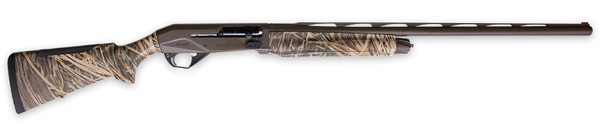
Weatherby XSG2028MAG Sorix Shadow Grass 20 Gauge Bolt-Action Shotgun with 28-Inch Barrel
WeatherbyOUR PRICE: $1,531.99WTHBY XSG2028MAG SORIX SHADDOW GRASS 20/28 3IN The Weatherby XSG2028MAG Sorix Shadow Grass is a versatile 20 gauge bolt-action shotgun designed for both hunters and shooters, including... -

CVA Scout Spur Model CR4919 Shotgun 28 Gauge Blued and Olive Drab Green
CVAOUR PRICE: $527.99CVA CR4919 SCOUT SPUR 28G BLUED/ODG CVA Scout Spur Model CR4919 Shotgun 28 Gauge Blued and Olive Drab Green The CVA Scout Spur Model CR4919 is a versatile 28-gauge shotgun designed for hunting and... -

CVA CR4918RTL Scout Spur 410 Gauge Shotgun
CVAOUR PRICE: $560.99CVA CR4918RTL Scout Spur 410 Gauge Shotgun The CVA CR4918RTL Scout Spur is a 410 gauge shotgun designed for versatile hunting and target shooting. It features a durable build with a reliable action,... -
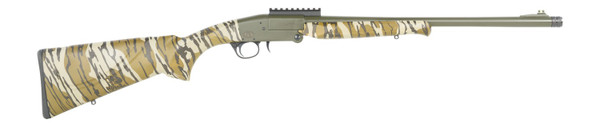
Charles Daly Chiappa Daly 930.424 101 Single Barrel Shotgun 20 Gauge Camouflage
Charles Daly ChiappaOUR PRICE: $234.99Charles Daly 930424 101 Full Size 20 Gauge Break Open 3" 1rd Black Steel Single Shot Barrel & Receiver w/Picatinny Rail, Fixed Mossy Oak Bottomland Synthetic Stock, Beretta Benelli Mobil Choke... -

Charles Daly Chiappa Daly 930.426 101 Single Barrel 20 Gauge Shotgun with Camouflage Stock
Charles Daly ChiappaOUR PRICE: $242.99Charles Daly 930426 101 Compact 20 Gauge Break Open 3" 1rd Black Steel Single Shot Barrel & Receiver w/Picatinny Rail, Fixed Mossy Oak Bottomland Synthetic Stock, Beretta Benelli Mobil Choke... -

JTS Shotgun Lonestike 410 26-Inch Black
JTS SHOTGUN (XISICO USA)OUR PRICE: $166.99JTS J410SSAS026 LONESTRIKE 410 26" BLK The JTS Lonestike 410 shotgun features a durable black finish and a 26-inch barrel, designed for reliable performance and smooth handling. Crafted by JTS... -

JTS Shotgun Lonestike 20 Gauge 26-inch Wood Stock
JTS SHOTGUN (XISICO USA)OUR PRICE: $180.99JTS J020SSAW026 LONESTRIKE 20G 26" WOOD The JTS J020SSAW026 Lonestike is a 20 gauge shotgun designed for hunting, sport shooting, and tactical applications. Built by JTS Shotgun (Xisico USA), it... -

JTS Shotgun Lonestroke 20 Gauge 28-Inch Wood Stock
JTS SHOTGUN (XISICO USA)OUR PRICE: $200.99JTS J020SSAW028 LONESTRIKE 20G 28" WOOD The JTS J020SSAW028 Lonestroke is a 20-gauge shotgun designed for reliable field and target use. Its 28-inch wood stock offers classic aesthetics and...
