
Raven Rock Armory
Gun Cases, Rifle Cases & Pistol Cases
Shop gun cases, rifle cases, shotgun cases, pistol cases, tactical firearm cases, hard cases, soft cases, scoped-rifle cases, and compatible transport accessories at Raven Rock Armory. Compare internal dimensions, padding, shell construction, closure systems, locking provisions, carrying options, storage compartments, and firearm configuration for range, hunting, field, travel, and general transport.
Learn more about gun cases, firearm transport & protective storage
Gun cases provide protective storage and transport for rifles, shotguns, handguns, optics, magazines, and related equipment. Designs range from lightweight soft-sided cases to rigid hard-shell cases with customizable interiors. The correct case depends on the firearm's overall dimensions, accessories, intended transport method, and required level of protection.
Rifle Cases
Rifle cases are designed around the length and profile of long guns and may accommodate traditional hunting rifles, modern sporting rifles, precision rifles, or other configurations. Scoped rifles, bipods, suppressors, large stocks, and extended magazines can increase the required interior dimensions.
Pistol Cases
Pistol cases provide compact storage for handguns and may include space for magazines, optics, lights, ammunition, or other accessories. Cases range from simple padded sleeves to rigid lockable containers with fitted or customizable foam interiors.
Shotgun Cases
Shotgun cases are available for sporting, hunting, tactical, and other shotgun configurations. Barrel length, stock style, optic height, magazine extensions, and accessories can affect the case length and internal clearance required.
Choosing a Gun Case
- Internal Dimensions: Measure the complete firearm configuration rather than relying only on model name or barrel length.
- Case Type: Compare hard-shell, soft-sided, padded, tactical, compact, and specialty firearm cases based on intended use.
- Padding: Consider foam thickness, padded panels, internal dividers, and how the firearm is supported inside the case.
- Locking Provisions: Check whether the case includes compatible lock points, zipper tabs, latches, or other security features.
- Accessories: Allow enough interior space for optics, lights, bipods, magazines, grips, suppressors, or other mounted equipment.
Hard Gun Cases
Hard firearm cases use rigid outer shells to provide structure and impact protection during transport. Construction may use molded polymer, composite materials, aluminum, or other rigid materials. Interior protection commonly includes foam or padded supports.
Soft Gun Cases
Soft cases typically use fabric shells with foam padding and zippered or buckled closures. They are generally lighter than hard cases and can be convenient for routine trips to the range, local hunting, or short-distance transport.
Tactical Rifle Cases
Tactical cases may include multiple compartments, magazine storage, accessory pockets, MOLLE webbing, backpack straps, reinforced handles, internal firearm retention straps, or other modular features.
Scoped Rifle Cases
A mounted optic increases the height and overall profile of a rifle. Cases intended for scoped rifles generally provide additional interior height or padding around the optic area. Measure the complete rifle before choosing a case.
Double Rifle Cases
Double-rifle cases can carry two compatible long guns or one firearm with additional equipment. Internal separators, retention straps, padding, and overall width vary substantially between models.
Compact & Takedown Cases
Folding, takedown, and compact firearms may fit in shorter cases than traditional long guns. Specialized cases can organize separated barrels, receivers, stocks, magazines, and accessories.
Foam Interiors
Hard cases commonly use solid foam, convoluted foam, layered foam, pick-and-pluck foam, or customizable inserts. Foam density and configuration influence how securely the firearm and accessories are supported.
Pick-and-Pluck Foam
Pick-and-pluck foam uses pre-scored sections that can be removed to create cavities around firearms or equipment. Plan the layout before removing foam to maintain adequate material between items and the case walls.
Custom-Cut Foam
Custom-cut foam can provide fitted spaces for specific firearms, magazines, optics, suppressors, tools, or other equipment. Configuration changes may require replacing or modifying the foam.
Interior Retention Straps
Some soft and tactical cases include hook-and-loop straps, webbing, or other retention systems intended to limit firearm movement inside the case during transport.
Case Length
Case length should be based on the firearm's actual overall length. Muzzle devices, adjustable stocks, suppressors, recoil pads, and other equipment can change the dimensions required.
Case Width & Height
Optics, bipods, vertical grips, large bolt handles, charging handles, extended magazines, and other accessories may require additional case width or interior depth.
Lockable Gun Cases
Some cases provide padlock holes, integrated locks, lockable zipper pulls, or other locking provisions. Security level varies widely, and a portable gun case should not automatically be considered equivalent to a dedicated safe or vault.
Travel & Airline Cases
Travelers should verify the current requirements of the airline, transportation provider, and applicable authorities before transporting firearms or ammunition. A case's general description as a travel case does not by itself confirm compliance with every carrier's requirements.
Weather-Resistant Cases
Some hard cases use gaskets, sealed latches, or specialized shell construction intended to reduce exposure to dust, moisture, or environmental conditions. The manufacturer's specific rating should be used when evaluating environmental protection.
Waterproof vs. Water-Resistant
Water-resistant construction should not be treated as waterproof. If protection from submersion or significant water exposure is required, verify the manufacturer's stated environmental rating or test standard for the exact case.
Pressure Equalization Valves
Some sealed hard cases include pressure-equalization valves designed to help balance internal and external air pressure during changes in altitude or environmental conditions.
Dust & Debris Protection
Sealed cases can help reduce exposure to dust or debris, but the actual level of protection depends on shell construction, gasket design, latch pressure, and manufacturer specifications.
Range Gun Cases
Cases used for routine range trips may prioritize quick access, lighter weight, magazine storage, shoulder straps, and accessory compartments over the heavier construction used in some travel cases.
Hunting Gun Cases
Hunting cases may emphasize lightweight construction, shoulder carrying, weather-resistant materials, quiet fabrics, or compatibility with scoped hunting rifles and shotguns.
Backpack-Style Gun Cases
Some tactical cases include backpack straps so long guns and equipment can be carried hands-free. Strap attachment points, padding, balance, and total loaded weight should be considered.
Carry Handles
Gun case handles may be molded, wrapped, stitched, rubberized, or reinforced. Heavier firearm configurations place greater stress on handles and attachment points during transport.
Shoulder Straps
Adjustable or padded shoulder straps can make soft cases easier to carry. Removable straps may allow the case to be configured differently depending on the trip.
Wheels & Rolling Cases
Larger hard cases may include wheels and pull handles to simplify movement through airports, ranges, or other locations. Wheel size, axle construction, handles, and overall loaded weight can affect portability.
Magazine & Accessory Storage
Some cases include dedicated pockets, sleeves, or compartments for magazines, ammunition, cleaning supplies, tools, hearing protection, or other accessories. Check dimensions when storing extended magazines or larger equipment.
Optics & Electronic Equipment
Red-dot sights, scopes, rangefinders, night-vision equipment, and other electronics can require additional protection from impact and moisture. Avoid placing heavy accessories where they can contact or damage mounted optics.
Suppressor Storage
Cases may include enough room for compatible suppressors or muzzle devices, either mounted or stored separately. Allow adequate space between metal components and other equipment.
Firearm Finish Protection
Interior materials should be kept clean and dry. Dirt, moisture, abrasive debris, chemicals, or contaminated foam can contact firearm finishes during storage.
Long-Term Storage
Portable firearm cases are generally designed primarily for transport and temporary storage. Long-term firearm storage needs may require additional consideration for security, humidity, ventilation, and manufacturer recommendations.
Moisture Inside Gun Cases
Avoid placing wet firearms or equipment into a closed case for extended periods. Allow the firearm and case interior to dry according to the applicable manufacturer instructions before storage.
Gun Cases vs. Gun Safes
A portable gun case can provide organization, transport, and varying levels of physical protection, but it should not automatically be considered equivalent to a dedicated firearm safe, vault, or other security container.
Vehicle Transport
Firearms and cases stored in vehicles may be exposed to heat, moisture, impact, theft risk, and other conditions. Follow applicable laws and use appropriate security practices for the location and circumstances.
Inspecting a Gun Case
Regularly inspect hinges, latches, zippers, handles, shoulder straps, wheels, lock points, foam, interior straps, stitching, seals, and exterior shell materials for wear or damage.
Cleaning a Gun Case
Follow the manufacturer's cleaning instructions for fabric, foam, polymer shells, metal hardware, gaskets, zippers, and other case materials. Allow all components to dry before storing firearms.
Confirm Firearm Fit
Firearm dimensions can change when optics, suppressors, bipods, grips, lights, extended magazines, or other accessories are added. Measure the actual configured firearm and compare it with the manufacturer's stated internal case dimensions.
Always Verify Manufacturer Specifications
Gun case dimensions, shell materials, padding, environmental protection, locking provisions, load capacity, internal layout, travel suitability, and firearm compatibility vary by manufacturer and model. Always review the current manufacturer's specifications for the exact case being considered.
Filter By
Products List
-

Pelican V100 Vault Small Pistol Case with Foam - Black
PelicanOUR PRICE: $49.95The Pelican V100 Vault Small Pistol Case is constructed with a polymer exterior and foam interior. It features press-and-pull latches, stainless steel lock hasps, padlock provision, and five layers... -

Muddy UTV Bow/Rifle Case
Walkers Game EarOUR PRICE: $170.99MUDDY MUD-CSE-UTV-MOBL UTV BOW/RIFLE CASE MOBL Muddy UTV Bow/Rifle Case is a protective gun case designed for UTV transport and storage. It accommodates a bow or rifle, providing a dedicated... -

Muddy UTV Bow/Rifle Case Peat
Walkers Game EarOUR PRICE: $163.99MUDDY MUD-CSE-UTV-PM UTV BOW/RIFLE CASE PEAT Muddy UTV Bow/Rifle Case Peat is a case designed for transporting and protecting a bow or rifle in a UTV environment. Its peat color provides a subdued... -
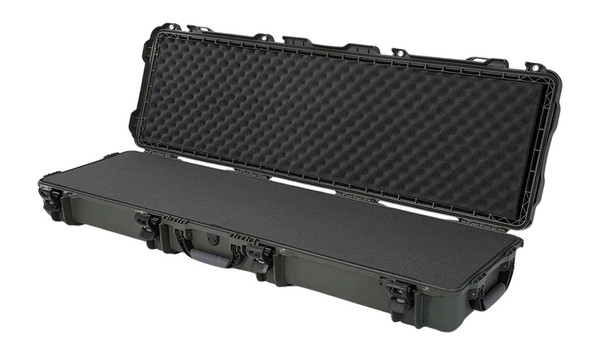
NANUK 995 Guncase with Foam Olive
NANUK (PLASTICASE INC)OUR PRICE: $299.95NANUK 995S-010OL-0A0 995 W/FOAM OLIVE NANUK 995 Guncase with Foam Olive is a protective guncase from NANUK designed for firearm storage and transport. This model includes foam and features an... -
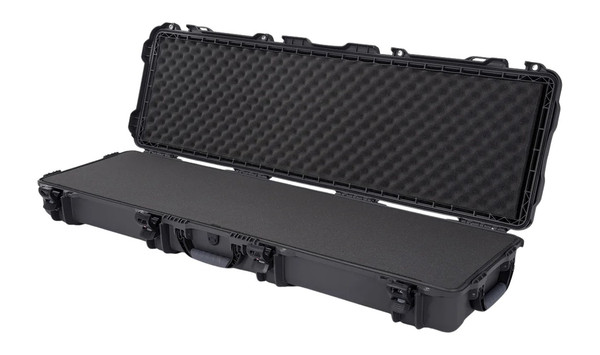
NANUK 995 Gun Case with Foam, Graphite
NANUK (PLASTICASE INC)OUR PRICE: $299.95NANUK 995S-010GP-0A0 995 W/FOAM GRAPHITE NANUK 995 Gun Case with Foam, Graphite is a protective guncase from NANUK, also identified by manufacturer part number 995S-010GP-0A0. This case is... -
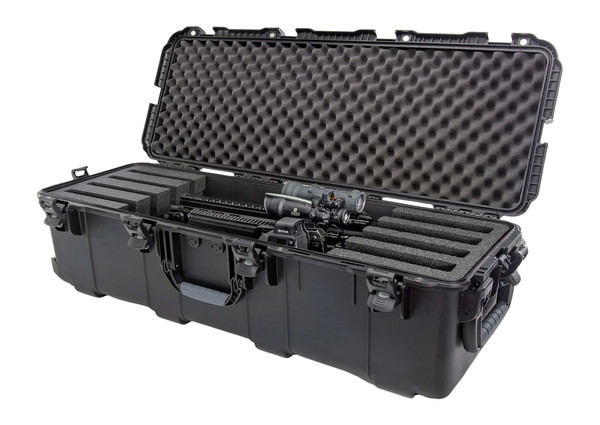
NANUK 988S-080BK-0A0-C0768 Standard Rifle Case
NANUK (PLASTICASE INC)OUR PRICE: $739.95The NANUK 988 4-Up Rifle Case is a large wheeled waterproof firearm case designed to protect and transport up to four compatible rifles measuring up to 39.75 inches long. Its precision-cut... -

NANUK 994 Single Rifle Case Black / Customizable Foam
NANUK (PLASTICASE INC)OUR PRICE: $229.95The NANUK 994 Single Rifle Case is a long protective firearm case designed to store and transport one compatible rifle measuring within its 51.3-inch interior length. Its customizable foam interior... -

NANUK 994 Single Rifle Case Desert Tan / Customizable Foam
NANUK (PLASTICASE INC)OUR PRICE: $229.95This waterproof hard rifle case is designed to protect and transport one compatible long gun measuring within its 51.3-inch interior length. Its customizable foam interior can be arranged around the... -
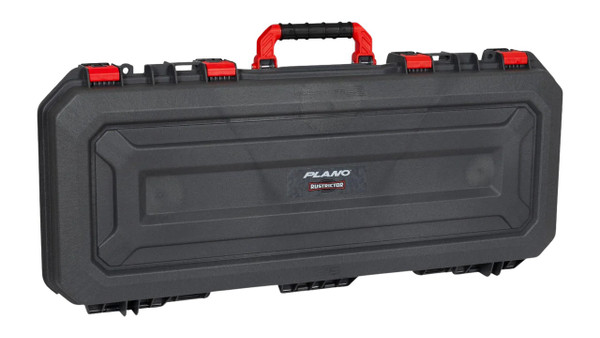
Plano 36 Inch Rifle Case / Rustrictor Black
PlanoOUR PRICE: $113.99PLANO PLA11836 36IN AW RFL CASE W/RUSTRICTOR BLK This Plano rifle case is designed to securely transport and protect rifles up to 36 inches in length. Its rugged construction and specialized features... -
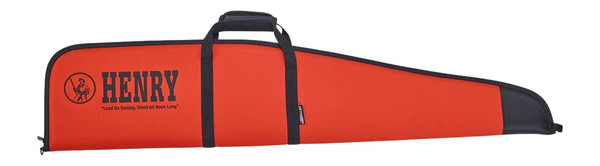
Allen Henry Hunter Orange Rifle Case 44 inches
AllenOUR PRICE: $25.99ALLEN HENRY HUNTER ORANGE RIFLE CASE 44" Protect your firearm with the Allen Henry Hunter Orange Rifle Case, designed to provide secure transportation and storage for rifles up to 44 inches in length... -

US PeaceKeeper USP P15053 38-Inch Standard Rifle Case in Black
US PeaceKeeperOUR PRICE: $25.99USP P12038 STANDARD RFL CASE 38" BLK The US PeaceKeeper USP P15053 38-inch standard rifle case is designed to provide secure and reliable transport for your rifle. Constructed with durable materials... -

US PeaceKeeper USP P12040 Standard Rifle Case 40 Inches Black
US PeaceKeeperOUR PRICE: $26.99USP P12040 STANDARD RFL CASE 40" BLK The US PeaceKeeper USP P12040 Standard Rifle Case is designed to provide secure and reliable protection for your rifle during transport and storage. Constructed... -

US PeaceKeeper P12044 Standard Rifle Case 44 Inches Black
US PeaceKeeperOUR PRICE: $28.49USP P12044 STANDARD RFL CASE 44" BLK The US PeaceKeeper P12044 Standard Rifle Case is designed to provide secure and reliable transport for your rifle. Crafted for durability and ease of use, this... -

US PeaceKeeper USP P20135 MSR Case 35-inch OD Green Gun Case
US PeaceKeeperOUR PRICE: $40.99USP P20135 MSR CASE 35IN ODG The US PeaceKeeper USP P20135 MSR Case is a durable and reliable gun case designed to securely transport and store your long firearms. With a 35-inch length, it... -
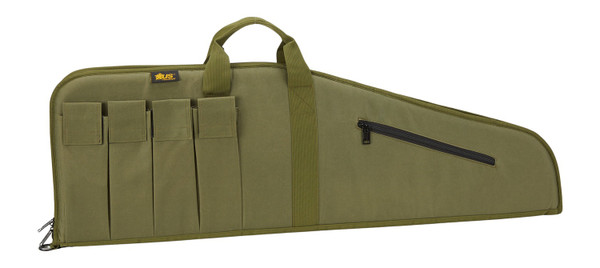
US PeaceKeeper USP P20140 MSR Case 40-Inch Olive Drab Gun Storage Case
US PeaceKeeperOUR PRICE: $43.99USP P20140 MSR CASE 40IN ODG The US PeaceKeeper USP P20140 MSR Case is a durable and secure storage solution designed specifically for modern sporting rifles and other long firearms. With a 40-inch... -
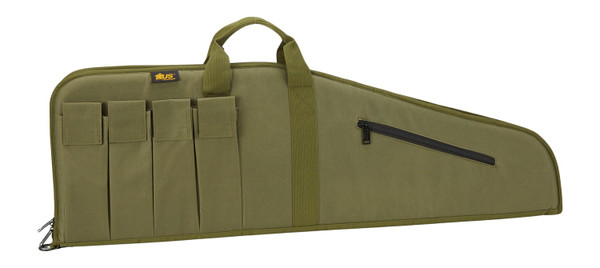
US PeaceKeeper P20145 MSR Gun Case 45 Inches Olive Drab
US PeaceKeeperOUR PRICE: $48.99USP P20145 MSR CASE 45IN ODG The US PeaceKeeper P20145 MSR Gun Case is designed to securely transport and store your modern sporting rifle or similar firearms. With a durable construction and... -
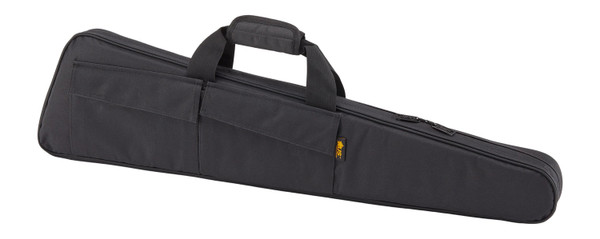
US PeaceKeeper P30033 Pistol Grip Shotgun Case 33 inches
US PeaceKeeperOUR PRICE: $33.99USP P30033 PISTOL GRIP SG CASE 33IN The US PeaceKeeper P30033 pistol grip shotgun case is designed to provide secure, durable storage and transport for your shotgun. With a length of 33 inches, it... -
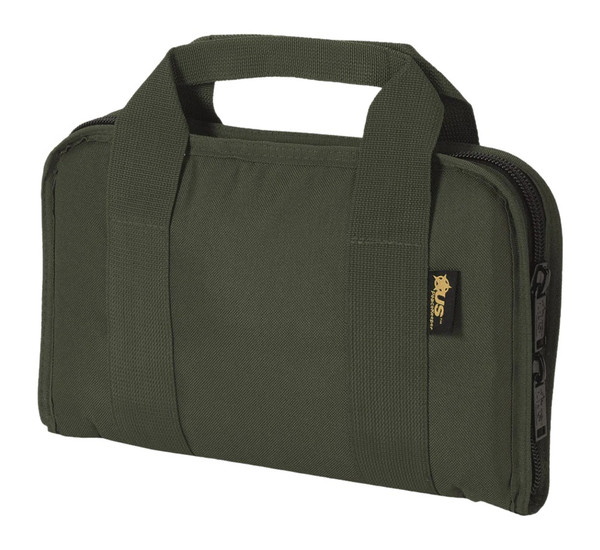
US PeaceKeeper P21107 Attache Case ODG Carrying Bag
US PeaceKeeperOUR PRICE: $17.99USP P21107 ATTACHE CASE ODG The US PeaceKeeper P21107 Attache Case ODG is a durable and functional carrying bag designed for secure storage and transport of firearms, accessories, or documents... -
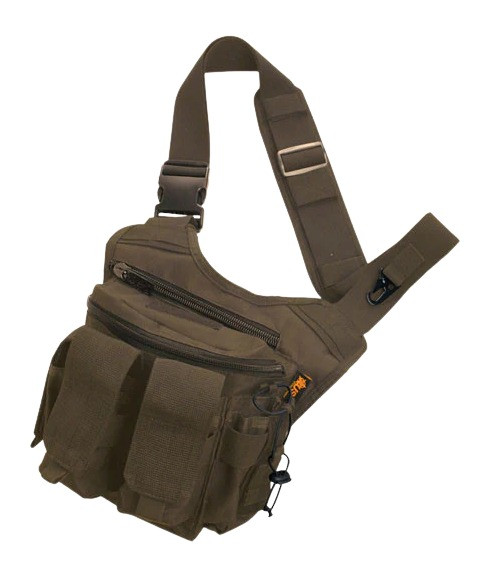
US PeaceKeeper P40305 Rapid Deployment Pack Tan Carrying Bag
US PeaceKeeperOUR PRICE: $45.99USP P40305 RAPID DEPLOYMENT PACK TAN The US PeaceKeeper P40305 Rapid Deployment Pack in tan offers a durable and versatile solution for carrying essential gear. Designed for quick access and ease of... -

US PeaceKeeper Suburban Sidekick Gun Case 8.25 x 5.5 x 2.25 Inches Black
US PeaceKeeperOUR PRICE: $24.49USP P27105 SUBURBAN SIDEKICK 8.25X5.5X2.25 BLK The US PeaceKeeper Suburban Sidekick gun case offers a compact and reliable storage solution for your firearm. Designed for convenience, this case... -

US PeaceKeeper P22039 EDC Pocket Organizer Black and Tan
US PeaceKeeperOUR PRICE: $10.99USP P22039 EDC POCKET ORGANIZER BLK/TAN The US PeaceKeeper P22039 EDC Pocket Organizer is designed to keep your essential items organized and easily accessible. Crafted with durable materials, this... -
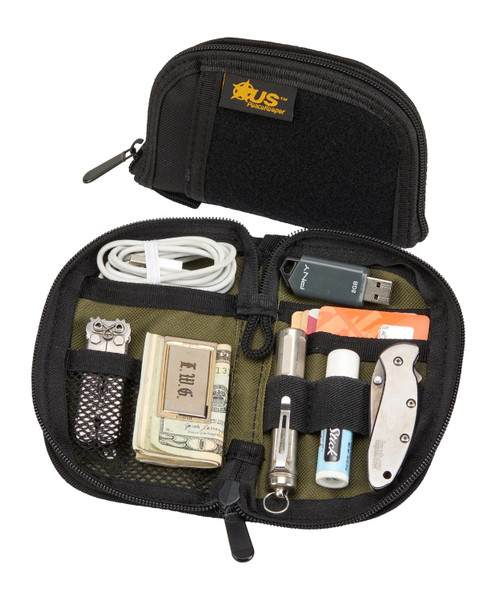
US PeaceKeeper P22036 EDC Pocket Organizer Black/Od Green
US PeaceKeeperOUR PRICE: $10.99USP P22036 EDC POCKET ORGANIZER BLK/ODG The US PeaceKeeper P22036 EDC Pocket Organizer is designed to provide convenient and organized storage for everyday carry essentials. Its compact size makes... -

US PeaceKeeper P22045 EDC Pocket Organizer Black
US PeaceKeeperOUR PRICE: $12.99USP P22045 EDC POCKET ORGANIZER BLK The US PeaceKeeper P22045 EDC Pocket Organizer is designed to help you keep your essential gear organized and easily accessible. Its compact size makes it ideal... -
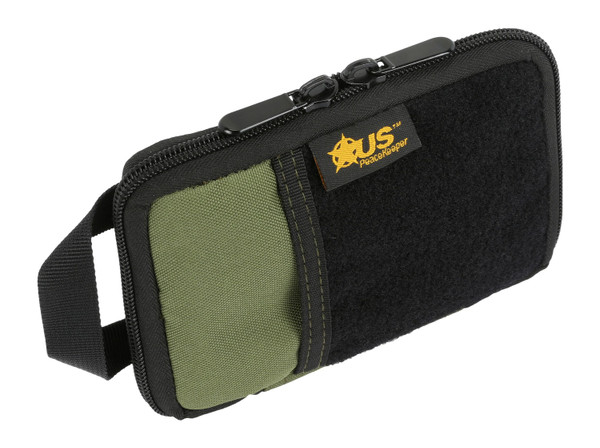
US PeaceKeeper P22046 EDC Pocket Organizer for Carrying Bags
US PeaceKeeperOUR PRICE: $12.99USP P22046 EDC POCKET ORGANIZER ODG The US PeaceKeeper P22046 EDC Pocket Organizer is designed to efficiently organize your essential tools and accessories within your carrying bags. Compact and... -
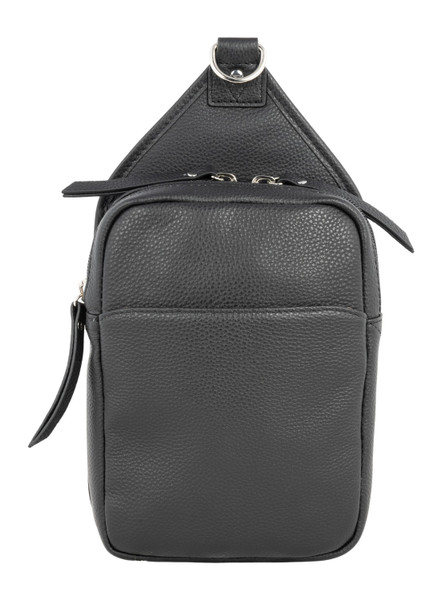
Kingport Industries LLC GTM-106/PB Black Compact Sling Crossbody Bag
KINGPORT INDUSTRIES LLCOUR PRICE: $139.95GTM GTM-106/PB BLACK COMPACT SLING CROSSBDY-COW The Kingport Industries LLC GTM-106/PB Black Compact Sling Crossbody Bag is designed for versatile everyday carry and quick access to essentials. Its... -
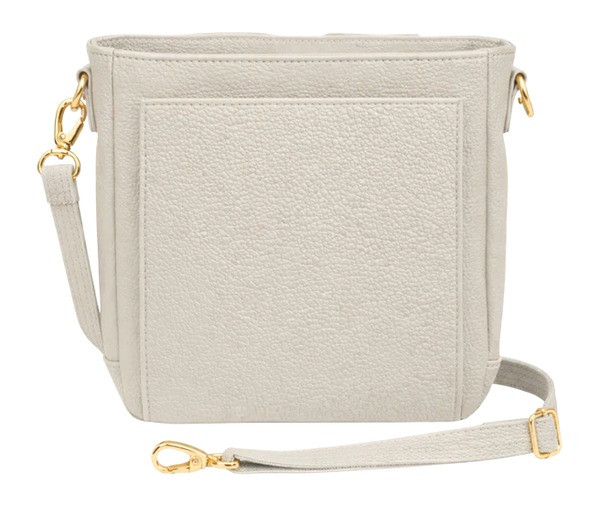
Kingport Industries LLC GTM-201/PB Bone Mini Slim Crossbody Bag in Cow Leather
KINGPORT INDUSTRIES LLCOUR PRICE: $149.95GTM GTM-201/PB BONE MINI SLIM CROSSBODY-COW The Kingport Industries LLC GTM-201/PB Bone Mini Slim Crossbody Bag offers a stylish and compact solution for everyday carry. Crafted from high-quality... -
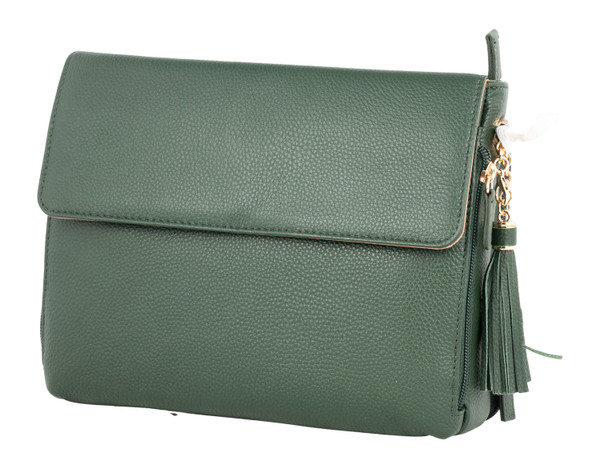
GTM GTM-22/PB FOREST CLUTCH PURSE CROSSBODY-COW
KINGPORT INDUSTRIES LLCOUR PRICE: $159.95GTM GTM-22/PB FOREST CLUTCH PURSE CROSSBODY-COW -

Kingport Industries LLC GTM-32/PB Bone Large Satchel Crossbody Bag
KINGPORT INDUSTRIES LLCOUR PRICE: $269.95GTM GTM-32/ PB BONE LARGE SATCHEL CROSSBODY-COW The Kingport Industries LLC GTM-32/PB Bone Large Satchel Crossbody Bag offers a stylish and functional accessory designed for everyday use. Crafted... -
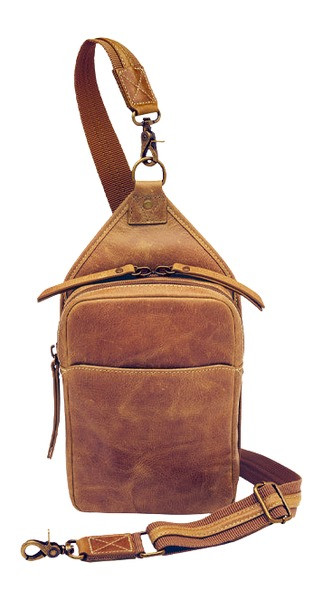
Kingport Industries LLC GTM-CZY/106 CRML Compact Sling Crossbody Bag - Buff
KINGPORT INDUSTRIES LLCOUR PRICE: $149.95GTM GTM-CZY/106 CRML COMPACT SLING CROSSBDY-BUFF The Kingport Industries LLC GTM-CZY/106 CRML Compact Sling Crossbody Bag offers a practical and stylish solution for carrying essential gear... -
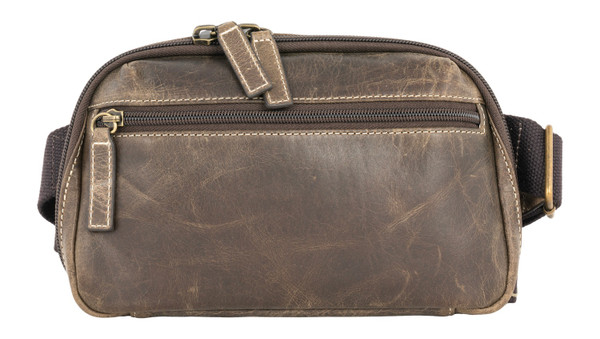
Kingport Industries LLC GTM-CZY/117 Brown Waitspack Crossbody Bag
KINGPORT INDUSTRIES LLCOUR PRICE: $110.95GTM GTM-CZY/117 BROWN WAITSPACK CROSSBODY-BUFF The Kingport Industries LLC GTM-CZY/117 Brown Waitspack Crossbody Bag is a versatile and stylish accessory designed for everyday use. Crafted with... -
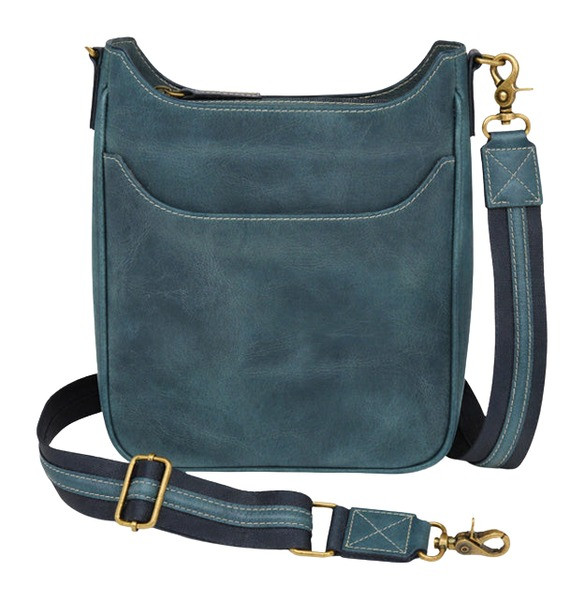
Kingport Industries LLC GTM-CZY/17 Blue Crossbody Slim Satchel – Buff Leather
KINGPORT INDUSTRIES LLCOUR PRICE: $155.95GTM GTM-CZY/17 BLUE CROSSBODY SLIM SATCHEL-BUFF The Kingport Industries LLC GTM-CZY/17 Blue Crossbody Slim Satchel offers a sleek, lightweight design perfect for everyday use. Crafted with durable... -
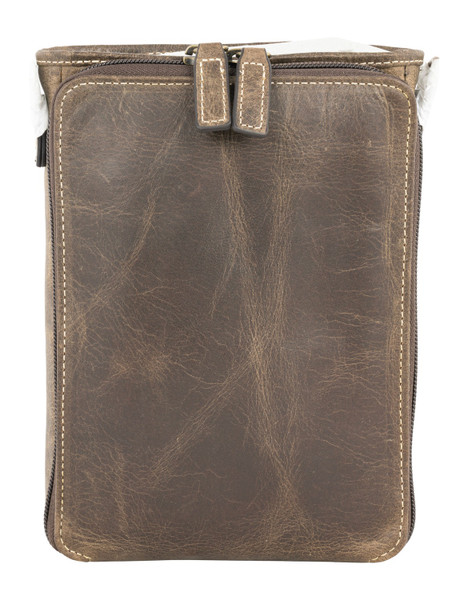
Kingport Industries LLC GTM-CZY/11 Brown Large Essentials Crossbody Bag
KINGPORT INDUSTRIES LLCOUR PRICE: $124.95GTM GTM-CZY/11 BROWN LRG ESSENTIALS CROSSBDY-BUFF The Kingport Industries LLC GTM-CZY/11 Brown Large Essentials Crossbody Bag is designed for versatile, everyday use. Crafted with durable materials... -
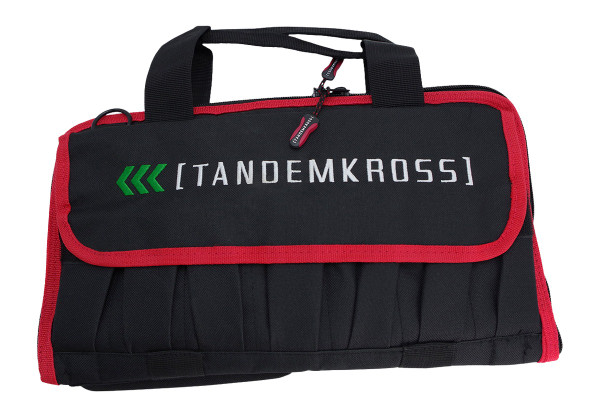
TANDEMKROSS Rim/Edge Takedown Case Red
TANDEM KROSSOUR PRICE: $29.99The TANDEM KROSS TK00N0353BGR1 Rim/Edge Takedown Case Designed for secure storage and transport of firearm components, featuring a durable construction with a vibrant red finish. This guncase... -
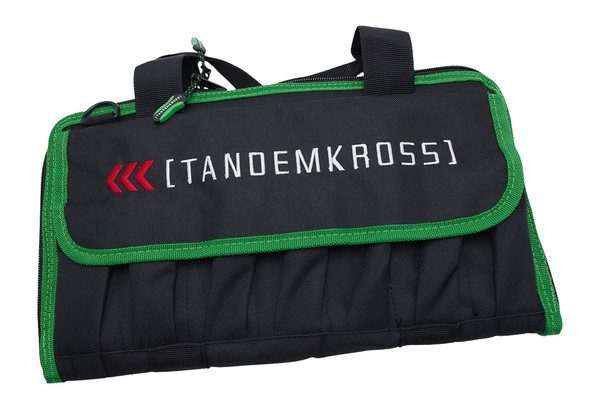
TANDEMKROSS Rim/Edge Tandemkase Green Guncase
TANDEM KROSSOUR PRICE: $29.99The Tandem kross TKOON0353BGG1 Rim and Edge Tandemkase Guncase is designed to securely store and transport your firearm components. Featuring a durable construction, this green gun case offers a... -

Weatherby 52-Inch Scoped Shotgun Soft Case
WeatherbyOUR PRICE: $67.99Weatherby ZMI4872 52-Inch Scoped Shotgun Soft Case The Weatherby ZMI4872 is a high-quality soft case designed to securely transport scoped shotguns measuring up to 52 inches in length. Crafted to... -

Kingport Industries GTM-117/PB Forest Waistpack Crossbody Bag
KINGPORT INDUSTRIES LLCOUR PRICE: $99.95GTM GTM-117/PBFOREST WAISTPACK CROSSBODY-COW This waistpack crossbody bag is designed for versatile everyday use, offering a compact and practical solution for carrying essentials. Its durable... -

Kingport Industries GTM-117/RSE Black Waitspack Crossbody Bag
KINGPORT INDUSTRIES LLCOUR PRICE: $115.95GTM GTM-117/RSE BLACK WAITSPACK CROSSBODY-LAMB This crossbody bag offers a sleek design with durable lamb leather construction, making it suitable for everyday carry and travel. Its compact size... -

Kingport Industries LLC Slim Purse Crossbody Bag in Blue
KINGPORT INDUSTRIES LLCOUR PRICE: $189.95GTM GTM-CZY/98BLUE SLIM PURSE CROSSBODY-BUFF This slim purse crossbody bag from Kingport Industries LLC offers a compact and stylish solution for carrying essentials. Designed with a lightweight... -
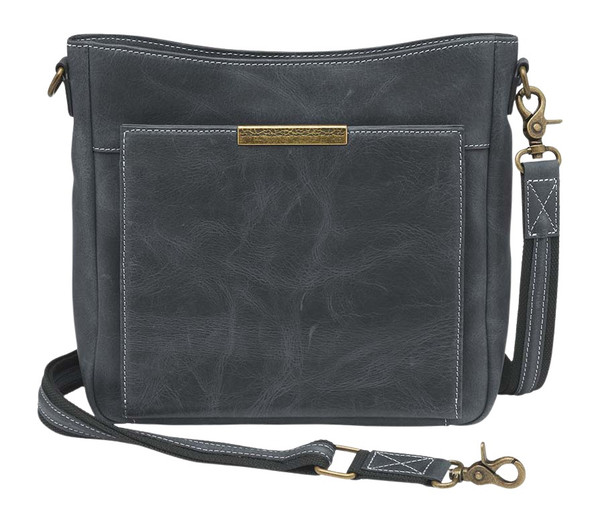
Kingport Industries LLC Slim Purse Crossbody Bag in Grey
KINGPORT INDUSTRIES LLCOUR PRICE: $189.95GTM GTM-CZY/98GREY SLIM PURSE CROSSBODY-BUFF This slim purse crossbody bag offers a practical and stylish accessory for everyday use. Designed for convenience, it provides a compact solution for... -

G*Outdoors GPS D965PCB First Aid Kit with Pistol Storage
G*OutdoorsOUR PRICE: $20.99GPS Bags D965PCB Discreet Case First Aid Kit w/ Black Finish & Holds 1 Handgun/2 Magazines This discreet handgun case from G*Outdoors provides a practical storage solution for a medium frame handgun...
