
Raven Rock Armory
Over / Under Shotguns for Hunting, Trap, Skeet & Sporting Clays
Shop over / under shotguns from leading firearm manufacturers at Raven Rock Armory. Compare field, upland, trap, skeet, sporting clays, competition, and hunting shotguns by gauge, chamber length, barrel length, choke system, stock dimensions, receiver design, ejector or extractor system, sights, finish, weight, and factory configuration.
Learn more about over / under shotguns, gauges, barrels & fit
Over / under shotguns use two vertically stacked barrels in a break-action configuration. They are widely used for upland hunting, clay-target sports, trap, skeet, sporting clays, competition, recreational shooting, and collecting. Models range from practical field guns to highly refined competition shotguns with adjustable stocks, extended choke systems, premium wood, and specialized barrel configurations.
Over / Under Shotguns
An over / under shotgun places one barrel above the other in a hinged break-action design. Opening the action exposes both chambers for loading, unloading, and inspection. Trigger system, barrel selection, extraction, ejection, safety, and choke configuration vary by manufacturer.
Choosing an Over / Under Shotgun
- Intended Use: Consider upland hunting, field use, trap, skeet, sporting clays, competition, recreational shooting, or collecting.
- Gauge: Compare 12 gauge, 20 gauge, 28 gauge, .410 bore, and other available configurations.
- Barrel Length: Barrel length influences overall balance, swing, weight, sighting plane, and intended sporting application.
- Stock Fit: Compare length of pull, drop, cast, comb height, grip style, recoil pad, and adjustability.
- Chokes: Verify fixed or interchangeable choke configuration and exact manufacturer compatibility.
12 Gauge Over / Under Shotguns
12 gauge over / under shotguns are widely used for sporting clays, trap, skeet, upland hunting, recreational shooting, and competition. Barrel length, chamber size, stock design, and overall weight vary substantially among models.
20 Gauge Over / Under Shotguns
20 gauge models are popular for upland hunting, field use, recreational shooting, and clay-target sports. They are often offered on smaller or lighter frames than comparable 12 gauge models.
28 Gauge Over / Under Shotguns
28 gauge over / under shotguns are popular among upland hunters and clay shooters who prefer the handling characteristics of smaller gauge sporting guns.
.410 Bore Over / Under Shotguns
.410 bore over / under models are available for recreational shooting, clay-target applications, lawful hunting, and collecting. They may be built on compact frames with relatively light overall weight.
Multi-Gauge Sporting Sets
Some premium or competition shotgun packages may include manufacturer-matched barrel sets, sub-gauge configurations, or other multi-gauge arrangements. Exact compatibility should be confirmed from the manufacturer.
Field Over / Under Shotguns
Field guns generally emphasize manageable weight, practical barrel lengths, traditional stock dimensions, durable finishes, and balance suitable for hunting.
Upland Shotguns
Upland over / unders may be configured for extended field carry and fast handling. Wood quality, engraving, receiver size, barrel length, and weight vary from practical working guns to premium sporting models.
Sporting Clays Shotguns
Sporting clays models may use longer barrels, adjustable stocks, extended choke tubes, ported or non-ported barrels, competition-oriented triggers, and increased overall weight.
Trap Shotguns
Trap-oriented over / under shotguns may feature specialized stock dimensions, high ribs, adjustable combs, longer barrels, and other features designed around the requirements of clay-target sports.
Skeet Shotguns
Skeet configurations may use barrel lengths, stock dimensions, chokes, and balance characteristics selected for the discipline. Exact competition requirements vary.
Competition Over / Under Shotguns
Competition shotguns can incorporate refined triggers, adjustable stocks, interchangeable chokes, high or adjustable ribs, specialized recoil systems, and other manufacturer-specific features.
Shotgun Chamber Length
Chamber length determines the shell lengths approved for the firearm. Always follow the chamber markings and manufacturer's ammunition specifications for the exact shotgun.
2 3/4-Inch Chambers
Many field and competition over / under shotguns use 2 3/4-inch chambers, particularly when configured for clay-target and general sporting ammunition.
3-Inch Chambers
Three-inch chambers are common on modern hunting and field over / under shotguns and provide compatibility with approved shell lengths up to the firearm's chamber specification.
Barrel Length
Barrel length influences the shotgun's total length, balance, weight, sighting plane, and swing characteristics. Field and competition models may use substantially different barrel lengths.
26-Inch Barrels
Approximately 26-inch barrels are found on selected compact and field-oriented over / under shotguns, although availability varies by gauge and manufacturer.
28-Inch Barrels
Twenty-eight-inch barrels are common across many field and sporting over / under shotguns.
30-Inch Barrels
Thirty-inch barrels are frequently offered on clay-target and competition-oriented models as well as selected hunting shotguns.
32-Inch & Longer Barrels
Longer barrels are commonly associated with some trap and sporting configurations where additional forward weight and a longer sighting plane may be desired.
Barrel Regulation
Double-barrel shotguns are manufactured so their barrels produce manufacturer-specified point-of-impact relationships. Exact regulation standards differ between manufacturers and models.
Ventilated Ribs
Most modern over / under sporting shotguns use a rib along the top barrel to provide a consistent sighting plane.
High Ribs
Some competition shotguns use elevated or high-rib configurations. These designs may correspond with specialized stock dimensions and intended disciplines.
Adjustable Ribs
Premium competition models may include adjustable-rib systems. Adjustment range and procedure should follow manufacturer instructions.
Side Ribs
Some barrel sets use ventilated or solid side ribs between the upper and lower barrels. Construction varies according to shotgun design.
Shotgun Chokes
Chokes influence shotshell pattern distribution. Over / under shotguns may use fixed chokes or removable choke tubes in one or both barrels.
Interchangeable Choke Tubes
Modern field and competition over / unders frequently use interchangeable choke tubes. Choke threading and dimensions are specific to the manufacturer's system.
Fixed Chokes
Traditional and selected premium shotguns may use fixed barrel constrictions rather than removable choke tubes.
Flush Chokes
Flush choke tubes fit approximately even with the muzzle and are available in various constrictions.
Extended Chokes
Extended choke tubes project beyond the muzzle and may include visible markings, knurled surfaces, or other convenience features.
Different Chokes in Each Barrel
Because an over / under has two barrels, each barrel may use a different choke constriction when compatible with the firearm and intended application.
Steel-Shot Compatibility
Barrel and choke compatibility with steel or other non-lead shot varies. Verify the ratings for the exact firearm, choke, and ammunition before use.
Break-Action Design
Over / under shotguns use a hinged action. Opening the firearm exposes both chambers and operates the extractor or ejector system according to the shotgun's design.
Top Levers
Most modern over / unders use a receiver-mounted top lever to unlock the action. Shape, direction of movement, and internal lockwork vary by manufacturer.
Locking Systems
Break-action shotguns use locking lugs, bolts, bites, pins, or other systems to secure the barrels when the action is closed.
Extractors
Extractor systems lift shells from the chambers when the shotgun is opened so they can be removed manually.
Automatic Ejectors
Many over / under shotguns use ejectors designed to move fired shells farther from the chambers when the action opens. Exact operation varies.
Selective Ejectors
Some shotgun ejector systems distinguish between fired and unfired shells according to the firearm's mechanical design.
Single Triggers
Many modern over / under shotguns use a single trigger that fires the two barrels sequentially according to the shotgun's mechanism.
Selective Triggers
Some single-trigger designs allow the shooter to choose which barrel fires first. Control location and function vary by firearm.
Double Triggers
Certain traditional double-barrel firearms use separate triggers for each barrel, although this configuration is less common on modern over / under shotguns.
Mechanical Triggers
Some competition shotguns use mechanical trigger systems that do not rely on recoil to prepare the second firing sequence. Exact design varies by manufacturer.
Inertia Trigger Systems
Selected over / unders use inertia-assisted trigger systems. Operation should be understood from the shotgun manufacturer's owner's manual.
Trigger Pull
Trigger weight, travel, break, and reset vary among field and competition shotgun designs.
Automatic Safeties
Certain hunting shotguns automatically place the safety in a particular position when the action is opened. Exact operation varies by manufacturer.
Manual Safeties
Some over / under shotguns use a manually operated safety that remains under direct user control. Always consult the owner's manual for the exact system.
Barrel Selectors
The safety control may also function as a barrel selector on some models. Control layout and markings differ by manufacturer.
Receiver Construction
Over / under receivers may use steel, alloy, or other manufacturer-specified materials depending on gauge, price point, intended use, and firearm design.
Steel Receivers
Steel receivers are common on field and competition shotguns and may add weight compared with selected lightweight alloy designs.
Alloy Receivers
Some lightweight field guns use alloy receivers to reduce carrying weight. Structural design varies substantially among manufacturers.
Engraved Receivers
Decorative engraving ranges from simple machine-applied patterns to elaborate premium finishes. Exact decoration and finish should be verified for the listed firearm.
Case-Colored Finishes
Traditional-style receivers may use case-color-inspired or other decorative finishes depending on manufacturer and model.
Nickel & Silver-Tone Receivers
Sporting shotguns may use bright, satin, nickel-tone, silver-tone, or other receiver finishes for appearance and corrosion protection.
Wood Stocks
Walnut is widely used on over / under shotguns. Grade, grain, figure, checkering, oil finish, gloss finish, and coloration vary across manufacturers and price ranges.
Walnut Grades
Premium models may use higher-grade walnut with more pronounced figure and hand finishing, while practical field guns may use more straightforward wood selections.
Checkering
Stocks and forearms may use cut, pressed, laser, or manufacturer-specific checkering patterns.
Pistol-Grip Stocks
Pistol-grip stocks are common on hunting and sporting over / under shotguns and vary in radius, palm swell, grip thickness, and checkering.
Prince-of-Wales Grips
Selected field shotguns use more open or rounded grip shapes sometimes described as Prince-of-Wales-style configurations.
Competition Stocks
Competition shotguns may use fuller grips, wider combs, adjustable components, longer length of pull, or other discipline-specific dimensions.
Adjustable Combs
Adjustable comb systems allow changes to cheekpiece height or lateral position within the design limits of the shotgun.
Adjustable Buttplates
Some competition stocks include buttplates that permit manufacturer-defined changes in position, angle, or length.
Length of Pull
Length of pull is measured from the trigger to the rear of the stock and is a key specification when evaluating shotgun fit.
Drop at Comb & Heel
Stock drop influences the relationship between the shooter's eye and barrel rib. Manufacturer dimensions should be reviewed when fit is important.
Cast
Cast describes lateral stock offset and can influence eye alignment. Some shotguns use neutral dimensions while others offer manufacturer-specific cast.
Recoil Pads
Sporting and hunting over / unders may use rubber, ventilated, competition, or manufacturer-specific recoil pads.
Shotgun Balance
Barrel length, barrel weight, receiver material, stock dimensions, and forearm design influence how an over / under balances and moves.
Shotgun Weight
Field models may prioritize lighter weight for carrying, while competition models may intentionally use greater weight for different balance and recoil characteristics.
Lightweight Field Guns
Lightweight over / under shotguns can be convenient for upland hunting and extended field carry.
Competition Shotgun Weight
Trap and sporting models may be heavier than comparable field guns because of longer barrels, heavier receivers, adjustable stocks, and other components.
Recoil Characteristics
Perceived recoil depends on gauge, shotshell load, firearm weight, stock dimensions, recoil pad, shooting position, and individual shooter factors.
Shotgun Fit
Proper shotgun fit involves more than overall length. Length of pull, drop, cast, comb shape, grip angle, buttpad placement, and individual body dimensions can all affect how the firearm mounts.
Youth & Compact Over / Unders
Selected manufacturers offer compact models with shorter stock dimensions or smaller frames. Manufacturer-listed dimensions should be compared carefully when evaluating fit.
Women’s & Reduced-Length Sporting Models
Some manufacturers offer shotguns with altered stock geometry, shorter length of pull, or different comb dimensions intended to fit a broader range of shooters. Fit should be evaluated individually rather than solely by product labeling.
Bead Sights
A front bead is the most common sighting reference on traditional field and sporting over / under shotguns.
Mid-Beads
Some competition and sporting shotguns include a smaller mid-bead along the rib as an additional visual reference.
Fiber-Optic Sights
Selected modern over / unders use fiber-optic front sight elements, particularly on competition-oriented models.
Optics on Over / Under Shotguns
Most traditional over / unders are designed around the barrel rib rather than optical sights, although specialized hunting or manufacturer-specific configurations may offer optic mounting provisions.
Shotgun Ammunition
Use only shotshells matching the exact gauge and chamber length approved for the firearm.
Target Loads
Target loads are commonly used for trap, skeet, sporting clays, and recreational clay shooting. Shot weight, velocity, shot size, and shell length vary.
Upland Loads
Upland hunting loads are available in different shot sizes, materials, velocities, and payloads. Ammunition should be appropriate for the lawful intended use.
Waterfowl Loads
Where applicable, waterfowl hunting may require approved non-lead shot. Verify barrel and choke compatibility with the selected shot material.
Steel & Non-Lead Shot
Compatibility with steel, tungsten-based, bismuth, or other non-lead shot varies by barrel, choke, and manufacturer. Review the shotgun and choke manufacturers' specifications.
Cleaning an Over / Under Shotgun
Follow manufacturer instructions for unloading, opening the action, barrel removal where applicable, bore cleaning, chamber cleaning, hinge maintenance, locking-surface care, lubrication, inspection, and reassembly.
Hinge Maintenance
Hinge pins, trunnions, bearing surfaces, or other pivot components should receive only the maintenance and lubrication specified by the manufacturer.
Locking-Surface Maintenance
Locking components should remain clean and function according to manufacturer specifications. Suspected looseness or damage should be evaluated by qualified personnel.
Ejector & Extractor Maintenance
Extractor and ejector components should be kept clean and inspected according to the shotgun manufacturer's maintenance guidance.
Choke-Tube Maintenance
Removable choke tubes should be cleaned and maintained according to the firearm and choke manufacturer's instructions.
Wood Care
Wood stocks and forearms should be protected from excessive moisture, heat, and harsh solvents. Follow manufacturer guidance appropriate to the finish.
Receiver & Barrel Care
Bluing, polished steel, stainless, coated, engraved, and other finishes require appropriate cleaning and corrosion protection.
Shotgun Storage
Over / under shotguns should be stored securely according to applicable law, household circumstances, manufacturer guidance, and responsible firearm-storage practices.
Shotgun Cases
Over / under shotguns may be transported in conventional full-length cases or fitted breakdown cases designed for separated barrel and receiver assemblies.
Fitted Cases
Premium sporting guns may include or accept fitted cases with dedicated compartments for the receiver, barrel set, choke tubes, and accessories.
Gun Safes
Long-gun safes and secure storage systems provide controlled access and organized storage for field and competition shotguns.
Transporting Over / Under Shotguns
Transportation requirements vary by jurisdiction and destination. Review applicable firearm, ammunition, vehicle, and case laws before travel.
Hunting Regulations
Hunting rules may specify gauge, shot material, ammunition, season, species, and firearm configuration. Verify current regulations for the specific hunt.
Competition Rules
Trap, skeet, sporting clays, and other competitions may have equipment, ammunition, gauge, and safety requirements established by the range or governing organization.
FFL Transfer Requirements
Over / under shotguns purchased online generally must be transferred through a federally licensed firearms dealer when required by applicable law. Buyer eligibility and transfer procedures depend on the transaction and jurisdiction.
State & Local Restrictions
Firearm, ammunition, hunting, transfer, and possession requirements vary by jurisdiction and may change over time. Buyers should verify current applicable requirements before ordering.
Compare Exact Model, SKU & UPC
Over / under shotguns with similar model names can differ by gauge, chamber length, barrel length, choke system, stock dimensions, receiver finish, ejector system, trigger configuration, weight, wood grade, included choke tubes, accessories, and distributor package. Verify the exact manufacturer model number, SKU, UPC, and current specifications.
Always Verify Manufacturer Specifications
Over / under shotgun gauge, chamber length, barrel length, choke system, stock dimensions, trigger, barrel selector, safety, extractor or ejector system, receiver construction, weight, finish, included equipment, ammunition compatibility, and legal configuration vary by manufacturer and model. Always review the current manufacturer's specifications for the exact shotgun being considered.
Filter By
Products List
-

EAA Balikli Blue Label Combo Shotgun 20/28 Gauge
EAAOUR PRICE: $752.99The EAA Balikli Blue Label Combo Shotgun offers versatility for shotgun enthusiasts with its 20 and 28 gauge options. Designed for general hunting and sporting purposes, this shotgun provides... -

Beretta 686 Silver Pigeon I 28 Gauge Over-under Shotgun / 28-Inch Steelium Vent Rib Barrel / Fixed Walnut Stock
Beretta USAOUR PRICE: $2,799.00The Beretta USA 686 Silver Pigeon I in 28 Gauge is a high-quality over-under shotgun designed for hunting and sport shooting. It features a 28-inch Steelium Vent Rib barrel that provides excellent... -

Beretta Silver Pigeon I Sporting 28 Gauge 30-inch Steelium Vent Rib Over-under Shotgun
Beretta USAOUR PRICE: $3,299.00The Beretta USA Silver Pigeon I Sporting shotgun features a 28 gauge with a 30-inch Steelium Vent Rib barrel, designed for optimal ballistics and dense, uniform shot patterns. The Steelium Optimabore... -

Beretta Silver Pigeon I Sporting 28 Gauge Shotgun with 30-Inch Steelium Vent Rib Barrel
Beretta USAOUR PRICE: $3,299.00The Beretta USA Silver Pigeon I Sporting combines exceptional craftsmanship with advanced ballistics, featuring the Steelium Optimabore HP barrels for dense, consistent patterns and reduced recoil... -

Rizzini Grand Regal Extra 16 Gauge Over/Under Shotgun with Hand Engraved Walnut Stock and 29-Inch Barrel
RIZZINI USAOUR PRICE: $15,795.00RIZ GRAND REGAL EXTRA 16GA This premium over/under shotgun features a luxurious grade 4 walnut stock, carefully hand-selected for quality and beauty. Designed for hunting and sporting enthusiasts, it... -
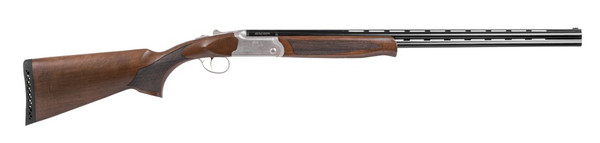
EAA Balikli Blue Label Over/Under Shotgun 410 Bore / Engraved Receiver
EAAOUR PRICE: $522.99EAA GIRSAN 336002 Balikli Blue Label Youth 410 Bore Break Open 3" 2rd 18.50" Blued Over/Under Vent Rib Barrel, Aluminum Pheasant Engraved Receiver, Fixed Turkish Walnut Stock The EAA Balikli Blue... -
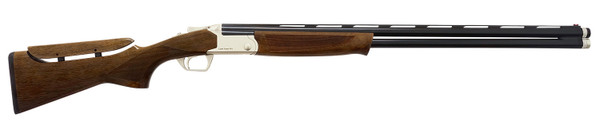
T R Imports Light Super 20 Gauge Over/Under Shotgun with 28-inch Barrel
T R ImportsOUR PRICE: $573.99T R Imports LSP2028 Light Super 20 Gauge 3" 2rd 28" Black Over/Under Vent Rib Barrel, Black Steel Receiver, Fixed Walnut Stock The T R Imports Light Super is a lightweight, durable over/under... -

Beretta 686 Silver Pigeon I .410 Gauge Shotgun 28 Inch Barrel Walnut Stock
Beretta USAOUR PRICE: $2,799.00Beretta 686 Silver Pigeon I .410 Gauge Shotgun 28 Inch Barrel Walnut Stock The Beretta USA J686F41028 686 Silver Pigeon I is a refined over-under shotgun built for shooters who appreciate classic... -
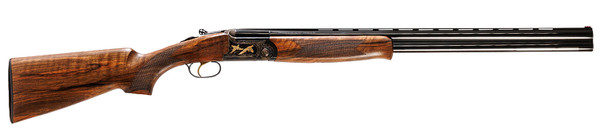
F.A.I.R. FR-SLX602-1628 SLX602 16 Gauge Over/Under Shotgun with 28-Inch Barrel and TechniChoke
F.A.I.R.OUR PRICE: $1,929.99F.A.I.R. FR-SLX602-1628 SLX602 16/28 The F.A.I.R. SLX602 is a reliable and well-crafted 16 gauge over/under shotgun designed for both hunting and sporting use. Featuring a 28-inch vent... -

RIZZINI USA Aurum Evo 12 Gauge Over/Under Shotgun 28 Inch Barrel with Prince of Wales Stock
RIZZINI USAOUR PRICE: $3,595.00Rizzini USA 2203-1228 Aurum EVO 12 Gauge Break Open 3" 2rd 28" Black Over/Under Vent Rib Barrel, Coin Anodized Receiver Engraved w/Game Scene, Fixed Turkish Walnut Stock w/Prince of Whales Grip The... -

EAA Balikli Blue Label 12 Gauge Over/Under Shotgun 28 Inch Vent Rib Barrel
EAAOUR PRICE: $483.99Girsan Balikli Blue Label 12 Gauge Break Open 2.50" 2rd 28" Blue Polished Over/Under Vent Rib Barrel, Engraved Silver Aluminum Receiver, Fixed Turkish Walnut Stock, 5 Mobil Chokes The EAA Balikli... -

EAA Balikli Blue Label 20 Gauge Over/Under Shotgun 26 inch Vent Rib Barrel
EAAOUR PRICE: $483.99Girsan Balikli Blue Label 20 Gauge Break Open 2.50" 2rd 26" Blue Polished Over/Under Vent Rib Barrel, Engraved Silver Aluminum Receiver, Fixed Turkish Walnut Stock, 5 Mobil Chokes The EAA Balikli... -

EAA Balikli Blue Label 28 Gauge Over/Under Shotgun with 26-inch Vent Rib Barrel
EAAOUR PRICE: $507.99Girsan Balikli Blue Label 28 Bore Break Open 2.50" 2rd 26" Blue Polished Over/Under Vent Rib Barrel, Engraved Silver Aluminum Receiver, Fixed Turkish Walnut Stock, 5 Mobil Chokes The EAA Balikli... -
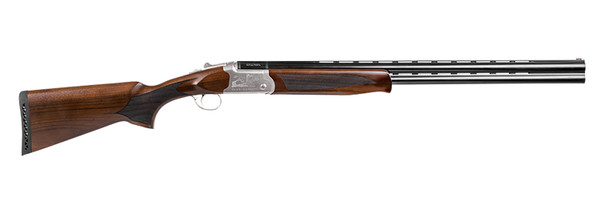
EAA Balikli Blue Label 410 Bore Over/Under Shotgun 26 inch Vent Rib Barrel
EAAOUR PRICE: $530.99Girsan Balikli Blue Label 410 Bore Break Open 2.50" 2rd 26" Blue Polished Over/Under Vent Rib Barrel, Engraved Silver Aluminum Receiver, Fixed Turkish Walnut Stock, 5 Mobil Chokes The EAA Balikli... -

Escort HEOD12280A01 Optima Over/Under 12 Gauge Shotgun with 28-Inch Barrel
EscortOUR PRICE: $550.99Escort HEOD12280A01 Optima 12 Gauge Break Open 3" 2rd 28" Over/Under Vent Rib Barrel, Aluminum Receiver, Turkish Walnut Stock The Escort HEOD12280A01 Optima Over/Under shotgun offers versatile... -

Escort HEOD20280A01 Optima Over/Under 20 Gauge Shotgun 28 Inch Barrel
EscortOUR PRICE: $550.99Escort HEOD20280A01 Optima 20 Gauge Break Open 3" 2rd 28" Over/Under Vent Rib Barrel, Aluminum Receiver, Turkish Walnut Stock The Escort HEOD20280A01 Optima Over/Under shotgun offers a versatile and... -

Escort HEOD28260A01 Optima Over/Under 28 Gauge Shotgun with 28-Inch Barrel
EscortOUR PRICE: $550.99Escort HEOD28260A01 Optima 28 Gauge Break Open 2.75" 2rd 28" Over/Under Vent Rib Barrel, Aluminum Receiver, Turkish Walnut Stock The Escort HEOD28260A01 Optima Over/Under shotgun offers reliable... -

Mossberg Silver Reserve Eventide Turkey Over/Under Shotgun 410 Gauge 20 Inch Barrel
MossbergOUR PRICE: $943.99Mossberg Silver Reserve Eventide 410 Gauge Break Open 3" 2rd 20" Overall Mossy Oak Greenleaf Over/Under Vent Rib Barrel, Receiver w/Engraved Logo, Mossy Oak Greenleaf Fixed Synthetic Stock The... -

Pointer REXFT912BBW12 12 Gauge Over/Under Shotgun 28 Inch Vent Rib Barrel Fiber Optic Sights
PointerOUR PRICE: $735.99Pointer REXFT912BBW12 FT912 Field Trek Full Size 12 Gauge Break Open 3" 2rd 28" Black Over/Under Vent Rib Barrel, Black Steel Receiver, Fixed Walnut Stock, Ambidextrous The Pointer REXFT912BBW12 is a... -

Pointer REXFT912BSW12 12 Gauge Over/Under Shotgun 28 Inch Vent Rib Barrel Fiber Optic Sights
PointerOUR PRICE: $735.99Pointer REXFT912BSW12 FT912 Field Trek Full Size 12 Gauge Break Open 3" 2rd 28" Black Over/Under Vent Rib Barrel, Silver Steel Receiver, Fixed Walnut Stock, Ambidextrous The Pointer REXFT912BSW12 is... -

Pointer REXST912BBL12 12 Gauge Over/Under Shotgun with 28-inch Barrel and Ambidextrous Stock
PointerOUR PRICE: $941.99Pointer REXST912BBL12 FT912 Sport Trek Full Size 12 Gauge Break Open 3" 2rd 28" Black Over/Under Vent Rib Barrel, Black Steel Receiver, Adj Comb Gray Laminate Stock, Ambidextrous The Pointer... -
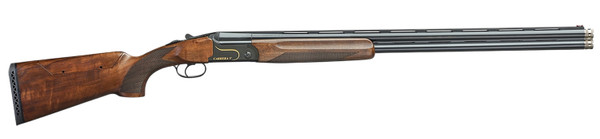
F.A.I.R. Carrera V 16 Gauge Over/Under Shotgun with 30-inch Vent Rib Barrel and Adjustable Walnut Stock
F.A.I.R.OUR PRICE: $1,891.99F.A.I.R. FRCRRAV1230 Carrera V 16 Gauge Break Open 3" 2rd 30" Black Over/Under Vent Rib Barrel, Black w/Gold Inlay Receiver, Walnut w/Adj Comb Stock, TechniChoke XP70 Choke System F.A.I.R. Carrera V... -
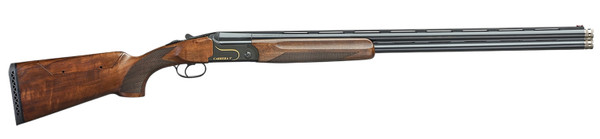
F.A.I.R. Carrera V 12 Gauge Over/Under Shotgun with 32 Inch Barrel and Adjustable Walnut Stock
F.A.I.R.OUR PRICE: $1,891.99F.A.I.R. FRCRRAV1232 Carrera V 12 Gauge Break Open 3" 2rd 32" Black Over/Under Vent Rib Barrel, Black w/Gold Inlay Receiver, Walnut w/Adj Comb Stock, TechniChoke XP70 Choke System F.A.I.R. Carrera V... -
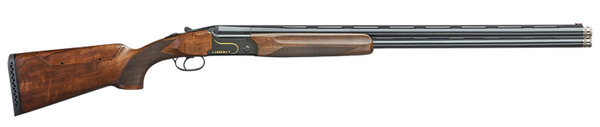
F.A.I.R. Carrera V 20 Gauge Over/Under Shotgun with 30-Inch Barrel and Adjustable Walnut Stock
F.A.I.R.OUR PRICE: $1,891.99F.A.I.R. FRCRRAV2030 Carrera V 20 Gauge Break Open 3" 2rd 30" Black Over/Under Vent Rib Barrel, Black w/Gold Inlay Receiver, Walnut w/Adj Comb Stock, TechniChoke XP70 Choke System F.A.I.R. Carrera V... -
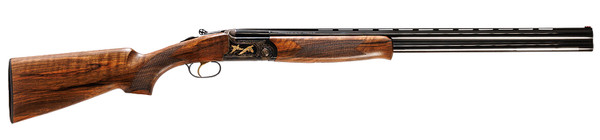
F.A.I.R. SLX602 12 Gauge Over/Under Shotgun with 28 Inch Barrel and TechniChoke
F.A.I.R.OUR PRICE: $1,929.99F.A.I.R. FR-SLX602-1228 SLX602 12/28 F.A.I.R. SLX602 12 Gauge Over/Under Shotgun with 28 Inch Barrel and TechniChokeThe F.A.I.R. SLX602 is a reliable and stylish 12 gauge over/under... -
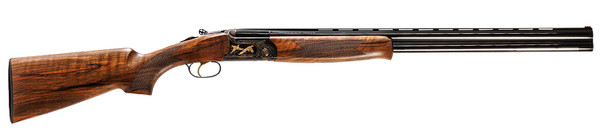
F.A.I.R. FR-SLX602-2028 Over/Under 20 Gauge Shotgun with 28-Inch Barrel and TechniChoke
F.A.I.R.OUR PRICE: $1,929.99F.A.I.R. FR-SLX602-2028 SLX602 20/28 F.A.I.R. FR-SLX602-2028 Over/Under 20 Gauge Shotgun with 28-Inch Barrel and TechniChokeThe F.A.I.R. SLX602 is a versatile and reliable over/under... -
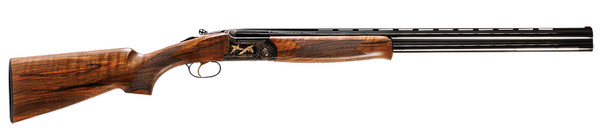
F.A.I.R. FR-SLX602-2828 SLX602 28 Gauge Over/Under Shotgun with 28-Inch Barrel and TechniChoke
F.A.I.R.OUR PRICE: $1,929.99F.A.I.R. FR-SLX602-2828 SLX602 28/28 F.A.I.R. FR-SLX602-2828 SLX602 28 Gauge Over/Under Shotgun with 28-Inch Barrel and TechniChokeThe F.A.I.R. SLX602 is a reliable and well-crafted... -
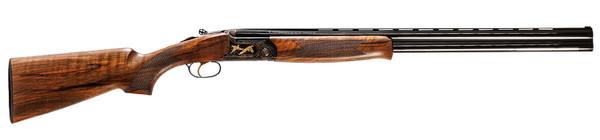
F.A.I.R. FR-SLX602-4128 SLX602 Over/Under Shotgun 410 Gauge 28-Inch Barrel Steel Shot Proofed
F.A.I.R.OUR PRICE: $1,929.99F.A.I.R. FR-SLX602-4128 SLX602 410/28 F.A.I.R. FR-SLX602-4128 SLX602 Over/Under Shotgun 410 Gauge 28-Inch Barrel Steel Shot ProofedThe F.A.I.R. SLX602 is a streamlined over/under shotgun... -
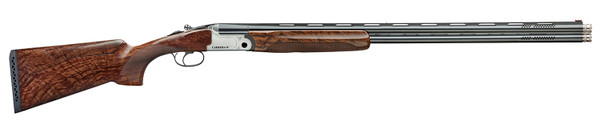
F.A.I.R. Carrera IV 12 Gauge Over-and-Under Shotgun with 30-inch Ported Barrel and TechniChoke System
F.A.I.R.OUR PRICE: $2,248.99F.A.I.R. FRDCIV1230 Carrera IV 12 Gauge Break Open 2rd 30" Blued Over/Under Ported Barrel, Engraved Nickel Receiver, Walnut w/Adj Comb Stock, Technichoke XP70 Choke System F.A.I.R. Carrera IV 12... -

F.A.I.R. Carrera IV 12 Gauge Over-and-Under Shotgun 32-inch Ported Barrel Adjustable Trigger
F.A.I.R.OUR PRICE: $2,248.99F.A.I.R. FRDCIV1232 Carrera IV 12 Gauge Break Open 2rd 32" Blued Over/Under Ported Barrel, Engraved Nickel Receiver, Walnut w/Adj Comb Stock, Technichoke XP70 Choke System F.A.I.R. Carrera IV 12... -

Weatherby Orion Matte 20-Gauge Over & Under Shotgun / 28-Inch
WeatherbyOUR PRICE: $1,313.99WTHBY OR1MB2028RGG ORION MATTE 20GA 28IN The Weatherby Orion Matte 20-Gauge shotgun features a durable matte finish and a 28-inch barrel, making it suitable for a variety of hunting and sporting... -

Mossberg Silver Reserve 16-Gauge Shotgun Over & Under / 28-Inch Barrel
MossbergOUR PRICE: $832.99MOSS 75490 SILVER RSRV 16 28 2 BLKWAL The Mossberg Silver Reserve 16-Gauge shotgun features a 28-inch barrel, offering reliable performance for hunting and sporting purposes. Its durable... -

Mossberg Gold Reserve 16 Gauge Shotgun with 28-Inch Barrel
MossbergOUR PRICE: $1,101.99MOSS 75491 GOLD RESERVE 16 28 2 BLKWAL The Mossberg Gold Reserve 16 gauge shotgun features a durable design suitable for hunting and shooting sports. It offers a 28-inch barrel, providing...
