
Raven Rock Armory
Tactical Gloves, Shooting Gloves & Outdoor Hand Protection
Shop tactical gloves, shooting gloves, hunting gloves, field gloves, work gloves, cold-weather gloves, and protective handwear at Raven Rock Armory. Compare fit, dexterity, grip, reinforcement, padding, touchscreen compatibility, insulation, materials, cuff design, and weather resistance for range, hunting, outdoor, training, work, and professional applications.
Learn more about tactical gloves, shooting gloves & outdoor handwear
Tactical, shooting, hunting, and outdoor gloves are designed to provide varying combinations of grip, dexterity, protection, insulation, abrasion resistance, and comfort. The right glove depends on intended use, environmental conditions, hand size, material, fit, and the level of protection or sensitivity required.
Tactical Gloves
Tactical gloves are commonly designed for equipment handling, training, range use, field work, and professional applications. Features may include reinforced palms, protective knuckle areas, textured grip surfaces, touchscreen-compatible fingertips, adjustable cuffs, and abrasion-resistant materials.
Shooting Gloves
Shooting gloves often emphasize trigger-finger dexterity, grip, and tactile feedback while providing protection from heat, abrasion, sharp surfaces, weather, or repeated equipment handling. Thickness and padding can influence both comfort and sensitivity.
Choosing Gloves
- Fit: Follow the manufacturer's sizing chart and measure the hand as instructed for the specific model.
- Dexterity: Consider how much finger movement and tactile sensitivity are needed for the intended activity.
- Grip: Compare palm materials, textures, reinforcement, and grip coatings.
- Protection: Look at abrasion resistance, padding, impact protection, insulation, or other features appropriate for the application.
- Weather: Consider ventilation, insulation, water resistance, wind protection, and drying characteristics.
Hunting Gloves
Hunting gloves may prioritize warmth, camouflage, quiet materials, weather resistance, grip, or fine finger control depending on the season and hunting method. Lightweight gloves can provide dexterity, while insulated designs may be better suited for cold conditions.
Cold-Weather Gloves
Cold-weather gloves use insulation, wind-resistant layers, liners, or weather-resistant outer materials to help maintain hand comfort in lower temperatures. Increased insulation may reduce fine dexterity compared with thinner gloves.
Lightweight Gloves
Lightweight gloves can provide greater ventilation and tactile feedback for warm-weather range use, equipment handling, outdoor activity, or work where heavy insulation is unnecessary.
Insulated Gloves
Insulated gloves are designed to reduce heat loss in colder environments. Insulation thickness, material, moisture management, cuff coverage, and outer-shell construction influence warmth and dexterity.
Work & Field Gloves
Field and work gloves can provide protection when handling tools, equipment, rough surfaces, brush, wood, metal, or other materials. Construction may include reinforced palms, fingertips, knuckles, and high-wear areas.
Range Gloves
Gloves used at the range may help protect hands from hot surfaces, rough equipment, sharp edges, weather, repetitive handling, or residue while maintaining sufficient control of firearms, magazines, tools, and accessories.
Glove Fit
Proper fit helps maintain dexterity and reduces excess material at the fingertips or palm. Gloves that are too tight can restrict movement, while gloves that are too loose can reduce control and tactile feedback.
Measuring Hand Size
Manufacturers may size gloves using palm circumference, hand length, finger length, or general size ranges such as small, medium, large, and extra large. Follow the sizing method provided for the exact glove model.
Finger Length
Finger proportions vary between users and glove designs. Proper finger length is important for maintaining tactile control and avoiding excess material at the fingertips.
Trigger-Finger Dexterity
Shooting-oriented gloves often use thinner or specially shaped finger construction to improve tactile feedback. The amount of sensitivity varies depending on material thickness, seams, padding, and overall fit.
Palm Reinforcement
Reinforced palm areas may use leather, synthetic leather, additional fabric layers, rubberized materials, or textured overlays to increase durability and grip.
Finger Reinforcement
Fingertips and other high-wear areas may use additional material or stitching to improve abrasion resistance. Reinforcement can also influence flexibility and touchscreen performance.
Knuckle Protection
Some tactical gloves include padded, molded, rubberized, or rigid knuckle protection. Materials and coverage differ substantially by product and should be evaluated using manufacturer specifications.
Impact Protection
Gloves may incorporate foam, thermoplastic, rubber, or other protective materials over the knuckles or fingers. Protective features should not be assumed to meet any specific impact standard unless the manufacturer identifies applicable testing or certification.
Abrasion Resistance
Woven fabrics, leather, synthetic materials, reinforcement panels, and specialized fibers may improve durability when gloves are used around rough surfaces or equipment.
Leather Gloves
Leather can provide durability, grip, and abrasion resistance. Different leather types, thicknesses, treatments, and construction methods influence flexibility and weather resistance.
Synthetic Gloves
Synthetic gloves may use nylon, polyester, microfiber, synthetic leather, spandex, elastic fabrics, mesh, rubber, or combinations of materials to balance weight, flexibility, durability, and drying time.
Mesh Panels
Mesh or ventilated fabric panels can increase airflow in warm-weather gloves. More ventilation can reduce heat buildup but may provide less protection from wind or cold.
Stretch Panels
Stretch fabrics can improve flexibility around the fingers, knuckles, and back of the hand. Elastic materials can also help gloves conform more closely to different hand shapes.
Touchscreen-Compatible Gloves
Some gloves use conductive materials on one or more fingertips to operate compatible touchscreen devices. Performance can vary by screen type, glove fit, fingertip construction, and environmental conditions.
Full-Finger Gloves
Full-finger gloves provide coverage over the fingertips and may offer additional protection from abrasion, heat, weather, or rough equipment compared with fingerless designs.
Fingerless Gloves
Fingerless gloves leave part of the fingers exposed to increase direct tactile contact while still providing some palm or hand coverage. They provide less protection for exposed areas.
Convertible Gloves
Convertible gloves may use folding fingertips, mitten covers, removable liners, or other designs that allow the user to change coverage depending on temperature or dexterity requirements.
Glove Cuffs
Cuffs may be short, extended, elastic, adjustable, hook-and-loop, gauntlet-style, or designed to fit beneath or over jacket sleeves. Cuff design affects coverage and compatibility with other clothing.
Hook-and-Loop Wrist Closures
Adjustable wrist closures can help secure the glove and reduce excess movement. Closure placement and strap length vary between models.
Elastic Wrist Closures
Elastic cuffs provide simple retention around the wrist without a separate adjustment strap. Elastic tension can vary by glove model and size.
Water-Resistant Gloves
Water-resistant outer materials or coatings may help reduce moisture penetration during light exposure. Water resistance should not automatically be treated as waterproof performance.
Waterproof Gloves
Some gloves use waterproof membranes, sealed construction, or other systems designed for wet conditions. Verify the manufacturer's specific claims and care instructions for the exact glove.
Wind-Resistant Gloves
Wind-resistant materials can help reduce cooling in exposed environments. Wind protection may be especially useful in hunting, hiking, winter range use, or other cold-weather activities.
Breathability
Breathable fabrics and ventilation can improve comfort during active use. Highly insulated or weather-resistant designs may provide less airflow than lightweight gloves.
Moisture Management
Some gloves use moisture-wicking liners or quick-drying materials to help manage perspiration. Interior moisture can reduce comfort and insulation in cold conditions.
Glove Liners
Thin glove liners may be worn beneath compatible outer gloves to add warmth or moisture management. Layering can affect overall fit and finger dexterity.
Cold-Weather Layering
Layered handwear systems can combine lightweight liners with insulated or weather-resistant outer gloves. Allow enough space so layers do not excessively compress the hands or restrict movement.
Camouflage Gloves
Hunting and outdoor gloves are available in a range of camouflage patterns and solid colors. Availability depends on manufacturer and model.
High-Visibility Gloves
Some work and outdoor gloves use bright or reflective materials to improve visibility. Visibility features can be useful in certain field, work, or safety applications.
Gloves for Optics & Electronics
Fine controls on optics, radios, GPS devices, cameras, and other electronics can be difficult to operate with heavily insulated gloves. Consider fingertip sensitivity and touchscreen compatibility when electronic equipment will be used frequently.
Gloves for Reloading & Equipment Handling
Handling small parts, magazines, ammunition, tools, and firearm controls requires different levels of tactile sensitivity. Lightweight gloves generally provide more dexterity than heavily padded or insulated designs.
Heat Exposure
Some shooting and work applications involve contact with warm equipment or surfaces. Do not assume a general tactical glove provides specific heat protection unless the manufacturer states a tested or rated level of performance.
Cut Resistance
Certain work gloves may reference cut-resistant materials or testing standards. If cut protection is required, verify the exact rating and test method for the specific glove rather than relying on appearance or material alone.
Glove Durability
Durability depends on materials, stitching, reinforcement, fit, frequency of use, environmental exposure, and the surfaces or equipment being handled.
Breaking In Gloves
Some leather and reinforced gloves may become more flexible after normal use. Do not intentionally stretch or modify gloves in ways that conflict with manufacturer instructions.
Inspecting Gloves
Periodically inspect seams, fingertips, palms, reinforcement, closures, elastic, protective panels, and other high-wear areas for holes, separation, excessive wear, or other damage.
Cleaning Gloves
Follow the manufacturer's cleaning instructions. Leather, synthetic materials, waterproof membranes, insulation, conductive fingertips, and protective components can require different care.
Drying Gloves
Allow wet gloves to dry according to manufacturer guidance. High heat may damage certain synthetic materials, leather, adhesives, waterproof membranes, or elastic components.
Storing Gloves
Store gloves clean and dry in a location protected from excessive heat, moisture, chemicals, or prolonged sunlight when recommended by the manufacturer.
Replace Worn Gloves
Gloves should be replaced when damage or wear materially affects fit, grip, dexterity, insulation, closure, or any protective feature relied upon during use.
Always Verify Manufacturer Specifications
Glove sizing, materials, insulation, abrasion protection, touchscreen compatibility, weather resistance, protective features, intended applications, and care requirements vary by manufacturer and model. Always review the current manufacturer's specifications for the exact gloves being considered.
Filter By
Products List
-

Magpul Patrol Glove 2.0 Small
MAGPUL INDUSTRIES CORPOUR PRICE: $61.70MAGPUL MAG1015-977-S PATROL GLOVE 2.0 S Magpul Patrol Glove 2.0 Small is an apparel product from Magpul designed for users seeking a dedicated patrol glove configuration in a small size... -

Magpul Patrol Glove 2.0 XL
MAGPUL INDUSTRIES CORPOUR PRICE: $61.70MAGPUL MAG1015-977-XL PATROL GLOVE 2.0 XL Magpul Patrol Glove 2.0 XL is an apparel item from Magpul designed for users seeking a dedicated patrol glove in an extra-large size. The product is... -
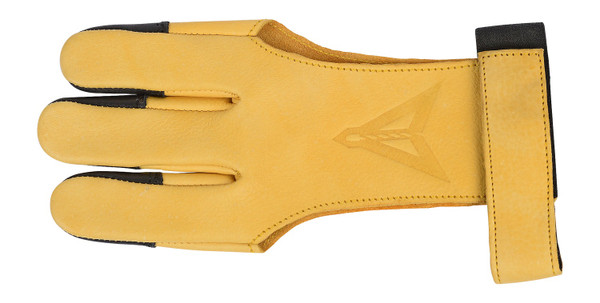
30-06 Outdoors Soft Touch Elite Shooting Glove XL
30-06 OUTDOORSOUR PRICE: $18.9930-06 STSGXL-1 SOFT TOUCH ELITE SHOOTING GLOVE XL The 30-06 Outdoors Soft Touch Elite Shooting Glove in XL size offers shooters enhanced grip and comfort during precision shooting and outdoor... -

30-06 Outdoors Soft Touch Elite Shooting Glove Small
30-06 OUTDOORSOUR PRICE: $18.9930-06 STSGSM-1 SOFT TOUCH ELITE SHOOTING GLOVE S The 30-06 Outdoors Soft Touch Elite Shooting Glove in size Small offers a combination of comfort, dexterity, and protection for shooting enthusiasts... -

30-06 Outdoors Soft Touch Elite Shooting Glove Medium
30-06 OUTDOORSOUR PRICE: $18.9930-06 STSGMD-1 SOFT TOUCH ELITE SHOOTING GLOVE M The 30-06 Outdoors Soft Touch Elite Shooting Glove is designed to enhance your shooting experience with optimal grip and dexterity. Crafted for... -
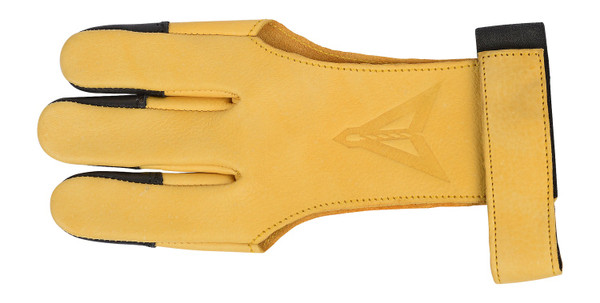
30-06 Outdoors Soft Touch Elite Shooting Glove Large
30-06 OUTDOORSOUR PRICE: $18.9930-06 STSGLG-1 SOFT TOUCH ELITE SHOOTING GLOVE L The 30-06 Outdoors Soft Touch Elite Shooting Glove is designed to enhance your shooting experience with superior grip and comfort. Made from... -

Mechanix Wear MG-68-012 Original Multicam Black 2XL Touchscreen Gloves
MECHANIX WEAROUR PRICE: $36.99Mechanix Wear MG68012 Original Black Multi-Cam Synthetic Leather 2XL TPR Closure The Mechanix Wear MG-68-012 Original Multicam Black 2XL Touchscreen Gloves offer exceptional hand protection with a...
