
Raven Rock Armory
Tactical Jackets, Hunting Jackets & Outdoor Outerwear
Shop tactical jackets, hunting jackets, field jackets, softshells, insulated outerwear, rain jackets, and outdoor layers at Raven Rock Armory. Compare fit, insulation, shell material, weather resistance, ventilation, pocket layout, hood design, camouflage, mobility, and layering compatibility for range, hunting, outdoor, work, training, and cold-weather applications.
Learn more about tactical jackets, hunting outerwear & weather protection
Tactical, hunting, and outdoor jackets are designed to provide combinations of warmth, weather protection, abrasion resistance, mobility, ventilation, and storage. The right outer layer depends on temperature, precipitation, wind, activity level, fit, fabric, insulation, and the equipment worn underneath or over the jacket.
Tactical Jackets
Tactical jackets may use reinforced fabrics, stretch panels, multiple pockets, hook-and-loop identification areas, adjustable cuffs, higher collars, and weather-resistant materials for range, field, work, training, and professional applications.
Hunting Jackets
Hunting jackets may emphasize camouflage, quiet fabrics, insulation, weather protection, ventilation, scent-control treatments, brush resistance, or compatibility with backpacks and other field gear.
Choosing a Jacket
- Weather: Consider temperature, wind, rain, snow, humidity, and expected exposure.
- Insulation: Compare uninsulated shells, fleece, synthetic insulation, down, and layered systems.
- Fit: Allow enough room for appropriate base and mid layers without restricting movement.
- Shell Material: Compare softshell, hardshell, nylon, polyester, fleece, canvas, and blended fabrics.
- Equipment Compatibility: Consider plate carriers, chest rigs, belts, backpacks, slings, and other gear.
Softshell Jackets
Softshell jackets generally emphasize stretch, mobility, breathability, and wind resistance while providing some protection from light moisture. Exact weather resistance varies by fabric and treatment.
Hardshell Jackets
Hardshell jackets are typically designed around greater protection from rain, snow, and wind. Waterproof membranes, seam construction, ventilation, and fabric durability vary by model.
Insulated Jackets
Insulated jackets add thermal material between the outer shell and lining. Synthetic fibers, fleece, down, and other insulating materials differ in warmth, weight, compressibility, and moisture performance.
Uninsulated Shell Jackets
Uninsulated shells provide environmental protection without adding substantial thermal insulation, making them useful as adjustable outer layers over different base and mid layers.
Fleece Jackets
Fleece jackets provide insulation and breathability and may be used as standalone outerwear in mild conditions or as a mid layer beneath a wind- or water-resistant shell.
Rain Jackets
Rain jackets may use waterproof or water-resistant fabrics, membranes, coatings, taped seams, storm flaps, adjustable hoods, and other features intended to reduce moisture penetration.
Waterproof vs. Water-Resistant
Water-resistant jackets may handle light moisture but should not be assumed to provide the same protection as garments with specific waterproof construction or ratings.
Waterproof Ratings
Some manufacturers provide hydrostatic-head or other waterproof performance ratings. Compare the exact stated specification rather than assuming all waterproof garments perform equally.
Breathability
Breathability helps moisture vapor escape during active use. Membrane type, fabric construction, vents, temperature, humidity, and activity level all affect real-world comfort.
Wind Resistance
Tightly woven shells, membranes, laminates, and insulated layers can reduce wind penetration and help limit convective heat loss.
Cold-Weather Jackets
Cold-weather outerwear may combine insulation, wind-resistant shells, higher collars, extended hems, adjustable cuffs, and hood coverage to help retain warmth.
Layering Systems
A versatile cold-weather system may combine a moisture-managing base layer, insulating mid layer, and protective outer shell. Layering allows clothing to be adjusted as activity and weather conditions change.
Base Layers
Base layers sit close to the body and can help manage perspiration while adding light insulation.
Mid Layers
Mid layers such as fleece, hoodies, or lightweight insulated garments provide additional warmth beneath an outer shell.
Outer Shells
Outer shells primarily protect the underlying layers from wind, precipitation, brush, and other environmental exposure.
Jacket Fit
Jacket sizing varies by manufacturer. Compare chest, waist, sleeve, shoulder, and garment measurements and account for intended layering.
Range of Motion
Articulated elbows, stretch panels, gussets, and ergonomic patterning can improve mobility when reaching, climbing, shooting, or handling equipment.
Articulated Sleeves
Pre-shaped or articulated sleeves are designed to follow the natural bend of the arms and may reduce fabric tension during movement.
Underarm Gussets
Gussets can improve overhead and forward arm movement while reducing stress across seams.
Adjustable Cuffs
Hook-and-loop tabs, snaps, elastic, or other cuff adjustments can help seal around gloves or regulate ventilation.
Adjustable Hems
Drawcords, elastic, and other hem adjustments can reduce drafts and help control garment fit.
Hooded Jackets
Hoods may be fixed, removable, stowable, insulated, adjustable, or designed for use with compatible helmets.
Helmet-Compatible Hoods
Technical jackets may use oversized hoods intended to fit over certain helmets. Verify the manufacturer's intended compatibility before assuming a hood will work with specific head protection.
High Collars
Higher collars can provide additional wind and weather coverage around the neck when the jacket is fully zipped.
Jacket Pockets
Jackets may include chest pockets, hand pockets, sleeve pockets, internal storage, cargo pockets, and concealed compartments. Placement affects accessibility when packs or load-bearing equipment are worn.
Zippered Pockets
Zippered pockets can help retain keys, phones, tools, or other small equipment during movement.
Internal Pockets
Interior storage can provide additional protection for electronics, documents, batteries, or other sensitive equipment.
Chest Pockets
Higher chest pockets may remain accessible when wearing backpacks, belts, or other equipment that blocks traditional hand pockets.
Hook-and-Loop Panels
Some tactical jackets include hook-and-loop areas for compatible patches, identification, or insignia.
Reinforced Elbows & Shoulders
High-wear areas may use heavier fabrics or additional layers to improve abrasion resistance around elbows and shoulders.
Quiet Hunting Fabrics
Some hunting jackets use brushed or specialized exterior materials designed to reduce noise from fabric movement or contact with vegetation.
Camouflage Jackets
Hunting jackets are available in a wide range of camouflage patterns designed around different terrain, vegetation, season, and manufacturer systems.
Blaze Orange Outerwear
High-visibility hunting jackets may use blaze orange or other bright colors. Applicable hunter-orange requirements vary by jurisdiction and season.
Odor-Control Treatments
Some hunting apparel incorporates manufacturer-described odor-management materials or treatments. Care and performance vary by product.
Brush-Resistant Jackets
Upland and field jackets may use heavier woven fabrics or reinforcement in areas exposed to brush, thorns, branches, and abrasive vegetation.
Packable Jackets
Lightweight shells and insulated jackets may compress into small storage spaces or their own pockets for carrying inside a pack.
Jacket Weight
Lighter garments can be easier to carry and layer, while heavier fabrics and insulation may provide greater warmth or durability.
Plate Carrier Compatibility
Jackets worn under armor should be evaluated for bulk, seams, pocket placement, zippers, hood material, and shoulder construction. Jackets worn over carriers require enough room to accommodate the equipment without restricting movement.
Chest Rig Compatibility
Front-mounted load-bearing equipment can block jacket pockets and compress insulation. Consider pocket placement and overall garment thickness.
Gun Belt Compatibility
Longer jackets can cover holsters, magazine pouches, or other belt-mounted equipment. Hem length should be considered when access to belt gear is important.
Backpack Compatibility
Backpack shoulder straps and waist belts can compress insulation, block pockets, or create friction against jacket fabrics.
Sling Compatibility
Rifle and shotgun slings can interact with jacket hoods, collars, pockets, and shoulder seams. Smooth, low-profile shoulder areas may reduce interference.
Jackets for Range Use
Range jackets should provide enough mobility for firearm handling while remaining compatible with hearing protection, belts, slings, and other equipment.
Jackets for Hunting
Hunting outerwear may need to balance warmth, weather protection, camouflage, noise, packability, ventilation, and compatibility with packs or firearm slings.
Jackets for Outdoor Work
Work-oriented outerwear may emphasize abrasion resistance, reinforced construction, weather protection, insulation, or high-visibility features.
Ventilation Zippers
Pit zips and other ventilation openings can allow additional heat and moisture to escape during active use.
Mesh-Lined Vents
Some jackets use mesh behind vent openings to improve airflow while helping keep debris out.
Insulation Types
Synthetic insulation, down, fleece, pile fabrics, and layered constructions differ in warmth, bulk, moisture sensitivity, and compressibility.
Synthetic Insulation
Synthetic insulation can provide warmth while retaining some performance when damp, though exact characteristics vary by material and construction.
Down Insulation
Down provides high warmth relative to weight and can compress into a small volume. Moisture resistance depends on treatment, shell construction, and conditions.
Fleece Insulation
Fleece offers breathability and relatively fast drying and is commonly used as a mid layer or light outer layer.
Jacket Durability
Durability depends on fabric, stitching, reinforcement, zippers, environmental exposure, frequency of use, and contact with equipment or vegetation.
Inspecting a Jacket
Periodically inspect seams, zippers, snaps, cuffs, drawcords, pockets, lining, waterproof membranes, reinforcement, and fabric for excessive wear or damage.
Cleaning Jackets
Follow the garment manufacturer's care instructions. Waterproof membranes, insulation, technical coatings, camouflage treatments, and hook-and-loop components can require specific washing methods.
Drying Jackets
Drying methods vary by material. Excessive heat may damage waterproof membranes, synthetic insulation, elastic components, coatings, seam tape, or other technical materials.
Restoring Water Repellency
Some technical shells use durable water-repellent treatments that may require cleaning, heat activation, or manufacturer-approved retreatment over time.
Storing Jackets
Store outerwear clean and dry according to manufacturer guidance. Some insulated garments are best stored uncompressed for extended periods.
Always Verify Manufacturer Specifications
Jacket sizing, fabric, insulation, waterproofing, breathability, camouflage, pocket layout, protective features, equipment compatibility, and care requirements vary by manufacturer and model. Always review the current manufacturer's specifications for the exact jacket being considered.
Filter By
Products List
-
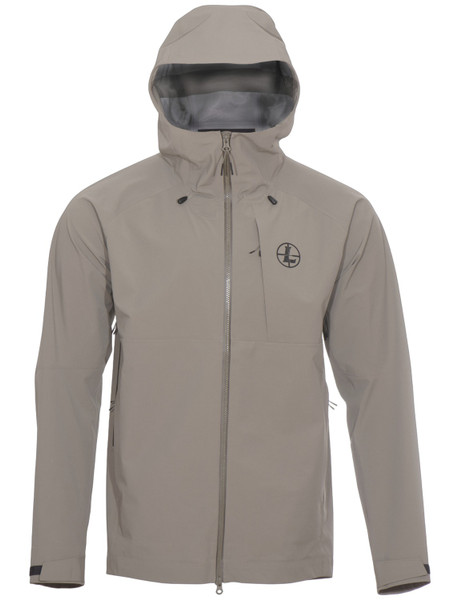
Leupold Storm Warden Rain Jacket Ash Green Small
LeupoldOUR PRICE: $299.99LEU 187485 STORM WARDEN RAIN JACKET ASH GREEN S The Leupold Storm Warden Rain Jacket offers reliable protection against wet weather conditions with its durable design and waterproof materials. This... -

Leupold Storm Warden Rain Jacket Ash Green Medium
LeupoldOUR PRICE: $299.99LEU 187486 STORM WARDEN RAIN JACKET ASH GREEN M The Leupold Storm Warden Rain Jacket in ash green offers reliable protection against rain and harsh weather conditions. Designed for outdoor... -
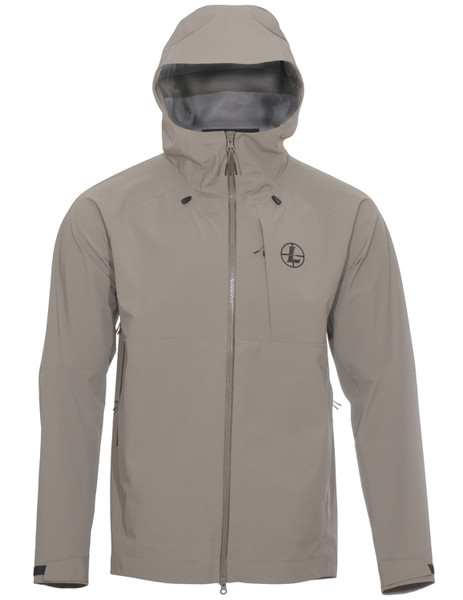
Leupold Storm Warden Rain Jacket Ash Green Large
LeupoldOUR PRICE: $299.99LEU 187487 STORM WARDEN RAIN JACKET ASH GREEN L The Leupold Storm Warden Rain Jacket offers reliable weather protection with a durable design. It is designed to keep you dry and comfortable in... -
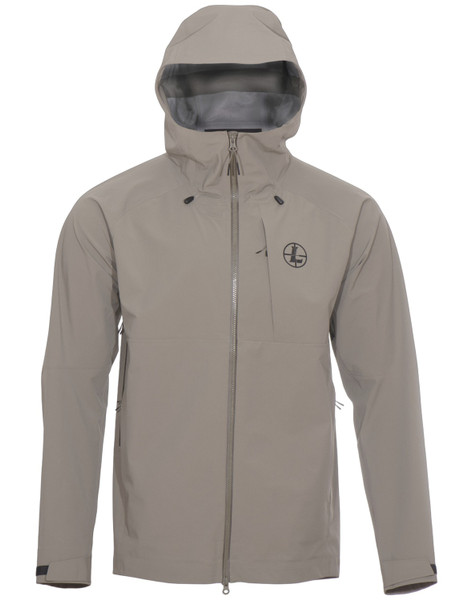
Leupold Storm Warden Rain Jacket Ash Green XL
LeupoldOUR PRICE: $299.99LEU 187488 STORM WARDEN RAIN JACKET ASH GREEN XL The Leupold Storm Warden Rain Jacket in ash green offers reliable weather protection with durable waterproof construction. Designed for outdoor... -
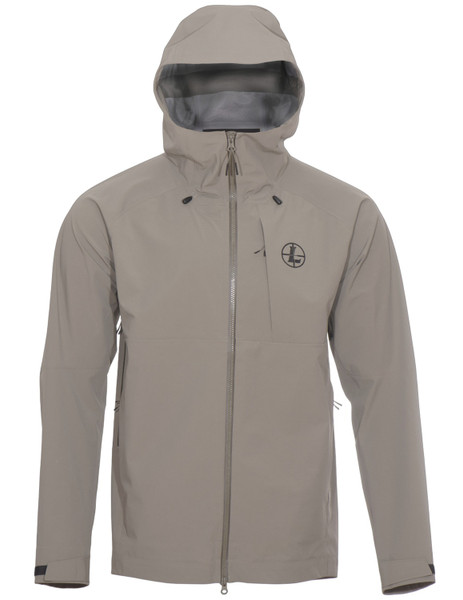
Leupold Storm Warden Rain Jacket Ash Green XXL
LeupoldOUR PRICE: $299.99LEU 187489 STORM WARDEN RAIN JACKET ASH GREEN XXL The Leupold Storm Warden Rain Jacket in ash green offers reliable weather protection for outdoor activities. Designed with durability and comfort in... -

Leupold Storm Warden Rain Jacket Ash Green XXXL
LeupoldOUR PRICE: $299.99LEU 187490 STORM WARDEN RAIN JACKET ASH GREEN XXXL The Leupold Storm Warden Rain Jacket in ash green offers reliable waterproof protection for outdoor activities. Designed for durability and comfort,...
