
Raven Rock Armory
Side-by-Side Shotguns for Hunting, Field & Sporting Use
Shop side-by-side shotguns from leading manufacturers at Raven Rock Armory. Compare classic and modern double-barrel shotguns by gauge, chamber length, barrel length, choke configuration, stock dimensions, trigger system, extractor or ejector design, receiver finish, weight, and factory specifications for upland hunting, sporting use, recreational shooting, collecting, and field use.
Learn more about side-by-side shotguns, gauges, barrels & features
Side-by-side shotguns use two barrels positioned horizontally in a break-action configuration. These traditional double-barrel shotguns remain popular for upland hunting, field use, recreational shooting, collecting, historical-style competition, and sporting applications. Modern examples range from practical working guns to premium models with high-grade wood, engraving, selective triggers, ejectors, and interchangeable choke systems.
Side-by-Side Shotguns
A side-by-side shotgun positions its two chambers and barrels next to one another. Opening the hinged action exposes both chambers for loading, unloading, and inspection. Trigger configuration, extraction, ejection, safety, barrel selection, and choke design vary by manufacturer and model.
Choosing a Side-by-Side Shotgun
- Gauge: Compare 12 gauge, 20 gauge, 28 gauge, .410 bore, and other available configurations.
- Intended Use: Consider upland hunting, field use, recreational shooting, collecting, competition, or general sporting use.
- Barrel Length: Compare barrel dimensions, overall weight, balance, sighting plane, and handling.
- Stock Fit: Review length of pull, drop, cast, comb shape, grip style, and recoil pad or buttplate.
- Trigger & Chokes: Verify single or double triggers, barrel selection, fixed or interchangeable chokes, and factory specifications.
12 Gauge Side-by-Side Shotguns
12 gauge side-by-sides are available in traditional hunting, sporting, field, competition, and collectible configurations. Weight, barrel length, chamber length, and stock dimensions vary substantially.
20 Gauge Side-by-Side Shotguns
20 gauge double guns are popular for upland hunting and field use and may be built on smaller or lighter frames than comparable 12 gauge models.
28 Gauge Side-by-Side Shotguns
28 gauge side-by-sides are offered by selected manufacturers and are popular with upland hunters and shooters who prefer smaller gauge sporting guns.
.410 Bore Side-by-Side Shotguns
.410 bore double guns are available for recreational shooting, field use, collecting, and lawful hunting applications.
Field Side-by-Side Shotguns
Field guns generally emphasize practical weight, traditional stock dimensions, manageable barrel lengths, and straightforward controls for sporting and hunting use.
Upland Shotguns
Side-by-side shotguns remain closely associated with upland hunting. Lightweight frames, responsive handling, wood stocks, double triggers, and traditional sighting ribs are common features.
Sporting Side-by-Sides
Sporting models may use longer barrels, interchangeable chokes, refined triggers, upgraded wood, recoil pads, and other features intended for clay-target or recreational shooting.
Competition Side-by-Sides
Certain historical or sporting competitions use side-by-side shotguns. Equipment rules may specify acceptable actions, gauges, hammers, triggers, ammunition, or other features.
Traditional Double Guns
Traditional side-by-sides may use exposed or internal hammers, double triggers, fixed chokes, splinter or beavertail forearms, straight or pistol-grip stocks, and classic receiver finishes.
Modern Side-by-Side Shotguns
Modern-production double guns may retain traditional styling while adding interchangeable choke tubes, modern steel, updated safety systems, recoil pads, corrosion-resistant finishes, or other contemporary features.
Shotgun Chamber Length
Chamber length determines the shotshell lengths approved for the firearm. Use only ammunition that matches the shotgun's gauge and falls within the manufacturer's chamber specifications.
2 3/4-Inch Chambers
Many traditional and modern side-by-side shotguns use 2 3/4-inch chambers, although older firearms can have different chamber specifications.
3-Inch Chambers
Selected modern field side-by-sides use 3-inch chambers. Verify the exact chamber marking before selecting ammunition.
Older Shotgun Chamber Dimensions
Older or collectible shotguns may have chamber dimensions, materials, proof standards, or ammunition requirements that differ from current-production firearms. Manufacturer documentation or evaluation by qualified personnel may be appropriate.
Barrel Length
Barrel length influences overall dimensions, weight, balance, sighting plane, and handling. Side-by-side field guns are available with a variety of barrel lengths.
Shorter Field Barrels
Relatively compact barrels may be selected for quick-handling field configurations, depending on gauge and manufacturer.
Longer Sporting Barrels
Longer barrels can alter forward weight and sighting plane and may be found on sporting, waterfowl, or other manufacturer-specific configurations.
Barrel Regulation
Double-barrel shotguns are manufactured so the two barrels produce a manufacturer-defined point-of-impact relationship. Standards and intended distances vary by firearm.
Barrel Ribs
Side-by-side shotguns may use solid, concave, raised, ventilated, or manufacturer-specific ribs between or above the barrels.
Concave Ribs
Concave sighting ribs are traditionally associated with many side-by-side field guns.
Raised & Ventilated Ribs
Some sporting double guns use raised or ventilated ribs to provide a different sighting plane or visual presentation.
Fixed Chokes
Many traditional side-by-side shotguns use fixed choke constrictions. Each barrel may have a different choke depending on the firearm's intended use.
Interchangeable Choke Tubes
Modern side-by-sides may use removable choke tubes. Choke threads, gauge, length, and ammunition ratings are specific to the manufacturer's system.
Different Chokes in Each Barrel
Because each barrel operates independently, a side-by-side may use different choke constrictions in the left and right barrels when permitted by the firearm's configuration.
Steel-Shot Compatibility
Steel and other non-lead shot may not be appropriate for every barrel or choke, particularly on older firearms. Verify manufacturer specifications before use.
Break-Action Design
Side-by-side shotguns use a hinged action that allows the barrel assembly to pivot away from the receiver when unlocked.
Top Levers
Most modern double guns use a top lever to unlock the action. Internal locking geometry varies by manufacturer and model.
Locking Systems
Double guns may use bolts, lugs, bites, crossbolts, underlugs, or other locking arrangements. Exact construction should be evaluated by model rather than assumed from appearance.
Extractors
Extractor-equipped shotguns lift shells from both chambers when the action opens so they can be removed manually.
Ejectors
Ejector-equipped shotguns may move fired shells farther from the chambers when the action is opened. Operation varies according to the firearm's internal system.
Selective Ejectors
Some ejector systems distinguish between fired and unfired cartridges according to their mechanical design.
Double Triggers
Traditional side-by-side shotguns commonly use two triggers, with each trigger associated with a barrel according to the firearm's design.
Single Triggers
Many modern double guns use a single trigger that fires the two barrels sequentially.
Selective Single Triggers
Some shotguns allow the first barrel to be selected through a control integrated with the safety or another selector.
Mechanical & Inertia Triggers
Double guns may use mechanical, inertia-assisted, or other trigger systems. Exact operation should be confirmed from manufacturer documentation.
Exposed Hammer Shotguns
Certain traditional, reproduction, and historical-style side-by-sides use exposed external hammers.
Hammerless Shotguns
The term hammerless commonly refers to designs with internal hammers or strikers rather than exposed hammer spurs.
Safety Systems
Side-by-side shotguns may use tang safeties, automatic safeties, manual safeties, barrel-selector functions, or other manufacturer-specific systems.
Automatic Safeties
Some double guns automatically place the safety into a specified position when the action is opened. Exact operation varies by firearm.
Manual Safeties
Other models use a safety that remains under manual control rather than automatically changing position.
Receiver Construction
Receivers may be made from steel, alloy, or other manufacturer-specified materials. Frame size can vary by gauge and model family.
Boxlock Shotguns
Boxlock describes a traditional double-gun lockwork arrangement housed primarily within the receiver. Construction and details vary by manufacturer.
Sidelock-Style Shotguns
Premium or traditional double guns may use sidelock or sidelock-inspired construction. Exact mechanical design should be verified from the manufacturer.
Engraved Receivers
Side-by-side shotguns are available with finishes ranging from simple field-grade receivers to elaborate machine, laser, or hand-finished engraving.
Case-Color-Style Finishes
Traditional-style firearms may use case-color or case-color-inspired receiver finishes for a classic appearance.
Silver & Coin Finishes
Selected sporting and premium models use bright or satin silver-tone receiver finishes with varying levels of decorative engraving.
Wood Stocks
Walnut and other hardwood stocks are common on side-by-side shotguns. Wood grade, grain, checkering, finish, and dimensions vary widely.
Straight-Grip Stocks
Straight or English-style grip stocks are commonly associated with traditional upland and field side-by-sides.
Pistol-Grip Stocks
Some side-by-side shotguns use rounded or full pistol-grip stocks for a different hand position and overall fit.
Prince-of-Wales Grips
More open, rounded grip profiles may be described as Prince-of-Wales-style stocks by some manufacturers.
Splinter Forearms
Splinter-style forearms provide a narrow traditional forward grip and are common on classic field shotguns.
Beavertail Forearms
Beavertail forearms are wider and provide more wood beneath and around the barrel area than traditional splinter designs.
Checkering
Stock and forearm checkering may be cut, pressed, laser-applied, or produced through other manufacturer-specific methods.
Length of Pull
Length of pull is measured from the trigger to the rear surface of the stock and should be considered when evaluating firearm fit.
Drop at Comb & Heel
Stock drop influences alignment between the shooter's eye and the barrel rib. Review manufacturer dimensions when shotgun fit is important.
Cast
Cast describes lateral stock offset. Factory cast varies by manufacturer, model, and intended market.
Buttplates & Recoil Pads
Traditional firearms may use hard buttplates, while modern field guns may use rubber or synthetic recoil pads.
Shotgun Weight
Gauge, frame size, barrel length, receiver material, wood density, forearm design, and accessories influence total firearm weight.
Lightweight Upland Guns
Lightweight side-by-sides can be attractive for extended field carry, although lower firearm weight can change recoil and handling characteristics.
Heavier Sporting Guns
Some sporting doubles use additional barrel or receiver weight to produce different balance and swing characteristics.
Shotgun Balance
Barrel weight, action size, stock density, forearm dimensions, and overall geometry influence how a side-by-side balances.
Recoil Characteristics
Perceived recoil depends on gauge, shotshell load, firearm weight, stock dimensions, recoil pad, and individual shooter factors.
Shotgun Fit
Side-by-side shotgun fit is influenced by length of pull, comb height, drop, cast, grip style, barrel relationship, and the shooter's individual dimensions.
Front Bead Sights
A simple front bead is common on traditional double guns.
Double Beads
Selected sporting configurations may include a front bead and smaller mid-bead along the rib.
Fiber-Optic Sights
Fiber-optic sights are less traditional but may appear on certain modern sporting or hunting side-by-side configurations.
Ammunition Compatibility
Use only ammunition that matches the exact gauge and chamber length specified for the shotgun.
Target Loads
Target shotshells are available in multiple shot weights, velocities, shot sizes, and gauges for recreational and competitive clay shooting.
Upland Loads
Upland hunting ammunition is available in a variety of shot sizes, materials, and payloads. Choose ammunition appropriate for the firearm and lawful hunting application.
Non-Lead Shot
Modern hunting regulations may require non-lead shot in some areas or applications. Barrel and choke compatibility must be verified, particularly with older or collectible shotguns.
Older Shotguns & Ammunition
Older side-by-sides may have chamber lengths, proof standards, barrel materials, or choke configurations not intended for every type of modern ammunition. Do not assume compatibility based only on gauge marking.
Cleaning Side-by-Side Shotguns
Follow manufacturer guidance for unloading, opening the action, barrel removal where applicable, bore and chamber cleaning, hinge lubrication, locking-surface care, stock care, inspection, and reassembly.
Hinge & Action Maintenance
Hinge pins, hooks, trunnions, bearing surfaces, and other action components should be kept clean and lubricated only as recommended by the manufacturer.
Locking-Surface Inspection
The barrels should lock according to the firearm's design. Suspected looseness, damage, or improper lockup should be evaluated by qualified personnel.
Extractor & Ejector Maintenance
Extractor and ejector systems should be kept clean and inspected according to manufacturer recommendations.
Choke Maintenance
Removable choke tubes should be maintained according to the shotgun and choke manufacturer's instructions.
Wood Care
High-quality wood stocks and forearms should be protected from excessive moisture, heat, and aggressive solvents. Care methods should match the actual finish.
Receiver & Barrel Care
Blued steel, polished surfaces, case-color-style finishes, engraved receivers, and other finishes benefit from appropriate cleaning and corrosion protection.
Shotgun Storage
Side-by-side shotguns should be stored securely according to applicable law, household circumstances, manufacturer guidance, and responsible firearm-storage practices.
Breakdown Cases
Side-by-side shotguns can often be stored or transported in fitted breakdown cases with separate areas for the barrel assembly, receiver and stock, choke tubes, and accessories.
Full-Length Cases
Soft and hard full-length cases are also available. Interior dimensions should match the firearm's assembled length.
Gun Safes
Long-gun safes and other secure storage systems can provide controlled access for field, sporting, premium, and collectible shotguns.
Transporting Side-by-Side Shotguns
Transportation laws vary by jurisdiction and destination. Review applicable firearm, ammunition, vehicle, and case requirements before travel.
Hunting Regulations
Hunting rules may regulate gauge, ammunition, shot material, species, season, and other equipment requirements. Verify current regulations for the specific hunt.
Competition Rules
Sporting and historical competitions may have rules covering gauge, action type, trigger configuration, ammunition, external hammers, or other firearm features.
FFL Transfer Requirements
Side-by-side shotguns purchased online generally must be transferred through a federally licensed firearms dealer when required by applicable law. Buyer eligibility and transfer procedures depend on the transaction and jurisdiction.
State & Local Restrictions
Firearm, ammunition, hunting, transfer, transportation, and possession requirements vary by jurisdiction and may change over time. Buyers should verify current applicable requirements before ordering.
Compare Exact Model, SKU & UPC
Side-by-side shotguns with similar model names may differ by gauge, chamber length, barrel length, choke configuration, stock style, forearm, trigger system, ejectors, receiver finish, wood grade, weight, included accessories, and distributor package. Verify the exact manufacturer model number, SKU, UPC, and current specifications.
Always Verify Manufacturer Specifications
Side-by-side shotgun gauge, chamber length, barrel length, choke system, stock dimensions, grip style, trigger configuration, barrel selector, safety, extractor or ejector system, receiver construction, weight, finish, ammunition compatibility, included equipment, and legal configuration vary by manufacturer and model. Always review the current manufacturer's specifications for the exact shotgun being considered.
Filter By
Products List
-

Heritage Badlander 12 Gauge Side-by-Side Shotgun / 18.5-inch Black Chrome Barrels
Heritage MfgOUR PRICE: $808.99The Heritage Manufacturing Badlander is a classic-style 12 gauge side-by-side shotgun designed for reliable performance and durability. Featuring two 18.50-inch barrels with a corrosion-resistant... -

DERYA Firearms 12 Gauge Side-by-Side Shotgun with 24-Inch Barrel
DERYA FIREARMSOUR PRICE: $627.99Derya Firearms EX1400.12.24 EX1400 12 Gauge Break Open 2rd 24" Black Chrome Side By Side Barrel, Black Chrome Steel Receiver, Fixed Walnut Stock The DERYA EX1400 is a classic side-by-side shotgun... -
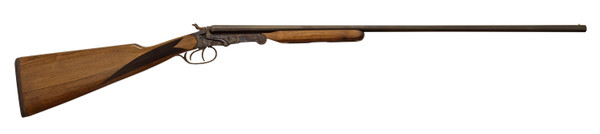
Silver Eagle Arms Alesta 410 Gauge Side-by-Side Shotgun with 28-Inch Barrel
Silver Eagle ArmsOUR PRICE: $773.99Silver Eagle Arms OHALCH3628 Alesta 410 Gauge Break Open 3" 2rd 28" Black Side By Side Barrel, Black Receiver, Fixed Turkish Walnut Stock, Soft Carry Case The Silver Eagle Arms Alesta is a classic... -

F.A.I.R. Iside T Garda 12 Gauge Side-by-Side Shotgun with 28-inch Barrel and TechniChoke System
F.A.I.R.OUR PRICE: $3,230.99F.A.I.R. FRISTGAR1228 Iside T Garda 12 Gauge Break Open 2rd 28" Blued Side By Side Barrel, Color Case Hardened Receiver, Fixed w/Pistol Grip Walnut Stock, TechniChoke System The F.A.I.R. Iside T... -

F.A.I.R. Iside T Garda 20 Gauge Side-by-Side Shotgun with 28-inch Barrel and TechniChoke System
F.A.I.R.OUR PRICE: $3,230.99F.A.I.R. FRISTGAR2028 Iside T Garda 20 Gauge Break Open 2rd 28" Blued Side By Side Barrel, Color Case Hardened Fixed w/Pistol Grip Walnut Stock, TechniChoke System The F.A.I.R. Iside T Garda is a... -
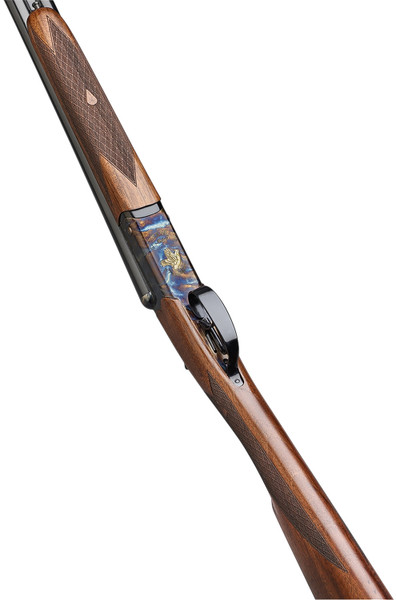
F.A.I.R. Iside II 28 Gauge Side By Side Shotgun with 28-Inch Barrel and Engraved Case-Hardened Frame
F.A.I.R.OUR PRICE: $2,509.99F.A.I.R. FRISII2828 Iside II 28 Gauge Break Open 2rd 28" Side By Side Barrel, Color Case Hardened w/Engraving, English Style Walnut w/Straight Grip Stock, Technichoke XP50 Choke System The F.A.I.R... -
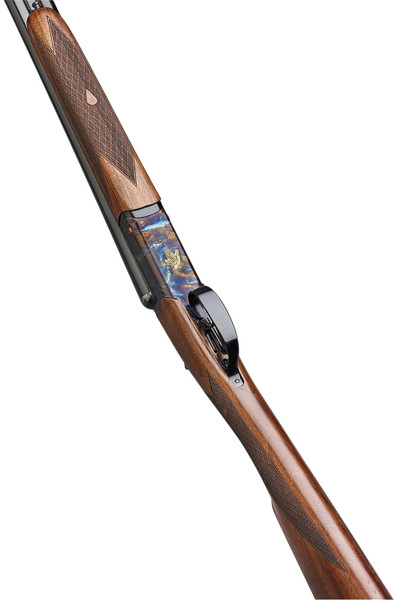
F.A.I.R. FR-ISII-1228 Iside II 12 Gauge Side by Side Shotgun with 28-Inch Barrel and Engraved Frame
F.A.I.R.OUR PRICE: $2,509.99F.A.I.R. FRISII1228 Iside II 12 Gauge Break Open 2rd 28" Side By Side Barrel, Color Case Hardened w/Engraving, English Style Walnut w/Straight Grip Stock, Technichoke XP50 Choke System F.A.I.R... -
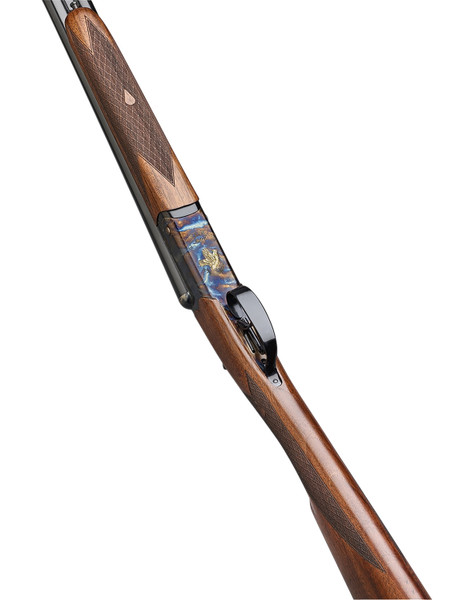
F.A.I.R. FR-ISII-1628 Iside II 16 Gauge Side By Side Shotgun with 28-Inch Barrel and Engraved Frame
F.A.I.R.OUR PRICE: $2,509.99F.A.I.R. FRISII1628 Iside II 16 Gauge Break Open 2rd 28" Side By Side Barrel, Color Case Hardened w/Engraving, English Style Walnut w/Straight Grip Stock, Technichoke XP50 Choke System F.A.I.R... -
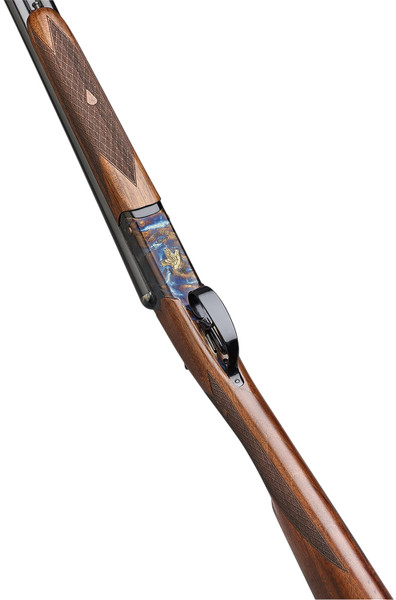
F.A.I.R. Iside II 20 Gauge Side by Side Shotgun with 28 Inch Barrel and Engraved Receiver
F.A.I.R.OUR PRICE: $2,509.99F.A.I.R. FRISII2028 Iside II 20 Gauge Break Open 2rd 28" Side By Side Barrel, Color Case Hardened w/Engraving, English Style Walnut w/Straight Grip Stock, Technichoke XP50 Choke System F.A.I.R. Iside... -

F.A.I.R. Iside II 410 Gauge Side-by-Side Shotgun 28 Inch Barrel Double Trigger
F.A.I.R.OUR PRICE: $2,509.99F.A.I.R. FRISII4128 Iside II 410 Gauge Break Open 2rd 28" Side By Side Barrel, Color Case Hardened w/Engraving, English Style Walnut w/Straight Grip Stock, Technichoke XP50 Choke System F.A.I.R... -
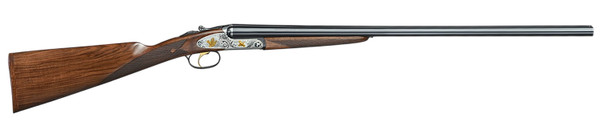
F.A.I.R. FR-ISSL-1228 Iside Select 12 Gauge Side By Side Shotgun with 28-Inch Barrel and TechniChoke
F.A.I.R.OUR PRICE: $3,994.99F.A.I.R. FRISSL1228 Iside Select 12 Gauge Break Open 2rd 28" Black Side By Side Barrel, Polished Silver w/Gold Inlay Receiver, English Style Oiled Walnut Stock, Technichoke XP50 Choke System F.A.I.R... -
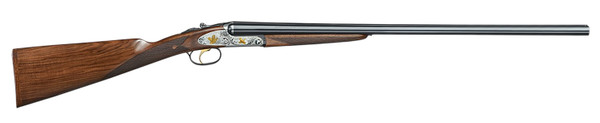
F.A.I.R. FR-ISSL-2028 Iside Select 20 Gauge Side By Side Shotgun with 28-Inch Barrel and TechniChoke
F.A.I.R.OUR PRICE: $3,994.99F.A.I.R. FRISSL2028 Iside Select 20 Gauge Break Open 2rd 28" Black Side By Side Barrel, Polished Silver w/Gold Inlay Receiver, English Style Oiled Walnut Stock, Technichoke XP50 Choke System F.A.I.R... -

Heritage Manufacturing Coachwhip 16-Gauge Shotgun 18.5 Inch Barrel
Heritage MfgOUR PRICE: $1,017.99HER CW1618CH COACHWHIP 16G 18.5" 2R CH The Heritage Manufacturing Coachwhip features a 16-gauge shotgun with an 18.5-inch barrel, designed for reliable performance and versatility. Its compact size... -
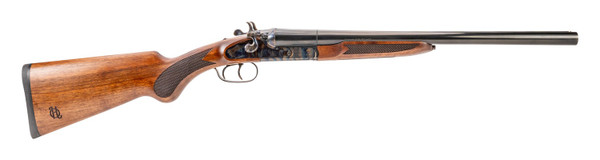
Heritage Manufacturing Coachwhip 20-Gauge Shotgun 18.5-Inch Two-Round Chamber
Heritage MfgOUR PRICE: $1,017.99HER CW2018CH COACHWHIP 20G 18.5" 2R CH The Heritage Manufacturing Coachwhip is a 20-gauge shotgun designed for versatility and reliable performance. Featuring an 18.5-inch barrel, it offers a...
