
AR-15 Upper vs Lower: What’s the Difference and Which Parts Do You Need?
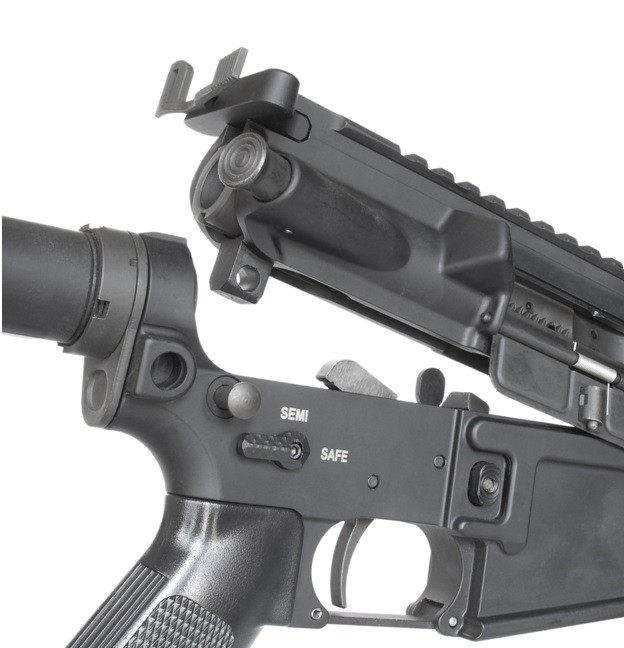
If you are shopping for AR-15 parts, one of the most common questions is the difference between the upper and the lower. These terms come up constantly when buyers research complete rifles, stripped lowers, complete uppers, lower parts kits, bolt carrier groups, and charging handles.
The good news is that the AR-15 platform is easier to understand once you break it into the two main sections. The upper and lower work together to form the rifle, but each section serves a different purpose and affects how the rifle is built, configured, and purchased.
If you are buying your first AR-15, planning a build, or trying to understand which parts you actually need, this guide explains it in a simple, buyer-friendly way.
What is the upper on an AR-15?
The upper is the top half of the AR-15. It contains many of the parts that control how the rifle shoots, including the barrel, handguard, gas system, and upper receiver assembly.
When buyers talk about choosing an AR-15 upper, they are usually comparing things like barrel length, caliber, rail style, gas system, weight, and overall intended use. A complete upper is often one of the easiest ways to configure the rifle for a specific purpose.
What is the lower on an AR-15?
The lower is the bottom half of the AR-15. It includes the grip, trigger area, magazine well, buffer system, and stock or brace attachment point depending on the setup.
The lower is the part that forms the foundation of the rifle’s controls and handling. Buyers shopping for lowers are often comparing stripped lowers, complete lowers, trigger options, furniture, and build quality.
What is the main difference between the upper and lower?
The easiest way to think about it is this:
- Upper = barrel, rail, gas system, and shooting configuration
- Lower = trigger area, controls, grip, stock setup, and magazine interface
The upper usually shapes how the rifle performs in terms of caliber, barrel length, and application. The lower shapes how the rifle feels and functions in terms of controls, trigger, and overall handling.
What is a complete upper?
A complete upper is an upper assembly that is already put together. In most cases, it includes the upper receiver, barrel, handguard, and gas system, though some complete uppers may or may not include the bolt carrier group and charging handle.
This is why buyers should always read the product details carefully. Some complete uppers are truly ready to pair with a lower, while others still require a few additional parts before the rifle is fully assembled.
What is a stripped upper?
A stripped upper is a more basic upper receiver component that is not fully assembled into a complete shooting upper. It is generally chosen by buyers who are building from the ground up and want to select each part separately.
For most first-time AR-15 buyers, a complete upper is the easier and more practical starting point. A stripped upper is more common for experienced builders who want full control over every component.
What is a complete lower?
A complete lower is a lower assembly that already includes the major lower components, such as the trigger group, grip, buffer system, and stock assembly.
For buyers who want a simple path to assembling an AR-15, a complete lower can save time and eliminate a lot of guesswork. Pairing a complete lower with a compatible complete upper is one of the most straightforward ways to put together an AR-15.
What is a stripped lower?
A stripped lower is the lower receiver by itself without the internal parts installed. This is a common starting point for custom builds because it allows the buyer to choose the trigger, lower parts kit, grip, stock, and other components separately.
A stripped lower offers more flexibility, but it also requires more parts and more understanding of how the rifle goes together. For a beginner, a complete lower is often the easier option.
Do you need both an upper and a lower to build an AR-15?
Yes. The AR-15 requires both the upper and lower to function as a complete rifle. If you only have one half, you do not yet have a complete AR-15 setup.
That is why many buyers choose one of these simple paths:
- Complete rifle
- Complete upper + complete lower
- Complete upper + stripped lower + lower parts
The more stripped components you buy, the more individual parts and assembly work you will need.
Do all complete uppers include a BCG and charging handle?
No. This is one of the biggest areas of confusion for AR-15 buyers.
Some complete uppers include the bolt carrier group and charging handle, while others do not. If those parts are not included, you will need to add them separately before the rifle can be fully assembled and used.
When comparing complete uppers, always check whether the package includes:
- Bolt carrier group
- Charging handle
- Muzzle device
- Handguard and gas system already installed
What does the bolt carrier group do?
The bolt carrier group, often called the BCG, is one of the most important working parts of the AR-15. It plays a major role in the rifle’s cycling function and is a critical part of the upper assembly.
Because of that, many buyers specifically shop for upgraded or replacement BCGs when building or improving an AR-15. It is one of the most searched AR parts for good reason.
What does the charging handle do?
The charging handle is used to manually operate the action. It is another commonly purchased AR-15 part, especially for buyers who want improved grip, easier operation, or an upgraded feel.
If your complete upper does not include a charging handle, you will need to add one separately.
Which part should a beginner buy first?
For many beginners, the simplest route is to buy either a complete rifle or a complete upper and complete lower. That path reduces confusion and helps avoid missing important components.
If you are completely new to the platform, buying a stripped lower and sourcing every part individually can be more complicated than necessary. It can still be a great option later, but most first-time buyers are better served by keeping the process simple.
Is a complete upper and complete lower a good option?
Yes. For many buyers, this is one of the best ways to get into the AR-15 platform without buying a factory-complete rifle.
This route gives you flexibility in choosing your configuration while avoiding much of the complexity of a full custom build. It also makes it easier to choose the exact barrel length, furniture, and accessory path you want.
What parts do you need for a basic AR-15 build?
If you are not buying a complete rifle, the basic parts path usually includes:
- Upper or complete upper
- Lower or complete lower
- Bolt carrier group if not included
- Charging handle if not included
- Magazine
- Optic or sights
- Ammunition
If you start with stripped components, you may also need a lower parts kit, stock assembly parts, and additional tools depending on the build.
Is the upper or lower more important?
Both matter, but they matter in different ways.
The upper usually has a bigger effect on the rifle’s caliber, barrel length, and overall shooting role. The lower affects the controls, trigger feel, ergonomics, and how the rifle is set up for the shooter.
In simple terms, the upper often drives performance and configuration, while the lower drives control and feel.
Can you change uppers later?
Yes. One of the biggest advantages of the AR-15 platform is modularity. Many buyers start with one upper setup and later add another for a different purpose.
This is one reason AR-15 buyers often research complete uppers so heavily. A different upper can completely change how the rifle is configured for range use, general-purpose shooting, or a more specialized setup.
What should buyers pay attention to when shopping for uppers and lowers?
When comparing AR-15 uppers and lowers, focus on the details that actually affect compatibility and use:
- Whether the upper is complete or stripped
- Whether the BCG and charging handle are included
- Barrel length and caliber
- Handguard style
- Whether the lower is complete or stripped
- Trigger and furniture setup
- Overall intended use of the rifle
Those points usually matter much more than marketing language or cosmetic features alone.
Final thoughts: upper vs lower on an AR-15
The AR-15 upper and lower serve different roles, but together they form the rifle platform that makes the AR-15 so flexible and popular.
If you want the easiest path, a complete upper and complete lower are often the simplest option. If you want more customization, stripped parts give you more control but require more planning and additional components.
The best route depends on your experience level, your intended use, and how much of the rifle you want to configure yourself. Understanding the difference between the upper and lower is one of the best first steps any AR-15 buyer can make.
FAQ Section
What is the difference between an AR-15 upper and lower?
The upper contains the barrel, handguard, and major shooting components, while the lower contains the trigger area, magazine well, grip, and stock-related components.
Do I need a BCG and charging handle with a complete upper?
Sometimes yes. Some complete uppers include them, while others do not, so buyers should always check the product details.
Is a complete upper and complete lower better for a beginner?
For many beginners, yes. It is one of the easiest ways to assemble an AR-15 without dealing with every individual small part.
What is a stripped lower?
A stripped lower is the lower receiver by itself without the internal parts installed. It is often used for custom AR-15 builds.
Can I upgrade my AR-15 upper later?
Yes. One of the biggest advantages of the AR-15 platform is the ability to change and upgrade components over time.
Explore Popular Articles

How to Choose the Right AR-15 Magazine: 10-Round, 20-Round, 30-Round, Polymer, or Steel?
If you are shopping for AR-15 magazines, one of the first things you will notice is how many options...
Best AR-15 Accessories for New Owners: What to Buy First and What Can Wait
If you just bought your first AR-15, it is easy to get overwhelmed by the number of accessories on t...
AR-15 Upper vs Lower: What’s the Difference and Which Parts Do You Need?
If you are shopping for AR-15 parts, one of the most common questions is the difference between the...

AR-15 Buying Guide: What to Know Before You Buy Your First AR-15
If you are researching your first AR-15, the amount of information online can feel overwhelming fast...