
Raven Rock Armory
Tactical Belts, Gun Belts & Duty Belt Gear
Shop tactical belts, gun belts, duty belts, battle belts, inner belts, outer belts, range belts, and compatible belt accessories at Raven Rock Armory. Compare belt width, stiffness, load-bearing capacity, buckle design, adjustment range, MOLLE compatibility, attachment systems, materials, and sizing for range, training, carry, outdoor, and professional applications.
Learn more about tactical belts, gun belts & load-bearing systems
Tactical and gun belts provide structured platforms for carrying holsters, magazine pouches, medical equipment, tools, radios, utility pouches, and other compatible gear. Belt designs vary in stiffness, width, material, buckle system, attachment method, adjustment range, and intended use.
Gun Belts
Gun belts are generally designed with more structure than ordinary clothing belts to help support the weight of a handgun, holster, magazines, and other carried equipment. Designs may be intended for concealed carry, range use, field use, or general-purpose firearm carry.
Tactical Belts
Tactical belts may serve as load-bearing platforms for holsters, pouches, medical equipment, tools, and accessories. Depending on the model, they may use reinforced webbing, rigid inserts, MOLLE attachment surfaces, quick-release buckles, or inner-and-outer belt systems.
Duty Belts
Duty belts are designed to support multiple pieces of equipment around the waist. Construction can include reinforced nylon, leather, laminate, polymer stiffeners, hook-and-loop surfaces, and heavy-duty buckles.
Battle Belts
Battle belts are commonly configured as modular equipment belts capable of supporting holsters, rifle and pistol magazine pouches, medical kits, dump pouches, utility pouches, and other gear. Some use padded sleeves, while others use rigid inner-and-outer belt systems.
Choosing a Tactical or Gun Belt
- Belt Width: Confirm compatibility with holsters, pouches, belt loops, and mounting hardware.
- Stiffness: More rigid belts can help distribute the weight of heavier equipment and reduce sagging.
- Sizing: Follow the manufacturer's sizing instructions because waist size and belt size are not always identical.
- Buckle System: Compare traditional buckles, quick-release buckles, hook-and- loop closures, and other adjustment systems.
- Attachment Method: Determine whether equipment mounts directly to the belt, to MOLLE webbing, to an outer sleeve, or through another modular interface.
Inner & Outer Belt Systems
Two-piece belt systems typically use an inner belt worn through the wearer's belt loops and an outer equipment belt attached using hook-and-loop material. This design can help keep the outer belt and mounted equipment in a consistent position.
Inner Belts
Inner belts are generally lower-profile belts designed to work with compatible outer belts. They may use hook-and-loop surfaces, flexible webbing, low-profile closures, or other construction intended to reduce bulk.
Outer Belts
Outer belts provide the primary mounting platform for equipment. They may incorporate rigid webbing, reinforcement, MOLLE slots, laser-cut attachment surfaces, quick-release buckles, and adjustment hardware.
Padded Belt Systems
Padded tactical belts use cushioning, mesh, or structured sleeves between the equipment belt and the wearer. These systems may improve comfort but can add bulk compared with low-profile inner-and-outer belt designs.
MOLLE Battle Belts
MOLLE-compatible belts provide webbing or laser-cut slots for attaching compatible pouches and accessories. Available attachment space depends on belt size, buckle location, belt construction, and the amount of equipment already mounted.
Laser-Cut MOLLE Belts
Laser-cut belts use precisely cut slots in laminate or reinforced materials rather than traditional sewn webbing. Compatibility depends on the pouch attachment system and slot dimensions.
Belt Width
Tactical and gun belts are manufactured in different widths. Common holsters, clips, pouches, and mounting adapters are designed around specific belt dimensions, so belt width should be verified before selecting accessories.
Belt Stiffness
Belt stiffness helps determine how well a belt supports mounted equipment. Flexible belts may be more comfortable for light loads, while reinforced belts can provide greater support for heavier holsters, magazines, medical gear, or utility equipment.
Belt Materials
Tactical belts may use nylon webbing, laminate, leather, thermoplastic reinforcement, polymer stiffeners, elastic, metal hardware, or combinations of materials. Construction affects weight, flexibility, stiffness, durability, and appearance.
Nylon Tactical Belts
Nylon webbing is widely used in tactical and range belts because it can provide high strength with relatively low weight. Multiple layers, reinforcement, edge binding, and internal stiffeners may be used depending on the design.
Leather Gun Belts
Leather gun belts may use thicker hides, reinforced layers, or internal stiffeners to support holstered equipment. Leather thickness, construction, finish, and buckle design vary by manufacturer.
Quick-Release Buckles
Many tactical belts use quick-release buckles made from metal, polymer, or composite materials. Buckle size, load rating, locking method, and adjustment system vary between products.
Cobra-Style Buckles
Some tactical belts use metal quick-release buckles commonly described as Cobra-style designs. Exact buckle specifications and ratings should be verified with the belt manufacturer rather than assumed from appearance alone.
Traditional Buckles
Traditional belt buckles may use prongs, friction locks, sliding mechanisms, or other closures. These designs are often used on concealed-carry gun belts, leather belts, and general-purpose reinforced belts.
Hook-and-Loop Adjustment
Hook-and-loop material is frequently used for securing overlapping belt sections, connecting inner and outer belts, or providing additional adjustment. The amount and placement of hook-and-loop material vary by belt design.
Holster Compatibility
Holster mounts, belt loops, clips, paddles, hangers, drop adapters, and duty mounting systems may require a specific belt width or stiffness. Always compare the holster mounting system with the actual belt dimensions.
Magazine Pouch Compatibility
Magazine pouches may attach directly to the belt using loops or clips, or they may use MOLLE-compatible mounting hardware. Confirm that the pouch attachment system matches the belt configuration.
Medical & IFAK Pouch Placement
Medical pouches can be mounted at different positions depending on the belt setup and pouch design. Consider accessibility, seated comfort, interaction with backpacks or plate carriers, and interference with other equipment.
Dump Pouches
Dump pouches are commonly mounted on tactical or battle belts to provide temporary storage for magazines, gloves, tools, or other gear. Foldable designs can reduce bulk when not in use.
Utility Pouches
Utility pouches can carry tools, lights, batteries, gloves, communication equipment, range supplies, or other items. The size and mounting method should be matched to the available belt space.
Belts for Concealed Carry
Concealed-carry gun belts are generally designed to provide enough rigidity to support an IWB or OWB holster while remaining suitable for everyday clothing. Belt thickness and width can affect compatibility with both pants loops and holster clips.
Belts for Range Use
Range belts may support a holster, magazine pouches, dump pouch, medical equipment, and other accessories. Modular systems allow equipment to remain mounted to the belt between training or range sessions.
Belts for Hunting & Outdoor Use
Outdoor belts may be used to support holsters, knife sheaths, ammunition carriers, utility pouches, tools, or other field equipment. Comfort and compatibility with packs or outer garments should be considered.
Belt Sizing
Belt sizing methods vary significantly. Some manufacturers size belts by actual waist measurement, others by pants size, and some use size ranges such as small, medium, or large. Always follow the exact manufacturer's sizing chart.
Adjustment Range
Adjustment range is important when belts are worn over different clothing layers or combined with inner belts. Confirm the minimum and maximum adjustment specifications for the selected size.
Equipment Weight & Balance
A complete belt setup can become significantly heavier after adding a handgun, magazines, medical supplies, tools, and other gear. Distributing equipment around the belt can influence comfort, movement, and balance.
Compatibility With Plate Carriers
Tactical belts are often worn with plate carriers or chest rigs. Consider whether pouches, holsters, and other belt-mounted gear interfere with the carrier, cummerbund, side plates, or other equipment.
Compatibility With Backpacks
Backpack waist straps and hip belts can overlap with tactical belts or mounted pouches. Equipment placement may need to be adjusted when belts and packs are worn together.
Inspecting a Tactical Belt
Regularly inspect webbing, stitching, buckle components, hook-and-loop surfaces, adjustment hardware, MOLLE slots, mounting points, and reinforcement for wear, looseness, cuts, deformation, or other damage.
Cleaning & Care
Follow the belt manufacturer's instructions for cleaning and storage. Nylon, laminate, leather, elastic, hardware, and hook-and-loop materials may require different care methods.
Always Verify Manufacturer Specifications
Belt width, stiffness, sizing, materials, buckle systems, adjustment range, MOLLE compatibility, load-bearing design, and accessory compatibility vary by manufacturer and product. Always review the current manufacturer's specifications for the exact belt and equipment being considered.
Filter By
Products List
-
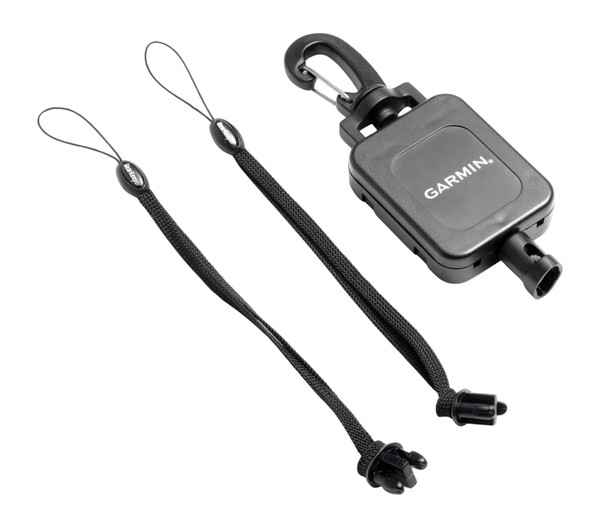
Garmin GPSMAP Retractable Lanyard 010-10888-00
GarminOUR PRICE: $25.99Garmin GPSMAP Retractable Lanyard Model 010-10888-00 The Garmin GPSMAP Retractable Lanyard is designed to securely attach GPSMAP devices, providing convenient access and portability. Crafted for... -
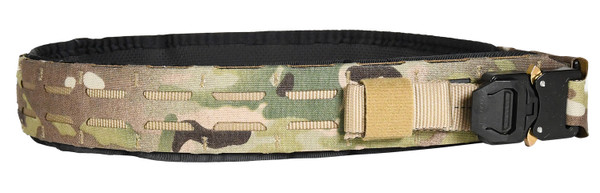
High Speed Gear Operator Belt with Micro Grip Panel and Cobra Buckle in Multi-Cam
HIGH SPEED GEAROUR PRICE: $208.00High Speed Gear 31O2M3MC Operator Gen 2 W/Micro Grip Panel Multi-Cam Nylon Belt Size XL 40-44", 1.75" Wide Buckle Closure The High Speed Gear Operator Belt model 31O2M3MC offers enhanced comfort and... -

High Speed Gear Gen 2 Operator Belt with Micro Grip Panel Multi-Cam
HIGH SPEED GEAROUR PRICE: $213.00High Speed Gear 31O2M4MC Operator Gen 2 W/Micro Grip Panel Multi-Cam Nylon Belt Size XXL 44-48", 1.75" Wide Buckle Closure The High Speed Gear Gen 2 Operator Belt with Micro Grip panel offers... -
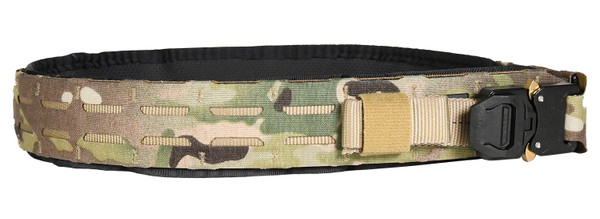
High Speed Gear Operator Belt Gen 2 with Micro Grip Panel Multi-Cam Nylon Buckle
HIGH SPEED GEAROUR PRICE: $208.00High Speed Gear 31O2M2MC Operator Gen 2 W/Micro Grip Panel Multi-Cam Nylon Belt Size L 36-40", 1.75" Wide Buckle Closure The High Speed Gear Operator Belt Gen 2 offers enhanced comfort and... -
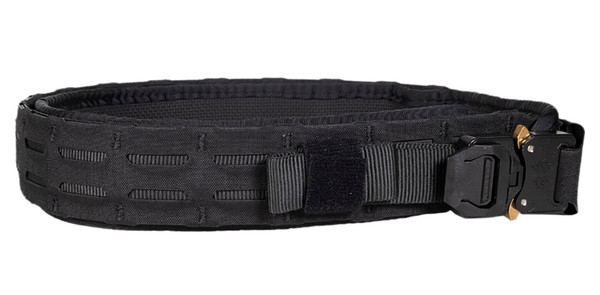
High Speed Gear Operator Belt with Micro Grip Panel and Cobra Buckle Black
HIGH SPEED GEAROUR PRICE: $208.00High Speed Gear 31O2M2BK Operator Gen 2 W/Micro Grip Panel Black Nylon Belt Size XL 40-44", 1.75" Wide Buckle Closure The High Speed Gear Operator Belt with Micro Grip panel offers enhanced comfort... -
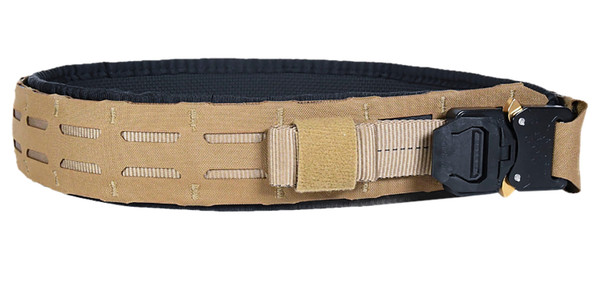
High Speed Gear Operator Belt with Micro Grip Panel and Cobra Buckle in Coyote Brown
HIGH SPEED GEAROUR PRICE: $208.00High Speed Gear 31O2M2CB Operator Gen 2 W/Micro Grip Panel Coyote Brown Nylon Belt Size XL 40-44", 1.75" Wide Buckle Closure The High Speed Gear Operator Belt with Micro Grip panel offers enhanced... -
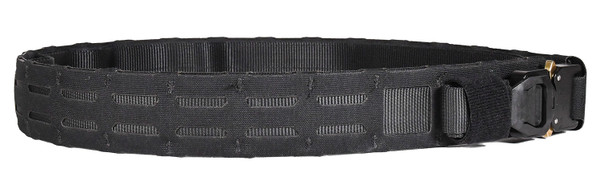
High Speed Gear Operator Belt Gen 2 with Cobra Buckle and MOLLE Slits
HIGH SPEED GEAROUR PRICE: $208.00High Speed Gear 31O2I1BK Operator Gen 2 w/Inner Belt Black Nylon Belt Size M 32-36", 1.75" Wide Buckle Closure The High Speed Gear Operator Belt Gen 2 is a durable and versatile tactical belt... -
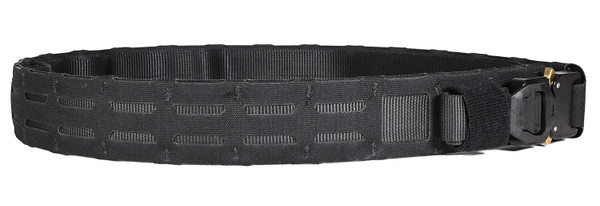
High Speed Gear Operator Belt Gen 2 with Cobra Buckle and MOLLE Webbing Black
HIGH SPEED GEAROUR PRICE: $208.00High Speed Gear 31O2I2BK Operator Gen 2 w/Inner Belt Black Nylon Belt Size L 36-40" 1.75", Wide Buckle Closure The High Speed Gear Operator Belt Gen 2 is a durable and versatile tactical belt... -
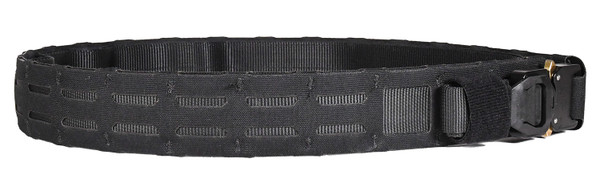
High Speed Gear Operator Belt with Cobra Buckle and MOLLE Compatibility
HIGH SPEED GEAROUR PRICE: $208.00High Speed Gear 31O2I3BK Operator Gen 2 w/Inner Belt Black Nylon Belt Size XL 40-44" 1.75", Wide Buckle Closure The High Speed Gear Operator Belt model 31O2I3BK is a durable and versatile tactical... -
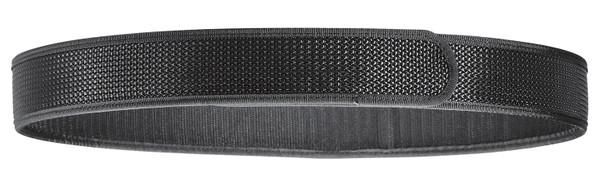
Bianchi 17705 Nylon Liner Belt Black XS 24-28 inches 1.5 inch Wide
BianchiOUR PRICE: $30.80Bianchi 17705 Black Nylon XS Belt Size 24-28" 1.50" Wide The Bianchi 17705 nylon liner belt offers durable and reliable waist support with a sleek black finish, perfect for everyday wear or... -

Bianchi Nylon Liner Belt Small 28-34 inches Black 1.5 inches wide
BianchiOUR PRICE: $30.80Bianchi 17706 Black Nylon Small Belt Size 28-34" 1.50" Wide The Bianchi 17706 nylon liner belt offers a durable and reliable option for everyday wear. Designed with a sturdy black nylon... -
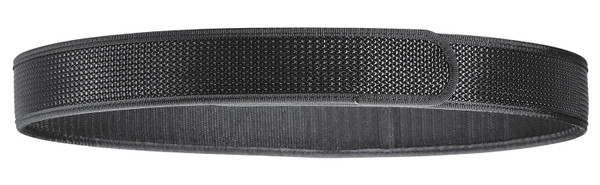
Bianchi 17709 Nylon Liner Belt XL 46-52 Inches Black 1.50 Inch Wide
BianchiOUR PRICE: $31.60Bianchi 17709 Black Nylon XL Belt Size 46-52" 1.50" Wide The Bianchi 17709 nylon liner belt is designed for durability and comfort, featuring a 1.50-inch wide strap made from high-quality nylon... -
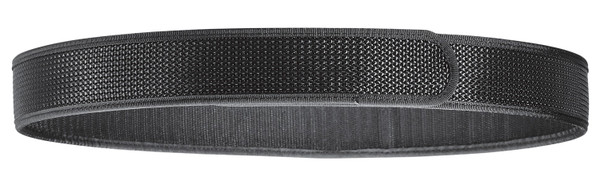
Bianchi 17710 Nylon Liner Belt 2XL Black 1.5 Inch Wide for Waist 52-56 Inches
BianchiOUR PRICE: $33.20Bianchi 17710 Black Nylon 2XL Belt Size 52-56" 1.50" Wide The Bianchi 17710 nylon liner belt offers a durable and reliable option for everyday wear or tactical use. Crafted from high-quality nylon,... -
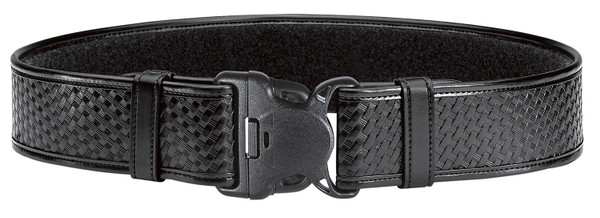
Bianchi Duty Belt Black XS 24-28 inches 2.25 inches Wide
BianchiOUR PRICE: $65.60Bianchi 22121 Duty Belt Black XS Belt Size 24-28" 2.25" Wide The Bianchi 22121 duty belt offers durable construction and reliable performance for law enforcement and security professionals. Made... -
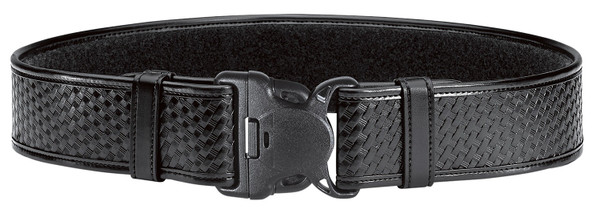
Bianchi Duty Belt Small Black 28-34 Inches 2.25 Inches Wide Model 22123
BianchiOUR PRICE: $65.60Bianchi 22123 Duty Belt Black Small Belt Size 28-34" 2.25" Wide The Bianchi 22123 duty belt is designed for professional use with a durable 2.25-inch width and a sleek black finish. Perfect for law... -

Bianchi Duty Belt Black Medium 34-40 inches 2.25-inch Width
BianchiOUR PRICE: $65.60Bianchi 22125 Duty Belt Black Medium Belt Size 34-40" 2.25" Wide The Bianchi 22125 duty belt is designed for professional use, offering durability and a secure fit for law enforcement, security, or... -
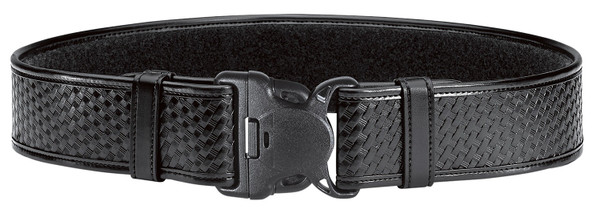
Bianchi Duty Belt Large Black 2.25-Inch Wide Model 22127
BianchiOUR PRICE: $65.60Bianchi 22127 Duty Belt Black Large Belt Size 40-46" 2.25" Wide Upgrade your duty gear with the Bianchi Model 22127 duty belt, designed for professional law enforcement and security personnel. This... -
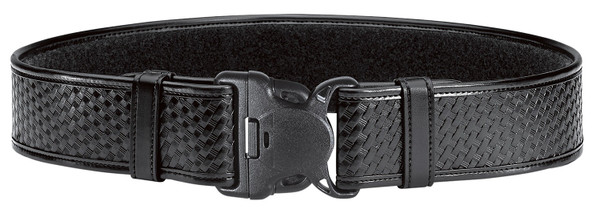
Bianchi 22129 Duty Belt Black XL 46-52 inches 2.25 inches Wide
BianchiOUR PRICE: $68.00Bianchi 22129 Duty Belt Black XL Belt Size 46-52" 2.25" Wide The Bianchi 22129 duty belt offers reliable performance for professional duty wear with a sturdy black leather construction and a width... -

Bianchi 22833 Duty Belt Black 2XL 52-58 Inches Wide 2.25 Inches
BianchiOUR PRICE: $70.40Bianchi 22833 Duty Belt Black 2XL Belt Size 52-58" 2.25" Wide The Bianchi 22833 duty belt is designed for professional use with a durable 2.25-inch width, providing reliable support and security... -
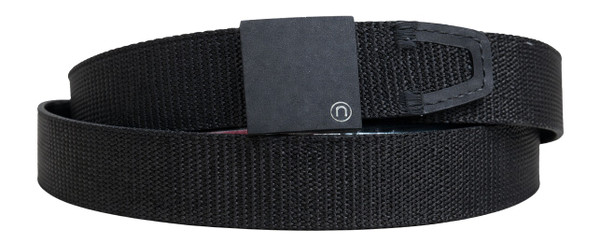
Team Nexbelt Operating Supreme Buckle with Titan Strap
TEAM NEXBELT OPERATINGOUR PRICE: $53.99NEXBELT EIS6256 SUPREME BUCKLE W/ TITAN STRAP The Team Nexbelt Operating Supreme Buckle with Titan Strap offers a durable and stylish fastening solution. Designed with high-quality materials, this... -

Team Nexbelt Operating Titan Buckle with Coy Supreme Strap
TEAM NEXBELT OPERATINGOUR PRICE: $53.99NEXBELT EIS6263 TITAN BUCKLE W/COY SUPREME STRAP The Team Nexbelt Operating Titan Buckle with Coy Supreme Strap offers a durable and stylish accessory for your belt setup. Crafted with a sleek titan... -
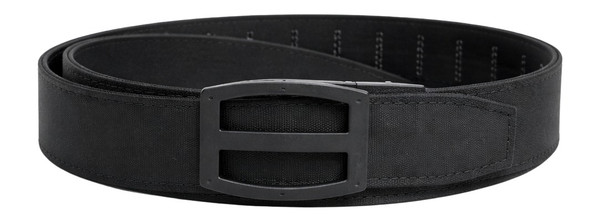
Team Nexbelt Operating Titan Buckle with Black Supreme Strap
TEAM NEXBELT OPERATINGOUR PRICE: $53.99NEXBELT EIS6270 TITAN BUCKLE W/BLK SUPREME STRAP The Team Nexbelt Operating Titan Buckle with Black Supreme Strap offers a durable and stylish accessory for your belt setup. Crafted with...
