
Raven Rock Armory
Duffel Bags, Carry Bags & Tactical Gear Storage
Shop duffel bags, tactical carry bags, gear bags, field bags, equipment bags, and portable storage at Raven Rock Armory. Compare capacity, compartment layout, materials, handles, shoulder straps, backpack straps, MOLLE compatibility, reinforcement, closures, and overall dimensions for range, hunting, travel, outdoor, training, and general gear transport.
Learn more about duffel bags, carry bags & tactical gear storage
Duffel and carry bags provide flexible storage for range gear, clothing, ammunition, protective equipment, tools, outdoor gear, hunting equipment, footwear, and other accessories. Designs vary in size, material, compartment layout, carrying method, reinforcement, and intended application.
Tactical Duffel Bags
Tactical duffel bags may use reinforced fabrics, modular attachment surfaces, multiple compartments, heavy-duty handles, shoulder straps, backpack straps, internal organizers, and other features intended for carrying substantial amounts of equipment.
Gear Bags
Gear bags provide general-purpose storage for equipment used at the range, in the field, during travel, or for outdoor activities. Designs can range from simple open interiors to highly organized multi-compartment systems.
Choosing a Duffel or Carry Bag
- Capacity: Consider both the total volume and the dimensions of the equipment being carried.
- Compartments: Compare main compartments, side pockets, end pockets, mesh organizers, shoe compartments, and removable dividers.
- Carrying System: Look at handles, shoulder straps, backpack straps, grab loops, and wheeled configurations.
- Materials: Compare nylon, polyester, canvas, laminate, mesh, reinforced panels, and other constructions.
- Loaded Weight: Larger bags can become heavy quickly when filled with equipment, ammunition, tools, and other dense items.
Range Gear Bags
Carry bags used for range equipment can store eye and ear protection, ammunition, magazines, tools, cleaning supplies, targets, gloves, spotting equipment, and other shooting accessories.
Hunting Gear Bags
Hunting-oriented bags may provide space for clothing, optics, calls, ammunition, gloves, accessories, field tools, and other equipment. Camouflage patterns, quiet fabrics, weather resistance, and packability may be important depending on the application.
Field Bags
Field bags are commonly designed around portability and organized access to tools, equipment, clothing, communication gear, or other supplies used away from a vehicle or fixed location.
Large Duffel Bags
Large duffels provide substantial storage capacity for clothing, boots, protective gear, equipment, or extended trips. Their larger volume also means total loaded weight should be considered before selecting a bag.
Compact Carry Bags
Smaller bags can provide a convenient option when only essential gear is needed. Compact dimensions may also make them easier to fit inside vehicles, lockers, cabinets, or other storage areas.
Multi-Compartment Bags
Separate compartments can help organize clothing, tools, electronics, footwear, ammunition, and other equipment while reducing contact between different types of gear.
Internal Organizers
Interior organization features may include mesh pockets, elastic loops, padded dividers, zippered compartments, document sleeves, or hook-and-loop panels.
Exterior Storage
Exterior pockets provide quick access to frequently used items such as gloves, lights, batteries, tools, hearing protection, notebooks, or personal equipment.
MOLLE-Compatible Bags
Some tactical bags include MOLLE or PALS-compatible webbing for attaching compatible pouches and accessories. Available mounting space varies based on the bag's size and panel configuration.
Hook-and-Loop Panels
Hook-and-loop surfaces may support identification patches, removable organizers, internal dividers, or compatible accessory panels.
Carry Handles
Handles may be reinforced with additional webbing, stitching, wraps, padding, or structural support. Handle strength becomes increasingly important as loaded bag weight increases.
Shoulder Straps
Shoulder straps may be padded, adjustable, removable, or fixed. Wider straps can help distribute heavier loads over a larger area.
Backpack-Style Carry
Some duffels include backpack straps that allow the bag to be carried on both shoulders. This can be useful when moving heavier gear or when both hands need to remain available.
Convertible Carry Systems
Convertible bags may allow users to switch between hand carry, shoulder carry, cross-body carry, and backpack-style configurations.
Rolling Duffel Bags
Larger bags may include wheels and telescoping handles to simplify movement of heavier equipment. Wheel size, axle construction, handle strength, and total loaded weight can affect portability.
Bag Materials
Carry bags may use nylon, polyester, canvas, laminate, mesh, polymer reinforcement, foam padding, metal hardware, or combinations of materials. Material selection influences weight, abrasion resistance, flexibility, and durability.
Reinforced Construction
Reinforced bottoms, corners, handles, seams, and high-stress areas can improve durability when bags are routinely loaded with heavy equipment.
Water-Resistant Materials
Coated fabrics, covered zippers, reinforced bottoms, or water-resistant materials may help reduce exposure to light moisture. Water resistance should not be assumed to mean the bag is waterproof.
Weather Exposure
Gear stored inside soft-sided bags can still be affected by rain, condensation, humidity, heat, and other environmental conditions. Consider the requirements of the equipment being transported.
Ventilated Compartments
Mesh panels, drainage openings, or ventilated compartments may be useful for damp clothing, boots, gloves, or other equipment that benefits from airflow.
Footwear Compartments
Some duffel bags include separate areas for boots or shoes to help isolate dirt, moisture, or debris from other stored equipment.
Clothing Storage
Larger carry bags can organize jackets, rain gear, base layers, gloves, hats, and other clothing used for hunting, range, travel, or outdoor applications.
Protective Gear Storage
Duffel bags can carry helmets, plate carriers, protective equipment, gloves, belts, pouches, and other tactical or outdoor gear. Equipment dimensions should be considered when choosing bag volume.
Plate Carrier & Vest Storage
Larger bags may be able to hold plate carriers or tactical vests. Armor and equipment can add considerable weight, so handles, seams, straps, and bag construction should be evaluated accordingly.
Helmet Storage
Helmets and other rigid protective equipment may require additional interior space and separation from heavy or sharp objects.
Tool & Maintenance Gear
Utility tools, cleaning equipment, spare parts, lubricants, and maintenance supplies can be organized in dedicated pockets or smaller internal containers.
Electronic Equipment
Radios, chargers, GPS equipment, cameras, rangefinders, batteries, and other electronics should be protected from impact, moisture, and contact with heavy equipment.
Ammo & Magazine Transport
Some carry bags can accommodate ammunition and magazines, but ammunition is dense and can significantly increase loaded weight. Dedicated internal containers or separate compartments may improve organization.
Travel Bags
Duffel bags are commonly used for vehicle and general travel. Commercial carriers may have specific size, weight, and contents requirements, so verify current rules when using a bag for air or other regulated transportation.
Vehicle Gear Storage
Carry bags can help consolidate equipment inside trucks, SUVs, or other vehicles. Consider temperature exposure, security, movement during driving, and how easily the bag can be removed when needed.
Bag Capacity
Manufacturers may list capacity using liters, cubic volume, dimensions, or general size classifications. Actual usable space can be affected by dividers, padding, pockets, and bag shape.
Loaded Bag Weight
A large bag does not necessarily mean it should be filled to its maximum physical volume with dense equipment. Consider lifting, carrying distance, handle strength, and manufacturer load guidance.
Balancing the Load
Keeping heavier items near the center or bottom of a bag can help improve balance. Avoid concentrating excessive weight in small pockets or unsupported compartments.
Identification & Labeling
Name panels, clear ID windows, hook-and-loop surfaces, or tags can help distinguish bags used for different equipment, users, or activities.
Inspecting a Duffel or Carry Bag
Periodically inspect handles, shoulder straps, backpack straps, zippers, buckles, seams, webbing, MOLLE panels, reinforcement, wheels, and bottom surfaces for wear or damage.
Cleaning & Care
Follow the manufacturer's care instructions for fabric, coatings, padding, hardware, hook-and-loop material, and other components. Allow damp bags to dry fully before extended storage.
Duffel Bags vs. Protective Hard Cases
Soft-sided bags provide flexible organization and convenient transport but generally do not provide the same rigid impact protection as a hard protective case.
Duffel Bags vs. Gun Cases
General-purpose carry bags should not automatically be treated as firearm-specific cases simply because a firearm may physically fit inside. Use storage products appropriate for the item and intended transport method.
Always Verify Manufacturer Specifications
Bag dimensions, capacity, materials, compartment layout, carrying systems, MOLLE compatibility, weather resistance, reinforcement, and load recommendations vary by manufacturer and model. Always review the current manufacturer's specifications for the exact bag being considered.
Filter By
Products List
-

Walkers Game Ear Muddy TRX 75L Duffle Mobile Bag
Walkers Game EarOUR PRICE: $46.99The Walkers Game Ear Muddy TRX 75L Duffle Mobile Bag is a spacious and durable carrying solution designed for outdoor enthusiasts and hunters. This duffle bag features a large 75-liter capacity,... -

Walkers Game Ear Muddy DV8 100L Duffle Bag Black and Tan
Walkers Game EarOUR PRICE: $137.99MUDDY MUD-DV8-100LWPD-BPM DV8 100L DUFFEL BK/PEAT The Walkers Game Ear Muddy DV8 100L Duffle Bag is a durable and spacious carrying solution designed for outdoor enthusiasts, hunters, and shooters... -
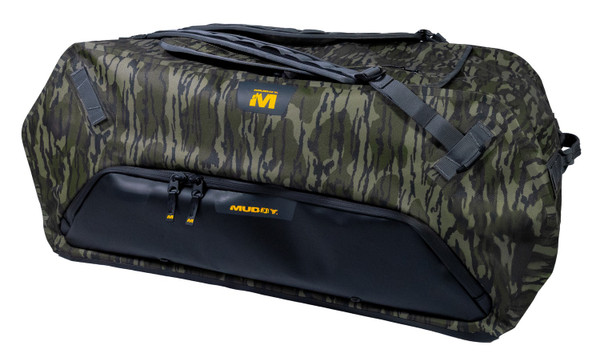
Walkers Game Ear Muddy DV8 100L Duffle Mobile Bag
Walkers Game EarOUR PRICE: $137.99MUDDY MUD-DV8-100LWPD-MOBL DV8 100L DUFFEL The Walkers Game Ear Muddy DV8 100L Duffle Mobile Bag is designed for hunters, shooters, and outdoor enthusiasts who need a durable and spacious storage... -

Walkers Game Ear MUDDY DV8 70L Duffle Bag Black and Tan
Walkers Game EarOUR PRICE: $115.99MUDDY MUD-DV8-70LWPD-BPM DV8 70L DUFFEL BK/PEAT The Walkers Game Ear MUDDY DV8 70L Duffle Bag is designed for outdoor enthusiasts and hunters who need a durable and spacious carrying solution. Made... -

Walkers Game Ear Muddy DV8 70L Duffle Bag with Mobile Carrying Handle
Walkers Game EarOUR PRICE: $115.99MUDDY MUD-DV8-70LWPD-MOBL DV8 70L DUFFLE The Walkers Game Ear Muddy DV8 70L Duffle Bag offers durable and spacious storage perfect for outdoor enthusiasts and hunters. Designed with a large capacity... -
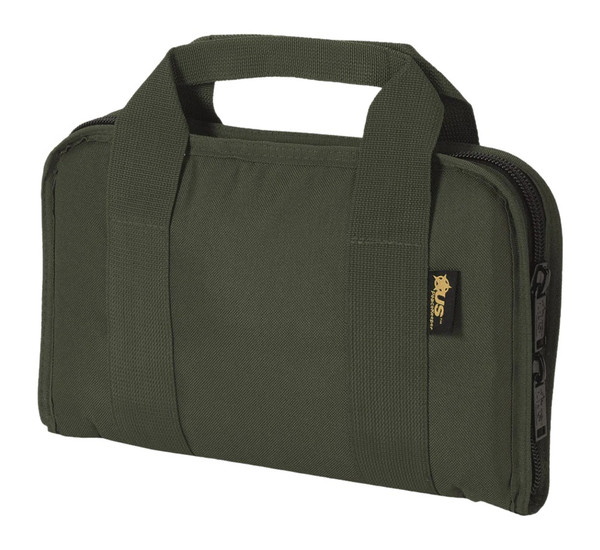
US PeaceKeeper P21107 Attache Case ODG Carrying Bag
US PeaceKeeperOUR PRICE: $17.99USP P21107 ATTACHE CASE ODG The US PeaceKeeper P21107 Attache Case ODG is a durable and functional carrying bag designed for secure storage and transport of firearms, accessories, or documents... -
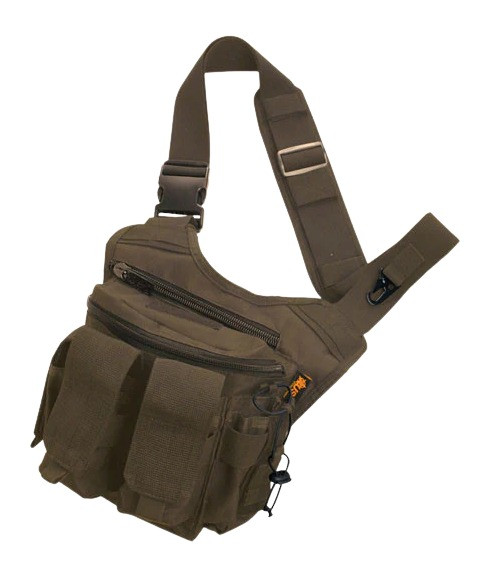
US PeaceKeeper P40305 Rapid Deployment Pack Tan Carrying Bag
US PeaceKeeperOUR PRICE: $45.99USP P40305 RAPID DEPLOYMENT PACK TAN The US PeaceKeeper P40305 Rapid Deployment Pack in tan offers a durable and versatile solution for carrying essential gear. Designed for quick access and ease of... -

US PeaceKeeper P22039 EDC Pocket Organizer Black and Tan
US PeaceKeeperOUR PRICE: $10.99USP P22039 EDC POCKET ORGANIZER BLK/TAN The US PeaceKeeper P22039 EDC Pocket Organizer is designed to keep your essential items organized and easily accessible. Crafted with durable materials, this... -
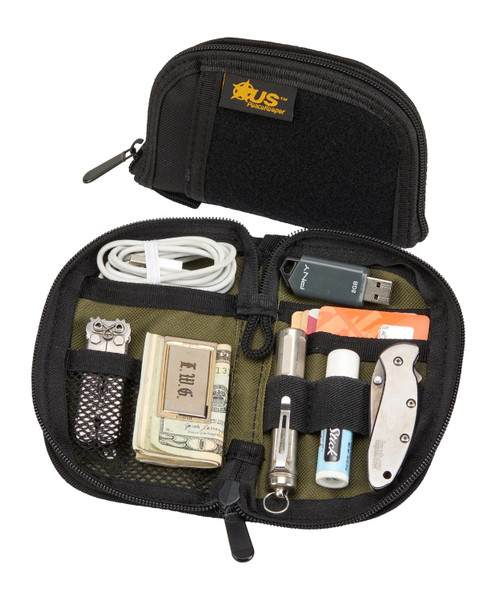
US PeaceKeeper P22036 EDC Pocket Organizer Black/Od Green
US PeaceKeeperOUR PRICE: $10.99USP P22036 EDC POCKET ORGANIZER BLK/ODG The US PeaceKeeper P22036 EDC Pocket Organizer is designed to provide convenient and organized storage for everyday carry essentials. Its compact size makes... -

US PeaceKeeper P22045 EDC Pocket Organizer Black
US PeaceKeeperOUR PRICE: $12.99USP P22045 EDC POCKET ORGANIZER BLK The US PeaceKeeper P22045 EDC Pocket Organizer is designed to help you keep your essential gear organized and easily accessible. Its compact size makes it ideal... -
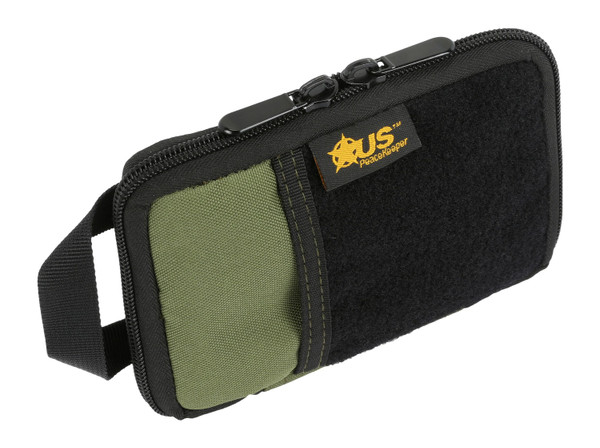
US PeaceKeeper P22046 EDC Pocket Organizer for Carrying Bags
US PeaceKeeperOUR PRICE: $12.99USP P22046 EDC POCKET ORGANIZER ODG The US PeaceKeeper P22046 EDC Pocket Organizer is designed to efficiently organize your essential tools and accessories within your carrying bags. Compact and... -
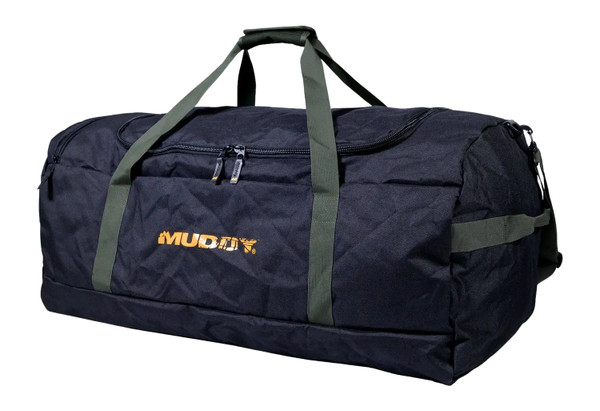
Walkers Game Ear Muddy TRX 100L Duffle Bag Black and Peat
Walkers Game EarOUR PRICE: $57.99MUDDY MUD-TRX-100LDB-BPM TRX 100L DUFFLE BK/PEAT The Walkers Game Ear Muddy TRX 100L Duffle Bag is a durable and spacious carrying solution designed for outdoor enthusiasts, hunters, and shooters... -
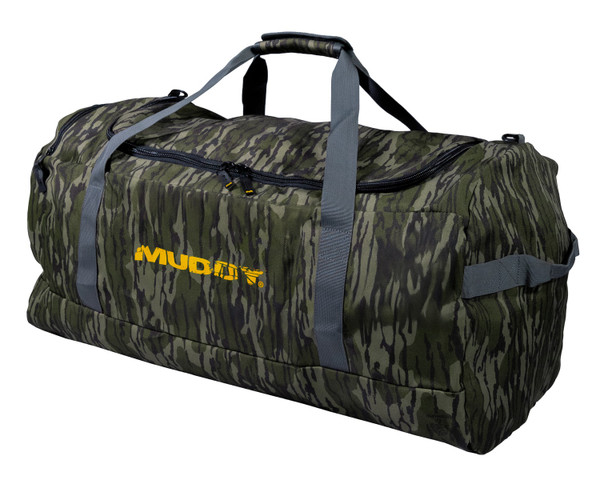
Walkers Game Ear Muddy Mud-TRX-100LDB-MOBL Duffle Bag
Walkers Game EarOUR PRICE: $57.99MUDDY MUD-TRX-100LDB-MOBL TRX 100L DUFFLE MOBL The Walkers Game Ear Muddy Mud-TRX-100LDB-MOBL Duffle Bag is designed for durable and spacious storage, perfect for outdoor and hunting enthusiasts... -

Walkers Game Ear Muddy Mud-TRX-125LDB-BPM Duffle Bag Black and Peat
Walkers Game EarOUR PRICE: $65.99MUDDY MUD-TRX-125LDB-BPM TRX 125L DUFFLE BK/PEAT The Walkers Game Ear Muddy Mud-TRX-125LDB-BPM is a versatile and durable duffle bag designed for outdoor enthusiasts, hunters, and shooters. Crafted... -

Walkers Game Ear Muddy Mud-TRX-125LDB-MOBL Duffle Mobile Carrying Bag
Walkers Game EarOUR PRICE: $65.99MUDDY MUD-TRX-125LDB-MOBL TRX 125L DUFFLE MOBL The Walkers Game Ear Muddy Mud-TRX-125LDB-MOBL is a durable and versatile duffle bag designed for outdoor enthusiasts, hunters, and shooters. Its... -
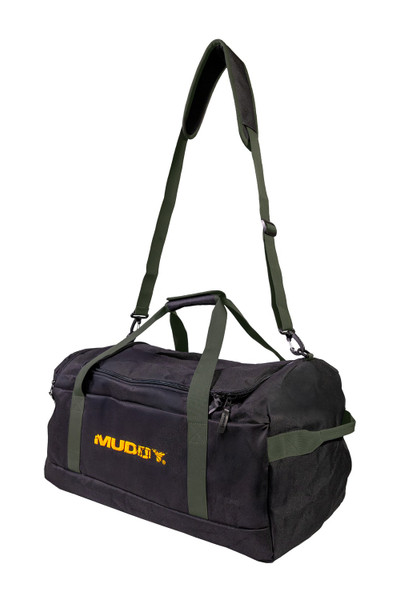
MUDDY MUD-TRX-75LDB-BPM TRX 75L DUFFLE BK/PEAT
Walkers Game EarOUR PRICE: $46.99MUDDY MUD-TRX-75LDB-BPM TRX 75L DUFFLE BK/PEAT
