
Raven Rock Armory
Body Armor, Ballistic Plates & Protective Gear
Shop body armor, ballistic plates, soft armor, armor panels, protective inserts, and compatible armor equipment at Raven Rock Armory. Compare armor type, protection rating, materials, dimensions, plate cut, curvature, weight, thickness, carrier compatibility, and manufacturer testing information for training, preparedness, professional, security, and personal-protection applications.
Learn more about body armor, ballistic plates & protective equipment
Body armor is designed to provide protective coverage using specialized materials and construction intended for specific threat levels and applications. Armor products can include hard ballistic plates, flexible soft armor, side plates, armor panels, inserts, and other protective components designed for compatible carriers or wearable systems.
Hard Armor Plates
Hard armor plates are rigid protective inserts commonly designed for use in compatible plate carriers. Depending on the product, plates may use ceramic, polyethylene, steel, composite materials, or combinations of materials. Plate weight, thickness, curvature, dimensions, cut, and rated performance can vary significantly between manufacturers and models.
Soft Body Armor
Soft armor generally uses flexible layers of ballistic material designed to provide protective coverage while allowing greater flexibility than rigid armor plates. Soft armor products may be manufactured as vest panels, inserts, side panels, concealable systems, or components designed for compatible carriers.
Choosing Body Armor
- Protection Rating: Review the exact manufacturer's stated protection level, testing standard, and certification information.
- Armor Type: Determine whether the application calls for hard plates, flexible soft armor, side armor, or another protective system.
- Size & Coverage: Compare armor dimensions and coverage with the intended wearer and carrier.
- Weight: Consider the total weight of the armor together with the carrier and any equipment attached to it.
- Carrier Compatibility: Confirm armor dimensions, thickness, curvature, and cut before pairing plates or panels with a carrier.
Armor Protection Ratings
Armor products may reference National Institute of Justice (NIJ) standards, manufacturer testing, independent laboratory testing, or other performance specifications. Ratings and terminology can differ depending on the product and testing method. Always review the exact product documentation rather than assuming armor with similar appearance or construction provides the same level of protection.
NIJ Standards
The National Institute of Justice publishes performance standards used for evaluating certain types of ballistic-resistant body armor. When an armor product references an NIJ standard, verify which specific standard, threat level, testing method, and certification or compliance claim applies to that exact model.
Plate Size & Carrier Compatibility
Armor plates and carriers should be matched using the manufacturer's specified dimensions. Plate width, height, thickness, curvature, and cut can affect fit. A carrier marked with a general size does not automatically guarantee compatibility with every plate of a similar nominal size.
Plate Cuts
Armor plates may be produced in several shapes, including rectangular, SAPI-style, shooter-style, swimmer-style, or other manufacturer-specific cuts. Different cuts can affect shoulder movement, coverage, and carrier compatibility.
Single-Curve & Multi-Curve Plates
Some hard armor plates use a single curvature while others use multiple curves intended to better follow the shape of the torso. Curvature can affect comfort, fit, carrier compatibility, and how the plate sits against the body.
Plate Materials
Hard armor may incorporate ceramic materials, polyethylene, composite fibers, steel, or layered combinations of materials. Each construction method can have different characteristics involving weight, thickness, durability, cost, and rated performance.
Armor Weight
Armor weight can influence mobility and comfort, particularly when combined with a plate carrier, magazines, medical supplies, hydration equipment, communication gear, and other accessories. Compare the listed weight of individual plates as well as the approximate weight of the complete loadout.
Armor Thickness
Plate thickness affects compatibility with plate pockets and retention systems. Two plates with similar height and width may still fit differently if their thickness, curvature, or edge construction differs.
Side Armor
Some armor systems support side plates or soft side panels intended to increase lateral coverage. Side-armor compatibility depends on the carrier, cummerbund, side-plate pouch, armor dimensions, and attachment system.
Trauma Pads & Backers
Certain armor systems may use manufacturer-approved backers, padding, or related components. These items should not be assumed to change the protection rating of an armor product unless the armor manufacturer specifically states that they are part of the tested or rated configuration.
Standalone vs. In-Conjunction Armor
Some armor is designed to provide its stated performance as a standalone product, while other armor may require a specified backing material or soft armor component. Always verify whether the manufacturer identifies a product as standalone or as part of an in-conjunction system.
Plate Carriers
Plate carriers are wearable platforms designed to hold compatible armor plates and, depending on the design, additional equipment. The carrier itself should not be assumed to provide ballistic protection unless the manufacturer specifically identifies protective materials as part of the product.
Proper Armor Placement
Correct placement depends on the armor system, wearer, carrier, and manufacturer instructions. Armor should be positioned according to the manufacturer's fitting guidance so the protective area is located as intended while maintaining reasonable mobility.
Inspecting Body Armor
Periodically inspect armor for cracks, deformation, damaged coverings, moisture exposure, delamination, excessive wear, compromised stitching, damaged fasteners, or other visible signs of damage. Follow the manufacturer's inspection and replacement recommendations.
Storage & Care
Store armor according to the manufacturer's instructions. Avoid conditions that may expose armor to excessive heat, moisture, chemicals, prolonged sunlight, or physical stress unless the manufacturer specifically states the product is designed for those environments.
Service Life
Some armor manufacturers specify a recommended service life, inspection interval, warranty period, or replacement schedule. These time periods vary by product and should be verified using the manufacturer's current documentation.
Armor After Impact or Damage
Armor that has sustained an impact, severe drop, structural damage, or other potentially compromising event should be evaluated in accordance with the manufacturer's instructions. Do not assume a damaged armor component retains its original performance rating.
Building a Complete Armor System
A complete armor setup may include front and rear armor plates, compatible side armor, a plate carrier, cummerbund, pouches, medical equipment, hydration components, communication gear, and other accessories. Compatibility and total load should be considered before assembling the complete system.
Always Verify Manufacturer Specifications
Body armor specifications, ratings, testing methods, materials, dimensions, service life, care requirements, and compatibility vary by manufacturer and model. Always rely on the current manufacturer's documentation for the specific armor product being considered.
Filter By
Products List
-

MIRA Tactical Level 4 Body Armor Plate
MIRA SafetyOUR PRICE: $249.97Get lightweight, stand-alone Level IV protection with the MIRA Tactical Level 4 Body Armor Plate. Weighing just 5.9 pounds and measuring approximately 0.9 inches thick, this 10” x 12” plate is... -

Team Wendy Zorbium Helmet 7 Pad System
Shellback TacticalOUR PRICE: $49.99Upgrade your helmet’s comfort and impact protection with the Team Wendy Zorbium® Helmet 7 Pad System. This standard-issue pad system is authorized for use in United States Army, Marine Corps, and... -
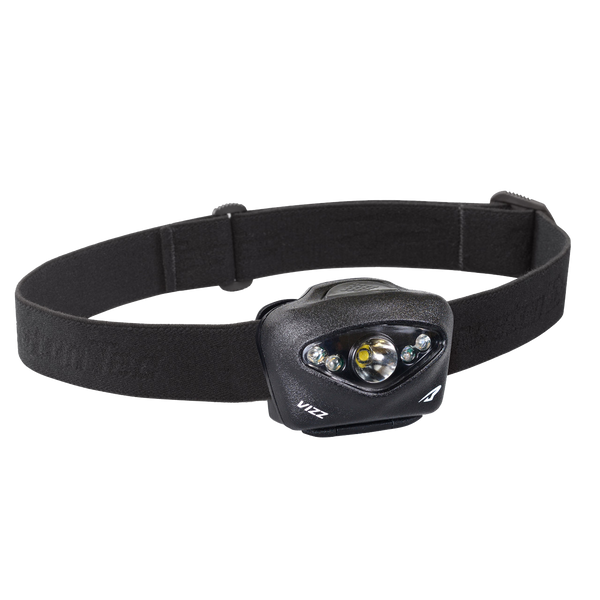
Princeton Tec Vizz 420 MPLS Headlamp
Shellback TacticalOUR PRICE: $69.99The Princeton Tec Vizz 420 MPLS Headlamp delivers versatile, hands-free lighting for demanding missions, outdoor adventures, and professional work. With a powerful 420-lumen spot, adaptable flood... -

Shellback Tactical Ballistic Helmet Side Rail Kit
Shellback TacticalOUR PRICE: $99.99Add versatile, mission-ready functionality to your helmet with the Shellback Tactical Ballistic Helmet Side Rail Kit. Designed for ACH and MICH ballistic helmets, this high-strength polymer composite... -

Shellback Tactical Ballistic Helmet NVG Retention Bungee Kit
Shellback TacticalOUR PRICE: $15.99Keep night vision goggles steadier on your helmet setup with the Shellback Tactical Ballistic Helmet NVG Retention Bungee Kit. Designed to provide added support and stabilization, these high-strength... -

Shellback Tactical Ballistic Helmet Velcro Loop Kit
Shellback TacticalOUR PRICE: $17.99Build a more adaptable helmet setup with the Shellback Tactical Ballistic Helmet Velcro Loop Kit. Designed for use on the Shellback Tactical SF Helmet, this five-piece Velcro® brand loop kit provides... -

Shellback Tactical Ballistic Helmet Ratchet Retention System
Shellback TacticalOUR PRICE: $89.99Keep your ballistic helmet secure and comfortably positioned with the Shellback Tactical Ballistic Helmet Ratchet Retention System. Designed for quick, precise adjustment, its one-hand ratchet dial... -

Wilcox L4 WLS Three Hole Shroud
Shellback TacticalOUR PRICE: $94.99Give your helmet a dependable, streamlined mounting platform with the Wilcox L4 WLS Three Hole Shroud. Designed with the proven durability of the G34/G35 three-hole shroud, this lightweight model has... -

Shellback Tactical SF High Cut Helmet Cover
Shellback TacticalOUR PRICE: $79.99 - $89.99Give your Shellback Tactical SF High Cut Ballistic Helmet a secure, mission-ready finish with the Shellback Tactical SF High Cut Helmet Cover. Purpose-built for this specific helmet, it combines a... -

Princeton Tec® Quad Tactical MPLS Headlamp
Shellback TacticalOUR PRICE: $59.99Lightweight, durable, and ready for demanding nights, the Princeton Tec® Quad Tactical MPLS Headlamp delivers dependable hands-free illumination in a versatile tactical design. Its four ultrabright... -
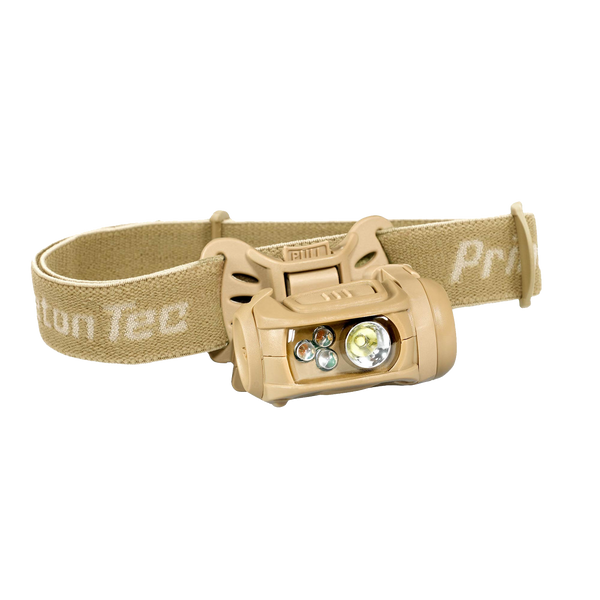
Princeton Tec Remix Pro MPLS Headlamp
Shellback TacticalOUR PRICE: $79.99Light the way with the Princeton Tec Remix Pro MPLS Headlamp, a versatile tactical headlamp built for demanding missions, fieldwork and outdoor adventures. Its powerful 300-lumen Maxbright LED spot... -
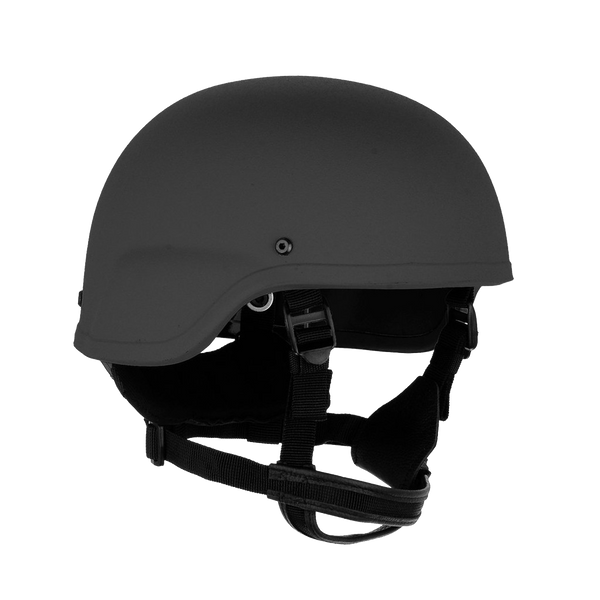
Shellback Tactical Level IIIA Ballistic Standard Cut ACH Helmet
Shellback TacticalOUR PRICE: $479.99Built for dependable head protection, the Shellback Tactical Level IIIA Ballistic Standard Cut ACH Helmet combines ballistic and fragmentation protection in a proven Advanced Combat Helmet design... -

Shellback Tactical Level IIIA Ballistic High Cut ACH Helmet
Shellback TacticalOUR PRICE: $529.99Built for demanding operations, the Shellback Tactical Level IIIA Ballistic High Cut ACH Helmet combines ballistic, fragmentation, and impact protection in a lightweight, low-profile design. Its high... -

Shellback Tactical Level IIIA Ballistic High Cut RRV ACH Helmet
Shellback TacticalOUR PRICE: $699.99Built for demanding operational environments, the Shellback Tactical Level IIIA Ballistic High Cut RRV ACH Helmet combines a lightweight profile, practical accessory integration, and handgun-round... -
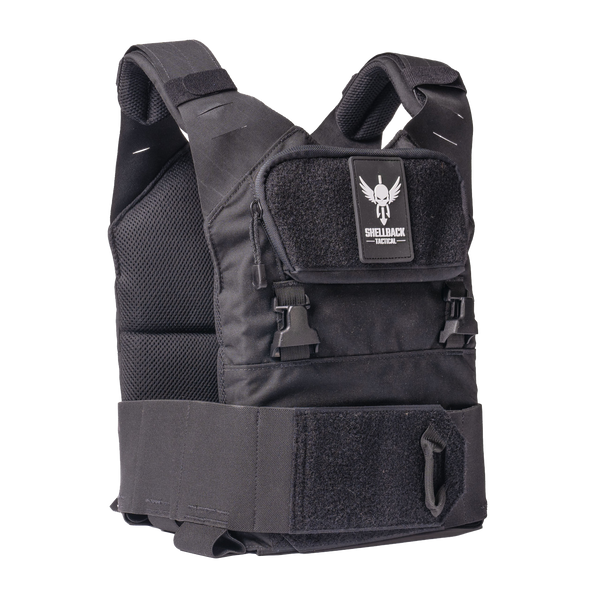
Shellback Tactical Stealth 2.0 Plate Carrier
Shellback TacticalOUR PRICE: $199.99 - $219.99Keep your protective setup discreet with the Shellback Tactical Stealth 2.0 Plate Carrier. Lightweight, minimalist, and designed for concealment under a jacket or sweatshirt, this low-profile carrier... -
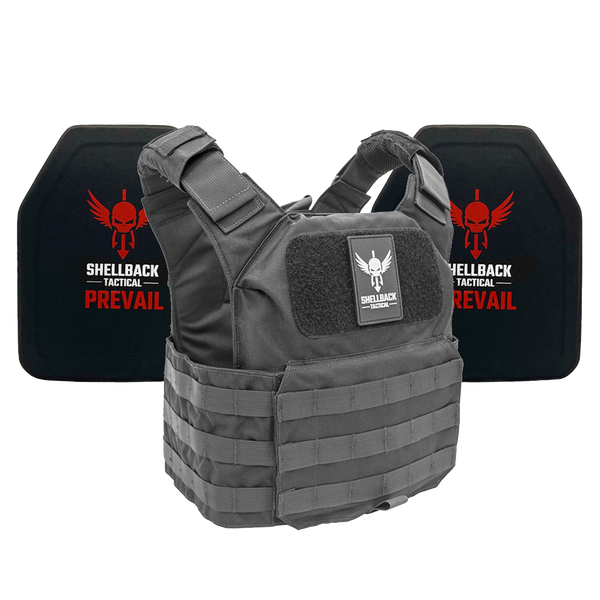
Shellback Tactical Patriot Lightweight Level IV Armor Kit with Model 4SICMH Ceramic Plates
Shellback TacticalOUR PRICE: $749.99 - $764.99The Shellback Tactical Patriot Lightweight Level IV Armor Kit combines a low-profile plate carrier with two Model 4SICMH ceramic plates for a durable, mobile armor setup. Adjustable straps and a... -

Shellback Tactical Shield 2.0 Lightweight Level IV Armor Kit with Model 4SICMH Ceramic Plates
Shellback TacticalOUR PRICE: $709.99 - $749.99Built for demanding missions, the Shellback Tactical Shield 2.0 Lightweight Level IV Armor Kit pairs a streamlined plate carrier with two Model 4SICMH ceramic plates for a ready-to-wear protective... -
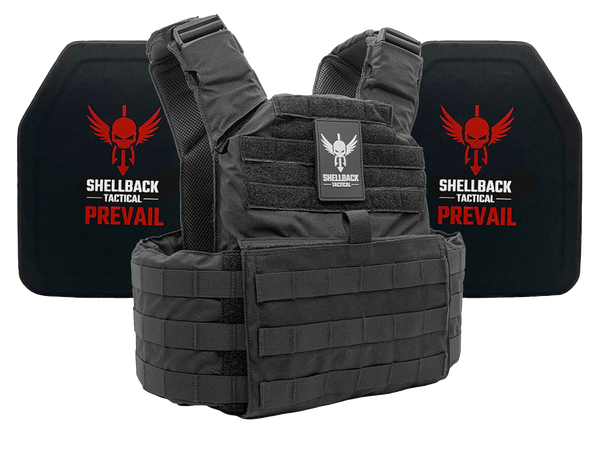
SHELLBACK TACTICAL SKIRMISH LIGHTWEIGHT LEVEL IV ARMOR KIT WITH MODEL 4SICMH CERAMIC PLATES
Shellback TacticalOUR PRICE: $704.99 - $744.99Build a mobile protective setup with the SHELLBACK TACTICAL SKIRMISH Lightweight Level IV Armor Kit. This complete kit pairs a low-profile Skirmish plate carrier with two Model 4SICMH ceramic plates,... -
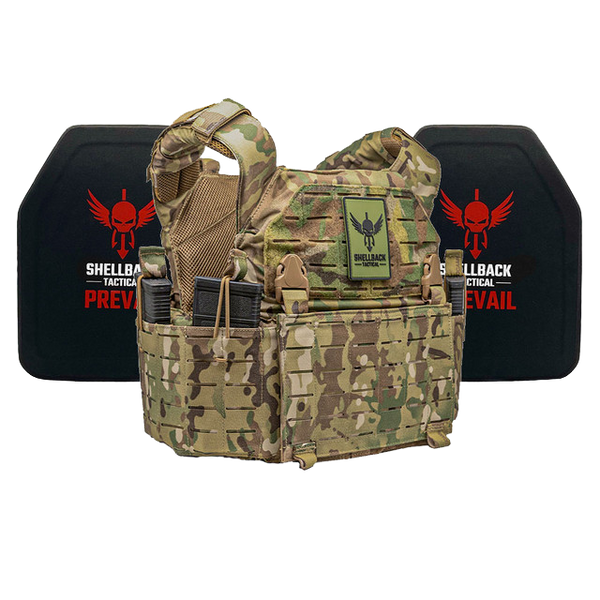
SHELLBACK TACTICAL RAMPAGE 2.0 LIGHTWEIGHT LEVEL IV ARMOR KIT WITH MODEL 4SICMH CERAMIC PLATES
Shellback TacticalOUR PRICE: $719.99 - $749.99Built for demanding missions, the SHELLBACK TACTICAL RAMPAGE 2.0 Lightweight Level IV Armor Kit pairs a durable, adjustable plate carrier with two Model 4SICMH ceramic plates. This complete armor kit... -

SHELLBACK TACTICAL DEFENDER 2.0 LIGHTWEIGHT LEVEL IV ARMOR KIT WITH MODEL 4SICMH CERAMIC PLATES
Shellback TacticalOUR PRICE: $699.99Built for serious duty, the SHELLBACK TACTICAL DEFENDER 2.0 Lightweight Level IV Armor Kit pairs a versatile plate carrier with two Model 4SICMH ceramic armor plates. This complete armor kit combines... -

SHELLBACK TACTICAL BANSHEE ELITE 3.0 LIGHTWEIGHT LEVEL IV ARMOR KIT WITH MODEL 4SICMH CERAMIC PLATES
Shellback TacticalOUR PRICE: $959.99 - $984.99Equip your loadout with the SHELLBACK TACTICAL BANSHEE ELITE 3.0 Lightweight Level IV Armor Kit, pairing a versatile plate carrier with two Model 4SICMH ceramic plates. Designed for demanding duty... -

SHELLBACK TACTICAL BANSHEE ELITE 2.0 LIGHTWEIGHT LEVEL IV ARMOR KIT WITH MODEL 4SICMH CERAMIC PLATES
Shellback TacticalOUR PRICE: $859.99 - $869.99Equip your loadout with the SHELLBACK TACTICAL BANSHEE ELITE 2.0 Lightweight Level IV Armor Kit, pairing a versatile plate carrier with two Model 4SICMH ceramic plates. Designed for demanding use,... -
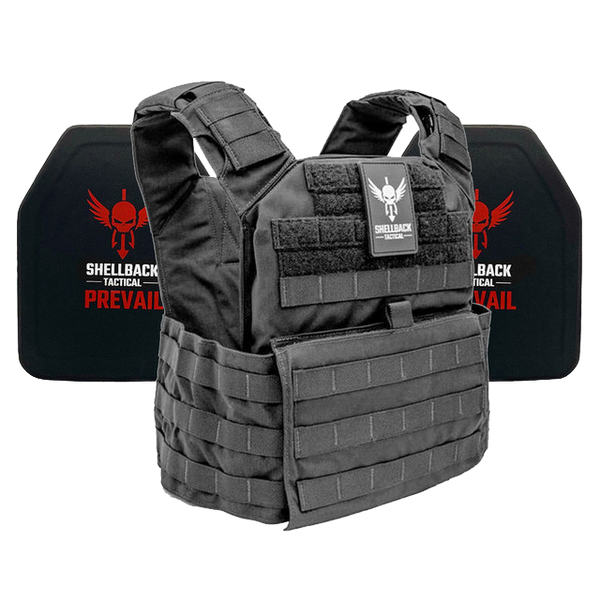
SHELLBACK TACTICAL BANSHEE RIFLE LIGHTWEIGHT LEVEL IV ARMOR KIT WITH MODEL 4SICMH CERAMIC PLATES
Shellback TacticalOUR PRICE: $799.99 - $819.99Pair dependable plate-carrier versatility with lightweight, standalone Level IV protection in the SHELLBACK TACTICAL BANSHEE Rifle Armor Kit. This complete setup includes one Banshee plate carrier... -

SHELLBACK TACTICAL STARS AND STRIPES LIGHTWEIGHT LEVEL IV ARMOR KIT WITH MODEL 4SICMH CERAMIC PLATES
Shellback TacticalOUR PRICE: $729.99Built for demanding duty, the SHELLBACK TACTICAL Stars and Stripes Lightweight Level IV Armor Kit pairs a low-profile plate carrier with two Model 4SICMH ceramic plates. This complete kit combines... -
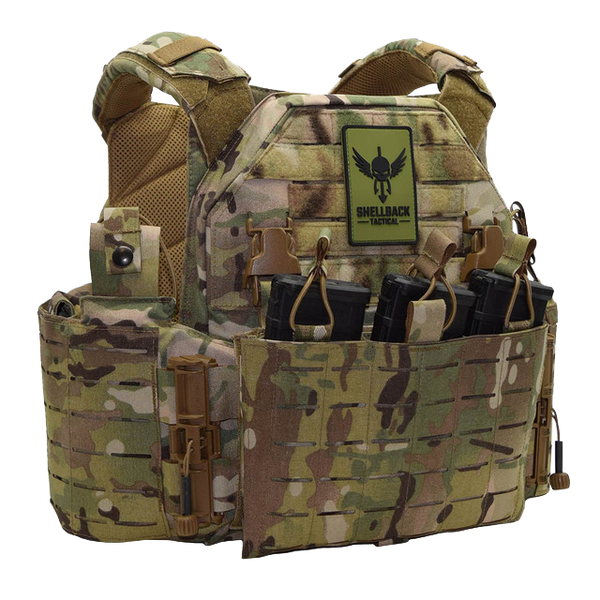
SHELLBACK TACTICAL SF 2.0 PLATE CARRIER
Shellback TacticalOUR PRICE: $379.99The Shellback Tactical SF 2.0 Plate Carrier combines a lightweight, durable design with practical storage for demanding duty, training, and tactical applications. This second-generation carrier adds... -
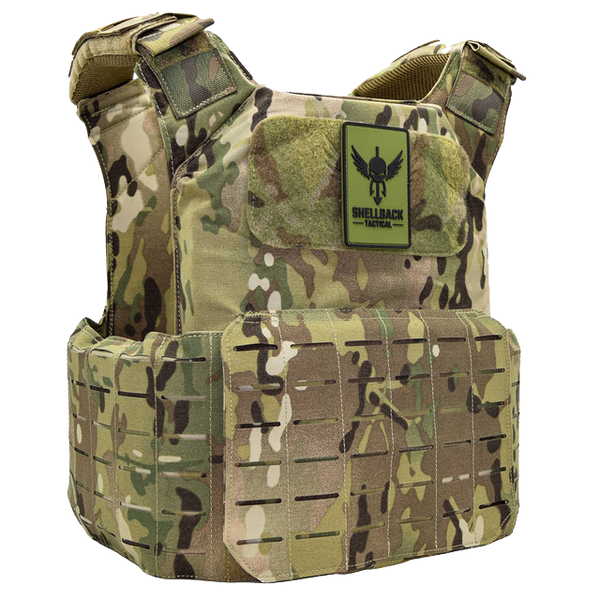
SHELLBACK TACTICAL SHIELD 2.0 PLATE CARRIER
Shellback TacticalOUR PRICE: $124.99 - $169.99Move with confidence in the SHELLBACK TACTICAL SHIELD 2.0 PLATE CARRIER, a lightweight, low-profile carrier designed for streamlined mobility and covert operations. Built for professionals who need... -
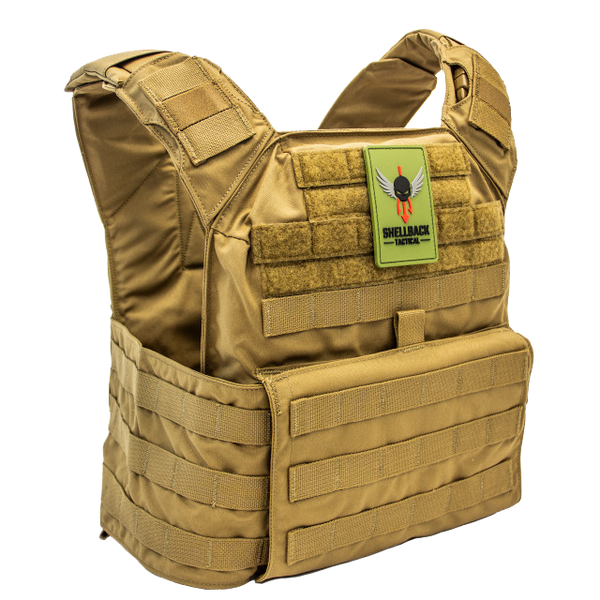
SHELLBACK TACTICAL BANSHEE RIFLE PLATE CARRIER
Shellback TacticalOUR PRICE: $229.99Built for demanding professional use, the SHELLBACK TACTICAL BANSHEE RIFLE PLATE CARRIER combines a low-profile design with lightweight comfort and versatile load-carrying capacity. Designed to meet... -
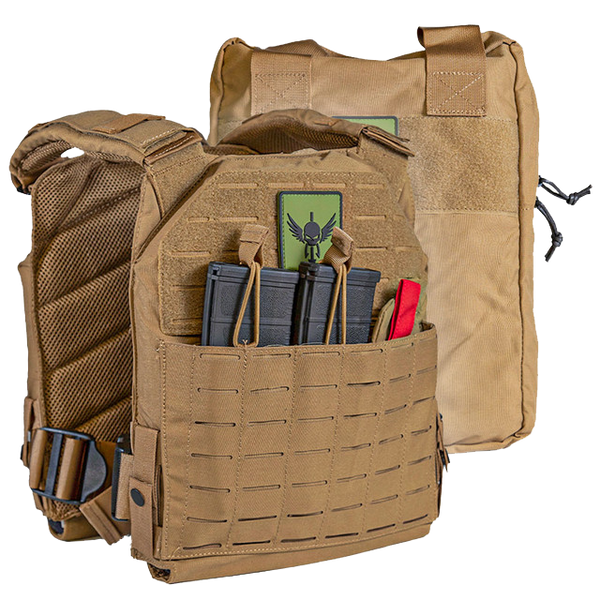
SHELLBACK TACTICAL DEFENDER 2.0 ACTIVE SHOOTER KIT
Shellback TacticalOUR PRICE: $119.99The SHELLBACK TACTICAL DEFENDER 2.0 ACTIVE SHOOTER KIT brings essential load-bearing gear together in one convenient package for emergency preparedness. Featuring a lightweight plate carrier with... -

SHELLBACK TACTICAL PATRIOT PLATE CARRIER
Shellback TacticalOUR PRICE: $169.99 - $189.99Built for demanding duty with a compact, low-profile design, the Shellback Tactical Patriot Plate Carrier delivers practical protection, mobility, and load-carrying capability. Made from durable 500D... -
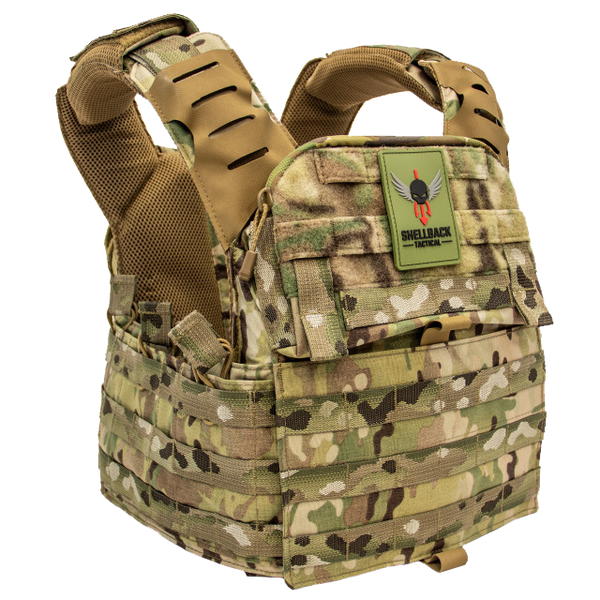
SHELLBACK TACTICAL BANSHEE ELITE 2.0 PLATE CARRIER
Shellback TacticalOUR PRICE: $299.99 - $309.99Built for demanding professional use, the SHELLBACK TACTICAL BANSHEE ELITE 2.0 PLATE CARRIER combines rugged construction, versatile storage, and breathable comfort. Trusted by military, law... -
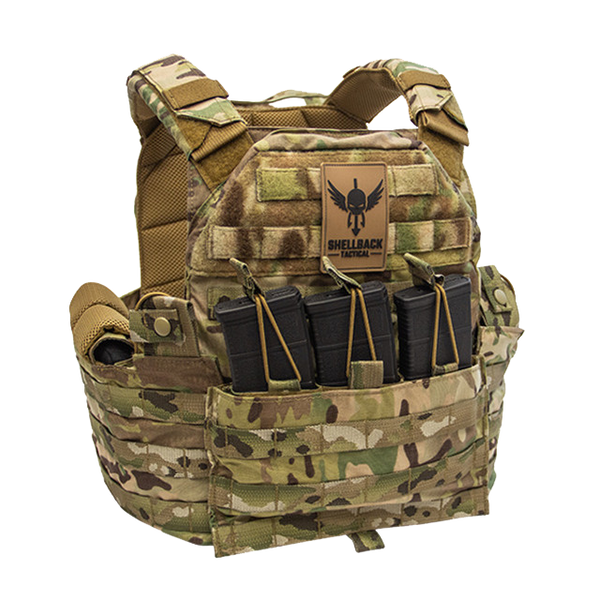
SHELLBACK TACTICAL SF PLATE CARRIER
Shellback TacticalOUR PRICE: $279.99 - $299.99Built for demanding missions and range days, the Shellback Tactical SF Plate Carrier combines low-profile versatility with dependable comfort. This modular plate carrier is designed to support your... -

SHELLBACK TACTICAL BANSHEE ELITE 3.0 PLATE CARRIER
Shellback TacticalOUR PRICE: $409.99The Shellback Tactical Banshee Elite 3.0 Plate Carrier builds on the trusted Banshee Elite design with practical upgrades for demanding field use. A lightweight laser-cut MOLLE platform,... -
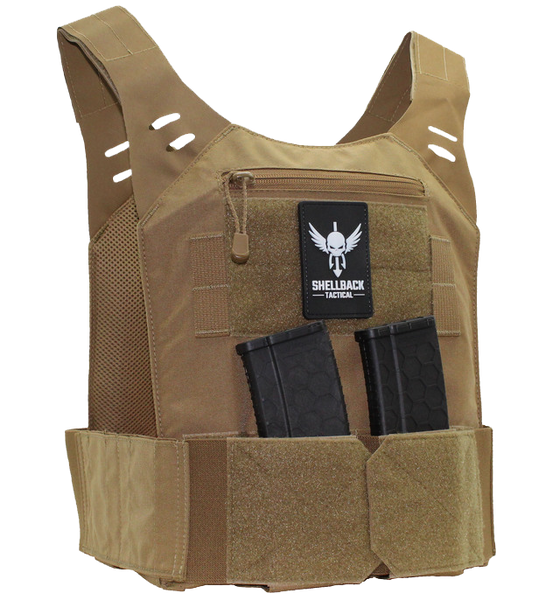
SHELLBACK TACTICAL STEALTH LOW VIS CONCEALABLE PLATE CARRIER
Shellback TacticalOUR PRICE: $169.99Stay prepared without adding bulk with the SHELLBACK TACTICAL STEALTH Low Vis Concealable Plate Carrier. Designed for discreet wear beneath a jacket, this lightweight, low-profile armor carrier suits... -
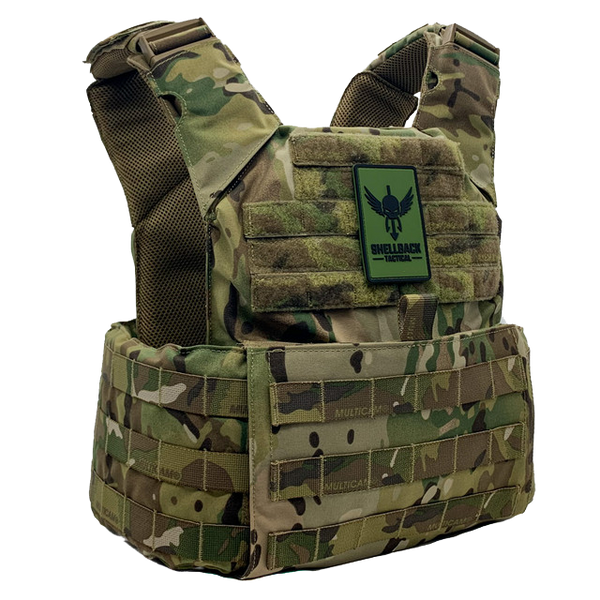
SHELLBACK TACTICAL SKIRMISH PLATE CARRIER
Shellback TacticalOUR PRICE: $119.99 - $164.99The Shellback Tactical Skirmish Plate Carrier delivers a lightweight, low-profile platform for carrying compatible ballistic plates and mission-ready gear. Designed for mobility and lasting comfort,... -

SHELLBACK TACTICAL SHIELD 2.0 ACTIVE SHOOTER KIT WITH LEVEL IV 1155 PLATES
Shellback TacticalOUR PRICE: $424.99 - $464.99The Shellback Tactical Shield 2.0 Active Shooter Kit pairs a low-profile, customizable plate carrier with two Shellback Tactical Prevail Series Model 1155 Level IV armor plates. Built for mobility... -

SHELLBACK TACTICAL BANSHEE RIFLE LEVEL III ARMOR KIT WITH AR1000 STEEL PLATES
Shellback TacticalOUR PRICE: $474.99 - $494.99Build a ready-to-wear armor setup with the SHELLBACK TACTICAL BANSHEE Rifle Level III Armor Kit. This complete package pairs the versatile Banshee plate carrier with two USA-made AR1000 steel plates,... -

SHELLBACK TACTICAL BANSHEE ELITE 2.0 LEVEL III ARMOR KIT WITH AR1000 STEEL PLATES
Shellback TacticalOUR PRICE: $534.99 - $544.99Built for demanding duty, the SHELLBACK TACTICAL BANSHEE ELITE 2.0 Level III Armor Kit pairs a versatile plate carrier with two USA-made AR1000 steel plates. Designed for configurable loadouts and... -
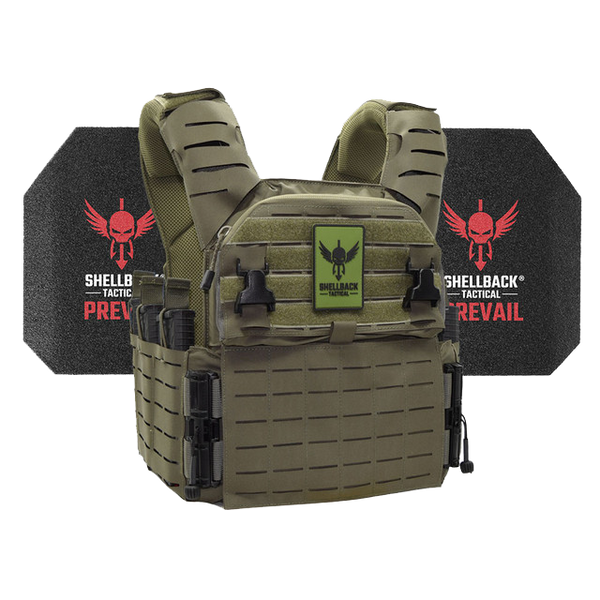
SHELLBACK TACTICAL BANSHEE ELITE 3.0 LEVEL III ARMOR KIT WITH AR1000 STEEL PLATES
Shellback TacticalOUR PRICE: $634.99 - $849.99Build a mission-ready setup with the SHELLBACK TACTICAL BANSHEE ELITE 3.0 Level III Armor Kit, pairing a durable, USA-made plate carrier with two AR1000 steel armor plates. Designed for adaptable... -
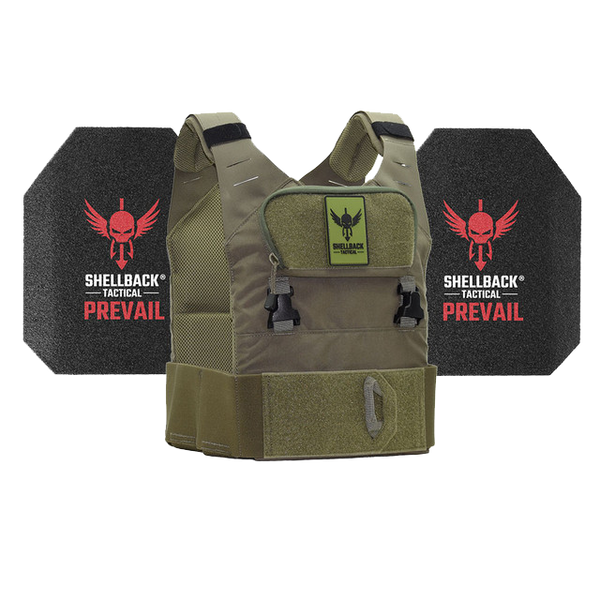
SHELLBACK TACTICAL STEALTH 2.0 LEVEL III ARMOR KIT WITH AR1000 STEEL PLATES
Shellback TacticalOUR PRICE: $449.99 - $469.99The SHELLBACK TACTICAL STEALTH 2.0 Level III Armor Kit pairs a discreet, lightweight plate carrier with two USA-made AR1000 steel plates. Designed for low-profile wear beneath a jacket or sweatshirt,... -
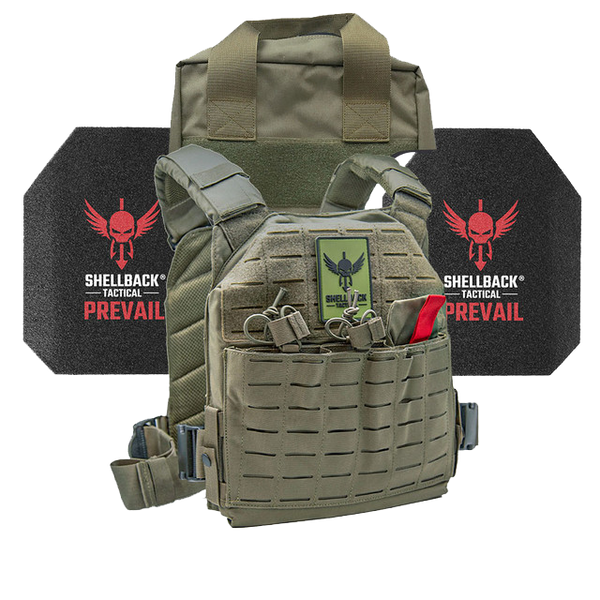
SHELLBACK TACTICAL DEFENDER 2.0 LEVEL III ARMOR KIT WITH AR1000 STEEL PLATES
Shellback TacticalOUR PRICE: $379.99Build a dependable protective setup with the SHELLBACK TACTICAL DEFENDER 2.0 LEVEL III ARMOR KIT WITH AR1000 STEEL PLATES. This complete kit pairs the adjustable Defender 2.0 plate carrier with two...
