
Raven Rock Armory
Rifle Slings, Tactical Slings & Sling Accessories
Shop rifle slings, tactical slings, hunting slings, two-point slings, single-point slings, padded slings, sling swivels, QD hardware, mounts, adapters, and related sling accessories at Raven Rock Armory. Compare sling configuration, attachment type, adjustability, width, padding, materials, hardware, mounting points, and firearm compatibility.
Learn more about rifle slings, sling mounts & attachment systems
Firearm slings provide a way to carry, support, and retain a rifle, shotgun, or other compatible long gun. Sling designs vary by attachment method, number of connection points, adjustment system, material, width, padding, hardware, and intended application.
Two-Point Slings
Two-point slings attach to the firearm at two locations, commonly toward the front and rear of the rifle or shotgun. They are widely used for hunting, range, field, training, and tactical applications and may include rapid-adjustment hardware for changing sling length while worn.
Single-Point Slings
Single-point slings attach to one mounting point on the firearm, commonly near the rear of the receiver. Their design can allow substantial movement of the firearm, but carry position and control characteristics differ from two-point systems.
Three-Point Slings
Three-point sling systems use additional webbing between the attachment points to create a more complex carry arrangement. Although less common than one- and two-point designs, they remain available for certain firearms and applications.
Choosing a Rifle Sling
- Attachment Points: Confirm which sling mounts are available on the firearm.
- Sling Type: Compare single-point, two-point, three-point, hunting, and specialty sling configurations.
- Adjustment: Consider whether quick-adjustment hardware is needed for changing sling length while the firearm is being carried.
- Width & Padding: Wider or padded sections may distribute firearm weight over a larger area.
- Hardware: Verify compatibility with QD swivels, traditional swivel studs, hooks, loops, clips, or other mounting systems.
Quick-Adjust Slings
Quick-adjust slings use sliders, pull tabs, buckles, or similar hardware to allow rapid changes in sling length. This can provide a tighter carry position when moving and additional freedom when handling or shouldering the firearm.
Padded Slings
Padded slings incorporate additional material in the shoulder area to help distribute the weight of heavier rifles, shotguns, optics, suppressors, bipods, or other accessories. Padding thickness, length, and construction vary by model.
Unpadded Slings
Unpadded slings generally use continuous webbing or straps and can provide a lower-profile and lighter-weight option. Webbing width, stiffness, edge construction, and adjustment hardware can affect comfort and handling.
Hunting Slings
Hunting slings are commonly designed for carrying rifles or shotguns over the shoulder during extended periods in the field. Designs may use padded sections, non-slip backing, traditional swivel attachments, leather, nylon, neoprene, or other materials.
Tactical Slings
Tactical slings commonly emphasize adjustability, secure firearm retention, modular attachment hardware, and compatibility with modern rifles and tactical shotguns. Designs can vary substantially depending on manufacturer and intended use.
QD Sling Swivels
Quick-detach, or QD, swivels are removable sling attachment components designed to interface with compatible QD sockets. QD swivels vary by size, materials, rotation characteristics, load rating, and manufacturer.
QD Sling Sockets
QD sockets may be integrated into stocks, handguards, receiver end plates, rail-mounted adapters, chassis systems, or other firearm components. Verify the socket and swivel dimensions before pairing components.
Push-Button QD Hardware
Push-button QD swivels use a button-actuated locking mechanism that allows the sling to be attached or removed from a compatible socket. Always confirm that the swivel is fully engaged before relying on the attachment.
Traditional Sling Swivels
Traditional sling swivels commonly attach to swivel studs found on hunting rifles, shotguns, and some sporting firearms. Swivel width, stud size, locking mechanism, and sling width should be checked for compatibility.
Sling Swivel Studs
Sling swivel studs can be mounted to certain stocks, forends, or other firearm components. Some studs also provide attachment points for compatible bipods. Installation method and firearm construction should be considered before adding or replacing a stud.
HK-Style Hooks & Snap Hooks
Some slings use metal or polymer hooks that clip onto compatible loops or mounting points. Hook dimensions, opening size, material, and firearm mounting surface can affect compatibility.
Paraclip & Clip-Style Attachments
Clip-style sling attachments provide removable connections to compatible loops or sling plates. Some include locking mechanisms intended to help prevent unintended opening.
Loop Attachments
Certain slings use webbing loops that pass through or around a stock, handguard, sling slot, or other compatible mounting point. Loop dimensions and firearm geometry determine whether the system can be installed properly.
Rail-Mounted Sling Adapters
Sling mounts can be designed for Picatinny, M-LOK, KeyMod, or other mounting interfaces. Rail-specific hardware should be matched to the actual handguard or mounting surface on the firearm.
M-LOK Sling Mounts
M-LOK sling mounts attach to compatible M-LOK slots and may provide QD sockets, loops, hooks, or other attachment interfaces. Verify mounting hardware and clearance before installation.
Picatinny Sling Mounts
Picatinny sling adapters clamp or secure to compatible rail sections and can provide QD sockets, fixed loops, or hook-style attachment points. Rail space and nearby accessories may affect mounting location.
Receiver End Plate Sling Mounts
Some AR-style firearms use receiver end plates with integrated QD sockets, loops, or other sling attachment points. Replacement can involve firearm disassembly, so installation should follow the firearm and component manufacturer's instructions.
Stock-Mounted Sling Points
Rifle and shotgun stocks may include integral sling slots, QD sockets, swivel studs, or other attachment interfaces. Placement can affect how the firearm hangs and transitions between carry positions.
Front Sling Mount Placement
Front sling mounts can be positioned near the receiver or farther forward on the handguard or forend. Mount location can influence stability, adjustment range, firearm movement, and interaction with lights, grips, bipods, or other accessories.
Rear Sling Mount Placement
Rear attachment points may be located on the stock, receiver, receiver extension, end plate, or chassis. Different attachment positions can change how the firearm hangs against the body.
Sling Width
Sling webbing is available in different widths. Wider webbing can distribute weight over a larger area, while narrower slings may offer a lower-profile configuration. Hardware must also be sized appropriately for the sling width.
Sling Materials
Firearm slings may use nylon webbing, polyester, leather, neoprene, elastic materials, rubberized sections, metal hardware, polymer hardware, or combinations of materials. Construction influences weight, flexibility, durability, and comfort.
Elastic & Bungee Slings
Some slings incorporate elastic or bungee sections that allow controlled stretch. Stretch characteristics vary and can affect firearm movement, retention, and comfort.
Convertible Slings
Convertible sling systems may be capable of switching between single-point and two-point configurations using compatible attachment hardware. Verify that all components are designed to work together before changing configurations.
Shotgun Slings
Shotgun slings may attach to swivel studs, magazine-cap mounts, stock adapters, QD sockets, or tactical mounting hardware. Some designs may also include loops or carriers for compatible shotgun shells.
Precision Rifle Slings
Precision-oriented slings may include additional adjustment features intended to provide supported shooting positions as well as firearm carry. Configuration and use differ between models.
Sling Compatibility With Plate Carriers
Slings worn with plate carriers, chest rigs, backpacks, or other load-bearing equipment can interact with shoulder straps, buckles, pouches, hydration tubes, and communication cables. Low-profile hardware and thoughtful mount placement can help reduce interference.
Sling Compatibility With Backpacks
Backpack shoulder straps can overlap with padded sling sections or adjustment hardware. Consider how the sling will be worn together with packs or other equipment.
Inspecting a Firearm Sling
Periodically inspect sling webbing, stitching, swivels, hooks, buckles, QD buttons, mounting screws, rail adapters, loops, and other hardware for wear, looseness, deformation, corrosion, or damage.
Check Attachment Points
Sling performance depends on both the sling and its mounting points. Verify that sockets, studs, rails, adapters, screws, and other attachment components remain properly secured and serviceable.
Always Verify Manufacturer Specifications
Sling length, width, materials, adjustment systems, mounting hardware, firearm compatibility, attachment methods, and care requirements vary by manufacturer and model. Always review the current manufacturer's specifications for the exact sling and mounting components being considered.
Filter By
Products List
-

Blue Force Gear GMT Sling MultiCam
Blue Force GearOUR PRICE: $55.99BFG GMT-100-OA-MC GMT SLING MULTICAM Blue Force Gear GMT Sling is a firearm sling in a MultiCam pattern, designed for users seeking a practical sling configuration for compatible firearms and... -
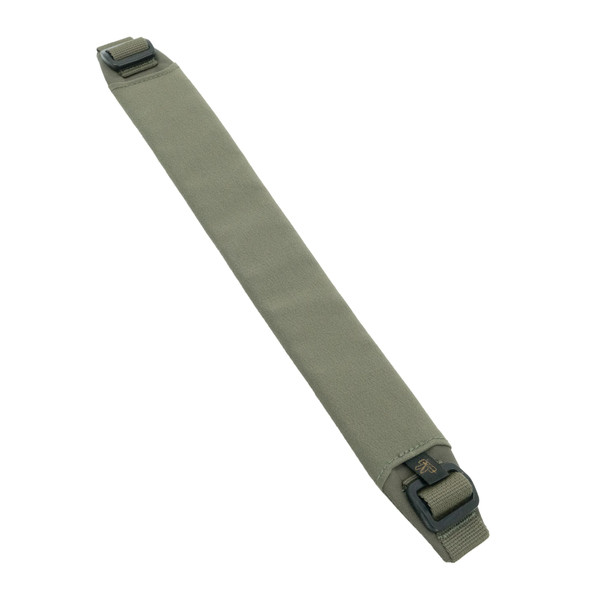
Haley Strategic Partners D3 Sling Pad Ranger Green Accessory
Haley Strategic PartnersOUR PRICE: $30.99Haley Strategic Partners D3 Sling Pad, 1.13oz, 15x2x.625, MIL-SPEC Nylon Webbing Construction, Compatible with D3 Slim Sling, Ranger Green SLG_PAD_D3-1-1-RG The Haley Strategic Partners D3 Sling Pad... -
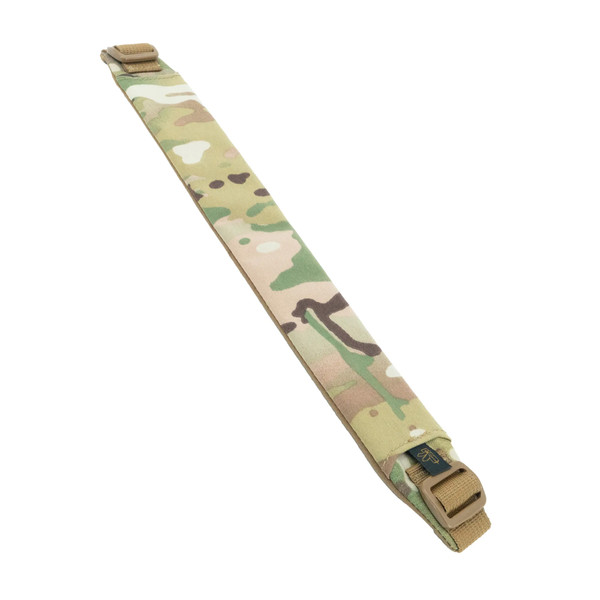
Haley Strategic Partners D3 Sling Pad MultiCam Accessory
Haley Strategic PartnersOUR PRICE: $30.99Haley Strategic Partners D3 Sling Pad, 1.13oz, 15x2x.625, MIL-SPEC Nylon Webbing Construction, Compatible with D3 Slim Sling, MultiCam SLG_PAD_D3-1-1-MC The Haley Strategic Partners D3 Sling Pad is... -

Haley Strategic Partners D3 Sling Pad Coyote Accessory
Haley Strategic PartnersOUR PRICE: $30.99Haley Strategic Partners D3 Sling Pad, 1.13oz, 15x2x.625, MIL-SPEC Nylon Webbing Construction, Compatible with D3 Slim Sling, Coyote SLG_PAD_D3-1-1-COY The Haley Strategic Partners D3 Sling Pad is... -

Haley Strategic Partners D3 Pad Sling Pad with Anti-Microbial Foam and 4-Way Stretch Nylon Face
Haley Strategic PartnersOUR PRICE: $30.99Haley Strategic Partners D3 Sling Pad, 1.13oz, 15x2x.625, MIL-SPEC Nylon Webbing Construction, Compatible with D3 Slim Sling, Black SLG_PAD_D3-1-1-BLK The Haley Strategic Partners D3 Pad is a... -

Haley Strategic Partners D3 Slim Sling Ranger Green
Haley Strategic PartnersOUR PRICE: $45.99Haley Strategic Partners D3 Slim Sling, Two Point, 2.9oz, 70x1.375x.5, MIL-SPEC Nylon Webbing Construction, Ranger Green SLG_D3_SLM-1-1-RG The D3 Slim Sling by Haley Strategic Partners is a highly... -
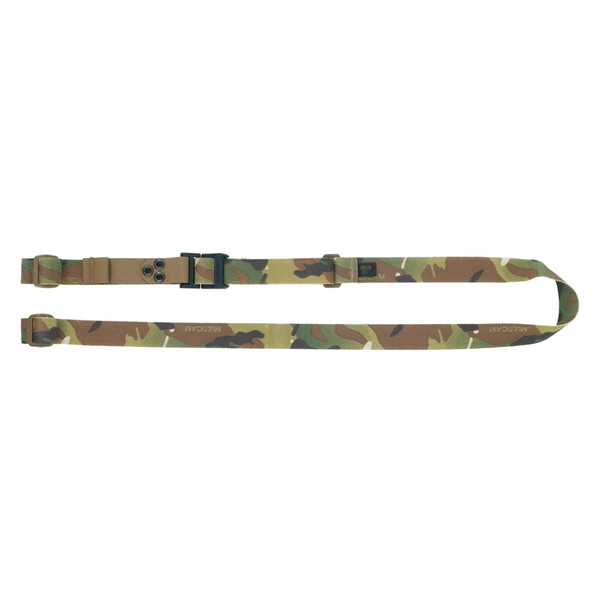
Haley Strategic Partners D3 Slim Sling MultiCam
Haley Strategic PartnersOUR PRICE: $55.99Haley Strategic Partners D3 Slim Sling, Two Point, 2.9oz, 70x1.375x.5, MIL-SPEC Nylon Webbing Construction, MultiCam The D3 Slim Sling by Haley Strategic Partners is a versatile, mission-capable... -

Haley Strategic Partners D3 Slim Sling Coyote
Haley Strategic PartnersOUR PRICE: $45.99Haley Strategic Partners D3 Slim Sling, Two Point, 2.9oz, 70x1.375x.5, MIL-SPEC Nylon Webbing Construction, Coyote The D3 Slim Sling is a highly adaptable weapon sling designed for tactical and... -
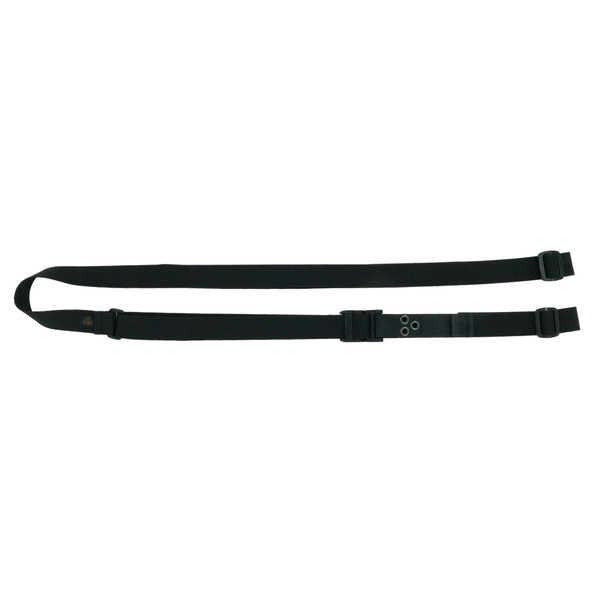
Haley Strategic Partners D3 Slim Sling Black
Haley Strategic PartnersOUR PRICE: $45.99Haley Strategic Partners D3 Slim Sling, Two Point, 2.9oz, 70x1.375x.5, MIL-SPEC Nylon Webbing Construction, Black The D3 Slim Sling is a highly adaptable weapon sling designed for versatile mission... -
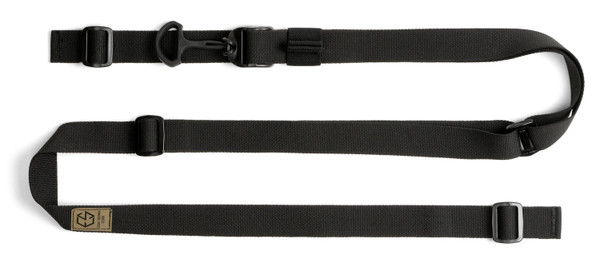
Edgar Sherman Design ESD-SL-BLK Sling Black
EDGAR SHERMAN DESIGNOUR PRICE: $49.99ESD ESD-SL-BLK SLING BLACK This sling is designed for secure and comfortable firearm carrying, providing adjustable support for rifles and shotguns. It is suitable for tactical, hunting, or... -
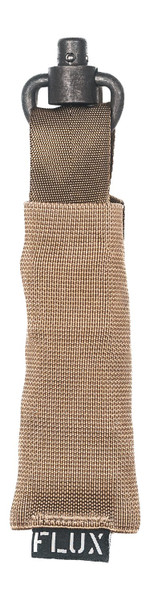
Flux Defense Ripcord Sling QD Coyote
FLUX DEFENSEOUR PRICE: $47.99FLUX 165-00025 RIPCORD SLING QD - COYOTE The Flux Defense Ripcord Sling QD in Coyote offers a versatile and quick-detach solution for firearm carry and handling. Its design allows for fast and secure... -

Flux Defense Ripcord Sling QD Grey
FLUX DEFENSEOUR PRICE: $47.99FLUX 165-00026 RIPCORD SLING QD - GREY The Flux Defense Ripcord Sling QD in grey offers a versatile and quick-detach sling solution designed for reliable firearm carry and quick removal when needed... -
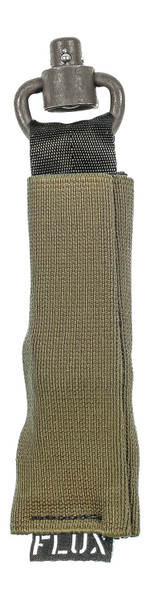
Flux Defense Ripcord Sling QD Ranger Green
FLUX DEFENSEOUR PRICE: $47.99FLUX 165-00034 RIPCORD SLING QD - RANGER GREEN The Flux Defense Ripcord Sling QD in Ranger Green offers a versatile and durable solution for firearm carry and quick adjustments during tactical or... -
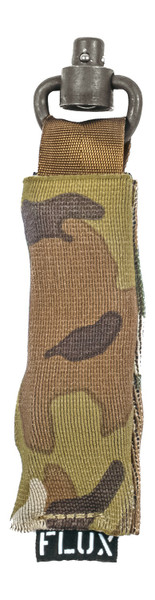
Flux Defense Ripcord Sling QD Multicam
FLUX DEFENSEOUR PRICE: $47.99FLUX 165-00033 RIPCORD SLING QD - MULTICAM The Flux Defense Ripcord Sling QD in Multicam is a versatile, quick-detach sling designed to enhance firearm carry and maneuverability. Its adjustable... -

Flux Defense Ripcord Sling HK Style Black
FLUX DEFENSEOUR PRICE: $47.99FLUX 162-00104 RIPCORD SLING HK STYLE - BLACK The Flux Defense Ripcord Sling HK Style Black is a versatile and durable firearm sling designed for tactical and range use. Its ergonomic design ensures... -

Flux Defense Ripcord Sling HK Style Coyote
FLUX DEFENSEOUR PRICE: $47.99FLUX 162-00105 RIPCORD SLING HK STYLE - COYOTE Enhance your firearm setup with the Flux Defense Ripcord Sling HK Style in Coyote. Designed for reliable performance and quick adjustments, this sling... -
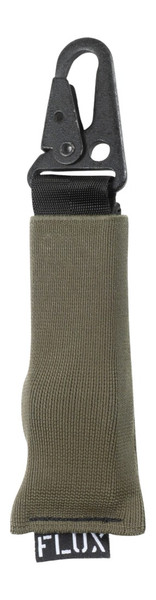
Flux Defense Ripcord Sling HK Style Ranger Green
FLUX DEFENSEOUR PRICE: $47.99FLUX 162-00106 RIPCORD SLING HK STYLE - RANGER GRN The Flux Defense Ripcord Sling HK Style in Ranger Green offers a reliable and comfortable carrying solution for tactical and range use. Designed for... -
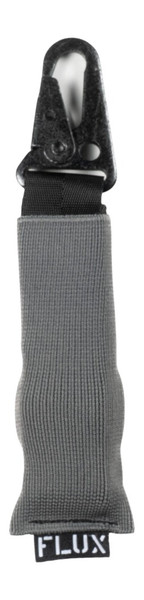
Flux Defense Ripcord Sling HK Style Gray
FLUX DEFENSEOUR PRICE: $47.99FLUX 162-00107 RIPCORD SLING HK STYLE - GRAY The Flux Defense Ripcord Sling HK Style Gray is designed for quick and reliable firearm handling. Its ergonomic design provides a secure and comfortable... -

Edgar Sherman Design ESD Notch Ranger Green/Black Slings - ESD-NOTCH-RBG
EDGAR SHERMAN DESIGNOUR PRICE: $75.99ESD ESD-NOTCH-RBG NOTCH-RANGER GRN/BLK The Edgar Sherman Design ESD Notch Ranger Green and Black sling is a versatile and durable accessory designed for firearm users seeking reliable equipment... -
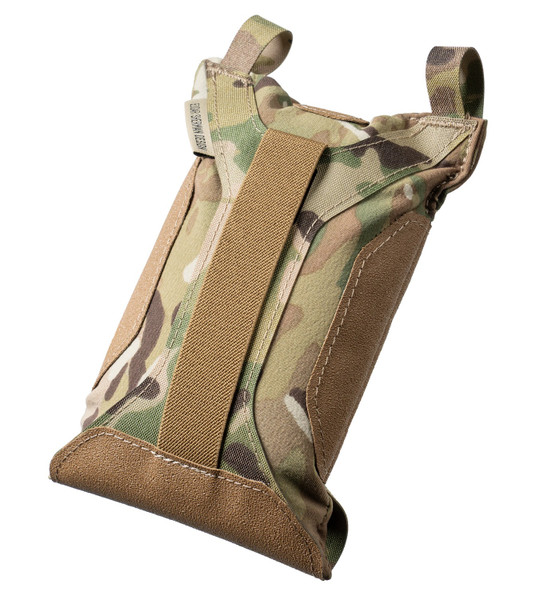
Edgar Sherman Design ESD-NOTCH-MC Notch Multicam Slings
EDGAR SHERMAN DESIGNOUR PRICE: $82.99ESD ESD-NOTCH-MC NOTCH-MULTICAM The Edgar Sherman Design ESD-NOTCH-MC is a versatile sling designed for reliable firearm carry and quick adjustments. Crafted with durability and comfort in mind,... -
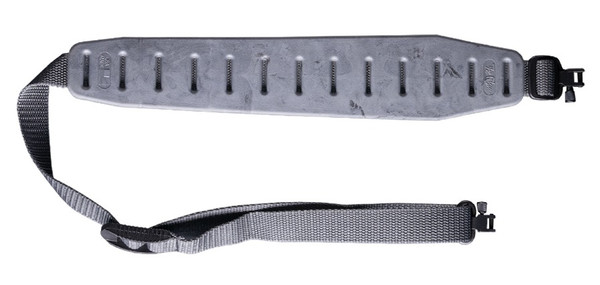
CVA Claw 2.0 Sling with Stone Camo Finish
CVAOUR PRICE: $21.99CVA 50039-1 CLAW 2.0 SLING STONE CAMO CVA Claw 2.0 Sling with Stone Camo The CVA Claw 2.0 Sling is designed for secure and comfortable firearm carrying, featuring a durable construction... -
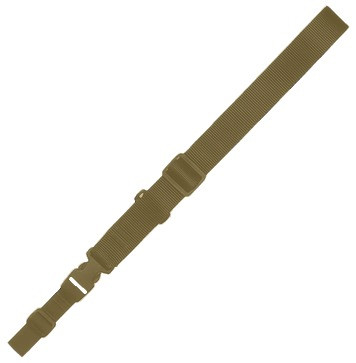
TACSHIELD T6004CY CQB Sight Point ERB Loop End in Coyote
TACSHIELD (MILITARY PROD)OUR PRICE: $22.99TACSHIELD T6004CY CQB SNG POINT ERB LOOP END COY TACSHIELD T6004CY CQB Sight with Point ERB Loop End in Coyote The TACSHIELD T6004CY CQB sight features a durable design suited for close-quarters... -
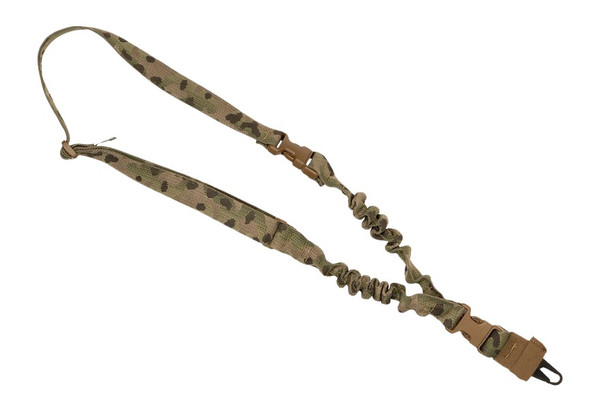
TACSHIELD Shock Sling with Single Point & Dual QD Mounts in Black
TACSHIELD (MILITARY PROD)OUR PRICE: $59.99TACSHIELD T6011BK SHOCK SLING SNG POINT DBL QD MC TACSHIELD T6011BK Shock Sling with Single Point and Dual QD Mounts The TACSHIELD T6011BK shock sling is designed for reliable weapon handling and... -
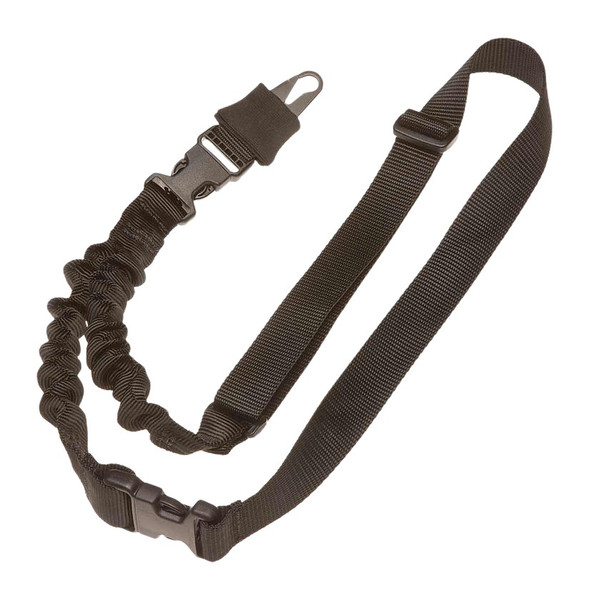
TACSHIELD Shock Sling Single Point Double QD Black T6011CY
TACSHIELD (MILITARY PROD)OUR PRICE: $59.99TACSHIELD T6011CY SHOCK SLING SNG POINT DBL QD BLK TACSHIELD Shock Sling Single Point Double QD in Black The TACSHIELD T6011CY Shock Sling is a high-quality firearm sling designed for tactical and... -

Edgar Sherman Design ESD-SL-PAD-BLK Padded Sling in Black
EDGAR SHERMAN DESIGNOUR PRICE: $85.00ESD ESD-SL-PAD-BLK PADDED SLING BLK Edgar Sherman Design ESD-SL-PAD-BLK Padded Sling in Black The Edgar Sherman Design ESD-SL-PAD-BLK is a durable, padded tactical sling designed for versatile... -

EDGAR SHERMAN DESIGN Padded Sling M81 Woodland ESD ESD-SL-PAD-M81
EDGAR SHERMAN DESIGNOUR PRICE: $90.00ESD ESD-SL-PAD-M81 PADDED SLING M81 WOODLAND EDGAR SHERMAN DESIGN Padded Sling M81 Woodland The EDGAR SHERMAN DESIGN ESD ESD-SL-PAD-M81 is a padded tactical sling designed for comfortable and... -
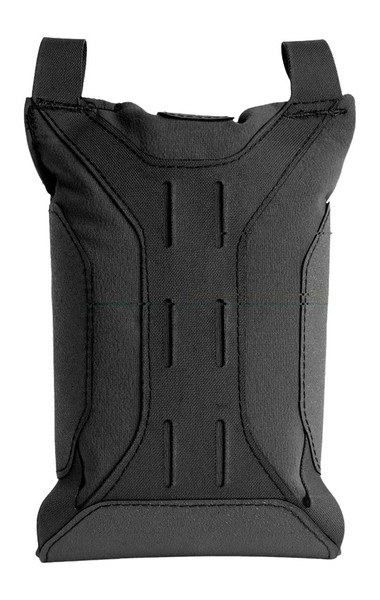
Edgar Sherman Design Notch Black ESD-NOTCH-BLK
EDGAR SHERMAN DESIGNOUR PRICE: $75.99ESD ESD-NOTCH-BLK NOTCH-BLACK This Edgar Sherman Design Notch in black is a versatile accessory designed for firearm enthusiasts seeking enhanced grip and control. Its ergonomic design provides... -
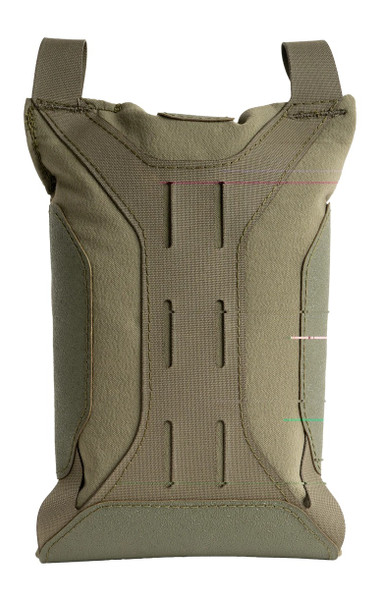
Edgar Sherman Design Notch Ranger Green
EDGAR SHERMAN DESIGNOUR PRICE: $75.99ESD ESD-NOTCH-RG NOTCH-RANGER GRN The Edgar Sherman Design Notch Ranger in green is a versatile accessory designed for firearm customization and enhancement. Its primary purpose is to improve... -
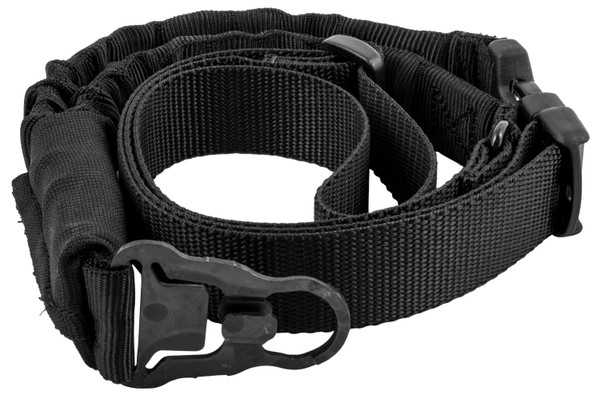
Blackhawk Storm Sling S-Type Ambidextrous Single-Point Sling for AR-15 Rifles
BlackhawkOUR PRICE: $29.99Blackhawk 70GS20BK Storm S Type Rifle Sling Black Nylon 1.25" Wide Single-Point Design The Blackhawk Storm Sling S-Type is a high-quality, ambidextrous single-point sling designed for quick and... -
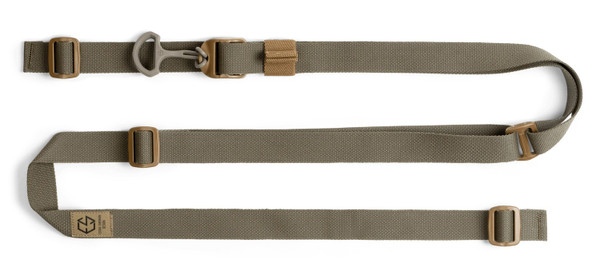
Edgar Sherman Design Sling Ranger Green
EDGAR SHERMAN DESIGNOUR PRICE: $49.99ESD ESD-SL-RG SLING RANGER GRN The Edgar Sherman Design Sling Ranger in green is a versatile and durable sling designed for reliable firearm carry and quick access. Its adjustable length and... -

Edgar Sherman Design ESD SL-M81 Woodland Sling
EDGAR SHERMAN DESIGNOUR PRICE: $56.99ESD ESD-SL-M81 SLING M81 WOODLAND The Edgar Sherman Design ESD SL-M81 Woodland Sling is designed for reliable firearm carry and quick adjustments during outdoor activities, training, or home... -

Boyt Harness Pad Support Sling with Talon Swivel for COY
Boyt HarnessOUR PRICE: $23.99OUT AD90402 PAD SUP SLING W/TALON SWIVEL COY The Boyt Harness Pad Support Sling with Talon Swivel for COY is a durable, comfortable firearm sling designed for reliable use during training,... -

TACSHIELD Warrior Sling with Quick-Detach Push-Button Swivels, Black
TACSHIELD (MILITARY PROD)OUR PRICE: $80.99Tacshield T6031BK Warrior 2-in-1 Sling Black Webbing Two-Point Rifle/Shotgun The TACSHIELD Warrior Sling is a versatile firearm accessory designed to enhance your carrying comfort and adaptability... -
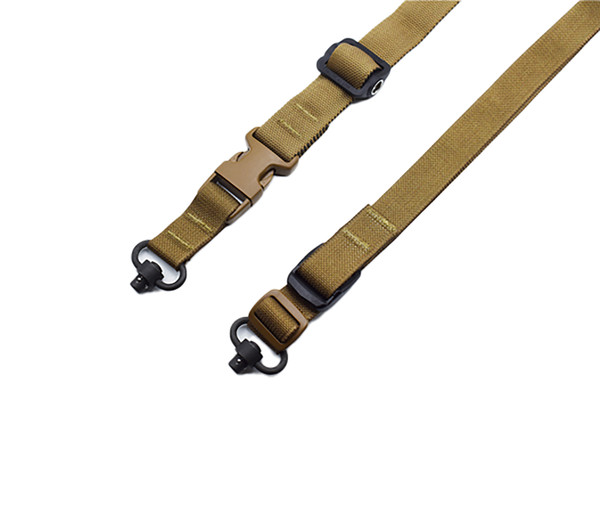
TACSHIELD Warrior Sling Coyote Tan
TACSHIELD (MILITARY PROD)OUR PRICE: $80.99Tacshield T6031CY Warrior 2-in-1 Sling Coyote Tan Webbing Two-Point Rifle/Shotgun The TACSHIELD Warrior Sling is a versatile firearm accessory designed to provide customizable support and quick... -
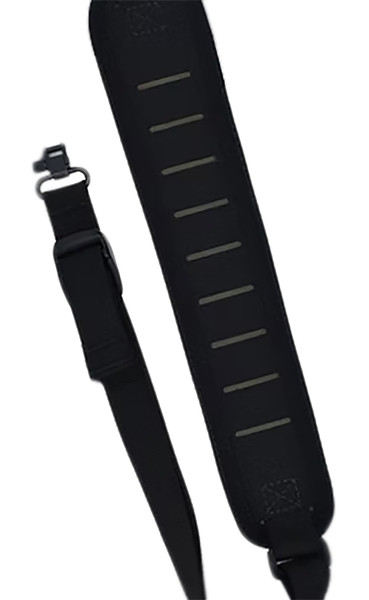
TACSHIELD Precision Sling with Tac-Grip for Rifles - Black
TACSHIELD (MILITARY PROD)OUR PRICE: $39.99Tacshield T6125BK Precision Rifle Sling Black Cordura Rifle The TACSHIELD T6125BK Precision Sling is designed specifically for use with precision rifles, offering a reliable and comfortable way to... -

Luth-AR GT-SL GrovTec Sling
Luth-AROUR PRICE: $15.97LUTH-AR GT-SL GROVTEC SLING The Luth-AR GT-SL GrovTec Sling offers reliable and adjustable firearm support for tactical and hunting applications. Designed for durability and comfort, this sling... -

Q LLC Sling Devil FDE Sling with Flat Dark Earth Finish
Q LLCOUR PRICE: $73.99Q ACC-GSLING-FDE SLING DEVIL FDE The Q LLC Sling Devil FDE is a durable and versatile sling designed for reliable firearm carry. Constructed with high-quality materials, it features a Flat Dark Earth... -
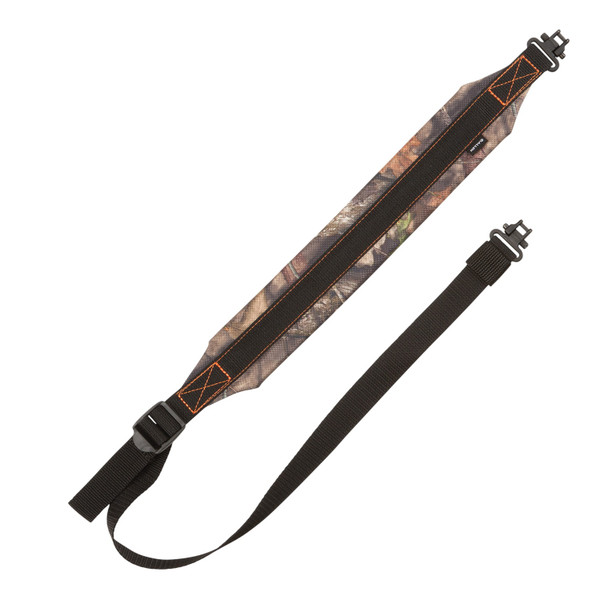
Allen 83004 Endura Rifle Sling with Swivel Mount
AllenOUR PRICE: $11.99ALLEN 83004 ENDURA RFL SLING W/SWIV MOINF Allen 83004 Endura Rifle Sling with Swivel Mount is a durable and adjustable firearm sling designed for reliable weapon support. Made by Allen, this rifle... -
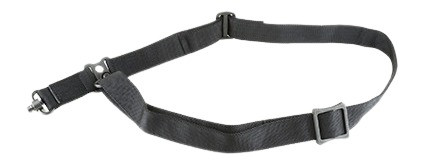
Griffin Armament SlingBLK1 Switch Hitter Black Tactical Sling
GRIFFIN ARMAMENTOUR PRICE: $64.99GRIFFIN SLINGBLK1 SWITCH HITTER-BLK Griffin Armament SlingBLK1 Switch Hitter Black Tactical Sling is a durable and versatile firearm sling designed for reliable weapon carry and quick deployment... -

Griffin Armament SlingCoy1 Switch Hitter Coyote Sling
GRIFFIN ARMAMENTOUR PRICE: $64.99GRIFFIN SLINGCOY1 SWITCH HITTER COYOTE Griffin Armament SlingCoy1 Switch Hitter Coyote Sling is a durable and versatile tactical sling designed for reliable firearm carrying and quick transition...
