
Raven Rock Armory
Single Shot & Break Action Rifles for Hunting, Range & Training
Shop single shot and break action rifles from leading firearm manufacturers at Raven Rock Armory. Compare centerfire and rimfire models by caliber, barrel length, stock design, sights, optic compatibility, trigger, receiver construction, finish, weight, and factory configuration for hunting, target shooting, training, youth applications, collecting, and general sporting use.
Learn more about single shot rifles, break actions, calibers & features
Single shot rifles are manually loaded firearms designed to hold one cartridge at a time. Break-action models use a hinged barrel or barrel assembly that opens to provide direct access to the chamber. These simple sporting rifle designs are available for hunting, recreational shooting, training, target use, collecting, and other lawful applications.
Single Shot Rifles
A single shot rifle does not feed additional cartridges automatically from a magazine. After firing, the action is opened and the firearm is manually reloaded according to its design.
Break Action Rifles
Break-action rifles use a hinged barrel assembly that pivots away from the receiver when unlocked. Opening the action provides direct access to the chamber for loading, unloading, inspection, and cleaning.
Choosing a Single Shot Rifle
- Intended Use: Consider hunting, recreational shooting, youth training, collecting, target shooting, or field use.
- Caliber: Compare rimfire and centerfire chamberings based on ammunition availability, recoil, intended use, and manufacturer recommendations.
- Barrel Length: Barrel length affects overall dimensions, balance, weight, sight radius, and cartridge performance.
- Stock Fit: Review length of pull, comb height, grip shape, weight, and overall rifle dimensions.
- Sights & Optics: Determine whether the rifle includes iron sights, a scope base, rail, drilled-and-tapped receiver, or another optic interface.
Centerfire Single Shot Rifles
Centerfire single shot rifles are available in numerous hunting and sporting cartridges. Models range from lightweight field rifles to heavier target and specialty configurations.
Rimfire Single Shot Rifles
Rimfire single shot rifles are commonly used for introductory training, recreational shooting, target practice, and lawful small-game hunting.
.22 LR Single Shot Rifles
.22 LR is one of the most common chamberings for youth, training, recreational, and traditional single shot rifles because of its broad ammunition availability and relatively mild recoil.
.22 WMR Single Shot Rifles
.22 Winchester Magnum Rimfire is offered in selected single shot and break-action rifle platforms. Use only ammunition matching the exact chambering specified by the manufacturer.
.17 HMR Single Shot Rifles
.17 HMR is available in some rimfire single shot rifles intended for target, varmint, and sporting applications.
.223 Remington Single Shot Rifles
Selected manufacturers offer break-action or single shot rifles in .223 Remington for sporting and hunting applications where lawful.
.243 Winchester Rifles
.243 Winchester is available in selected lightweight break-action hunting rifles and other single shot platforms.
6.5 Creedmoor Single Shot Rifles
Some manufacturers offer modern single shot rifles chambered in 6.5 Creedmoor for hunting and target-oriented sporting use.
.270 Winchester Single Shot Rifles
.270 Winchester is offered in selected break-action hunting rifles. Stock design, barrel length, rifle weight, and optics provisions vary by model.
.308 Winchester Single Shot Rifles
.308 Winchester is available in some modern and traditional single shot rifle platforms designed for hunting and general sporting use.
.30-06 Springfield Single Shot Rifles
.30-06 Springfield remains available in selected break-action and traditional single shot hunting rifles.
.350 Legend Single Shot Rifles
.350 Legend is offered in selected single shot hunting rifles. Hunters should verify current cartridge and firearm regulations applicable to their jurisdiction.
.45-70 Government Single Shot Rifles
.45-70 Government is widely associated with traditional and modern single shot sporting rifles and is available in several different barrel and stock configurations.
Other Centerfire Chamberings
Single shot rifles are manufactured in many additional cartridges. Always verify the exact chamber marking and manufacturer specifications before selecting ammunition.
Hunting Single Shot Rifles
Hunting-oriented single shot rifles may prioritize relatively light weight, simple operation, practical barrel length, durable finishes, and compatibility with scopes or iron sights.
Youth Single Shot Rifles
Youth-oriented models commonly use shorter stocks, reduced length of pull, lighter overall weight, and smaller dimensions. Proper adult supervision, safe handling instruction, and appropriate firearm fit remain essential.
Training Rifles
Single shot rifles are often selected for supervised introductory training because each cartridge is loaded individually and the action can generally be inspected directly when open.
Target Single Shot Rifles
Target models may use heavier barrels, refined triggers, specialized stocks, aperture sights, scope bases, or other accuracy-oriented features.
Traditional Single Shot Rifles
Traditional single shot designs include falling-block, rolling-block, trapdoor-inspired, break-action, and other historical or sporting action types depending on the manufacturer.
Modern Break Action Rifles
Modern break-action rifles may combine simple hinged actions with synthetic stocks, corrosion-resistant finishes, optic rails, threaded muzzles, or other contemporary features.
Break Action Hinges
Break-action designs use a hinge or pivot between the barrel assembly and receiver. The hinge, locking surfaces, and related components should be maintained according to manufacturer recommendations.
Action Locking Systems
The action must lock securely when closed. Lugs, bolts, locking blocks, underlugs, and other systems vary by manufacturer and model.
Action Release Controls
A break-action rifle may use a lever, latch, button, or another manufacturer-specific control to unlock the action.
Extractors
Extractors may partially lift a cartridge or fired case from the chamber when the action is opened, allowing it to be removed manually.
Ejectors
Some break-action rifles use ejector systems that move a fired case farther from the chamber when the action opens. Exact operation varies by firearm.
Exposed Hammers
Many traditional break-action rifles use external hammers. Cocking procedures, hammer positions, safety systems, and operating requirements differ by model.
Hammerless Designs
Some rifles use enclosed firing mechanisms without a conventional exposed hammer. The firearm's owner's manual should be used to understand the exact action.
Safety Systems
Single shot rifles may use hammer blocks, transfer bars, cross-bolt safeties, tang safeties, trigger safeties, or other manufacturer-specific mechanisms.
Barrel Length
Single shot rifle barrel lengths vary widely depending on caliber, intended use, overall firearm size, and manufacturer configuration.
Lightweight Hunting Barrels
Field rifles may use relatively light barrel profiles to reduce overall weight during extended carrying.
Heavy Target Barrels
Target-oriented single shot rifles may use heavier barrel contours, increasing total rifle weight and changing balance.
Fluted Barrels
Selected models may use fluted barrel profiles for weight, appearance, or other manufacturer-specific design reasons.
Threaded Barrels
Some modern single shot rifles include threaded muzzles. Thread pitch and accessory compatibility must be verified for the exact caliber and model.
Muzzle Devices
Factory configurations may include a thread protector, muzzle brake, or other manufacturer-installed component depending on model.
Barrel Materials
Barrels may be manufactured from carbon steel, stainless steel, or other manufacturer-specified alloys.
Barrel Finishes
Common finishes include bluing, stainless, matte coatings, nitriding, Cerakote, and other surface treatments.
Rifling Twist Rate
Twist rate varies by cartridge and barrel design. Review the exact manufacturer specification when ammunition and projectile selection are important.
Wood Stocks
Walnut, hardwood, laminate, and other wood stocks provide traditional appearance. Natural grain, color, weight, and finish can vary.
Synthetic Stocks
Polymer and composite stocks are common on modern hunting and youth rifles and can provide resistance to weather and lower maintenance.
Stock Length
Compact youth rifles may use significantly shorter stocks than full-size hunting models. Compare manufacturer-listed length of pull when evaluating fit.
Length of Pull
Length of pull is measured from the trigger to the rear surface of the stock and can influence comfort and sight alignment.
Recoil Pads
Centerfire hunting models may include rubber or synthetic recoil pads. Thickness, shape, and material vary by rifle.
Iron Sights
Some break-action rifles include fixed or adjustable iron sights, while others are designed primarily for optical sights.
Fiber-Optic Sights
Fiber-optic front and rear sights are available on selected hunting and youth rifle configurations.
Optics-Ready Rifles
Many modern single shot rifles provide factory scope bases, Picatinny rails, drilled-and-tapped receivers, or other optic mounting provisions.
Factory Scope Rails
Some models include a factory-installed rail or base. Confirm the mounting interface and compatible rings before selecting an optic.
Rifle Scopes
Hunting and target scopes should be selected according to intended use, eye relief, magnification range, mounting height, and rifle configuration.
Red-Dot Sights
Red-dot sights may be used on rifles equipped with a compatible mounting surface.
Trigger Systems
Single shot rifle triggers vary by design, pull weight, shape, travel, and internal mechanism.
Adjustable Triggers
Certain target and hunting rifles include factory-adjustable trigger systems within manufacturer-defined limits.
Rifle Weight
Weight depends on barrel profile, caliber, receiver, stock, optic, sights, and other installed equipment.
Lightweight Single Shot Rifles
Lightweight break-action rifles can be convenient for field carry, but reduced firearm weight can change perceived recoil and balance.
Recoil
Perceived recoil depends on chambering, ammunition, rifle weight, stock design, recoil pad, shooting position, and individual shooter factors.
Compact Rifles
Shorter stocks and practical barrel lengths can create compact single shot rifles suitable for smaller shooters or field use where the configuration is appropriate and lawful.
Takedown & Interchangeable-Barrel Systems
Some break-action platforms have been designed around removable or interchangeable barrels. Compatibility is specific to the firearm frame, barrel, caliber, and manufacturer.
Combination Firearms
Certain break-action platforms may be offered in multi-barrel or combination configurations. The exact firearm type and ammunition requirements should be confirmed from manufacturer specifications.
Ammunition Compatibility
Use only ammunition matching the exact chambering specified by the firearm manufacturer. Similar cartridge names do not establish interchangeability.
Standard & Higher-Pressure Ammunition
Use ammunition only within the pressure and cartridge specifications approved for the exact rifle by the manufacturer.
Hunting Ammunition
Hunting loads are available in many centerfire and rimfire chamberings. Projectile and cartridge selection should be appropriate for the lawful intended use.
Target Ammunition
Target-oriented ammunition is available in many chamberings. Individual rifles may perform differently with different factory loads.
Cleaning a Break Action Rifle
Follow the manufacturer's instructions for unloading, opening the action, cleaning the bore and chamber, inspecting the hinge and locking surfaces, lubricating approved areas, and reassembly.
Hinge Maintenance
Break-action hinge surfaces should be kept clean and maintained according to manufacturer recommendations.
Locking-Surface Inspection
Locking components should function according to the manufacturer's design. Suspected damage, excessive movement, or improper lockup should be evaluated by qualified personnel.
Extractor & Ejector Maintenance
Keep extractors and ejectors clean and inspect them according to the firearm manufacturer's maintenance guidance.
Bore & Chamber Cleaning
Use brushes, patches, solvents, rods, and other cleaning equipment appropriate for the firearm's caliber, barrel material, and finish.
Wood Stock Care
Wood stocks should be protected from excessive moisture, heat, and aggressive cleaning chemicals. Follow finish-specific manufacturer recommendations when available.
Firearm Storage
Single shot and break action rifles should be stored securely according to applicable law, household circumstances, manufacturer guidance, and responsible firearm-storage practices.
Rifle Cases
Soft and hard rifle cases are available for storage and transport. Interior dimensions should account for the rifle's barrel length, stock, optic, sights, and other installed equipment.
Gun Safes
Long-gun safes and secure storage systems provide controlled access and organized firearm storage.
Transporting Single Shot Rifles
Transportation laws vary by jurisdiction and destination. Review applicable firearm, vehicle, case, ammunition, and storage requirements before travel.
Hunting Regulations
Hunting rules may regulate firearm type, cartridge, season, species, barrel configuration, and other factors. Verify current regulations for the specific hunt.
FFL Transfer Requirements
Single shot and break action rifles purchased online generally must be transferred through a federally licensed firearms dealer when required by applicable law. Eligibility and transfer requirements vary by transaction and jurisdiction.
State & Local Restrictions
Firearm, ammunition, hunting, transfer, and possession requirements vary by jurisdiction and can change over time. Buyers should verify current applicable requirements before ordering.
Compare Exact Model, SKU & UPC
Single shot rifles with similar names can differ by caliber, barrel length, stock dimensions, sights, optic rail, trigger, finish, threaded muzzle, included accessories, and distributor configuration. Verify the exact manufacturer model number, SKU, UPC, and current specifications.
Always Verify Manufacturer Specifications
Single shot rifle chambering, barrel length, action design, stock, sights, trigger, optics compatibility, receiver construction, muzzle configuration, weight, finish, ammunition requirements, included accessories, and legal configuration vary by manufacturer and model. Always review the current manufacturer's specifications for the exact rifle being considered.
Filter By
Products List
-
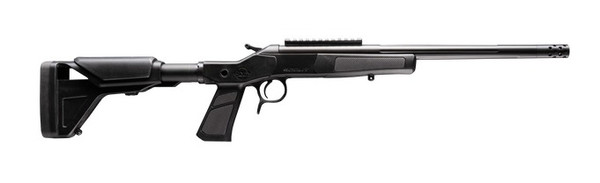
CVA Scout XP Single Shot Rifle 6mm ARC 16.5-Inch Fluted Threaded Barrel Black Stock
CVAOUR PRICE: $667.99CVA CR4451XP Cascade XP-SB SBR 6mm ARC 16.50" Matte Stainless Steel Fluted Threaded Barrel & Receiver w/Picatinny Rail, Graphite Black Adj Buffer Tube Synthetic Stock, Black Grip The CVA Scout XP is... -
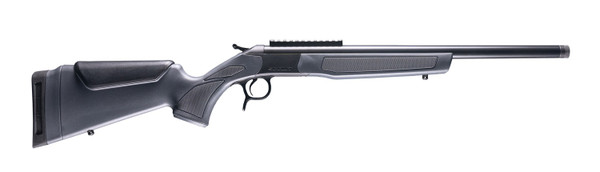
CVA Scout Single Shot Rifle 22 Creedmoor 16.5-inch Threaded Barrel Steel Receiver Gray Synthetic Stock
CVAOUR PRICE: $449.99CVA CR4448 Scout 22 Creedmoor 1rd 16.50" Matte Blued Threaded Barrel & Receiver w/DuraSight Rail, Stealth Gray Synthetic Stock The CVA CR4448 Scout is a dedicated single-shot rifle designed for... -
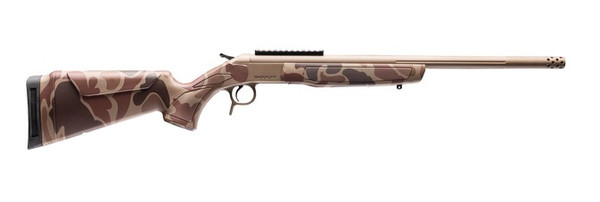
CVA Scout Single-Shot Rifle in 223 Rem with Threaded Barrel and Camouflage Finish
CVAOUR PRICE: $642.99CVA CR4434DC Cascade Takedown 223 Rem 1rd 20" Flat Dark Earth Cerakote Stainless Steel Threaded Barrel & Receiver w/Picatinny Rail, Duck Camo Synthetic Stock The CVA Scout Single-Shot Rifle in 223... -

CVA Scout Take-Down Single-Shot Rifle in 6.5 Creedmoor with Camouflage Finish
CVAOUR PRICE: $642.99CVA CR4436DC Cascade Takedown 6.5 Creedmoor 1rd 20" Flat Dark Earth Cerakote Stainless Steel Threaded Barrel & Receiver w/Picatinny Rail, Duck Camo Synthetic Stock CVA Scout Take-Down Single-Shot... -
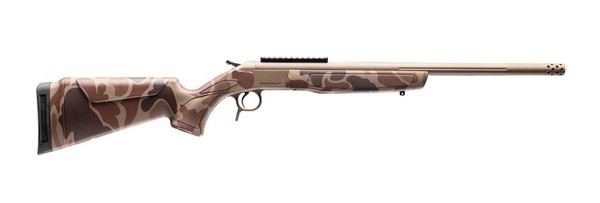
CVA Scout Take-Down Single Shot Rifle in 45-70 Gov with Threaded Barrel and Camouflage Finish
CVAOUR PRICE: $642.99CVA CR4442DC Cascade Takedown 45-70 Gov 1rd 20" Flat Dark Earth Cerakote Stainless Steel Threaded Barrel & Receiver w/Picatinny Rail, Duck Camo Synthetic Stock CVA Scout Take-Down Single Shot Rifle... -
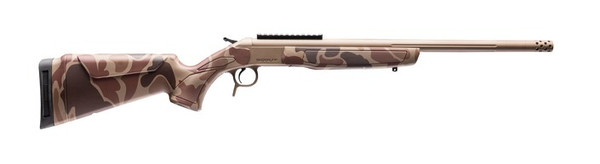
CVA Scout Take-Down Single-Shot Rifle in 450 Bushmaster with Threaded Barrel and Camouflage Finish
CVAOUR PRICE: $642.99CVA CR4443D Cascade Takedown 450 Bushmaster 1rd 20" Flat Dark Earth Cerakote Stainless Steel Threaded Barrel & Receiver w/Picatinny Rail, Duck Camo Synthetic Stock CVA Scout Take-Down Single-Shot... -

CVA Scout Single-Shot Rifle in 300 Blackout with Threaded Barrel and Camouflage Stock
CVAOUR PRICE: $642.99CVA CR4446D Cascade Takedown 300 Blackout 1rd 20" Flat Dark Earth Cerakote Stainless Steel Threaded Barrel & Receiver w/Picatinny Rail, Duck Camo Synthetic Stock The CVA Scout Single-Shot Rifle in... -

Thompson Center Arms LLC Encore ProHunter .308 Winchester Break Action Rifle with 26-Inch Fluted Threaded Barrel and FlexTech Stock
THOMPSON CENTER ARMS LLCOUR PRICE: $1,025.99Thompson Center Arms, LLC 8233R Encore ProHunter 308 Win 1rd 26" Stainless Fluted Threaded Barrel, Stainless Steel Drilled & Tapped Receiver, Black FlexTech Synthetic Stock The Thompson Center Arms... -

Thompson Center Arms LLC TCA 8223R Encore ProHunter 300 Win Mag Break Action Rifle with 26-Inch Fluted Threaded Barrel and FlexTech Stock
THOMPSON CENTER ARMS LLCOUR PRICE: $1,025.99Thompson Center Arms, LLC 8223R Encore ProHunter 300 Win Mag 1rd 26" Stainless Fluted Threaded Barrel, Stainless Steel Drilled & Tapped Receiver, Black FlexTech Synthetic Stock The Thompson Center... -

Thompson Center Arms ENCORE ProHunter 350 Legend Break Action Rifle with 26-Inch Fluted Threaded Barrel and FlexTech Stock
THOMPSON CENTER ARMS LLCOUR PRICE: $1,025.99Thompson Center Arms, LLC 8243R Encore ProHunter 350 Legend 1rd 26" Stainless Fluted Threaded Barrel, Stainless Steel Drilled & Tapped Receiver, Black FlexTech Synthetic Stock The Thompson Center... -
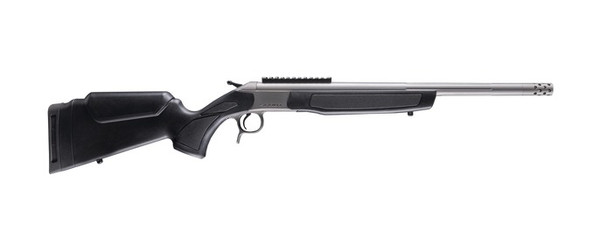
CVA Scout SS Take-Down Rifle in 338 ARC / Threaded Barrel and Black Finish
CVAOUR PRICE: $534.99CVA Scout Takedown 338 ARC Single Shot Rifle Stainless / Black The CVA Scout Takedown is a compact single shot rifle chambered in 338 ARC and built for shooters who want a lightweight, practical... -

CVA CR4447 Scout Single Shot Rifle in .338 ARC with Threaded Barrel and Gray Synthetic Stock
CVAOUR PRICE: $449.99The CVA CR4447 Scout is a single shot rifle chambered in .338 ARC, featuring a 16.5-inch threaded steel barrel and a durable Stealth Gray synthetic stock. Designed for hunters seeking reliable... -

CVA Scout XP Single Shot Rifle in 223 Rem with 16.5-inch Fluted Threaded Barrel
CVAOUR PRICE: $667.99CVA CR4434XP Cascade XP-SB SBR 223 Rem 1rd 16.50" Matte Fluted Threaded Barrel Matte Stainless Steel Receiver Picatinny Rail Receiver Graphite Black Adj Buffer Tube Synthetic Stock Black Grip The CVA... -

CVA CR4437XP Scout XP Single Shot Rifle in 308 Win with 16.5 Inch Fluted Threaded Barrel
CVAOUR PRICE: $667.99CVA CR4437XP Cascade XP-SB SBR 308 Win 1rd 16.50" Matte Stainless Steel Fluted Threaded Barrel & Receiver w/Picatinny Rail, Graphite Black Adj Buffer Tube Synthetic Stock, Black Grip CVA CR4437XP... -

CVA CR4438XP Scout XP Single Shot Rifle in 350 Legend with 16.5 Inch Threaded Fluted Barrel
CVAOUR PRICE: $667.99CVA CR4438XP Cascade XP-SB SBR 350 Legend 1rd 16.50" Matte Stainless Steel Fluted Threaded Barrel & Receiver w/Picatinny Rail, Graphite Black Adj Buffer Tube Synthetic Stock, Black Grip The CVA Scout... -

CVA Scout XP Single Shot Rifle in 300 Blackout with 16.5-Inch Threaded Fluted Barrel
CVAOUR PRICE: $667.99CVA CR4446XP Cascade XP-SB SBR 300 Blackout 1rd 16.50" Matte Stainless Steel Fluted Threaded Barrel & Receiver w/Picatinny Rail, Graphite Black Adj Buffer Tube Synthetic Stock, Black Grip The CVA... -
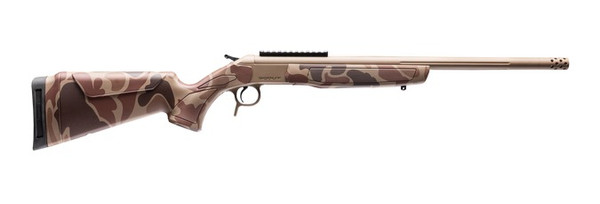
CVA Scout Take-Down Single Shot Rifle in 308 Win with Camouflage Stock
CVAOUR PRICE: $642.99CVA CR4437DC Cascade Takedown 308 Win 1rd 20" Flat Dark Earth Cerakote Stainless Steel Threaded Barrel & Receiver w/Picatinny Rail, Duck Camo Synthetic Stock The CVA Scout Take-Down (TD) is a...
