
Raven Rock Armory
Ammo Bags, Range Bags & Ammunition Carry Gear
Shop ammo bags, range bags, ammunition carriers, magazine storage, cartridge bags, shell bags, and related range and field storage at Raven Rock Armory. Compare capacity, compartment layout, materials, handles, shoulder straps, zipper systems, reinforcement, magazine organization, MOLLE compatibility, and overall size for range, hunting, competition, training, and field use.
Learn more about ammo bags, range bags & ammunition carriers
Ammo bags and range bags provide portable storage for ammunition, magazines, hearing protection, eye protection, tools, cleaning gear, targets, loaders, personal equipment, and other range or field supplies. Designs vary widely in size, compartment layout, material, reinforcement, carrying method, and intended use.
Ammo Bags
Ammo bags are generally designed to carry boxed or loose ammunition, magazines, shotgun shells, or related shooting supplies. They may use reinforced bottoms, internal dividers, carrying handles, shoulder straps, zippered closures, drawstrings, or other storage features.
Range Bags
Range bags typically provide multiple compartments for organizing ammunition, magazines, tools, hearing protection, eye protection, cleaning supplies, and other equipment. Larger models may include removable inner bags, padded dividers, magazine sleeves, or modular storage panels.
Choosing an Ammo or Range Bag
- Capacity: Consider how much ammunition and equipment the bag needs to carry without becoming unnecessarily large or heavy.
- Compartments: Compare main storage areas, side pockets, magazine sleeves, dividers, organizers, and accessory compartments.
- Carrying Method: Look at handles, shoulder straps, backpack straps, grab loops, or other carrying systems.
- Material: Compare nylon, polyester, canvas, laminate, polymer-reinforced, or other construction based on durability and intended use.
- Loaded Weight: Ammunition is heavy, so consider the bag's construction, reinforcement, strap design, and total loaded weight.
Magazine Storage
Some ammo and range bags include dedicated sleeves or compartments for pistol and rifle magazines. Magazine dimensions, baseplates, extensions, and pouch construction can affect compatibility.
Rifle Magazine Storage
Rifle magazine compartments may be designed for AR-15, AK-pattern, AR-10, SR-25, or other magazine formats. Confirm the manufacturer's listed dimensions when using extended or specialty magazines.
Pistol Magazine Storage
Pistol magazine sleeves may be sized for single-stack, double-stack, compact, full-size, or extended magazines. Elastic or adjustable designs may fit several magazine styles.
Shotgun Shell Bags
Shotgun shell bags are commonly used for clay shooting, hunting, training, and range use. They may provide separate compartments for loaded and spent shells or use open-top designs for fast access.
Cartridge Bags
Cartridge bags can provide portable storage for rifle or handgun ammunition. Some designs use individual loops or organizers, while others provide larger compartments for factory boxes or loose ammunition.
Competition Range Bags
Competition-oriented bags may provide organized storage for magazines, ammunition, timers, tools, cleaning supplies, spare parts, eye and ear protection, and other match equipment.
Hunting Ammo Bags
Hunting-oriented bags and carriers may emphasize compact size, weather-resistant materials, quiet fabric, cartridge organization, or compatibility with packs and other field equipment.
Small Range Bags
Compact range bags can be useful for carrying a limited amount of ammunition, magazines, eye and ear protection, and a small set of tools or accessories without the bulk of a larger gear bag.
Large Range Bags
Larger range bags can carry more equipment and ammunition, but total loaded weight can increase quickly. Handles, shoulder straps, stitching, reinforcement, and bottom construction become especially important with heavier loads.
Removable Inner Bags
Some range bags include removable ammunition carriers or inner organizer bags. These can allow ammunition or magazines to be separated from other equipment while keeping the overall system organized.
Internal Dividers
Adjustable or fixed dividers can help separate ammunition, magazines, tools, hearing protection, cleaning supplies, and other items. Removable dividers may allow the interior layout to be customized.
Exterior Pockets
Exterior pockets can provide quick access to smaller items such as gloves, batteries, notebooks, tools, loaders, or personal items. Pocket size and closure design vary by model.
Zippered Compartments
Zippered compartments help keep equipment contained during transport. Dual zippers, lockable zipper pulls, oversized pull tabs, and reinforced zipper tracks may be used depending on the design.
Open-Top Ammo Carriers
Open-top ammunition carriers provide faster access to ammunition or magazines but may offer less containment than fully enclosed storage. These designs are commonly used on the range or during certain shooting activities.
Shoulder Straps
Shoulder straps may be fixed, adjustable, removable, or padded. Wider and padded straps can help distribute the weight of ammunition and equipment over a larger area.
Carry Handles
Carry handles should be evaluated together with the expected loaded weight of the bag. Reinforced stitching, handle wrap construction, and attachment points can affect durability.
Backpack-Style Range Bags
Backpack-style range bags distribute equipment across both shoulders and may provide multiple internal and external storage compartments. They can be useful when carrying gear over longer distances or when both hands need to remain free.
MOLLE-Compatible Bags
Some ammo and range bags include MOLLE or PALS-compatible webbing for attaching pouches and accessories. Available mounting space varies based on bag size and panel configuration.
Hook-and-Loop Panels
Hook-and-loop surfaces may be used for identification patches, removable organizers, internal dividers, or accessory attachment. Panel size and placement differ by bag.
Bag Materials
Ammo and range bags may use nylon, polyester, canvas, laminate, mesh, elastic, polymer panels, foam padding, or combinations of materials. Fabric weight and construction can affect durability, stiffness, abrasion resistance, and overall weight.
Reinforced Bottoms
Reinforced or padded bottoms can help support heavier ammunition and equipment. Some designs use additional fabric layers, rigid panels, polymer feet, or protective coatings.
Water-Resistant Materials
Some bags use coated fabrics, covered zippers, or water-resistant materials intended to reduce exposure to moisture. Water resistance should not be assumed to mean waterproof unless the manufacturer specifically states otherwise.
Weather Exposure
Ammunition and shooting equipment should generally be protected from excessive moisture and extreme environmental conditions. Follow the ammunition and bag manufacturer's storage and care recommendations.
Organizing Ammunition
Separating ammunition by caliber, load type, firearm, or intended use can make range preparation more efficient and reduce confusion when several types of ammunition are carried together.
Keeping Factory Ammunition Information
When ammunition is removed from its original packaging, retaining identifying information such as caliber, manufacturer, bullet weight, load, and lot number can help maintain accurate organization.
Loaded Bag Weight
Ammunition can add significant weight quickly. A bag that is easy to carry when empty may become substantially heavier when filled with ammunition, magazines, tools, and accessories.
Balancing the Load
Distributing heavy items throughout the bag can help prevent a single compartment or attachment point from carrying excessive weight. Follow the manufacturer's guidance for load capacity when provided.
Transporting Ammunition
When transporting ammunition, use containers and bags suitable for the intended trip and follow applicable carrier, venue, range, and local requirements. Airline and commercial transportation rules may differ from ordinary vehicle transport.
Vehicle Storage
Bags left inside vehicles can be exposed to substantial temperature changes, moisture, and security risks. Consider the environment and follow ammunition manufacturer recommendations for storage.
Range Organization
Keeping ammunition, magazines, eye protection, hearing protection, tools, and other equipment in assigned compartments can simplify range setup and help ensure frequently used items remain easy to locate.
Cleaning & Maintenance Supplies
Range bags can also carry cleaning supplies, lubricants, tools, and maintenance equipment. Liquids should be stored securely to reduce the risk of leakage onto ammunition or other gear.
Eye & Ear Protection Storage
Dedicated pockets or padded compartments can help organize shooting glasses and hearing protection. Consider rigid or padded storage when equipment could otherwise be crushed by heavier ammunition.
Tool Storage
Tools, spare parts, batteries, and cleaning equipment may be stored in internal organizers or dedicated pockets. Sharp or heavy items should be positioned so they do not damage other contents.
Identification & Labeling
Bags may include clear identification windows, hook-and-loop surfaces, name panels, or other labeling options. Labels can help distinguish ammunition, equipment, or bags used for different firearms and activities.
Inspecting an Ammo Bag
Regularly inspect handles, shoulder straps, stitching, zippers, buckles, clips, webbing, reinforcement, seams, and bottom panels for wear or damage, especially when the bag routinely carries heavy ammunition.
Cleaning an Ammo or Range Bag
Follow the manufacturer's cleaning instructions for fabric, hardware, coatings, padding, hook-and-loop surfaces, and other materials. Allow bags to dry completely before extended storage.
Ammo Bags vs. Hard Storage
Soft-sided ammo and range bags are designed primarily for portable organization and transport. They should not automatically be considered equivalent to rigid ammunition cans, locking security containers, or safes.
Always Verify Manufacturer Specifications
Bag dimensions, capacity, materials, reinforcement, compartment layout, magazine compatibility, MOLLE features, weather resistance, carrying systems, and load recommendations vary by manufacturer and model. Always review the current manufacturer's specifications for the exact ammo or range bag being considered.
Filter By
Products List
-
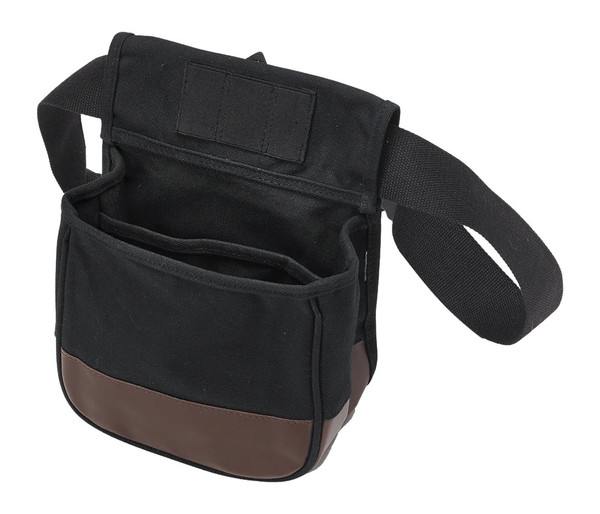
US PeaceKeeper Divided Shell Pouch Black/Brown
US PeaceKeeperOUR PRICE: $25.99USP P23010 DIVIDED SHELL POUCH BLK/BRN The US PeaceKeeper Divided Shell Pouch in black and brown is a durable and versatile accessory designed for secure storage of shotgun shells and small... -
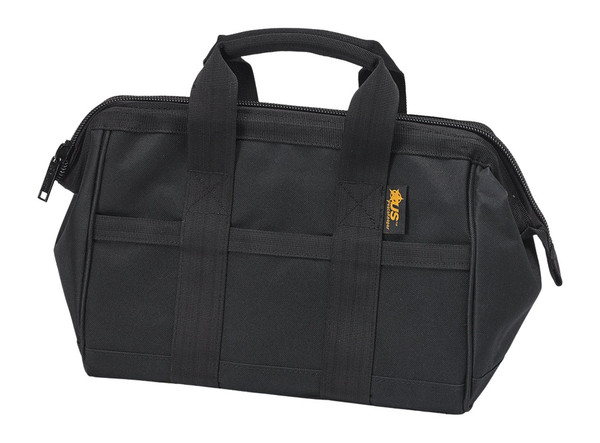
US PeaceKeeper USP P23205 Ammo Bag Black Holders and Accessories
US PeaceKeeperOUR PRICE: $29.99USP P23205 AMMO BAG BLK The US PeaceKeeper USP P23205 Ammo Bag is a durable and versatile storage solution designed for firearm enthusiasts and professionals. Constructed with high-quality... -
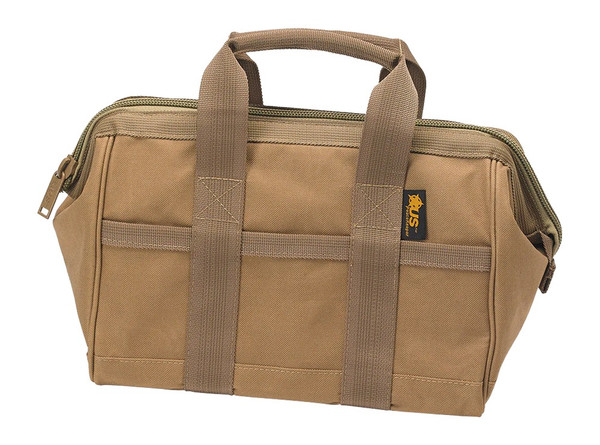
US PeaceKeeper USP P43205 Ammo Bag Tan
US PeaceKeeperOUR PRICE: $29.99USP P43205 AMMO BAG TAN The US PeaceKeeper USP P43205 Ammo Bag in tan is a durable and practical accessory designed to securely carry and organize ammunition. Its compact design makes it ideal for...
