
Raven Rock Armory
Revolvers for Carry, Range, Hunting & Home Defense
Shop revolvers from leading firearm manufacturers at Raven Rock Armory. Compare compact carry revolvers, full-size wheel guns, hunting revolvers, target models, rimfire revolvers, and single-action or double-action designs by caliber, capacity, barrel length, frame size, sights, grip, finish, and intended use.
Learn more about revolvers, calibers, frame sizes & features
Revolvers remain popular for recreational shooting, collecting, lawful concealed carry, home defense, hunting, field use, and competition. Models range from lightweight compact revolvers to large-frame magnum handguns. Differences in action type, caliber, cylinder capacity, barrel length, frame material, sights, grips, weight, and overall dimensions can significantly affect how a revolver handles.
Revolvers
A revolver uses a rotating cylinder containing multiple chambers. As the action is operated, the cylinder indexes a chamber into alignment with the barrel. Exact operating procedures, loading systems, safety features, and maintenance requirements vary by manufacturer and model.
Choosing a Revolver
- Intended Use: Consider range shooting, concealed carry, home defense, hunting, field use, competition, training, or collecting.
- Action: Compare single-action, double-action/single-action, and double-action-only configurations.
- Caliber: Consider ammunition availability, recoil, firearm size, intended application, and manufacturer specifications.
- Frame & Barrel Size: Larger revolvers may offer increased weight and sight radius, while compact models prioritize portability.
- Sights & Grips: Compare fixed or adjustable sights and the grip size, material, shape, and texture.
Double-Action Revolvers
Double-action revolvers allow the trigger to cock and release the hammer during normal double-action operation. Many traditional models can also be manually cocked for a shorter single-action trigger pull.
Single-Action Revolvers
Single-action revolvers generally require the hammer to be manually cocked before each shot. They remain popular for recreational shooting, hunting, collecting, and cowboy-action-style disciplines.
Double-Action-Only Revolvers
Double-action-only revolvers use a consistent trigger-operated action and may use an enclosed, internal, or otherwise non-manually-cockable hammer configuration.
Hammerless & Enclosed-Hammer Revolvers
The term hammerless is often used for revolvers with internal or enclosed hammers. These designs can reduce external projections, although the actual internal firing mechanism varies by model.
Shrouded-Hammer Revolvers
A shrouded hammer is partially protected by the frame while potentially retaining limited manual access to the hammer spur. Exact construction differs between manufacturers.
Compact Carry Revolvers
Compact revolvers typically use shorter barrels and smaller frames to reduce overall dimensions and weight. Their compact size can affect recoil characteristics, sight radius, grip size, and capacity.
Snub-Nose Revolvers
Snub-nose revolvers generally use short barrels and compact frames. They are commonly associated with concealed carry but may also be selected for general range or recreational use.
Full-Size Revolvers
Full-size revolvers offer larger grips, longer barrels, greater mass, and potentially increased cylinder capacity compared with smaller carry models.
Hunting Revolvers
Hunting-oriented revolvers may use longer barrels, larger frames, adjustable sights, optic-mounting provisions, and chamberings designed for compatible hunting applications. Buyers should confirm applicable hunting regulations for their jurisdiction.
Target Revolvers
Target-oriented models may feature longer barrels, adjustable sights, refined triggers, specialized grips, heavier profiles, or other features intended for precision-oriented recreational or competitive shooting.
Rimfire Revolvers
Rimfire revolvers are commonly chambered in .22 LR, .22 WMR, and other rimfire cartridges. They are widely used for recreational shooting, training, target practice, and small-game applications where lawful.
Centerfire Revolvers
Centerfire revolvers are offered in a wide variety of chamberings, from compact defensive cartridges to larger magnum calibers used for hunting and field applications.
.22 LR Revolvers
.22 LR revolvers offer relatively low recoil and are popular for recreational shooting, introductory training, target practice, and economical range use.
.22 WMR Revolvers
.22 Winchester Magnum Rimfire revolvers are available in compact, full-size, and field-oriented configurations depending on manufacturer and model.
.327 Federal Magnum Revolvers
Revolvers chambered in .327 Federal Magnum are available in several frame sizes. Ammunition compatibility can vary, so buyers should review the exact manufacturer's chambering specifications.
.38 Special Revolvers
.38 Special is widely available in compact and full-size revolvers and remains a common chambering for recreational shooting and carry-oriented models.
.357 Magnum Revolvers
.357 Magnum revolvers are offered across compact, medium, and large frame sizes. Many are also designed to chamber compatible .38 Special ammunition, but owners should verify the exact manufacturer's specifications.
.44 Magnum Revolvers
.44 Magnum is commonly found in larger revolvers intended for hunting, field use, target shooting, and recreational applications. Firearm weight and grip design can influence perceived recoil.
.45 Colt Revolvers
.45 Colt remains popular in traditional single-action revolvers as well as certain modern double-action designs. Ammunition pressure and compatibility requirements should always be verified for the exact firearm.
10mm Revolvers
Some manufacturers offer revolvers chambered for 10mm Auto. These models may use moon clips or other systems depending on the firearm's cylinder design.
Revolver Capacity
Cylinder capacity varies by frame size, caliber, cylinder diameter, and design. Common capacities include five, six, seven, eight, nine, ten, or more rounds depending on the firearm.
Five-Shot Revolvers
Five-shot cylinders are common in compact revolvers where reduced frame and cylinder dimensions are prioritized.
Six-Shot Revolvers
Six-round cylinders are traditional across many revolver designs and remain common in numerous rimfire and centerfire models.
Higher-Capacity Revolvers
Certain modern revolvers use seven-, eight-, nine-, ten-, or higher-capacity cylinders depending on caliber and frame design.
Revolver Frame Sizes
Manufacturers use different frame-size terminology, and labels are not standardized across brands. Compare actual dimensions and weight rather than assuming similarly named frame sizes are equivalent.
Small-Frame Revolvers
Small-frame revolvers prioritize compact dimensions and lower weight. Grip area, cylinder size, sight radius, and capacity may be reduced compared with larger frames.
Medium-Frame Revolvers
Medium frames can provide a balance between portability, grip size, barrel options, capacity, and overall firearm weight.
Large-Frame Revolvers
Larger frames are commonly associated with heavier construction, larger chamberings, longer barrels, increased mass, and hunting- or field-oriented configurations.
Steel-Frame Revolvers
Carbon steel and stainless steel are widely used in revolver construction. Steel generally increases firearm weight compared with lightweight alloy designs of similar size.
Stainless Steel Revolvers
Stainless construction can provide corrosion resistance and a distinctive finish, although stainless firearms still require proper cleaning, lubrication, and storage.
Alloy-Frame Revolvers
Aluminum and other lightweight alloys may be used to reduce carry weight. Lower firearm mass can influence handling and perceived recoil.
Lightweight Revolvers
Lightweight revolvers are commonly selected for portability. Buyers should compare firearm weight, grip design, caliber, ammunition, and expected range use when evaluating a lighter handgun.
Barrel Length
Revolvers are available with barrels ranging from very short carry-oriented configurations to longer hunting and target barrels. Barrel length affects overall dimensions, weight, sight radius, balance, and ammunition performance.
2-Inch & Short-Barrel Revolvers
Short barrels reduce overall firearm length and are common in compact carry revolvers. Actual barrel measurements differ among models.
3-Inch Revolvers
Three-inch models can provide a balance between compact dimensions and additional sight radius or barrel length compared with shorter revolvers.
4-Inch Revolvers
Four-inch barrels are common in general-purpose, range, field, and defensive revolvers and are available across many frame sizes and calibers.
6-Inch & Long-Barrel Revolvers
Longer barrels are often found on hunting, target, and precision-oriented revolvers. They generally increase overall size, weight, and sight radius.
Fixed Sights
Fixed sights are common on compact and traditional revolvers. Their shape, height, visibility, and point of impact vary by model and ammunition.
Adjustable Sights
Adjustable rear sights allow changes to windage and elevation and are frequently found on target, hunting, and full-size revolvers.
Fiber-Optic Sights
Some revolvers use fiber-optic elements to improve sight visibility under suitable lighting conditions.
Night Sights
Certain defensive revolvers may use tritium or other low-light-visible sight elements. Verify the exact sight package included with each model.
Optics-Ready Revolvers
Some hunting and competition revolvers provide factory mounting provisions or accept compatible optic mounts. Verify the mounting interface and optic compatibility for the exact handgun.
Revolver Grips
Grip shape, size, texture, material, and backstrap coverage can significantly affect comfort and control. Revolver grips may be rubber, wood, polymer, laminate, synthetic, or other materials.
Rubber Grips
Rubberized grips can provide texture and cushioning and are common on defensive, hunting, and field revolvers.
Wood Grips
Wood grips provide traditional appearance and are available in numerous shapes, finishes, and sizes.
Boot Grips
Compact boot-style grips reduce overall grip dimensions and are commonly associated with concealment-oriented revolvers.
Target Grips
Larger target-style grips may provide additional hand support and control but increase overall dimensions.
Exposed Hammer
Revolvers with exposed hammer spurs may allow manual cocking for single-action operation when the design supports it.
Cylinder Release
Cylinder-release controls differ by manufacturer and may push, pull, slide, or otherwise operate according to the revolver's design.
Swing-Out Cylinders
Many modern double-action revolvers use a cylinder that swings out of the frame for loading, unloading, and inspection.
Loading Gates
Traditional single-action revolvers often use a loading gate that provides access to individual chambers for loading or unloading.
Top-Break Revolvers
Certain revolver designs pivot open around a frame hinge to expose the cylinder. Modern availability is more limited than conventional swing-out or loading-gate designs.
Ejector Rods
Swing-out-cylinder revolvers typically use an ejector rod and extractor system to remove cartridge cases from multiple chambers.
Moon Clips
Some revolvers use moon clips to retain rimless cartridges or to facilitate loading and extraction. Clip compatibility is specific to the revolver and caliber.
Speedloaders
Speedloaders are available for many compatible revolver cylinder patterns. Fit depends on caliber, chamber count, cylinder spacing, grip clearance, and exact firearm model.
Speed Strips
Flexible ammunition strips can provide a compact method of carrying compatible revolver cartridges. Capacity and cartridge compatibility vary.
Trigger Characteristics
Double-action trigger weight and travel generally differ substantially from manually cocked single-action operation. Exact pull characteristics vary by firearm.
Cylinder Lockup
Revolvers use manufacturer-specific systems to position and secure the cylinder during operation. Owners should follow manufacturer guidance for inspection and maintenance.
Revolver Finish
Revolvers may use blued, stainless, matte, polished, Cerakote, anodized, plated, or other manufacturer-specific finishes.
Holster Compatibility
Holsters should match the revolver's frame size, barrel length, cylinder dimensions, hammer configuration, sights, and any mounted accessories.
Concealed Carry Holsters
Compact revolvers may be carried in compatible IWB, OWB, pocket, ankle, shoulder, or other holster systems where lawful and appropriate. The holster should be designed for the exact firearm.
Hunting Revolver Holsters
Large-frame and long-barrel revolvers may require chest, shoulder, belt, or field holsters designed for their additional dimensions and weight.
Ammunition Compatibility
Use only ammunition specifically identified as compatible by the firearm manufacturer. Cartridge names that appear similar are not necessarily interchangeable.
Magnum & Special Cartridge Compatibility
Some magnum revolvers can chamber specific shorter cartridges of the same bullet diameter, but compatibility depends on the exact firearm and chambering. Always follow manufacturer specifications.
+P Ammunition
Use higher-pressure +P ammunition only when specifically approved by the firearm manufacturer for the exact revolver model.
Recoil
Perceived recoil is influenced by caliber, ammunition load, firearm weight, barrel length, grip design, shooter technique, and other factors.
Revolver Weight
Lightweight models may be easier to carry, while heavier revolvers may provide different balance and recoil characteristics during range use.
Cleaning Revolvers
Follow the manufacturer's instructions for cleaning the barrel, chambers, cylinder face, forcing-cone area, exterior surfaces, and other recommended components.
Revolver Maintenance
Periodic inspection should follow manufacturer guidance. Internal adjustments or repairs should be performed only by appropriately qualified personnel.
Lead & Carbon Fouling
Residue can accumulate in the bore, chambers, cylinder face, and other areas during normal shooting. Use cleaning products and procedures suitable for the firearm's materials and finish.
Revolver Storage
Revolvers should be stored securely according to applicable law, household circumstances, manufacturer guidance, and responsible firearm-storage practices.
Transporting Revolvers
Firearm transportation requirements vary by jurisdiction. Appropriate cases, secure storage, ammunition considerations, and applicable laws should be reviewed before travel.
FFL Transfer Requirements
Revolvers purchased online generally must be transferred through a federally licensed firearms dealer when required by applicable law. Eligibility and transfer requirements vary by transaction and jurisdiction.
State & Local Restrictions
Firearm and transfer laws can vary significantly by state and locality and may change over time. Buyers should verify applicable requirements before ordering.
Compare Exact Model, SKU & UPC
Similar revolver models can differ by barrel length, frame, caliber, cylinder capacity, grip, sights, finish, distributor package, or included accessories. Compare the manufacturer's exact model number, SKU, and UPC when configuration matters.
Always Verify Manufacturer Specifications
Revolver caliber, capacity, barrel length, frame construction, action type, sights, grips, weight, finish, ammunition compatibility, included accessories, and legal configuration vary by manufacturer and model. Always review the current manufacturer's specifications for the exact firearm being considered.
Filter By
Products List
-

Taurus 856 38 Special +P 2-Inch 6-Shot DA/SA Revolver Stainless Steel - California Compliant
TaurusOUR PRICE: $384.99Taurus 2-85629 856 *CA Compliant Small 38 Special +P 6 Shot 2" Matte Stainless Steel Barrel, Cylinder & Frame, Black Finger Grooved Rubber Grip, Transfer Bar Safety, Exposed Hammer Taurus 856 38... -

NAA Second Mate Mini Revolver 22 LR 1.13" Navy Blue Cerakote
NAAOUR PRICE: $358.99North American Arms 22LRNBCHP Second Mate Mini 22 LR 5 Shot 1.13" Navy Blue Cerakote Stainless Steel Barrel & Frame, High Polished Cylinder, Simulated White Pearl Grip, Safety Notch, Exposed... -

Taurus Raging Hunter .350 Legend 8.38-inch Double-Action Revolver, 6-Round
TaurusOUR PRICE: $1,211.99Taurus 2-35085RH Raging Hunter 350 Legend 6 Shot 8.38" Matte Black Barrel w/Picatinny Rail, Matte Black Oxide Cylinder, Matte Stainless Steel Frame w/Picatinny Rail, Transfer Bar Safety Taurus... -
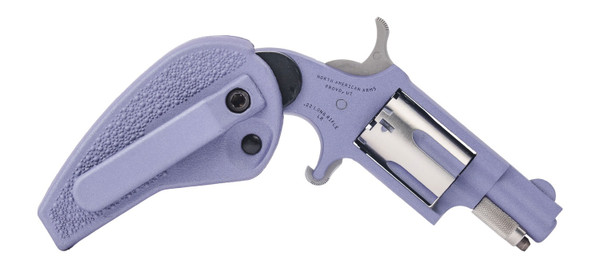
NAA Orchid 22 LR Revolver 1.13-Inch Barrel Folding Holster Grip
NAAOUR PRICE: $311.99North American Arms 22LR-OC-HG Orchid 22 LR 5rd Shot 1.13" Crushed Orchid Cerakote Stainless Steel Barrel & Frame, Stainless Cylinder, Folding Holster Grip, Safety Notch, Exposed Hammer The NAA... -

NAA 22MS-RC-HG Rose 22 LR Revolver, 1.13-Inch Barrel, 5-Round, Folding Holster Grip
NAAOUR PRICE: $331.99North American Arms 22MS-RC-HG Rose 22 LR 5rd Shot 1.13" Pink Champagne Cerakote Stainless Steel Barrel & Frame, Stainless Cylinder, Folding Holster Grip, Safety Notch, Exposed Hammer The NAA... -

North American Arms 22MPBHG .22 WMR Mini Revolver Turquoise with Folding Holster Grip
NAAOUR PRICE: $342.99North American Arms 22MPBHG .22 WMR Mini Revolver Turquoise with Folding Holster Grip The North American Arms 22MPBHG is a compact .22 WMR mini revolver designed for customers who want an ultra-small... -

Taurus Model 856 Revolver 38 Special 6-Shot 2-Inch Barrel Stainless Black Finish
TaurusOUR PRICE: $352.99Taurus 2-85625 856 38 Special 6 Shot 2" The Taurus Model 856 is a reliable revolver designed for personal defense and target shooting. Chambered in 38 Special, it features a 6-round capacity and a... -
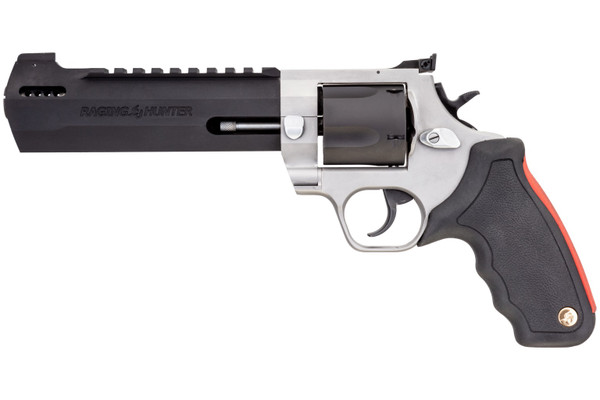
Taurus Raging Hunter Revolver 454 Casull 5-Round Capacity Matte Finish with Fixed and Adjustable Sights
TaurusOUR PRICE: $1,025.99$1,147.99RAGING HUNT 454CAS 2TONE 6.75" 2-454065RH | 5 SHOT | PORTED The Taurus Raging Hunter is a high-performance revolver designed for hunting and outdoor shooting enthusiasts. Chambered in 454 Casull, it... -

Taurus Model 605 Poly 357 Magnum Revolver with 2 Inch Barrel and Fiber Optic Front Sight
TaurusOUR PRICE: $352.99Taurus 2-605021B 605 Poly Protector Small 357 Mag/38 Special +P 5 Shot 2" Brown Polymer Stainless Steel Barrel, Matte Black Oxide Cylinder, Brown Polymer Alloy Steel Frame, Black Ridged Rubber Grip,... -
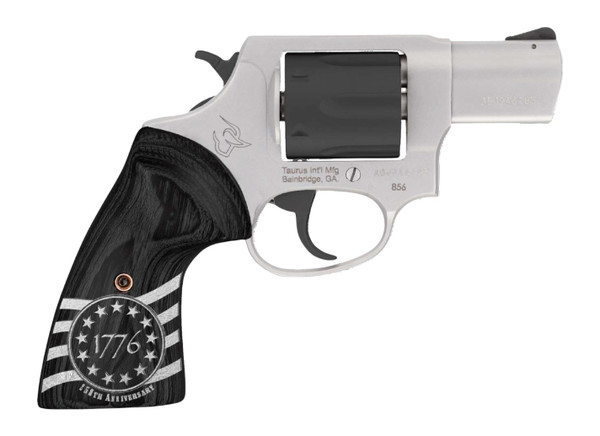
TAU 2-85625-US3 856 38SP 2 6R SS/BK WD
TaurusOUR PRICE: $402.99Taurus 2-85625-US3 856 1776 Small 38 Special +P 6 Shot 2" Stainless Steel Barrel, Black Stainless Steel Cylinder, Stainless Steel Frame, Custom Altamont Grip, Transfer Bar Safety The Taurus Defender... -

Charter Arms Undercover Lite 38 Special Revolver 2 Inch Barrel 5 Rounds White Pearlite Grips
Charter ArmsOUR PRICE: $425.99Charter Arms 13822 Undercover Lite Small 38 Special 5 Shot 2" Black Passivate Steel Barrel & Cylinder, Black Passivate Aluminum Frame, White Pearlite Grip, Transfer Bar Safety, Exposed Hammer Brief... -

Taurus 856 .38 Special Plus P Revolver with 2-Inch Barrel and Stainless Steel Finish
TaurusOUR PRICE: $438.99Taurus 2-85629-CK2 856 Small 38 Special +P 6 Shot 2" Matte Stainless Steel Barrel, Cylinder & Frame, Transfer Bar Safety, Exposed Hammer The Taurus 856 is a compact and dependable revolver designed... -
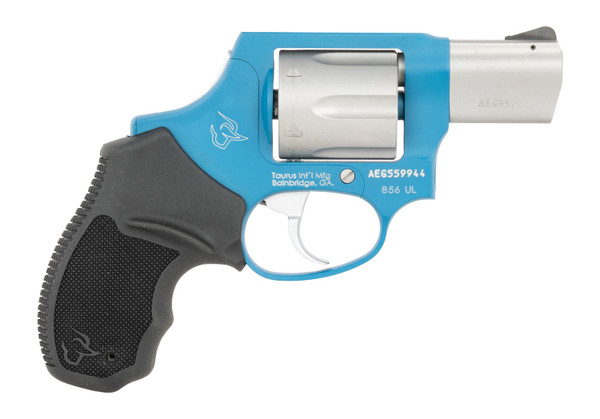
Taurus 856CH .38 Special +P Revolver with 2-Inch Barrel and Matte Stainless Finish
TaurusOUR PRICE: $385.99Taurus 2-85629ULC23CH 856 Ultra-Lite Small 38 Special +P 6 Shot 2" Matte Stainless Barrel & Cylinder, Sky Blue Cerakote Aluminum Frame, Black Ribber Grip, Transfer Bar, Safety Concealed Hammer The... -
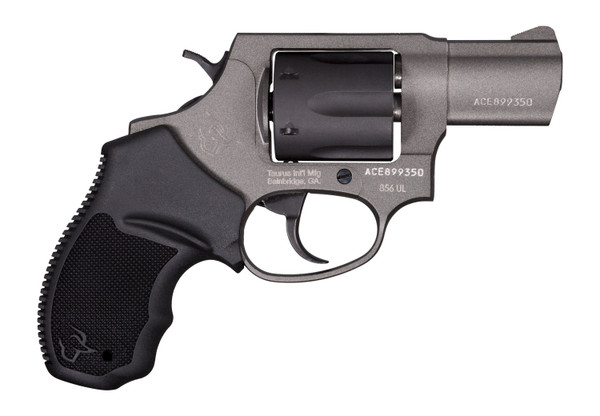
Taurus 856 .38 Special Plus P Revolver with 2-Inch Barrel and Matte Black Finish
TaurusOUR PRICE: $349.99Taurus 2-856021ULC21 856 UltraLite Small 38 Special +P 6 Shot 2" Tungsten Cerakote Carbon Steel Barrel, Matte Black Cylinder, Tungsten Cerakote Aluminum Frame, Black Ribber Grip, Transfer Bar... -

Taurus 856 .38 Special +P Revolver with 2-Inch Barrel and Matte Stainless Finish
TaurusOUR PRICE: $389.99Taurus 2-85629ULC24 856 Ultra-Lite Small 38 Special +P 6 Shot 2" Matte Stainless Barrel & Cylinder, Blue Raspberry Cerakote Aluminum Frame, Black Ribber Grip, Transfer Bar, Safety Concealed... -
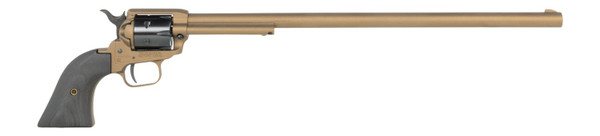
Heritage .22LR Revolver / 16-Inch Barrel, Black Finish, 6-Round Capacity
Heritage MfgOUR PRICE: $214.99HER RR22B16-BB RR .22LR BK 16 6R BURNT The Heritage Manufacturing RR22B16-BB is a .22 Long Rifle revolver designed for reliable performance and ease of use. Featuring a 16-inch barrel and a sleek... -
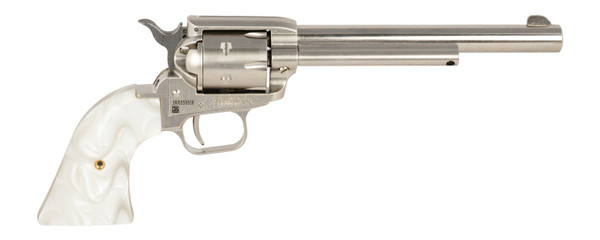
Heritage Mfg Rough Rider Series .22 LR Revolver with 6.5-inch Nickel Barrel and White Pearl Grips
Heritage MfgOUR PRICE: $183.99Heritage Mfg RR22NI6WP Rough Rider 22 LR 6 Shot 6.50" Nickel Satin Alloy Steel Barrel & Cylinder, Nickel Zinc Alloy Frame, White Pearl Grip, Manual Safety The Heritage Mfg Rough Rider Series revolver... -

Ruger Super Redhawk .357 Magnum Revolver with 2.5-inch Barrel and Stainless Finish
RugerOUR PRICE: $1,206.99Ruger Super Redhawk 357 Mag/38 Special 8 Shot 2.50" Stainless Cylinder, Satin Stainless Steel Barrel & Frame, Hogue Tamer Monogrip Grip, Transfer Bar Safety, Exposed Hammer The Ruger Super Redhawk... -
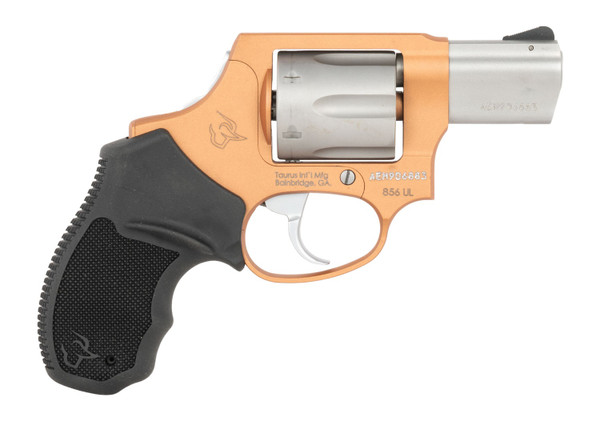
Taurus 856 Ultralight Revolver .38 Special +P 2-inch Barrel with Matte Stainless Finish
TaurusOUR PRICE: $385.99Taurus 2-85629ULC22CH 856 Ultra-Lite Small 38 Special +P 6 Shot 2" Matte Stainless Barrel & Cylinder, Copper Cerakote Aluminum Frame, Black Ribber Grip, Transfer Bar, Safety Concealed Hammer The... -

Taurus Defender 856 .38 Special +P Revolver with 3-inch Barrel and Stainless Steel Finish
TaurusOUR PRICE: $402.99Taurus 2-85635-US3 856 1776 Small 38 Special +P 6 Shot 3" Stainless Steel Barrel, Black Stainless Steel Cylinder, Stainless Steel Frame, Custom Altamont Grip, Transfer Bar Safety The Taurus Defender... -
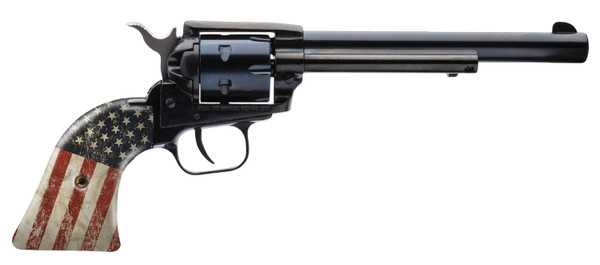
Heritage Manufacturing Rough Rider RR22B6-USF02 .22 LR Revolver with 6.5-inch Barrel and Black Finish
Heritage MfgOUR PRICE: $137.99Heritage Mfg RR22B6-USF02 Rough Rider 22 LR 6 Shot 6.50" Black Steel Barrel & Cylinder, Black Oxide Zinc Alloy Frame, US Flag Grip The Heritage Manufacturing Rough Rider RR22B6-USF02 is a classic... -
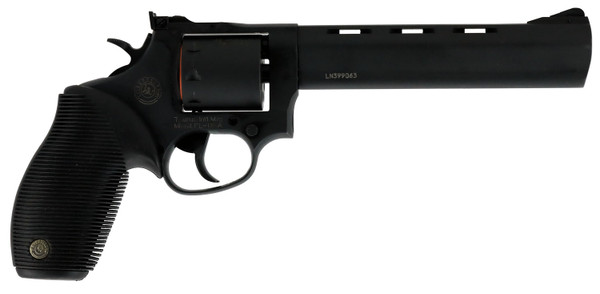
Taurus Tracker 992 Revolver 22 LR / 22 Magnum 6.5-inch Barrel Matte Black Finish
TaurusOUR PRICE: $616.99Taurus 2-992061 992 Tracker 22 LR, 22 WMR 9rd 6.50" Overall Matte Black Oxide Finish Steel with Black Ribber Grip The Taurus Tracker 992 is a highly versatile double-action/single-action revolver... -

Heritage Manufacturing Rough Rider .22 LR Revolver with 16-Inch Barrel and Cocobolo Grips
Heritage MfgOUR PRICE: $183.99Heritage Mfg RR22B16 Rough Rider 22 LR 6 Shot, 16" Black Steel Barrel, Black Zinc Alloy Frame, Black Cylinder, Cocobolo Grip, Hammer/Thumb Safety, Exposed Hammer The Heritage Manufacturing Rough... -

Heritage Manufacturing Rough Rider .22 LR Revolver with 16-inch Barrel and Cocobolo Grips
Heritage MfgOUR PRICE: $143.99Heritage Mfg RR22B16AS Rough Rider 22 LR 6 Shot, 16" Black Steel Barrel, Black Zinc Alloy Frame, Black Cylinder, Cocobolo Grip, Hammer/Thumb Safety, Exposed Hammer The Heritage Manufacturing Rough... -

Taurus Judge 2-Judge31 Revolver 45 Long Colt / 410 Bore 3-inch Barrel Black Finish
TaurusOUR PRICE: $633.99Taurus 2-JUDGE31 Judge 45 Long Colt/410 Gauge 5 Shot 3" Black Stainless Steel Barrel, Frame & Cylinder, Black Rubber Grip, Transfer Bar Safety Product Overview The Taurus Judge 2-Judge31 is a... -
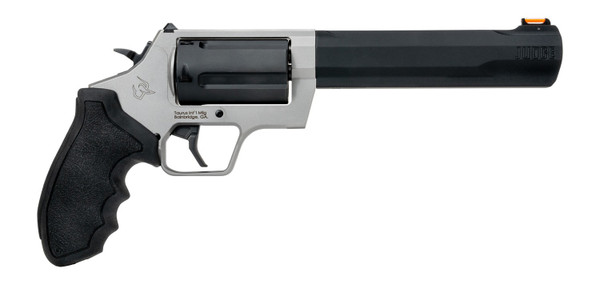
Taurus Judge 2-Judge65 Revolver 45 Long Colt / 410 Bore 6.5-inch Stainless Steel Barrel Black Rubber Grips
TaurusOUR PRICE: $628.99Taurus 2-JUDGE65 Judge 45 Long Colt/410 Gauge 5 Shot 6.50" Stainless Steel Barrel & Frame, Black Stainless Steel Cylinder, Black Rubber Grip, Transfer Bar Safety Product OverviewThe Taurus Judge... -

Taurus Judge Model 2-JUDGE61 .45 Long Colt / 410 Bore 6.5-inch Revolver with Black Rubber Grips
TaurusOUR PRICE: $633.99Taurus 2-JUDGE61 Judge 45 Long Colt/410 Gauge 5 Shot 6.50" Black Stainless Steel Barrel, Cylinder & Frame, Black Rubber Grip, Transfer Bar Safety The Taurus Judge Model 2-JUDGE61 is a versatile... -
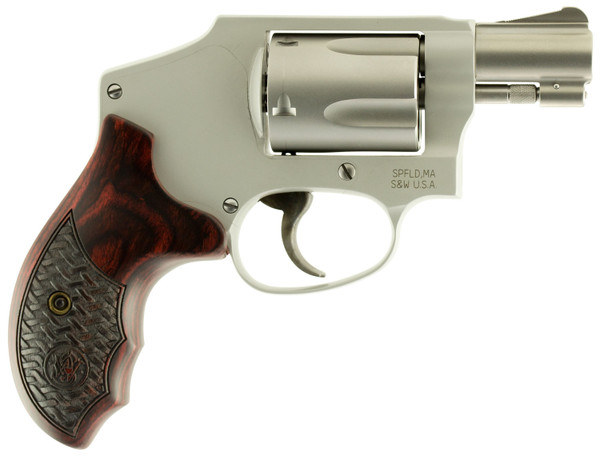
Smith & Wesson M642 J-Frame Revolver 38 Special +P Stainless Steel, 1.88-inch Barrel
Smith & WessonOUR PRICE: $628.99Smith & Wesson 170348 Performance Center Model 642 Enhanced Action 38 S&W Spl +P 5rd 1.88" Stainless Steel Barrel & Cylinder Matte Silver Aluminum Frame with Custom Wood Grip Smith & Wesson M642... -

Pietta Pendleton 1873 Great Western II Revolver in .357 Mag with 4.75-inch Barrel and Engraved Finish
PIETTA (EMF COMPANY INC)OUR PRICE: $999.99Pietta PFI357PR434BP 1873 Great Western II Pendleton Round?Up 357 Mag 6 Shot 4.75" Blued Engraved Barrel & Cylinder, Ultra Black Engraved Grip, Exposed Hammer The Pietta Pendleton 1873 Great Western... -

Pietta PFI45PR434BP Pendleton 45 Long Colt Revolver with 4.75-inch Blued Engraved Barrel and Cylinder
PIETTA (EMF COMPANY INC)OUR PRICE: $999.99Pietta PFI45PR434BP 1873 Great Western II Pendleton Round?Up 45 Colt (Long Colt) 4.75" Blued Engraved Barrel & Cylinder, Ultra Black Engraved Grip, Exposed Hammer The Pietta PFI45PR434BP Pendleton is... -

PIETTA PFI357CP434EW Cowpoke .357 Magnum Revolver with Nickel Finish and Engraved Cylinder
PIETTA (EMF COMPANY INC)OUR PRICE: $999.99PIETTA PFI357CP434EW COWPOKE 357 4.75" The PIETTA PFI357CP434EW Cowpoke is a six-shot revolver chambered in .357 Magnum, designed for reliable performance and classic styling. It features a 4.75-inch... -

PIETTA Cowpoke .45 Long Colt Revolver with Nickel Finish and Engraved Cylinder
PIETTA (EMF COMPANY INC)OUR PRICE: $999.99Pietta PFI45CP434EW Cowpoke 45 Colt (Long Colt) 6 Shot 4.75" Nickel Barrel, Nickel Engraved Cylinder & Frame, Cowhide Walnut Engraved Grip, Exposed Hammer The PIETTA Cowpoke model PFI45CP434EW is a... -

PIETTA PFI357KOP434EP .357 Magnum Revolver with 4.75-Inch Barrel and Eagle Feather Grips
PIETTA (EMF COMPANY INC)OUR PRICE: $1,266.00Pietta PFI357KOP434EP 357 Mag 6 Shot 4.75" Ultra Black Engraved w/Eagle Feather Grip The PIETTA PFI357KOP434EP is a lever-action revolver chambered in .357 Magnum, featuring a 4.75-inch barrel... -

Pietta Keeper of the Plains .45 Colt Revolver with 4.75-Inch Barrel and Eagle Feather Grips
PIETTA (EMF COMPANY INC)OUR PRICE: $1,266.00Pietta PFI45KOP434EP Keeper Of The Plains 45 Colt (Long Colt) 6 Shot 4.75" Ultra Black Engraved w/Eagle Feather Grip Pietta Keeper of the Plains .45 Long Colt Revolver with 4.75-Inch Barrel and... -
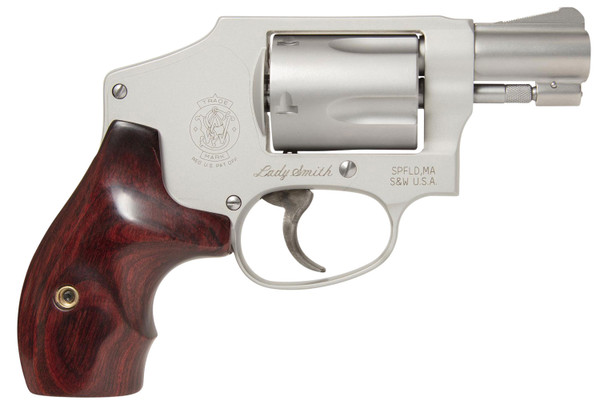
Smith & Wesson Model 642 LS J-Frame Revolver in 38 Special +P with Stainless Finish
Smith & WessonOUR PRICE: $577.99Smith & Wesson 163808 Model 642 Ladysmith 38 S&W Spl +P 5 Shot 1.88" Stainless Steel Barrel/Cylinder, Matte Silver Aluminum Alloy J-Frame, Wood Grip, Snag-free Enclosed Hammer, Internal Lock The... -

Smith & Wesson M686 Model 14635 .38 Special +P Revolver with Aimpoint ACRO P-2 Red Dot Sight and Accessories
Smith & WessonOUR PRICE: $1,819.99Smith & Wesson 14635 Model 686 SPEC R Bundle 357 Mag/38 Special +P 7 Shot, 4.13" Titanium Cerakote PowerPort Stainless Steel Vented Barrel & Frame, Black PVD Cylinder, Checkered Wood Grip, Aimpoint... -

Smith & Wesson Bodyguard 2.0 Revolver in 38 Special +P with 1.88-inch Barrel and Black Polymer Grips
Smith & WessonOUR PRICE: $451.99Smith & Wesson 14507 Bodyguard 2.0 Small 38 Special +P 5 Shot 1.88" Black Stainless Steel Barrel, Black PVD Cylinder, Black Aluminum Alloy Frame, Black Polymer Grip, Concealed Hammer The Smith &... -
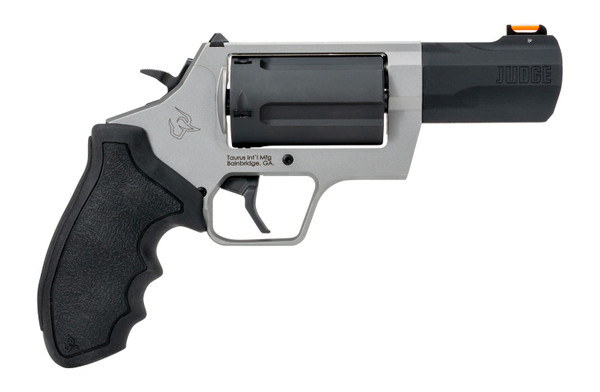
Taurus Judge 2-JUDGE35 .45 Long Colt / .410 Bore Revolver with 3-Inch Barrel and Black Rubber Grips
TaurusOUR PRICE: $628.99Taurus 2-JUDGE35 Judge 45 Long Colt/410 Gauge 5 Shot 3" Stainless Steel Barrel & Frame, Black Stainless Steel Cylinder, Black Rubber Grip, Transfer Bar Safety The Taurus Judge Model 2-JUDGE35 is a... -

Kimber K6xs .38 Special +P Revolver with 2-Inch Barrel and Compact Frame
KIMBER MFG.,INCOUR PRICE: $663.99Kimber Mfg, Inc 3400034CA K6XS *CA Compliant Compact 38 Special +P 6 Shot 2" Glass Bead Stainless Steel Barrel, Silver KimPro II Aluminum Frame, Hogue Black Rubber Kimber Grip, Concealed Hammer The... -

Smith & Wesson Bodyguard 2.0 .38 Special +P Revolver with Crimson Trace Laser and Compact Design
Smith & Wesson 2OUR PRICE: $561.99Smith & Wesson 14508 Bodyguard 2.0 w/Laser Small 38 Special +P 5 Shot 1.88" Black Stainless Steel Barrel, Black PVD Cylinder, Black Aluminum Alloy Frame, Black Polymer Grip, Crimson Trace Laser,...
