
Raven Rock Armory
Night Vision Monoculars, Goggles & Digital Night Vision
Shop night vision monoculars, night vision goggles, digital night vision devices, and low-light observation optics at Raven Rock Armory. Compare image technology, infrared illumination, magnification, viewing distance, display quality, battery life, mounting options, and field-ready features for hunting, scouting, wildlife observation, and outdoor use.
Learn more about choosing night vision equipment
Night vision devices are designed to improve visibility in low-light and nighttime environments. Depending on the technology, they may amplify available light, use digital imaging sensors, incorporate infrared illumination, or combine several technologies to produce a usable nighttime image.
Night Vision Monoculars
Night vision monoculars provide low-light observation through a single optical channel. They are available in handheld, helmet-compatible, and other configurations depending on the model and can be useful for scouting, wildlife observation, navigation, and general nighttime viewing.
Night Vision Goggles
Night vision goggles are designed for head-mounted or supported viewing and may use one or two viewing channels. Weight, field of view, mounting interface, balance, battery system, and image technology are important factors when comparing different systems.
Digital Night Vision
Digital night vision uses an electronic imaging sensor and internal display rather than a traditional image-intensifier tube. Digital models may offer features such as recording, digital zoom, multiple display modes, Wi-Fi connectivity, and built-in infrared illumination.
Choosing Night Vision
- Technology: Compare traditional image-intensified and digital night vision according to intended use, image characteristics, budget, and operating conditions.
- Viewing Distance: Consider realistic observation distances rather than relying only on maximum advertised range.
- Infrared Illumination: Determine whether the device includes a built-in IR illuminator or supports compatible external illumination.
- Mounting: Verify compatibility with helmets, headgear, tripods, firearm mounts, or handheld use as applicable to the device.
Image-Intensifier Night Vision
Traditional night vision systems amplify available ambient light using an image-intensifier tube. Image quality depends on the tube, optical system, available light, environmental conditions, manufacturer specifications, and the individual device.
Night Vision Generations
Traditional night vision is often described by generation, although generation alone does not provide a complete picture of performance. Resolution, signal-to-noise ratio, gain, photocathode sensitivity, blemishes, tube specifications, optical quality, and manufacturer standards can also matter.
Infrared Illuminators
Infrared illuminators provide light outside the visible spectrum that compatible night vision devices can detect. They can improve viewing in extremely dark conditions where insufficient ambient light is available for the device to form a useful image.
Digital Recording & Connectivity
Some digital night vision devices include photo and video recording, internal or removable storage, wireless connectivity, mobile applications, or external display functions. Feature availability varies by model.
Magnification & Field of View
Magnification can provide additional image detail at distance, while a wider field of view can make scanning and navigation easier. Higher magnification may reduce field of view and can increase the importance of stable support.
Monocular vs. Binocular Viewing
Monocular systems generally reduce size and weight, while binocular-style systems can provide viewing through both eyes. Comfort, field use, mounting requirements, weight, and cost differ substantially between configurations.
Helmet & Head Mount Compatibility
Head-mounted night vision requires compatible mounting hardware, which may include helmet shrouds, mounts, adapters, arms, or retention accessories. Confirm each component's compatibility before assembling a mounting system.
Battery Life & Power
Battery runtime can vary with device type, temperature, illumination use, display brightness, recording functions, wireless features, and battery chemistry. Consider spare power and charging requirements for extended field use.
Weather Resistance & Durability
Night vision equipment used outdoors may encounter moisture, dust, cold, heat, impact, and repeated transport. Compare environmental ratings, water resistance, operating temperature, housing construction, and manufacturer durability specifications.
Night Vision vs. Thermal Imaging
Night vision and thermal imaging are different technologies. Night vision forms an image from available or infrared light, while thermal imagers detect differences in infrared heat energy. Each system offers different advantages depending on lighting, weather, terrain, and the intended observation task.
Hunting & Outdoor Use
Night vision can be useful for nighttime observation, scouting, wildlife viewing, property inspection, and other lawful outdoor applications. Regulations governing night vision during hunting vary by jurisdiction, species, season, and method of take, so current applicable rules should be checked before field use.
Care & Storage
Follow manufacturer instructions for lens care, power management, storage, firmware updates, environmental exposure, and transport. Protect optical surfaces, displays, image sensors, mounting interfaces, and electronic components from impact, contamination, excessive heat, and prolonged moisture.
Filter By
Products List
-

ATN Blazeseeker 210 1.7-13.6X Thermal Scope
ATN$569.99ATN TIMNBLS210G6 BLAZESEEKER 210 1.7-13.6X The ATN Blazeseeker 210 is a thermal scope designed for versatile observation and targeting applications. It features an optical zoom range of 1.7 to 13.6... -
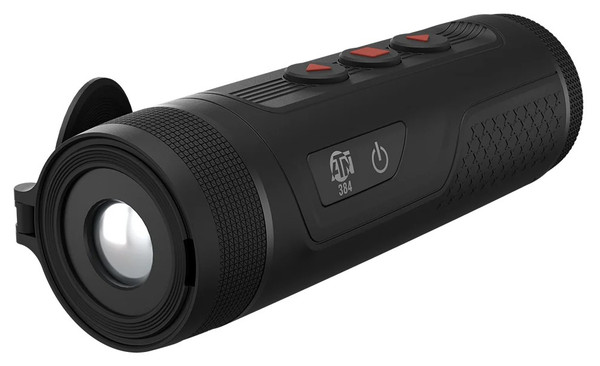
ATN BlazeTrek 319 2.25-18X Rifle Scope
ATN$995.99ATN TIMNBLT319G6 BLAZETREK 319 2.25-18X The ATN BlazeTrek 319 2.25-18X rifle scope offers versatile magnification for precision shooting at various distances. Designed for hunters and shooters,... -

ATN BlazeTrek 325 2.8-22X Rifle Scope
ATN$1,195.99ATN TIMNBLT325G6 BLAZETREK 325 2.8-22X The ATN BlazeTrek 325 2.8-22X rifle scope offers versatile magnification for precision shooting at various distances. Its variable zoom allows shooters to... -
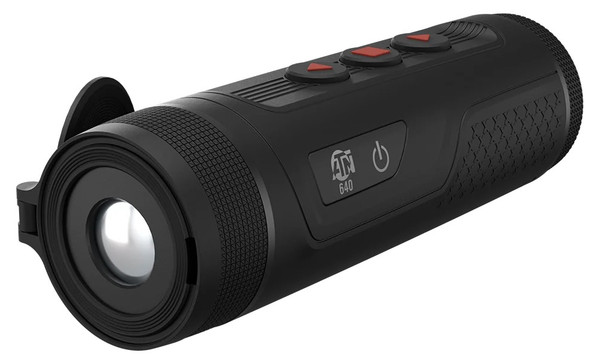
ATN BlazeTrek 619 1.5-12X Rifle Scope
ATN$1,695.99ATN TIMNBLT619G6 BLAZETREK 619 1.5-12X The ATN BlazeTrek 619 1.5-12X rifle scope offers versatile magnification for a wide range of shooting applications. Designed for precision and clarity, this... -
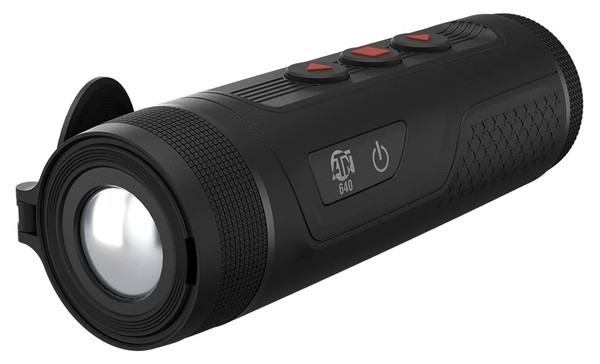
ATN BlazeTrek 625 1.75-14X Rifle Scope
ATN$1,895.99ATN TIMNBLT625G6 BLAZETREK 625 1.75-14X The ATN BlazeTrek 625 1.75-14X rifle scope offers versatile magnification for precise long-range shooting. Designed for hunting and tactical applications,... -

Sightmark Shade Mini 256 2-16x15 Thermal Scope
Sightmark$799.99SIGHT SM17004 SHADE MINI 256 2-16X15 THERMAL SCOPE The Sightmark Shade Mini 256 2-16x15 thermal scope offers versatile thermal imaging for enhanced target detection and identification. Its compact... -

Sightmark Shade 256 3.5-28X30 Thermal Scope
Sightmark$999.99SIGHT SM17005 SHADE 256 3.5-28X30 THERMAL SCOPE The Sightmark Shade 256 thermal scope offers reliable thermal imaging for precision targeting in low-light or no-light conditions. With a variable... -
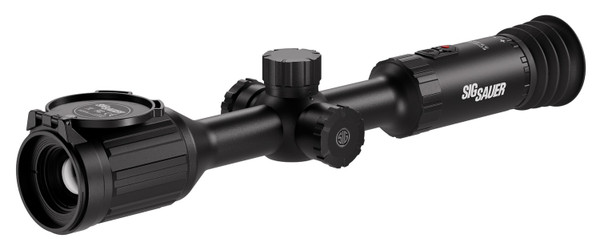
Sig Sauer Electro-Optics Echo CRQ35 3.5-28x35 Rifle Scope
Sig Sauer Electro-Optics$2,099.99SIG SOEC31200 ECHO CRQ35 384X288 3.5-28X35 The Sig Sauer Electro-Optics Echo CRQ35 is a high-performance rifle scope designed for precision shooting. Featuring a 3.5-28x magnification and a 35mm... -
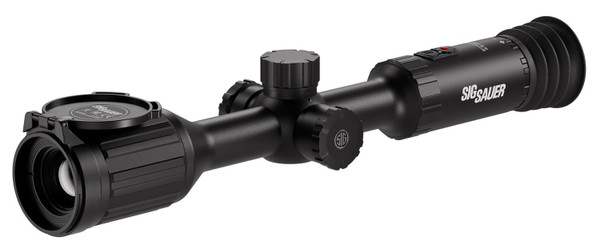
Sig Sauer Electro-Optics Echo RV35 640x512 2-16x35 Rifle Scope
Sig Sauer Electro-Optics$2,999.99SIG SOEC32200 ECHO RV35 640X512 2-16X35 The Sig Sauer Electro-Optics Echo RV35 offers a high-resolution 640x512 sensor, providing clear and detailed imaging for precision shooting. With a... -

Sig Sauer Electro-Optics Echo RV50 640x512 2.5-20x50 Rifle Scope
Sig Sauer Electro-Optics$3,999.99SIG SOEC32310 ECHO RV50 640X512 2.5-20X50 The Sig Sauer Electro-Optics Echo RV50 features a high-resolution 640x512 sensor ideal for precision shooting and hunting. Its variable magnification... -
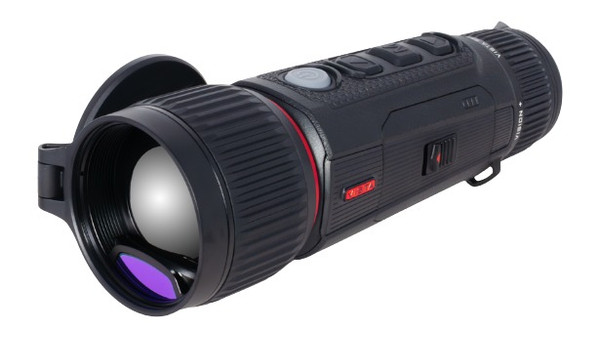
IRAY USA LLC VISTA-S50R RF Thermal Monocular 2X 1280x1024 with Laser Rangefinder
IRAY USA LLC$4,499.99NOCPIX VISTA-S50R RF THERMAL MONO 2X 1280X1024 LRF The IRAY USA LLC VISTA-S50R RF thermal monocular features a high-resolution thermal sensor and advanced imaging capabilities. It offers a 2X... -
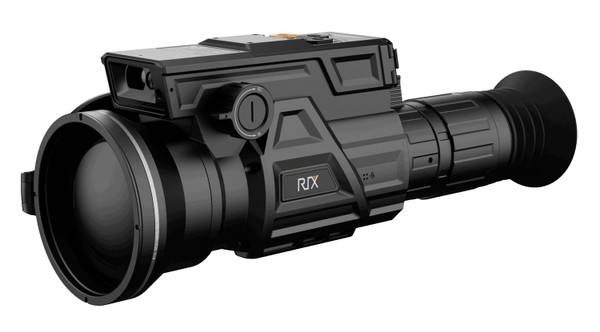
RIX Optics DBHD12 Thermal Imaging Camera Module 1280x1024
RIX OPTICS (VISIR INC)$8,499.99RIX DBHD12 DBH D12 1280X1024 THERM The RIX Optics DBHD12 thermal imaging camera module offers high-resolution thermal imaging with a 1280x1024 pixel array, ideal for surveillance,... -

RIX Optics LEAP-L12R Thermal Range Finder with 1280x1024 Resolution and 2.0-6.0X60 Magnification
RIX OPTICS (VISIR INC)$6,899.99RIX LEAP-L12R 1280X1024 2.0-6.0X60 THERM RNGF The RIX Optics LEAP-L12R is a versatile thermal range finder designed for precision distance measurement and thermal imaging. It features a... -

RIX Optics Titan T3 Thermal Imaging Scope 384x288 15mm Lens
RIX OPTICS (VISIR INC)$1,599.99RIX TITAN-T3 TITAN 384X288 15MM LRF THERM The RIX Titan T3 thermal imaging scope features a 384x288 resolution sensor, providing clear and detailed thermal imaging for professional or... -

Infitac DNVS-14PRO Night Vision Monocular
INFITAC$3,099.99INFITAC DNVS-14PRO DNVS PRO NIGHT VISION MONO The Infitac DNVS-14PRO is a compact night vision monocular designed for clear low-light observation. It offers reliable performance in dark... -
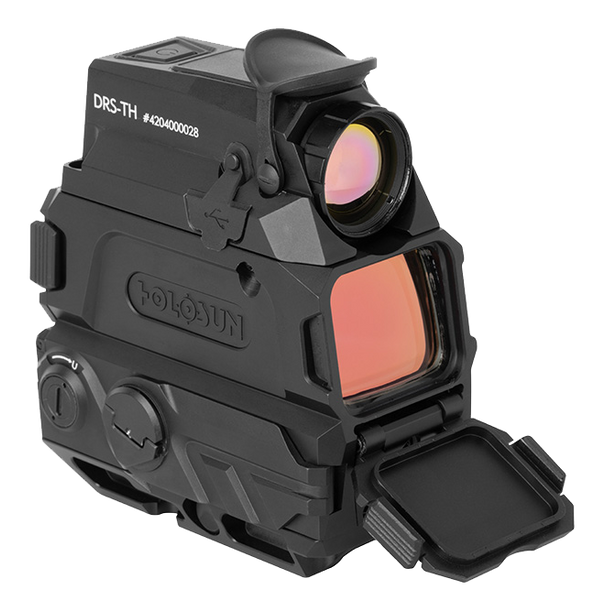
Holosun DRS-TH – Digital Reflex Sight / Thermal Imaging
Holosun Technologies$1,882.34The Holosun DRS-TH is a groundbreaking optic that seamlessly integrates a traditional red dot sight with advanced thermal imaging capabilities. Utilizing a 256x192 thermal sensor, this sight provides... -
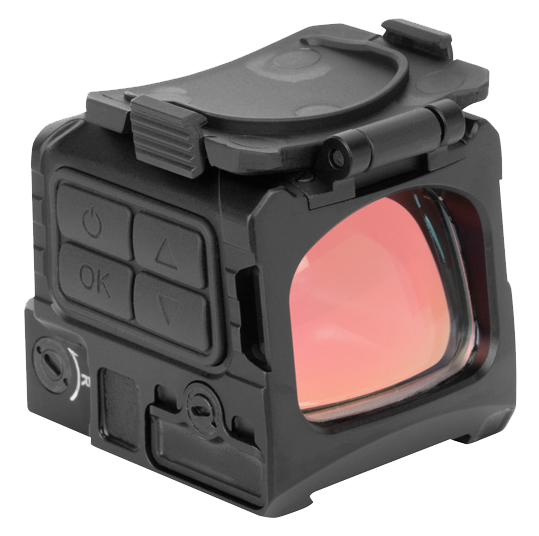
Holosun DPS-TH – Thermal Reflex Sight w/ Digital Precision
Holosun Technologies$999.00The Holosun DPS-TH Digital Pistol Sight represents the next evolution in handgun optics by combining a premium enclosed red dot sight with integrated thermal imaging technology. Designed around the...
