
Raven Rock Armory
Tactical Pouches, Magazine Pouches & Utility Gear
Shop tactical pouches, magazine pouches, medical pouches, utility pouches, admin pouches, radio pouches, dump pouches, and modular storage gear at Raven Rock Armory. Compare pouch size, capacity, retention, closure type, attachment system, MOLLE compatibility, material, mounting orientation, and intended use for belts, plate carriers, tactical vests, chest rigs, packs, and other load-bearing equipment.
Learn more about tactical pouches, magazine carriers & modular storage
Tactical pouches provide modular storage for magazines, medical supplies, tools, communication equipment, ammunition, hydration accessories, administrative items, and other gear. Pouches can be mounted to compatible belts, plate carriers, tactical vests, chest rigs, backpacks, and other load-bearing platforms depending on their attachment system and dimensions.
Magazine Pouches
Magazine pouches are designed to carry compatible rifle, pistol, shotgun, or specialty magazines. Designs may use elastic tension, molded inserts, shock cord, flaps, buckles, hook-and-loop closures, adjustable retention, or combinations of these features.
Rifle Magazine Pouches
Rifle magazine pouches may be designed for AR-15, M4, AK-pattern, AR-10, SR-25, or other magazine formats. Magazine width, curvature, material, baseplate dimensions, and pouch retention system can all affect compatibility.
Pistol Magazine Pouches
Pistol magazine pouches may accommodate single-stack, double-stack, extended, or manufacturer-specific magazines. Some models use adjustable retention or elastic construction to accommodate more than one magazine size.
Choosing Tactical Pouches
- Equipment Size: Confirm the dimensions of the magazine, tool, medical kit, radio, bottle, or other equipment being carried.
- Attachment System: Determine whether the pouch uses MOLLE, PALS, belt loops, clips, hook-and-loop, buckles, or another mounting method.
- Retention: Compare elastic, friction, flap, buckle, shock-cord, zipper, hook-and-loop, or molded retention systems.
- Orientation: Consider whether the pouch mounts vertically, horizontally, angled, or in another configuration.
- Access: Evaluate how quickly the contents can be reached while keeping the equipment sufficiently secured.
Medical & IFAK Pouches
Medical and IFAK pouches are designed to organize compatible first aid or trauma supplies. Depending on the design, they may use tear-away panels, zippers, elastic organizers, internal sleeves, external tourniquet holders, pull handles, or modular mounting systems.
Utility Pouches
Utility pouches provide general-purpose storage for tools, batteries, gloves, navigation equipment, range supplies, personal items, spare parts, or other accessories. They are available in multiple sizes and configurations depending on the intended use.
Admin Pouches
Admin pouches are typically compact organizers designed for items such as notebooks, maps, identification, pens, lights, batteries, small tools, cables, or other frequently accessed equipment.
Radio & Communication Pouches
Radio pouches are designed to hold compatible handheld radios or communication devices. Adjustable shock cord, elastic panels, retention straps, open-top designs, and cable-routing features may be used depending on the pouch.
Dump Pouches
Dump pouches provide temporary storage for empty magazines, loose gear, gloves, tools, or other equipment. Many designs can be folded or rolled into a compact configuration when not in use.
General-Purpose Pouches
General-purpose pouches may be used for a wide range of equipment and often include zippered compartments, internal organizers, drainage openings, elastic retention loops, or exterior attachment surfaces.
MOLLE & PALS Attachment
Many tactical pouches are designed around MOLLE or PALS-compatible webbing systems. Mounting commonly involves weaving straps through alternating rows of pouch and platform webbing to help secure the pouch to the carrier, belt, vest, pack, or panel.
Laser-Cut MOLLE Platforms
Some modern carriers and belts use laser-cut slots instead of traditional sewn webbing. Compatibility depends on slot spacing, pouch attachment hardware, material thickness, and the mounting system used by the pouch.
Belt-Mounted Pouches
Belt pouches may use integrated loops, removable loops, clips, hook-and-loop interfaces, MOLLE panels, or manufacturer-specific mounting hardware. Belt width should be compared with the pouch attachment specifications.
Open-Top Pouches
Open-top pouches allow direct access to the carried item without a full flap covering the opening. Retention may come from elastic, molded inserts, shock cord, friction, adjustable tension, or combinations of these systems.
Flap-Closure Pouches
Flap pouches use a cover secured by hook-and-loop material, buckles, snaps, or other closures. The flap can provide additional retention and coverage depending on the pouch design.
Zippered Pouches
Zippered pouches provide enclosed storage and are commonly used for utility gear, medical supplies, administrative items, tools, or personal equipment. Some models use dual zippers, pull tabs, or clamshell openings for improved access.
Elastic Pouches
Elastic pouches use stretch material to retain equipment and can maintain a relatively low profile when empty. Elastic can also accommodate a limited range of equipment sizes depending on the design.
Retention Inserts
Some magazine pouches use internal polymer, composite, or molded inserts to create retention around the magazine. Inserts may be fixed, adjustable, removable, or replaceable depending on the manufacturer.
Shock-Cord Retention
Shock cord may be used to create adjustable tension, secure an open-top magazine, retain tools, or support expandable pouch designs. Adjustment methods vary between manufacturers.
Pouch Materials
Tactical pouches may use woven nylon, laminate, elastic, mesh, polymer reinforcement, hook-and-loop material, metal hardware, or combinations of materials. Construction can affect weight, flexibility, abrasion resistance, water resistance, and durability.
Drainage & Ventilation
Some pouches include drainage holes, mesh panels, open bottoms, or other features intended to allow water, debris, or moisture to escape. Features vary by pouch type and intended environment.
Low-Profile Pouches
Low-profile pouches are designed to reduce bulk when mounted on a carrier, belt, or chest rig. They may use elastic construction, thin laminate materials, reduced flap coverage, or compact attachment systems.
Expandable Pouches
Expandable pouches may use elastic, gussets, adjustable shock cord, compression straps, or folding panels to accommodate different equipment sizes while remaining relatively compact when lightly loaded.
Stacking & Layering Pouches
Some pouch systems allow additional pouches to be mounted on the front surface. Adding multiple layers increases storage but can also increase thickness, weight, and interference with other equipment.
Plate Carrier Pouch Placement
Pouch placement on a plate carrier can affect access, mobility, prone positioning, equipment balance, and interaction with slings, backpacks, radios, or other gear. Placement should be based on the user's equipment requirements and the available mounting surface.
Chest Rig Pouches
Chest rigs may use fixed pouches, removable placards, MOLLE panels, elastic inserts, or modular pouch systems. Verify attachment method and available mounting space before combining components from different systems.
Battle Belt & Duty Belt Pouches
Belt-mounted pouches are commonly used to carry magazines, medical supplies, tools, radios, gloves, or utility equipment. Belt stiffness, width, mounting method, and available space can affect pouch compatibility.
Pouch Size & Capacity
Product names such as small, medium, or large are not standardized across manufacturers. Compare actual pouch dimensions and listed capacity with the equipment you intend to carry.
Color & Camouflage Options
Tactical pouches are available in solid colors and camouflage patterns designed to coordinate with carriers, belts, packs, and other equipment. Availability varies by manufacturer and product configuration.
Inspecting Tactical Pouches
Periodically inspect stitching, webbing, elastic, zippers, snaps, buckles, hook-and-loop surfaces, shock cord, mounting straps, retention inserts, and attachment hardware for wear, looseness, or damage.
Cleaning & Care
Follow the pouch manufacturer's recommendations for cleaning and storage. Materials, coatings, elastic components, hardware, and hook-and-loop surfaces may require different care depending on the product.
Confirm Equipment Compatibility
Magazine dimensions, radio sizes, medical inserts, tools, bottles, belt widths, MOLLE spacing, mounting hardware, and pouch capacity can vary considerably. Check the product specifications for both the pouch and the equipment being carried before selecting a configuration.
Always Follow Manufacturer Specifications
Tactical pouch dimensions, materials, attachment systems, retention methods, capacity, mounting orientation, and compatible equipment vary by manufacturer and model. Always review the current manufacturer's specifications for the exact pouch being considered.
Filter By
Products List
-
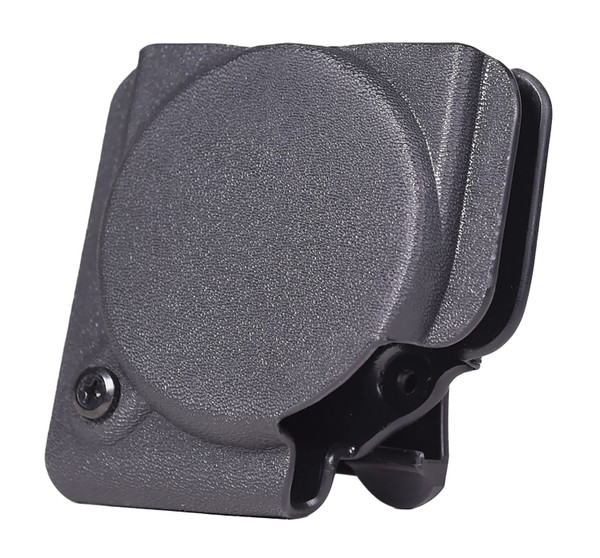
High Speed Gear HSGI 42DIP0BK Dip Can Carrier Black
HIGH SPEED GEAROUR PRICE: $27.99High Speed Gear 42DIP0BK Dip Can Carrier Black Kydex The High Speed Gear HSGI 42DIP0BK Dip Can Carrier is a durable Kydex pouch designed to securely hold smokeless tobacco cans such as Copenhagen,... -
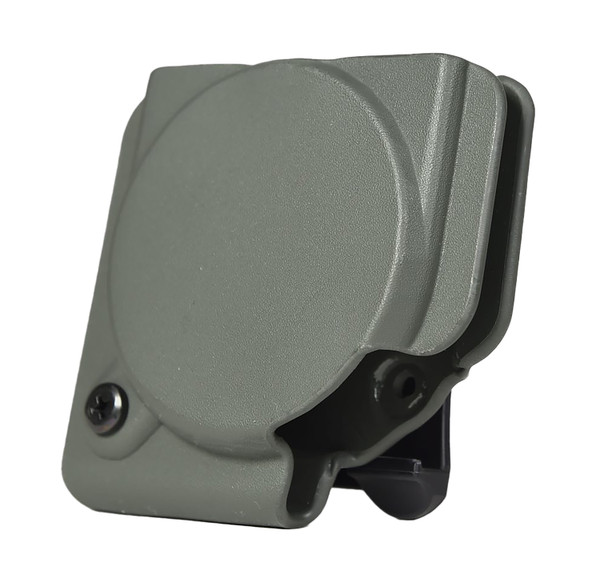
High Speed Gear HSGI 42DIP0OD Dip Can Carrier OD Green Kydex
HIGH SPEED GEAROUR PRICE: $27.99High Speed Gear 42DIP0OD Dip Can Carrier OD Green Kydex The High Speed Gear HSGI 42DIP0OD Dip Can Carrier is a durable Kydex pouch designed to securely hold smokeless tobacco cans such as Copenhagen,...
